
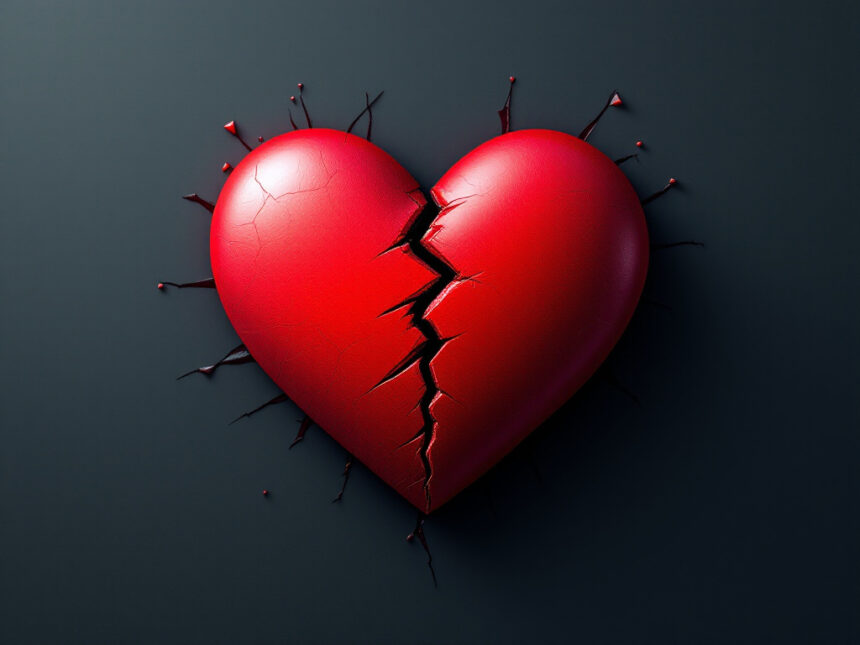
Ever typed 💔 and felt it say what you couldn’t? The broken heart emoji isn’t just drama—it’s a fast, universal signal for hurt, grief, or deep disappointment. In this guide, you’ll learn what 💔 really means, how people use it sincerely, playfully, and ironically, and why context changes everything.
We’ll also trace the symbol’s history, look at research showing emojis can make you seem more responsive, and share practical etiquette for relationships, family chats, and brand accounts.
By the end, you’ll know when 💔 fits—and what to use instead so your messages feel clear, human, and respectful across any platform.
| Topic | Best choice | What it communicates | Best use case | Risk / watch-out |
|---|---|---|---|---|
| Meaning of 💔 | 💔 | Deep hurt, heartbreak, grief | Breakups, loss, serious disappointment | Can feel too intense if the issue is minor |
| Serious vs playful | 💔 + words | Emotion + clarity | “I felt dismissed earlier 💔” | Emoji-only messages invite misreads |
| Ironic/meme usage | 🥀 | “Sad, but ironic / in-group” | TikTok/X culture comments | Trendiness varies; not everyone gets it |
| Emoji & connection | Any emoji | Higher perceived responsiveness | Supportive texting, friendship check-ins | Doesn’t “fix” bad communication alone |
| Faster typing | Shortcuts | Convenience + consistency | Frequent messaging/creators | Keep shortcuts private for professional accounts (Apple Support) |
What the broken heart emoji really means
When you send the broken heart emoji 💔, you are doing more than adding decoration to your message. You are telling the other person, “This hurt,” in a quick, recognizable way.
The broken heart emoji usually signals:

- Heartbreak after a breakup or rejection
- Grief or loss, like the death of a loved one or a pet
- Deep disappointment, regret, or emotional pain
Researchers describe 💔 as a near‑universal symbol for heartbreak and despair, especially around unrequited love and loss, as explored in an ABC Arts feature on the history of the heartbreak symbol. Across apps, it appears as a red or pink heart with a jagged crack down the center, instantly recognizable in any language.
You will often see 💔 spike online during sad news, celebrity deaths, or viral breakup stories. In those moments, it becomes a shorthand for “I feel this with you” or “This is crushing.”
How the broken heart emoji is used today
You use the broken heart emoji in far more situations than just romantic breakups. Its tone can shift from very serious to light and ironic depending on what you pair it with and who you are talking to.

Serious and sincere uses
In sincere messages, 💔 is an expression of vulnerability. You might send it when:
- You are going through a breakup and cannot find the words
- You are talking about grief or depression
- You are reacting to tragic news or a sad story
- You are comforting a friend who is hurting
In these contexts, 💔 quietly says “I am hurting right now” or “I am so sorry you are going through this” without needing a long explanation. It can soften a short message and make it feel more emotionally honest.
Playful and exaggerated uses
You also see the broken heart emoji in playful banter. You might send 💔 when:
- Your friend watches the next episode without you
- Your favorite snack gets discontinued
- Your crush leaves you on read
- A creator announces the end of a series you love
In those cases, 💔 is not about real devastation. It is a dramatic flair that turns mild disappointment into something you can laugh about, especially when you double or triple the emoji for effect.
Ironic and meme uses
In early 2025, niche TikTok communities started using 💔 ironically and then jokingly “replacing” it with the wilted flower emoji 🥀 to signal sadness, claiming that 💔 had become too mainstream and performative. Creators in groups like JuggTok spread the meme with lines like “💔 has gone too mainstream / we will now be using 🥀.”
By March 2025 this trend had already faded, but it showed how your choice of emoji can also mark in‑group identity and online culture, not just emotions.

A quick history of the broken heart symbol
To understand the broken heart emoji, it helps to know where the heart symbol itself came from.
From ancient plants to modern icons
The modern heart shape did not start as an anatomical diagram. According to historians and art scholars, one theory traces the stylized heart shape to depictions of heart‑shaped seed pods of the silphium plant in Ancient Greece and Rome, which were used as an aphrodisiac and contraceptive. Over time, artists simplified and romanticized these shapes.
In medieval Europe, hearts in art were often drawn more anatomically with veins and arteries, especially in religious works like images of the Sacred Heart. Only later did the clean, symmetrical heart shape take over as the standard symbol of love.
A fifteenth‑century German woodcut even shows a lover in despair before the goddess of love, holding a banner that says “my heart suffers pain.” Art historians point to images like this as some of the earliest visual versions of a “broken heart” long before digital life.
The exact path from those images to the modern shattered heart icon is not fully known, but you can see a long tradition of using the heart shape to show both joy and suffering in love.
From phrase to emoji
The phrase “broken heart” has been part of English since the early 1500s, used to describe extreme sadness after romantic failure or loss. That metaphor eventually made its way into emoji form when the broken heart emoji was added under Unicode 6.0 in 2010.
Since then, 💔 has turned into a global symbol that you can send with one tap. It condenses centuries of visual and verbal storytelling about heartbreak into a tiny, bright icon on your screen.
If you want to explore how 💔 fits beside other heart symbols, you can browse more options in guides like heart emoji meanings and heart emoji meanings colors.
What the research says about emojis and connection
When you drop a 💔 into a chat, you might feel like you are just decorating your message. In reality, you are changing how responsive and caring you seem to the other person.
A 2024 experimental study in the United States found that people who used emojis in text messages were rated as more responsive than those who did not, scoring 4.43 vs 3.57 on a responsiveness scale. It did not matter whether they used face emojis, heart emojis, or other symbol emojis. Any emoji tended to boost the sense that the sender was tuned in and emotionally engaged.
The same study reported that:
- Higher perceived responsiveness from emojis predicted greater feelings of closeness between friends
- Responsiveness was also positively linked to relationship satisfaction
- The link between emojis and likability was weaker and not statistically significant
In other words, using emojis like 💔 does not magically make you more likable, but it can help the other person feel that you are present, responsive, and emotionally aware. That is especially important in conversations about heartbreak or loss, where tone is easy to misread.
When you add 💔 after a short sentence like “I am really sorry,” you give the other person a visual cue that your feelings are genuine.
When you should (and should not) use 💔
Because the broken heart emoji is so strong, timing and context matter. You want to match the gravity of the emoji to the gravity of the situation.
Good times to use the broken heart emoji
Use 💔 when:
- Someone shares painful personal news and you want to show immediate empathy
- You are talking about your own heartbreak and want to underline that it still hurts
- You are reacting to public tragedies, like disasters or celebrity deaths, with respectful sadness
- You and a close friend are being melodramatic in a playful way and both understand the joke
Paired with gentle wording, 💔 can make heavy conversations feel a little easier to start.
Times to avoid or soften it
You may want to avoid 💔, or pair it with a lighter emoji, when:
- You are sending professional or brand communications where serious sadness would feel off tone
- You are joking with someone who does not know you well and might misread the intensity
- The situation is minor and you do not want to trivialize real heartbreak
In professional or branded content, it might be better to lean on other symbols, like red heart emoji for support, yellow heart emoji for warmth, or white heart emoji for sympathy, depending on your brand’s style.
Using 💔 in close relationships
In close friendships and romantic relationships, emojis become part of your shared language. The broken heart emoji can help you:
- Admit hurt without typing a long message
- Show you care about the other person’s pain
- Break a tense silence with a small, emotionally honest signal
Because emojis tend to increase perceived responsiveness and closeness in chats, as the 2024 study found, that little 💔 can help you maintain connection even when you do not have the energy for full paragraphs.
With partners or exes
With a current partner, sending 💔 might mean:
- “What you said really stung”
- “I am scared of losing you”
- “I am still upset about this”
In that context, try pairing 💔 with a clear sentence so there is less room for confusion. For example, “I felt really dismissed earlier 💔” is more constructive than sending the emoji by itself.
With an ex, 💔 can be risky. On one hand, it can express honest lingering pain. On the other, it might reopen wounds or pressure them emotionally. If you use it, do it sparingly and only when it fits what you genuinely want to communicate.
With family and close friends
In family chats, 💔 is often used around illness, deaths, or tough life events. For instance:
- “Grandma is back in the hospital 💔”
- “I had to put the dog down today 💔”
As a reply, you can combine 💔 with another heart to show both grief and support, like “I am so sorry 💔❤️.”
If you want heart options that feel especially suited to family love, it can help to explore suggestions in a guide like heart emoji for family.
Using 💔 as a content creator or marketer
If you create content or run a brand account, the broken heart emoji can be powerful, but you need to handle it with care.
Matching brand voice and audience
Ask yourself:
- Does your brand ever talk about serious topics like loss, mental health, or social issues?
- Is your audience mainly younger users who are comfortable with strong emoji language?
- Are you using heartbreak metaphorically in a music, film, or fashion context?
If your brand regularly covers heavy emotional stories, then occasional use of 💔 can feel honest and human. For example, a music label might share a breakup ballad with a caption like, “For anyone healing from their first love 💔.”
If your brand tone is usually upbeat and practical, consider softer hearts instead or combine 💔 with hopeful symbols to avoid feeling exploitative.
Avoiding performative sadness
One reason the 🥀 meme emerged, criticizing 💔 as “too mainstream,” is that people sometimes drop broken heart emojis on serious stories without taking real action. To avoid that:
- Use 💔 when you are actually engaging with the topic, not just chasing clicks
- Pair it with meaningful captions, resources, or donations when appropriate
- Be cautious around real-world tragedies, where a simple red heart or a link to help can feel more respectful
For broader planning around heart usage, you might find an overview like heart emoji designs and heart emoji symbols helpful when building your visual language.
Choosing between 💔 and other heart emojis
The broken heart emoji is powerful, but it is only one option out of many heart symbols you can use. Different hearts help you fine‑tune your message.
Here is a quick comparison you can refer to:
| Emoji | Main feeling | When to use |
|---|---|---|
| 💔 Broken heart | Heartbreak, loss, deep hurt | Breakups, grief, strong disappointment |
| ❤️ Red heart | Romantic love, strong affection | Partners, close friends, family, support |
| 🩷 Pink heart | Soft love, crushes, sweetness | Light romance, fandoms, casual affection |
| 🖤 Black heart | Dark humor, heavy topics, emo vibes | Edgy posts, complex emotions, aesthetic captions |
| 💚 Green heart | Support, growth, eco themes, jealousy context‑dependent | Environmental posts, platonic support, fandom color hearts |
| 💛 Yellow heart | Friendship, warmth, optimism | Besties, kind responses, light encouragement |
| 🧡 Orange heart | Friendly love, casual care | New connections, brand‑safe affection |
You can dig deeper into each color and style in guides like red heart emoji, pink heart emoji, black heart emoji, blue heart emoji, green heart emoji, yellow heart emoji, orange heart emoji, and white heart emoji.
If you are not sure which to pick, think about two questions:
- How serious is the feeling on a scale of 1 to 10?
- Is the vibe dark, soft, hopeful, or neutral?
Use 💔 when the feeling is closer to 9 or 10 and the vibe is clearly about pain or loss.
Getting quick access to 💔 on your device
You probably do not want to scroll through endless emoji pages every time you use 💔. A few tweaks to your setup can make the broken heart emoji easy to reach.
On phones and tablets
Most devices move your most frequently used emojis to a “recent” row. To keep 💔 there, use it regularly in your chats.
If you want more control:
- On iOS, you can add text replacements so typing something like “:bh” automatically turns into 💔. You can learn more about typing hearts on Apple devices in heart emoji ios and how to type heart emoji.
- On Android, many keyboards let you create custom shortcuts or favorite emojis. For broader Android tips, you can check heart emoji android.
You can also install a dedicated heart emoji keyboard if you send heart symbols constantly and want them all in one place.
On desktop and social platforms
On computers, you can usually open the emoji panel with a keyboard shortcut, then search “heart” to find 💔 fast. If you prefer copy‑and‑paste, using a reference page such as heart emoji copy paste gives you quick access to 💔 and related symbols.
Different apps sometimes style emojis slightly differently. If you are particular about appearance on platforms like Instagram, Snapchat, X, or Facebook, it can help to preview or read platform‑specific tips such as:
The symbol might shift a little in design, but the meaning of 💔 stays consistent.
Fun and creative ways to use 💔
Once you understand the emotional weight of the broken heart emoji, you can start to play with it in captions, edits, and stories without losing respect for how powerful it is.
In captions and stories
You might use 💔 to:
- Introduce a breakup playlist or sad song recommendation
- Caption an “end of an era” photo, like moving out of a beloved home
- Mark the final episode of a long‑running show you love
- Pair with lyrics about heartbreak in your stories
Artists have even turned the broken heart into song titles themselves. Tracks like “Broken Heart Emoji” by 1neGrand and Theylovetyler use the symbol as a shortcut to themes of love and loss, reflecting what their listeners already feel.
In combinations and aesthetics
You can combine 💔 with other emojis to fine‑tune your tone. For example:
- “I am so proud of you but I miss you already 💔✨” mixes sadness with support and hope.
- “You ate the last slice of pizza 💔😂” clearly reads as playful rather than truly wounded.
- “It still hurts to think about it 💔🖤” pushes toward a darker, more emo or goth aesthetic.
When you care about visual style in your posts, you can treat 💔 as one element in a wider emoji palette, matching it with other symbols that fit your color theme or mood. A guide like heart emoji faces or heart emoji with sparkles can help you find expressive combinations that still feel on brand.
Understanding 💔 across cultures and platforms
Even though the broken heart emoji looks fairly similar everywhere, its popularity and usage can vary.
A 2016 emoji analysis found that the broken heart emoji appeared four times more often in French‑language posts than in other languages, suggesting that some online cultures lean more heavily on 💔 for expressive, dramatic communication. On all platforms, though, its usage spikes around:
- Sad news and public tragedies
- Discussions of depression, anxiety, or heart disease
- Releases of media about breakups and loss
- Personal posts about love, grief, and mental health
Across platforms, vendors design 💔 to match their other hearts, usually as a red or pink heart with a jagged crack down the center. If you are curious about the exact code behind it or how it looks on different systems, you can browse heart emoji unicode.
Final tips for making your 💔 messages stronger
Used thoughtfully, the broken heart emoji can make your messages clearer and more human, not just more dramatic. To get the most out of 💔:
- Reserve it for real pain or obviously exaggerated jokes, not every minor inconvenience
- Pair it with words that match the level of intensity you want to convey
- Remember that emojis can increase how responsive and emotionally tuned‑in you seem
- Use other hearts and symbols to support different shades of feeling when full heartbreak is not quite right
If you ever feel stuck choosing between 💔 and other heart emojis, keep a reference like heart emoji meanings or heart emoji copy paste handy. Over time, you will build your own personal “emoji vocabulary” that lets you say exactly what you mean with a single tap.
FAQs
What does the broken heart emoji (💔) mean in texting?
It usually means emotional pain—heartbreak, grief, or deep disappointment. In casual chats, it can also mean playful “dramatic disappointment,” depending on your relationship and the message tone.
Is 💔 always romantic?
No. People use 💔 for non-romantic loss too (family illness, pet loss, sad news), and even for light jokes (“you ate the last slice 💔”). Context decides whether it’s serious or playful.
Why did TikTok switch from 💔 to 🥀?
A 2025 microtrend joked that 💔 felt “too mainstream,” so some communities used 🥀 (wilted flower/dead rose) as an ironic replacement—more about in-group culture than literal meaning.
Does using 💔 make me seem more caring?
Potentially—emoji use can increase perceived responsiveness in texts, and that responsiveness is associated with greater closeness and relationship satisfaction in the study’s findings.
When should I avoid using 💔?
Avoid it in professional/brand contexts unless the tone truly fits, or with people who might misread intensity. If the situation is minor, consider a lighter heart or a supportive phrase without heavy symbolism.
How do I type 💔 faster on iPhone or Windows?
On iPhone, you can create a Text Replacement shortcut for 💔. On Windows, use Win + . to open the emoji panel and search.











 meaning, real-life examples, etiquette, research insights, and when to use other hearts for a clearer message.)