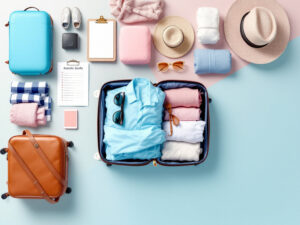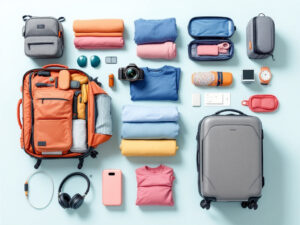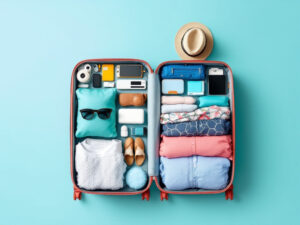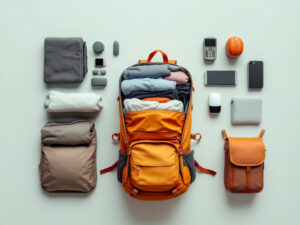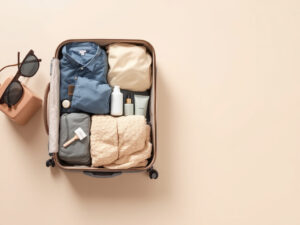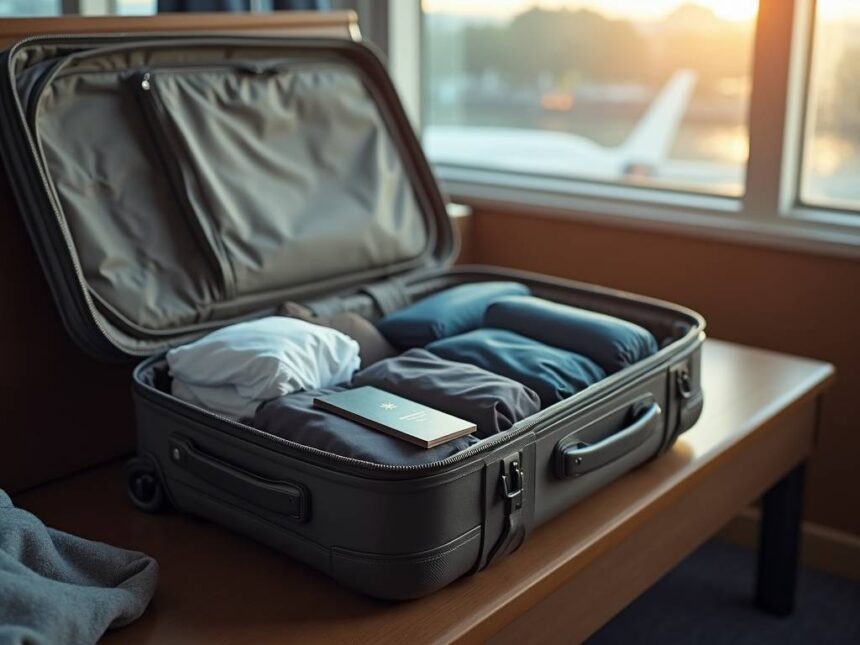
Compression packing cubes take the basic idea of regular packing cubes and supercharge it. With a second zipper that tightens everything down, you can fit more into your luggage without sacrificing organization. If you are tired of sitting on your suitcase to get it to close, compression packing cubes might be the upgrade you need.
This guide walks you through what compression cubes are, how they differ from regular cubes and compression bags, when to use them, and which features to look for. By the end, you will know exactly how to build a simple, flexible system that works for your kind of travel, whether that is a weekend city break or a three‑month backpacking trip.

Understand what compression packing cubes are
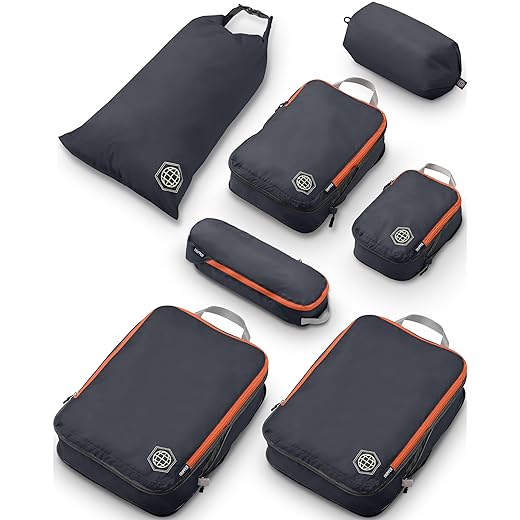
Compression packing cubes are soft zippered organizers that shrink your clothes and gear to save space in your suitcase or backpack. They work like standard packing cubes, but they have a second zipper around the edge. Once you load the cube and zip it closed, you run that second zipper to squeeze out extra air and tighten everything into a flatter, denser block.
Unlike plastic compression bags that you roll or vacuum, compression packing cubes are usually made from lightweight fabric, often ripstop nylon or polyester. They are designed to be opened and closed frequently, hold a variety of items, and slot neatly into carry ons, checked suitcases, and travel backpacks.
You get a hybrid of space saving and organization in one simple tool. Your clothes stay grouped by type or person, you can grab what you need quickly, and you often gain enough room for an extra outfit or two.
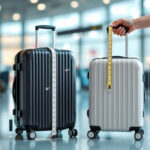
Compare compression packing cubes vs other options
Before you invest in compression cubes, it helps to see how they compare to regular cubes and compression sacks or bags you might already own.
Compression cubes vs regular packing cubes
Regular packing cubes organize your gear but do not actively shrink it. Compression cubes do both.
The key differences are:
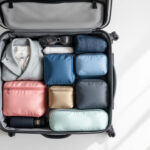
- Compression zipper: Compression cubes have that extra zipper around the sides. When you pull it closed, the cube flattens and tightens.
- Space savings: You can usually squeeze a bit more into the same footprint because excess air is forced out and soft fabrics are compressed together.
- Wrinkle risk: Since your clothes are packed tighter, they are more likely to wrinkle if you overload the cube.
- Zipper stress: Overstuffing puts more tension on the compression zipper, so quality hardware matters.
If your main frustration is mess, regular best packing cubes may be enough. If it is space, compression cubes are worth a look.
Compression cubes vs compression bags and sacks
Compression packing cubes also sit in between traditional packing cubes and heavier duty compression sacks or bags.
- Plastic compression bags use rolling or vacuum suction to squeeze out air. They are great for bulky items like winter jackets, but they crinkle, can split, and are awkward for daily access.
- Fabric compression sacks and stuff sacks are common in camping and backpacking. They use straps or cords to reduce volume dramatically, which is perfect for sleeping bags or puffy jackets.
Compression cubes, by contrast, are built to organize clothes, electronics, and smaller travel items while still saving space. They open with a zipper, so you can see everything at once, and you do not need a vacuum or a lot of effort to compress them.
According to a 2024 guide from Outside Online, compression packing cubes shine when you are condensing loose items like socks and underwear inside your suitcase rather than only focusing on maximum vacuum style compression for a single bulky item.
Decide when you should use compression cubes
Compression packing cubes are not ideal for every item or every trip. You get the best results when you match them to the right situations.
Great use cases
Compression cubes are especially helpful when you:
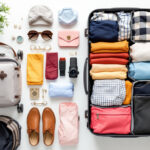
- Have limited space, like when you rely on packing cubes for carry-on luggage only
- Pack softer clothing like t shirts, underwear, leggings, and activewear that compress easily
- Share a suitcase with a partner or kids and want clear separation
- Move frequently as a digital nomad or backpacker and need a system that stays tidy
- Want to pack a few “just in case” outfits without upgrading to a larger bag
Families often use one color cube per person so outfits do not get mixed up. Frequent business travelers can dedicate one small compression cube to workout clothes and another to sleepwear, so the rest of the bag stays focused on work outfits.
When to skip compression
Compression cubes are less helpful or even counterproductive when you are:
- Packing structured items like blazers that need shape
- Carrying extremely bulky gear like thick sweaters or big down jackets
- Worried about deep wrinkles in formalwear
- Already close to a strict weight limit, such as on small regional airlines
For very bulky pieces, a dedicated compression sack like the Osprey StraightJacket Compression Sack or the Sea to Summit Ultra Sil Compression Sack may work better. Both are designed to drastically reduce volume for soft gear and have a higher compression “rating” in testing by gear review sites such as Pack Hacker.
Learn how compression packing cubes actually work
Understanding how compression cubes are built will help you choose better ones and use them correctly.
Construction and materials
Most quality compression cubes share a few design details:
- Outer shell: Lightweight ripstop nylon or polyester that resists tearing and often has some water resistance.
- Mesh panels: A mesh section on top so you can see what is inside and let damp items breathe.
- Standard zipper: A zipper that fully opens the main compartment for packing.
- Compression zipper: A second zipper that runs around the edges and cinches down when closed.
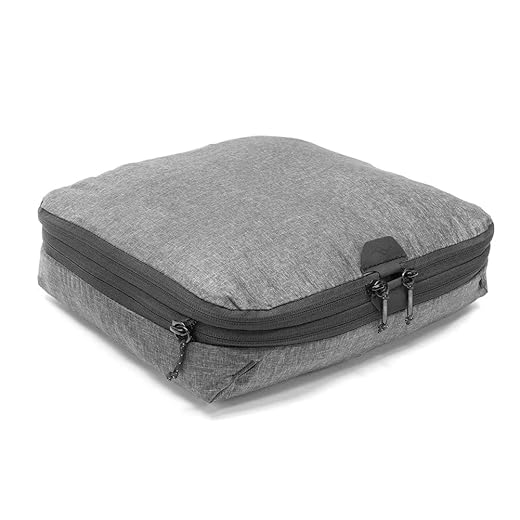
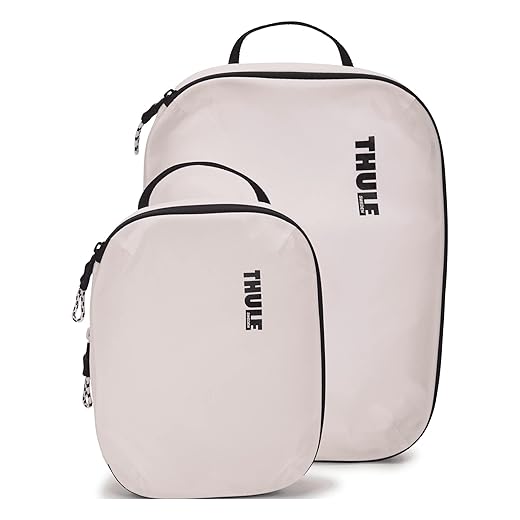
Some brands fine tune this design. The Thule Compression Cubes, for example, use durable ripstop nylon and dependable YKK zippers, which testers praise for holding up to frequent trips and higher compression. Peak Design Packing Cubes use a combination of nylon, polyester, and Hypalon with a unique quick access opening and a side structure that keeps its shape when zipped.
How compression is measured
There is no universal compression scale, but some reviewers rate how effectively different products reduce volume. Pack Hacker, for instance, tested compression cubes using the same weekend clothing load and then assigned a rating from 1 to 10 based on how much the cubes shrank that load, the quality of zippers, the feel of the materials, and real world usability right out of the box.
Products like the Thule Compression Cubes and Osprey StraightJacket Compression Sack scored about a 7 on this scale, indicating strong compression performance with practical durability. Budget options like Gonex Compression Packing Cubes scored around a 5, so you still get space savings, but with more modest materials and zippers.
Choose the right size and style for your trips
You have lots of size and style choices. The easiest way to begin is to think about your typical trip and work backward.
Pick your sizes by trip type
A simple starting setup is:
- One large compression cube for bottoms and layers
- One or two medium cubes for tops
- One small cube for underwear, socks, and sleepwear
Travel experts recommend having at least three different sizes so you can group big clothing, shoes, and small items separately and keep clean and dirty clothes apart on multi stop trips.
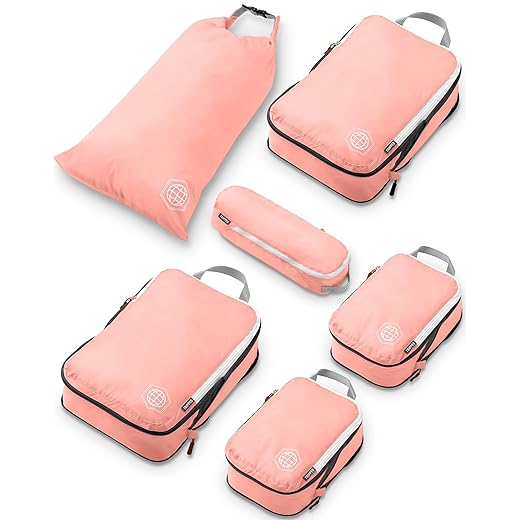
If you mostly take weekend trips, a focused “weekender” style set is plenty. Triped Travel Gear, for example, sells a Weekender Set with two compression cubes designed for three to five days of outfits, a Carry On Set with six cubes for five to ten days, and a Checked Set with seven cubes for a week or two of travel that includes bulkier clothing. Their sets give a sense of how different sizes map to trip length.
Think about how you pack
Your habits should guide your choices:
- If you roll clothes, look for cubes with a bit of depth so rolls fit neatly side by side.
- If you prefer folding, flatter cubes with more structure may feel tidier.
- If you are a last minute packer, a simple zip around style cube is easier than complex strap systems.
If you tend to overpack, choose cubes that are slightly smaller than you think you need. This naturally limits what you bring, which helps both organization and weight.
Compare popular compression packing cubes
With so many options, it helps to see how a few well regarded cubes stack up. The specifics below come from user feedback and third party gear reviews, especially in depth testing on Pack Hacker and Outside Online.
| Product | Best for | Highlights | Potential drawbacks |
|---|---|---|---|
| Thule Compression Cubes | Frequent flyers and business travelers | Durable ripstop nylon, YKK zippers, strong compression score | Higher price than budget options |
| Peak Design Packing Cubes | Design focused travelers, photographers | Structured sides, quick access design, quality materials | Gaps around zippers can let in water, premium pricing |
| Eagle Creek Specter / Isolate Cubes | Lightweight travelers and backpackers | Very light, durable, recycled or eco fabrics, good compression | Less structure, can feel floppy in larger suitcases |
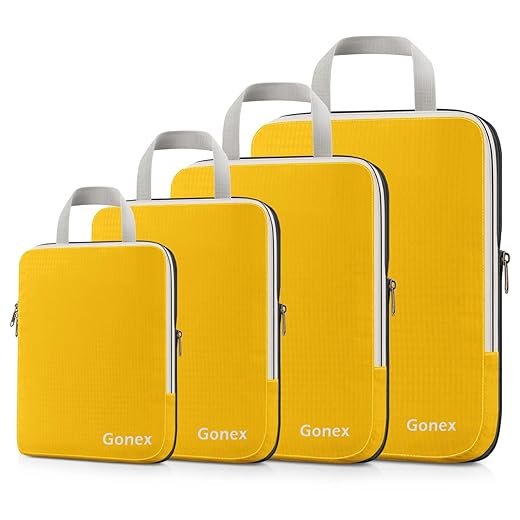
| Gonex Compression Packing Cubes | Budget conscious or first time cube users | Set of 4, affordable, good starter option | Non branded zippers, lighter fabric that may wear faster |
| Triped Travel Gear Compression Cubes | Families and organized planners | Multiple trip length sets, machine washable, strong but light ripstop nylon, satisfaction guarantee | Less widely reviewed than long established travel brands |
| Yeti Crossroads Packing Cubes | Rough use, adventure travel | Tough materials and zippers, washable, good long term durability | Heavier than ultralight options |
Thule Compression Cubes and Osprey StraightJacket Compression Sacks both earned higher compression scores in Pack Hacker testing, about a 7 out of 10, which means they compress well without becoming overly fiddly. Gonex cubes, at around a 5, offer more modest compression with the trade off of lighter, less durable fabric.
If you travel often and want something that will last, it usually pays to skip the absolute cheapest sets and look at mid range or premium options. For occasional trips or if you are cube curious, a budget friendly set can still dramatically improve how your bag feels to live out of.
Match compression cubes to your travel style
How you use compression packing cubes will look different depending on your kind of travel. Here is how to tailor them.
First time international travelers
When you take your first big international trip, your luggage often holds everything from chargers to snacks. Compression cubes bring order to that chaos.
Try this setup:
- One medium compression cube for day to day clothes
- One small cube for underwear and socks
- One small or medium cube for sleepwear and loungewear
Label each cube or pick different colors, and always put items back into the same cube. This habit makes it much easier to find what you need in a new hotel or hostel when you are jet lagged.
You can also pair compression cubes with packing cubes for electronics so your cords, adapters, and gadgets stay separate from clothes.
Frequent business travelers
If you fly regularly for work, your priority is a smooth, predictable packing routine that fits within airline carry on rules. Tight compression helps you get a full work wardrobe into a smaller suitcase so you do not have to check a bag.
You might:
- Use a medium compression cube just for gym clothes so they do not invade your work outfits
- Dedicate another small cube for sleepwear and casual lounge clothing
- Keep shirts and blazers lightly folded outside of compression cubes to reduce wrinkles
Compression cubes can also create a distinct separation between “onsite” outfits and “travel home” outfits, which makes packing back up at the end of the trip much easier.
Backpackers and digital nomads
When you carry everything on your back, every cubic inch counts. You want lightweight packing cubes that are as durable as possible.
For a backpacking or digital nomad setup:
- Choose ultralight cubes like Eagle Creek Isolate or similar models that prioritize low weight and packability
- Compress soft items like t shirts and underwear, but leave at least one cube less compressed for clothes you pull from daily
- Use different colors or patterns so you can grab the right one quickly from a top loading pack
You can also combine a fabric compression sack for your bulkiest jacket with one or two compression cubes for core clothing. This hybrid approach gives you the best balance of weight, flexibility, and access.
Family and group travel
Packing multiple people into one or two suitcases can get messy fast. Compression cubes help you clearly divide who owns what while also creating more space.
Ideas that work well:
- Assign each family member their own color cube set
- Use one compression cube per person for outfits and a shared cube for pajamas or swimwear
- Keep a dedicated cube labeled “next stop” that holds everyone’s clothes for the next destination
Triped Travel Gear’s trip length sets can be useful for families since you can assign different cube sizes to different people and trips. Their machine washable fabric makes it easy to clean cubes if they pick up spills or dirt in transit.
Pack compression cubes like a pro
How you load your compression cubes has a big impact on both space saving and wrinkling. Thoughtful packing can make them feel like a tailored system instead of just stuff sacks.
Rolling vs folding vs bundle wrapping
There is no single right way, but these general guidelines help:
- Roll thin, soft items like t shirts, leggings, and underwear. These pieces compress beautifully and resist wrinkles.
- Fold but do not compress structured items like button downs or dress pants, or keep them outside compression cubes entirely.
- Use a simple bundle wrap for a few nicer pieces: lay them flat, stack with arms alternating, place a soft item such as a t shirt in the center, then fold everything around that core.
Inside the cube, aim for a flat, even surface. Avoid a single big bump in the middle, which makes the compression zipper work harder and wear out faster.
Avoid overstuffing
It is tempting to pack as much as you possibly can into each cube. That usually backfires for three reasons:
- The compression zipper is more likely to snag or break.
- Clothes wrinkle more deeply and take longer to relax once you arrive.
- The cube becomes so rigid that it is harder to nest into your suitcase neatly.
Users who love compression cubes often note that they compress best when packed evenly and somewhat loosely, rather than crammed full. Think of compression as a finishing step, not a magic solution for extreme overpacking.
Squeeze more space without extra wrinkles
A few small habits help you get the benefits of compression without feeling like you unpacked a pile of crumpled fabric:
- Sort by fabric type. Put similar fabrics together so they compress at the same rate.
- Place more wrinkle prone items at the top and compress lightly, or leave that section uncompressed.
- Zip standard closure first, then gently press down and run the compression zipper slowly around the cube, checking for snags.
If you are worried about a specific outfit, keep it in a standard cube or fold it flat above the compression cubes in your bag. You can use packing cubes for suitcase organization overall, and reserve compression just for the items that can handle it.
Choose features that really matter
Once you have decided that compression packing cubes fit your travel style, you will see a lot of marketing language. Focus on a few key features and you will avoid overpaying for gimmicks.
Zippers and hardware
Zippers are the most stressed part of any compression cube, so pay attention here.
Look for:
- Branded zippers such as YKK, which gear reviewers like Pack Hacker consistently favor for reliability
- Smooth, double sided pulls so you can open from either end
- Clean stitching around zipper tape to prevent snags
Budget sets like Gonex cubes use non branded zippers and lighter material. Reviewers note that these can catch or feel less robust. For an occasional trip they might be fine, but frequent travelers will likely want more durable hardware.
Materials and weight
The best compression cubes balance strength with low weight.
Options range from:
- Lightweight ripstop nylon, often used in Eagle Creek Specter and Isolate cubes, which delivers good durability without much bulk
- Heavier, tougher weaves in options like Yeti Crossroads Packing Cubes, which hold up to years of abuse but weigh a bit more
- Water resistant or water repellent fabrics that help protect clothes from small spills or damp conditions
Triped Travel Gear uses water resistant ripstop nylon that reviewers describe as strong yet extremely light, and their cubes are machine washable, which is handy if you travel often or pack for kids.
Extras: handles, mesh, and eco features
Not every extra is worth paying for, but some really improve day to day use:
- Handles: Packing cubes with handles are easier to grab from deeper suitcases or overhead bins. They can also double as makeshift tote bags at your destination.
- Mesh panels: These help you see what is inside at a glance and let damp clothing, like a swimsuit, breathe. Eagle Creek’s Pack It Isolate Compression Cubes use ocean recycled, water resistant fabric that still manages to handle wet items like bathing suits well.
- Eco claims: If sustainability matters to you, look for eco friendly packing cubes that use recycled or bluesign approved materials, such as the recycled 40D high tenacity nylon in the Osprey StraightJacket Compression Sack.
Balance budget and durability
Compression cubes can cost anywhere from a budget set of four for the price of a single lunch to premium cubes that rival small luggage.
When budget cubes are enough
If you are:
- Testing compression cubes for the first time
- Packing just a few times a year
- Primarily concerned with organization more than long term durability
then affordable packing cubes like the Gonex set can make sense. They usually include a mix of sizes, and if a zipper fails after some use, you have still gotten a lot of value for a low price.
When to invest more
Consider stepping up to higher quality cubes if you:
- Fly or travel by train multiple times a year
- Regularly live out of a suitcase for weeks at a time
- Have had zippers fail or seams rip on cheaper gear
Mid and high end products from brands like Thule, Peak Design, Eagle Creek, and Yeti are designed for this level of use. They use sturdier fabric, more reliable zippers, and thoughtful details that make packing and unpacking smoother.
In Pack Hacker’s testing, these kinds of cubes often compress more effectively on top of lasting longer, which means you get both immediate and long term value.
Combine compression cubes with other packing tools
Compression cubes rarely work alone. For the most flexible and efficient setup, think of them as part of a simple system.
You might combine:
- One or two compression cubes for soft everyday clothing
- Standard durable packing cubes for heavier or more structured items
- A dedicated compression sack like the Osprey StraightJacket for a winter jacket or sleeping bag
- Waterproof packing cubes or dry bags for toiletries and very wet gear
If you travel with laptops, cameras, and chargers, separate those into packing cubes for electronics. Keeping cables away from clothing makes security checks and workspace setups much easier.
On camping or road trips, packing cubes for camping and packing cubes with compression zippers can ride in duffel bags or car trunks without exploding into chaos every time you open them.
Start with a simple compression packing cube setup
You do not need an entire closet of organizers to feel the difference compression packing cubes make. A simple starter system can transform your next trip.
For a typical week long journey with carry on only, try:
- 1 large compression cube: Jeans, pants, light sweaters, or hoodies
- 2 medium compression cubes: One for tops, one for gym wear or sleepwear
- 1 small compression cube: Underwear, socks, and accessories
Add or subtract cubes based on your luggage size and whether you are sharing space. Layer them like bricks in your suitcase so the surfaces are mostly flat, and put items you need first, such as a change of clothes for arrival, on top.
You can dive deeper into specific options and read real world packing cube reviews to refine your choices, or explore specialized picks such as packing cubes for carry-on luggage and lightweight packing cubes if you know exactly how you like to travel.
With just a few compression packing cubes in your bag, you will spend less time rummaging and more time enjoying the trip itself.
FAQs
Do compression packing cubes actually save space?
Yes—especially with soft clothing that traps air (T-shirts, socks, underwear, activewear). They reduce “dead space” so the same suitcase volume fits more usable items.
Do compression cubes cause wrinkles?
They can if you overstuff or compress structured fabrics. Rolling soft items and compressing evenly reduces wrinkle risk. Keep blazers and dress shirts lightly folded outside compression.
Compression cubes vs vacuum bags: which is better?
Vacuum/roll bags maximize compression for bulky items but are annoying for daily access. Compression cubes are better for frequent opening, organization, and “pack like drawers” usability.
How many compression cubes do I need for carry-on travel?
A great starter set is 1 large + 2 medium + 1 small. That covers bottoms/layers, tops, gym/sleepwear, and underwear/socks.
Should I buy cheap or premium compression packing cubes?
If you travel a few times a year, budget sets can work. If you travel often, invest in stronger zippers and better stitching—compression hardware takes stress.
Can I use compression cubes in a travel backpack?
Absolutely. Pick lighter, lower-structure cubes if you use a top-loader. Color-coding helps you grab the right cube fast.