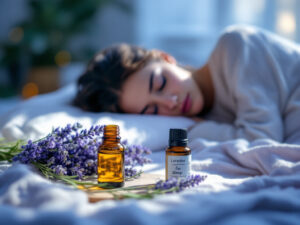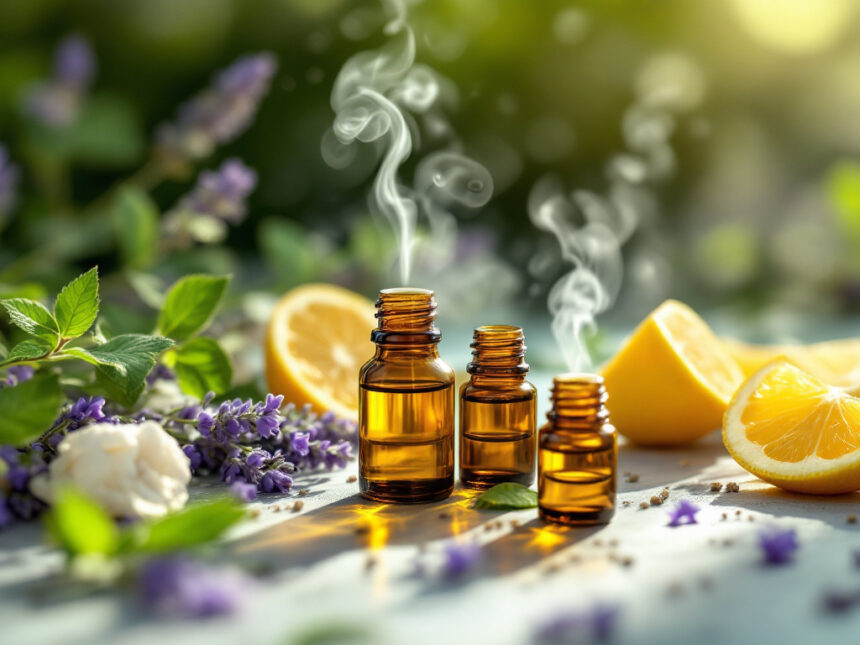
Essential oils can make an ordinary day feel more intentional: calmer mornings, steadier nerves, a fresher home, and a better wind-down at night. But the real essential oils benefits start when you know what they are, what they can (and can’t) do, and how to use them safely.
This guide breaks down practical, everyday wins—mood support, sleep rituals, minor comfort, skin and hair routines, and home care—plus beginner-friendly oils like lavender, peppermint, citrus, and frankincense.
You’ll learn simple ways to diffuse, dilute, and patch test, so you can enjoy the aroma without irritation, overwhelm, or risky shortcuts for you safely.
What essential oils are and how they work
If you are curious about essential oils benefits but not sure where to start, you are not alone. Essential oils are concentrated plant extracts made from leaves, flowers, bark, roots, seeds, or rinds. They capture the plant’s aroma and many of its active compounds in a very small, very strong liquid.
You usually use essential oils in one of three ways: you inhale them, you apply them to your skin in a carrier oil, or you add them to products like bath salts or creams. When you inhale essential oils, tiny molecules travel through your nose to the olfactory system and into the limbic system, the part of your brain that helps regulate mood, emotions, heart rate, and stress responses.
On your skin, diluted essential oils can interact with local tissues and may be absorbed into your bloodstream. This is why you need to dilute properly and treat them with the same respect you would give any strong active ingredient.
Essential oils are not a cure for specific medical conditions and research is still evolving, but when you use them correctly they can be a helpful tool to support relaxation, comfort, and small everyday rituals.
Think of essential oils as one piece of a wellness toolkit, alongside good sleep, movement, hydration, and medical care when you need it.
Key essential oils benefits for everyday life
Essential oils benefits fall into a few broad categories. Some are emotional, some are physical, and some are simply about making your home feel calmer and more inviting.
Mood, stress, and sleep support
Several human and animal studies suggest that certain oils can help ease feelings of stress and low mood and support better rest. Integrative medicine specialist Yufang Lin, MD, notes that essential oils may improve mood, reduce stress, lessen pain, and support sleep when used safely.
Through inhalation, oils like lavender and bergamot appear to:
- Calm the sympathetic nervous system, which is responsible for the fight or flight response
- Reduce stress hormone cortisol levels in some groups, including pregnant women and patients undergoing chemotherapy
- Lower blood pressure and respiratory rate during anxiety and panic in some studies
Research discussed by Solara Mental Health notes that lavender, lemon, and ylang ylang can increase brain levels of serotonin and dopamine and may upregulate BDNF, a protein linked to brain health and mood support. These effects are likely why many people notice they feel more relaxed or balanced when using essential oils for stress relief and relaxation.
If you want to explore this more deeply, you can read about essential oils for anxiety, essential oils for stress relief, and essential oils for relaxation.
For sleep, lavender is the most researched oil. In one study, older adults with dementia slept longer in the morning after lavender was sprinkled on towels around their pillows, suggesting a real impact on sleep quality. You can also explore the best essential oils for sleep if better rest is your top priority.
Physical comfort and symptom relief
Essential oils are not a replacement for medical treatment, but some can offer gentle relief for everyday discomforts:
- Pain and muscle tension. Lavender and frankincense have shown anti inflammatory and analgesic properties in some studies, which may contribute to comfort for minor aches or muscle soreness. You can learn more in guides on essential oils for pain relief and essential oils for muscle pain.
- Headaches. Peppermint oil applied topically in a carrier oil is often used along the temples or neck for tension headaches. See essential oils for headaches for step by step ideas.
- Nausea. Inhalation of ginger vapors has helped reduce nausea associated with chemotherapy in some patients. You can read more in essential oils for nausea.
- Inflammation and swelling. Oils such as frankincense, lavender, and some spice oils show anti inflammatory and antioxidant effects in laboratory and animal studies, which may be one reason they feel soothing on minor skin inflammation or joint discomfort. See essential oils for inflammation and essential oils for arthritis for more detailed discussion.
Always keep expectations realistic. Essential oils may take the edge off some symptoms or support other treatments, but they will not treat the root cause of a serious condition.
Immune support and antimicrobial properties
Some essential oils show interesting immune and antimicrobial effects in research settings. For example:
- Eucalyptus oil increased the activity of immune cells called macrophages without raising inflammatory cytokines in a 2019 in vitro study
- In mice, clove oil increased white blood cells and restored certain immune responses in immunosuppressed animals, while ginger oil improved humoral immunity
- Aromatherapy massage with lavender increased salivary IgA, an immune marker, in pregnant women, and other trials found increases in lymphocytes, including CD8 T cells and NK cells, after essential oil massage
- Forest bathing, where people inhale tree derived essential oils in forests, significantly increased NK cell activity and numbers, and the effects lasted more than seven days in some groups
At home, this does not mean diffusing essential oils will prevent you from getting sick. It does suggest that occasional, thoughtful use can be one supportive piece for overall well being and immune health, especially when combined with rest, nutrition, movement, and medical advice.
Tea tree oil in particular has shown antibacterial and antifungal properties. In some studies it has been as effective as prescription antifungal creams for certain foot infections and has activity against MRSA bacteria. Because tea tree can be irritating and may have hormone disrupting effects in young boys, you should only use it well diluted, and avoid diffusing it around small children and pets.
Skin, hair, and beauty benefits
Used correctly, essential oils can add a targeted boost to your skin and hair routines:
- Skin clarity and balance. Tea tree oil is a popular option for blemish prone skin because of its antimicrobial properties. For gentle, stepwise guidance, visit essential oils for acne as well as essential oils for skin care.
- Dry or reactive skin. Some oils like chamomile, frankincense, and lavender may feel soothing on dry, irritated, or aging skin when properly diluted. You can explore essential oils for eczema and essential oils for psoriasis for more details.
- Cold sores and minor skin concerns. Certain oils show antiviral or soothing properties in lab studies and traditional use. If this is a concern, see essential oils for cold sores.
- Hair and scalp. Rosemary, peppermint, and other oils are often used to support a feeling of scalp circulation and hair vitality. Learn more with essential oils for hair growth.
Because your skin is a barrier but not a suit of armor, always dilute essential oils and patch test carefully before applying them more widely.
Home, cleaning, and lifestyle rituals
Essential oils benefits extend beyond your body and into your daily environment:
- Aromatherapy. Diffusing a few drops of oil in water or using an inhaler stick lets you enjoy scent driven mood support without touching your skin. You can explore essential oils for aromatherapy and essential oils diffuser blends for inspiration.
- Cleaning. Citrus, eucalyptus, tea tree, and many other oils smell fresh and can be added to homemade cleaners to boost scent and cleaning power. Their antimicrobial effects in real life are limited in time, usually around 30 to 60 minutes after evaporation starts, so you should not rely on them alone for disinfection. See essential oils for cleaning for recipes that pair them with proven cleaning agents.
- Laundry. A few drops in wool dryer balls or homemade fabric spray can leave clothes smelling clean without synthetic fragrance. Start with essential oils for laundry to learn how to do this safely.
- Insect care and outdoor comfort. Oils such as citronella, lemongrass, and eucalyptus are widely used in natural mosquito sprays. For ideas, see essential oils for mosquito repellent and essential oils for insect bites.
These simple routines can turn everyday chores into calming rituals, as long as you keep safety in mind and avoid overdoing diffusion, especially in small or unventilated rooms.
Best beginner essential oils and what they do
If you are new to essential oils, you do not need a huge collection. Start with one to three versatile oils that cover your top goals.
Lavender: Your all round relaxer
Lavender is often called a starter oil for a reason. Research and long traditional use suggest that lavender may:
- Reduce feelings of stress and anxiety
- Support sleep quality
- Provide mild pain relief
- Soothe minor skin irritation and insect bites
- Offer antioxidant and anti inflammatory effects in lab studies
Lavender essential oil has been shown to improve sleep in older adults with dementia and to lower cortisol levels in diverse groups when used in aromatherapy. It is also central to many protocols for essential oils for stress relief and essential oils for relaxation.
Use it in a diffuser at night, add a few drops to a carrier oil for a relaxing massage, or mix it into a simple bath blend. You can also explore best essential oils for sleep for lavender centered sleep ideas.
Peppermint: Focus, freshness, and comfort
Peppermint essential oil has a cool, minty scent that many people associate with clarity and energy. It is often used to:
- Support focus and alertness when inhaled
- Ease tension headaches when diluted and applied topically
- Offer a cooling sensation on sore muscles
- Help some people with feelings of motion sickness or mild nausea when used in aromatherapy
Because it is strong, it can be irritating to sensitive skin and should not be used near the faces of young children. Check essential oils for headaches and essential oils for nausea for safe, simple ways to experiment.
Sweet orange or citrus: Uplift and refresh
Citrus oils like sweet orange, lemon, and grapefruit are known for their bright, cheerful scent. Research cited by WebMD notes that orange essential oil reduced anxiety in volunteers who inhaled a small number of drops.
You might enjoy orange or another citrus oil for:
- Morning diffuser blends that feel uplifting
- Adding to cleaning sprays for a fresh scent
- Supporting digestion rituals, like a pre meal deep breath, through aromatherapy
Avoid using citrus oils undiluted on skin and never apply them right before sun exposure, since some, especially cold pressed varieties, can increase your sensitivity to UV light.
Frankincense: Grounding and soothing
Frankincense has an earthy, resinous aroma that many people find grounding. Research suggests it may:
- Reduce inflammation
- Improve mood and sleep
- Support gum and oral health in some formulations
- Help ease asthma symptoms in certain studied groups
You should always dilute frankincense before applying it to your skin. It pairs well with lavender in calm, meditative diffuser blends or in gentle massage oils. For tension and soreness, you can explore it alongside other options in essential oils for pain relief and essential oils for inflammation.
Everyday ways to use essential oils
Once you understand essential oils benefits, the next step is learning practical ways to fold them into your day.
Simple aromatherapy rituals
Aromatherapy is one of the gentlest entry points, especially if your household has kids, pets, or sensitivities. A few ideas:
- Add 3 to 5 drops of a single oil or blend to an ultrasonic diffuser with the recommended amount of water
- Place one drop of oil on a cotton ball, then keep it nearby on your desk for intermittent inhalation
- Use a personal inhaler stick when you need a private moment of calm or focus
You can explore more ideas and blends in essential oils for aromatherapy and essential oils diffuser blends.
For safety, run diffusers for 15 to 30 minutes at a time, then take a break. Continuous all day diffusion can reduce effectiveness and may increase the risk of respiratory irritation, especially in small or poorly ventilated spaces.
Massage, bathing, and body care
Topical use lets you pair scent with touch, which can be especially relaxing. Popular options include:
- Massage oils. Combine a few drops of essential oil with a carrier like jojoba, sweet almond, or fractionated coconut oil. See essential oils for massage for dilution ideas.
- Bath soaks. Mix essential oils with a carrier oil or an unscented bath salt before adding to water, so the oils disperse evenly. Visit essential oils for bathing for safe combinations.
- Spot care. Use diluted blends on small areas like temples for tension, abdomen for menstrual discomfort, or joints for mild soreness.
You will find step by step dilution and usage guidelines in how to use essential oils and how to dilute essential oils.
Cleaning, laundry, and home care
If you aim for a fresher home without synthetic fragrances, essential oils can help:
- Add a few drops of lemon, lavender, or tea tree to a vinegar based spray for counters and sinks, following guidance in essential oils for cleaning
- Place 2 to 3 drops of your favorite oil on wool dryer balls as described in essential oils for laundry
- Create a room spray with water, a little alcohol or witch hazel, and a simple oil blend
Remember that, according to the American Lung Association, essential oils are not a substitute for proven disinfectants and their antimicrobial vapors tend to be short lived, usually only 30 to 60 minutes. Focus on them for scent and light support, rather than full disinfection.
Skin, hair, and targeted blends
Once you are comfortable with the basics, you can mix simple blends for skin or hair:
- A diluted tea tree and lavender roll on for occasional blemishes, as outlined in essential oils for acne
- A scalp massage mix with rosemary and peppermint in a nourishing carrier oil from essential oils for hair growth
- A soothing balm for dry patches inspired by essential oils for eczema or essential oils for psoriasis
For more combination ideas, visit essential oils recipes. Always introduce new blends slowly and patch test first.
Safety first, especially with kids, pets, and sensitivities
Essential oils are natural, but they are also powerful and highly concentrated. Used carelessly, they can cause problems. The most common issues include skin irritation, allergic reactions, hormone disruption in specific scenarios, and respiratory irritation.
Dilution guidelines and patch testing
To lower your risk of reactions:
- Keep essential oils at a 1 to 5 percent concentration in carrier oils for most adult topical use
- For sensitive skin, older adults, and most facial applications, aim for 0.5 to 1 percent
- For children, only use child safe oils and age appropriate dilutions and talk with a pediatrician first
Undiluted application is a major cause of rashes and burns. In more serious cases, accidental ingestion has led to muscle control loss and even coma, which is why all essential oils should be stored out of reach of children and pets.
Before using a new oil, dilute it and apply a small amount to your inner forearm. Wait 24 hours to see if any redness, itching, or discomfort appears.
You can find clear, practical ratios and charts in how to dilute essential oils.
Household cautions for kids, pets, and lung conditions
A few safety points are especially important for safety first households:
- Avoid diffusing tea tree and some other oils around small children and pets, due to potential neurotoxicity and hormone disrupting effects reported in some cases
- Some studies associate daily inhalation of diffused oils for an hour or more with increased heart rate and blood pressure and decreased lung function, especially in people with asthma or other lung conditions
- The American Lung Association advises against adding essential oils to the air for individuals with asthma or COPD, and suggests focusing on clean air and following medical advice instead
If anyone in your home has asthma, COPD, or is very young, very old, pregnant, or has complex health conditions, speak with a healthcare provider before starting aromatherapy. Ventilate rooms well and keep diffusing sessions short, or skip diffusion altogether for high risk individuals.
Medication interactions and hormone concerns
Because essential oils are complex mixtures of active molecules, they can interact with medications and hormone systems:
- Peppermint and eucalyptus oils may affect absorption of certain medications through the skin, including the chemotherapy drug 5 fluorouracil, which is why medical guidance is important if you are in treatment
- Some reports link lavender and tea tree oil with hormone related changes, such as temporary breast tissue growth in prepubescent boys, likely due to endocrine disrupting activity in specific circumstances
If you are pregnant, breastfeeding, on multiple medications, or in cancer treatment, always discuss essential oil use with your medical team before you begin.
Choosing quality oils and building a simple routine
With so many products available, it can be hard to know what is worth buying. A simple framework keeps it approachable.
What to look for in essential oils
You do not need the most expensive bottle, but you do want transparency and quality. Look for:
- Botanical name and plant part clearly printed on the label
- Country of origin and extraction method
- A note that the oil is intended for aromatherapy or topical use, not for internal use
- Testing information, such as GC/MS reports, available from the brand
You can learn more about quality markers in therapeutic grade essential oils.
A starter routine for everyday benefits
To keep things simple, you might:
- Choose 1 to 3 oils that match your goals, such as lavender for sleep and stress, peppermint for focus and tension, and sweet orange for daytime uplift.
- Set up one aromatherapy habit, like diffusing lavender for 20 minutes before bed, a few nights a week.
- Create one topical blend, such as a lavender and frankincense body oil, using guidance from how to use essential oils.
- Add one home care use, like a citrus scented all purpose spray from essential oils for cleaning or a laundry routine from essential oils for laundry.
As you notice which essential oils benefits you enjoy the most, you can gradually experiment with more focused recipes, such as essential oils for headaches, essential oils for anxiety, or essential oils for bathing.
When essential oils are not the right tool
It is just as important to know when to skip essential oils as when to reach for them. You should avoid or pause essential oil use and seek medical help if:
- You or a family member has sudden or severe symptoms, such as chest pain, difficulty breathing, high fever, confusion, or uncontrolled pain
- A skin reaction appears after using an oil, such as hives, blistering, or swelling of the face or throat
- A child or pet may have ingested essential oil, even a small amount
Essential oils can support mood and comfort, but they are not designed to diagnose, treat, cure, or prevent medical conditions. If you are ever unsure, it is always safer to ask a healthcare professional first.
Bringing essential oils into your everyday life
Used thoughtfully, essential oils benefits can touch many corners of your day. A calming diffuser blend before bed, a lavender scented bath after a long week, or a bright citrus spray that makes cleaning feel a little more uplifting can all become simple, grounding rituals.
You do not need a large collection or complicated routines. Start with one oil, one use, and see how you feel. As you gain confidence with safe dilutions and your body’s responses, you can build a small, reliable toolkit that fits your home, your health needs, and your personal preferences.
FAQs
Are essential oils actually proven to work?
Some uses (like relaxation routines and symptom comfort) have supportive evidence, but results vary. Treat them as complementary, not curative.
Can I apply essential oils directly to my skin?
It’s safer to dilute and patch test first. Direct application is a common cause of irritation or rash.
Is it safe to ingest essential oils in water or tea?
Authoritative medical guidance advises not to ingest essential oils casually. Ingestion can be toxic and increases poisoning risk.
Are essential oils safe for kids?
Kids are at higher risk from accidental exposure/ingestion. Store oils securely and be extra cautious with diffusion and topical use.
What if I have asthma or COPD—can I diffuse oils?
Use caution. Lung health guidance recommends discussing risks/benefits with a healthcare professional first.
Are lavender and tea tree oils “hormone disruptors”?
There are case reports and lab findings suggesting hormone-like activity in specific scenarios, but reviews also note limits and uncertainty. Use thoughtfully, especially with children.
How do I choose a quality essential oil?
Look for clear labeling (botanical name, plant part), sourcing, extraction method, and accessible testing (e.g., GC/MS) from the brand. (Your article mentions this—keep it.)