Aromatherapy can look a little mysterious from the outside. Tiny bottles, big promises, and lots of conflicting advice. If you are new to essential oils for aromatherapy, you probably just want a short list of safe, versatile oils and a few clear ways to use them for calm and clarity at home.
This guide walks you through the best essential oils for aromatherapy, how they work, and how to use them safely around kids, pets, and sensitive noses. You will also find simple diffuser ideas and topical tips you can try tonight.
Before you start, remember that essential oils are not medicines and they do not replace care from a qualified health professional, especially for anxiety, depression, PTSD, or chronic illness. Think of them as one useful tool in a broader self care kit.
What aromatherapy is and how it affects your mood
When you use essential oils for aromatherapy, you are working mostly through your sense of smell. The aromatic molecules hit the olfactory receptors in your nose and send signals to areas of your brain that help regulate emotion, stress responses, memory, and even heart rate and breathing.
Researchers have found that inhaling certain essential oils can:
- Influence the limbic system, the part of your brain that helps process fear, pleasure, and emotional memories
- Modulate neurotransmitters involved in mood, such as serotonin, dopamine, and GABA
- Potentially shift stress hormones and support a calmer nervous system
For example, lavender and bergamot oils have shown therapeutic effects for symptoms of anxiety, depression, and stress when inhaled, likely through effects on monoamines and neurotrophic factors that support brain health in animal and human studies reviewed up to 2021. In some studies, blends that include lavender, sweet orange, and bergamot increased blood levels of serotonin and brain derived neurotrophic factor, which correlated with reductions in stress and low mood.
Aromatherapy will not erase a hard day, but it can help your body downshift from “fight or flight” to a more relaxed state, which often makes it easier to rest, focus, and sleep.
If you want a broader overview of what essential oils can do, you can explore more essential oils benefits once you feel comfortable with the basics.
Safety first when using essential oils for aromatherapy
Because essential oils are highly concentrated plant extracts, a little goes a long way. Used correctly, they can be part of a gentle, supportive routine. Used carelessly, they can irritate skin and airways or be toxic to kids and animals.
Most integrative practitioners agree on a few core safety principles, which match guidance from experts like Dr. Yufang Lin at the Cleveland Clinic and medical summaries on WebMD:
- Always dilute oils before applying them to your skin. Most people do well with a 1 to 3 percent dilution, which is roughly 1 to 3 drops of essential oil per teaspoon of carrier oil like jojoba, grapeseed, or fractionated coconut.
- Do not apply essential oils to broken, damaged, or inflamed skin, because your skin can absorb a higher dose and react more strongly.
- Avoid ingesting essential oils unless you are working directly with a trained and qualified practitioner.
- Keep undiluted oils out of reach of children and pets.
- Some oils, such as tea tree, eucalyptus, and peppermint, are not recommended in diffusers around small children or certain animals because of potential respiratory and neurological effects. Dr. Lin specifically notes that tea tree should not be diffused around small children or pets.
- If you are pregnant, nursing, under 12, or dealing with chronic health conditions, talk with your healthcare provider before starting aromatherapy. Some oils, such as wormwood, rue, camphor, and sage, are not recommended in pregnancy due to unknown risks when oils cross the placenta.
If you plan to apply oils to your skin, take a moment to review how to dilute essential oils so you can adjust dilution ratios appropriately for adults, kids, and sensitive skin.
How essential oils help you feel calmer
Aromatherapy can support both short term “I need to unwind right now” relief and longer term nervous system balance. The research is still growing and not every study is strong, but several oils have more consistent evidence than others.
Some of the best documented benefits include:
- Reduced perceived stress, especially in work and healthcare settings, with lavender sprays and diffuser blends
- Better sleep quality and fewer nighttime awakenings with sedating oils such as lavender and chamomile
- Decreased anxiety and improved positive mood in waiting rooms and mental health centers with citrus oils like bergamot
- Lower blood pressure, heart rate, and breathing rate, plus less anxiety in specific settings such as labor and medical procedures, with rose, lavender, and mixed blends
A 2019 review of 26 systematic reviews found moderate confidence that aromatherapy can help with menstrual pain and tea tree oil for athlete’s foot, and low to moderate confidence for improving stress, mood, and sleep in a range of situations. The authors also pointed out that more high quality research is needed, especially beyond these conditions.
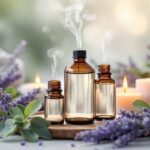
For mental and emotional well being, inhalation appears to be the simplest and safest route. Molecules travel through your nose into the olfactory bulb, which talks directly to the amygdala and hippocampus, two brain areas involved in emotion and memory. Oils can also enter your bloodstream through your lungs, and some components can cross the blood brain barrier to affect brain signaling more directly.
This dual pathway is one reason certain essential oils may help with issues like anxiety, low mood, and post traumatic stress symptoms in some people. For more targeted suggestions, you can also explore essential oils for anxiety, essential oils for relaxation, and essential oils for stress relief.
Best starter essential oils for calm and clarity
When you are just starting out, it helps to focus on a short list of essential oils for aromatherapy that are versatile, well studied, and generally gentle. You can always add more later.
1. Lavender: The all purpose relaxer
If you only choose one essential oil for aromatherapy, make it lavender. It is one of the most researched oils and is widely used for stress, tension, and better sleep.
Studies have found that lavender essential oil:
- Reduces workplace stress when used as a clothing spray at 3 percent concentration
- Decreases anxiety, depression, and stress in older adults when inhaled regularly
- May lower blood pressure and slow breathing during panic attacks, suggesting a calming effect on the sympathetic nervous system
Lavender is also popular because it is relatively gentle and can be used in many ways. You can add it to baths, diffuse it in your bedroom, or dilute it into a simple massage oil for shoulders and neck. Dr. Lin notes that it is one of the most versatile and user friendly essential oils in everyday aromatherapy.
Use lavender when you want:
- A calmer bedtime routine
- Help unwinding after work
- A gentle, soothing scent for your whole household
If sleep is your biggest concern, you may want to look at more targeted options in best essential oils for sleep as well.
2. Bergamot: Bright citrus for mood lifts
Bergamot comes from the rind of Citrus bergamia, and it smells like a slightly floral, complex orange. It is one of the main ingredients in Earl Grey tea and is a favorite in stress relief blends.
A 2017 study found that breathing bergamot essential oil for 15 minutes improved positive feelings and reduced some symptoms of distress in people at a mental health treatment center. Other research suggests citrus oils may help reduce stress and support a more optimistic mood when used regularly in diffusers.
Use bergamot when you want:
- A gentle energy boost without feeling wired
- Help shifting from “foggy and tense” to “clearer and more hopeful”
- A daytime oil to diffuse in your workspace or kitchen
Bergamot can increase photosensitivity when used on skin, so if you apply it topically, keep the dilution low and avoid direct sun on that area for 12 to 24 hours.
3. Roman chamomile: Unwinding for body and mind
Roman chamomile essential oil has a soft, apple like aroma that many people love in evening blends. It is traditionally used for sleep, restlessness, and digestion related tension.
In a 2017 study, chamomile extract was associated with reduced symptoms in people with moderate to severe generalized anxiety disorder after eight weeks, and chamomile essential oil is often used for its sedative and relaxing properties in aromatherapy, especially at bedtime.
Use chamomile when you want:
- A gentler, sweeter alternative to lavender
- Help relaxing a tight chest and “butterflies” in your stomach
- Support for a quiet, screen free wind down routine in the evening
Chamomile is part of the daisy family, so if you have a known allergy to ragweed or similar plants, patch test first or talk with your healthcare provider.
4. Cedarwood: Grounding and focus friendly
Cedarwood essential oil smells like a walk in the woods, and many people find it calming, steadying, and supportive for focus. It is often added to blends meant to feel “cozy” and safe.
Some aromatherapists use it for stress, mental overload, and sleep difficulties. Even without a large body of clinical trials, cedarwood is a helpful companion oil that deepens and steadies lighter scents like lavender or citrus.
Use cedarwood when you want:
- A more grounded, earthy base in your diffuser blend
- Help “coming back into your body” after a stressful day
- A cozier, more comforting atmosphere, especially in cooler weather
Because cedarwood is heavier, it can linger in the air a bit longer, which is helpful for overnight blends.
5. Frankincense: Centering and reflective
Frankincense has been used in spiritual and healing traditions for thousands of years. Its aroma is resinous, warm, and slightly citrusy. Many people reach for it during meditation, journaling, or prayer.
Some sources note that frankincense may help with hormone balance and mood stability, although larger and better controlled studies are still needed. Its main gift in aromatherapy is a sense of mental clarity and grounded presence.
Use frankincense when you want:
- A more focused, reflective headspace for reading, yoga, or journaling
- Support for deep breathing exercises
- A luxurious, spa like feel without an overpowering scent
Frankincense combines well with lavender for evening, and with citrus oils for clear headed mornings.
6. Sweet orange: Simple, kid friendly cheer
Sweet orange essential oil is one of the most approachable oils for families. The scent is familiar and uplifting, and many kids enjoy the smell in small amounts.
Studies that include sweet orange in blends with other oils suggest it may help reduce stress and improve mood. Even without formal data, the bright, sunny aroma makes it an excellent “reset” oil on long afternoons.
Use sweet orange when you want:
- A cheerful, clean scent that feels welcoming
- A quick pick me up without caffeine
- A bridge between kids and adults who might not agree on other scents
Use only a few drops in a diffuser and avoid topical use right before sun exposure to be safe, especially at higher dilutions.
7. Rose: Comfort and emotional softness
Rose essential oil is an investment, but you only need tiny amounts. It has a rich floral scent that many people associate with emotional comfort.
In one 2009 study, topical rose oil decreased breathing rate, blood pressure, and self reported anxiety. A 2014 study found that rose aromatherapy helped lower anxiety in over 100 pregnant women in labor, compared with controls.
Use rose when you want:
- A sense of emotional warmth and self compassion
- Support during grief, heartache, or big transitions
- A very gentle oil for slow breathing practices
Because pure rose is so concentrated, you will often find it diluted in a carrier oil or blended with other florals. Start with tiny amounts, especially if you are sensitive to perfume like scents.
8. Peppermint and eucalyptus: Clarity with caution
Peppermint and eucalyptus are popular for “clear head and clear nose” blends. They can help open nasal passages and may have anti inflammatory and antimicrobial properties when used correctly, according to guidance from Dr. Lin in 2023.
That said, both should be used carefully around kids, animals, people with asthma, and anyone with fragrance sensitivities. They are strong oils that can trigger coughing or breathing discomfort at higher concentrations.
Use peppermint or eucalyptus when you want:
- Help feeling more alert in short bursts
- Support for clearer breathing when you are congested
- A very sparing addition to daytime diffuser blends
Avoid using these in bedrooms for young children or in small, closed rooms. Keep your diffuser running for short intervals and watch for any signs of discomfort.
9. Tea tree: Clearing the air and surfaces
Tea tree oil is better known for its cleansing and skin related properties, including a potential role in helping athlete’s foot and some fungal issues in clinical trials. It has antifungal, antibacterial, and antiviral effects, which makes it useful in cleaning blends and “sick room” routines.
However, tea tree can be neurotoxic for small children and certain animals when diffused in the air, according to Dr. Lin. For that reason, it is usually safer to reserve tea tree for well ventilated areas, surface cleaning, or spot treating skin concerns with careful dilution and professional guidance.
For more targeted uses, you can explore essential oils for cleaning and essential oils for eczema instead of relying on tea tree for everyday aromatherapy in shared spaces.
Simple ways to use essential oils for aromatherapy
If you are wondering exactly how to start, you are not alone. Many people buy essential oils and then let them sit because they are not sure what to do next.
You can keep things simple.
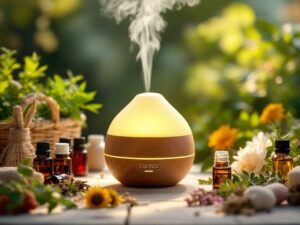
Diffusing for whole room calm
Diffusers gently release essential oils into the air with water and sometimes a bit of cool mist. For most 100 to 200 milliliter diffusers, you only need 3 to 6 drops of total essential oil.
Basic steps:
- Fill your diffuser to the recommended line with clean water.
- Add 3 drops of a single oil, such as lavender, to start.
- Turn on the diffuser for 15 to 30 minutes and see how it feels.
If that amount feels too strong, cut back to 1 or 2 drops. If it feels mild and you tolerate scents well, you can slowly increase up to about 6 drops total for that size.
Essential oil blends can be fun to explore once you know what you like. For inspiration, you can browse essential oils diffuser blends or create your own.
Personal inhalers and “on the go” aromatherapy
If you share your space with people who are sensitive to scent, personal inhalers are a considerate option. These small, refillable tubes hold a cotton wick and a few drops of essential oil. You can smell them as needed without filling the whole room.
Another option is to put 1 drop of oil on a tissue or cotton pad and hold it a few inches away from your nose for a few breaths. This is a good way to test how your body responds before committing to a blend.
Topical use for combined scent and touch
When you dilute essential oils into a carrier oil and apply them to your skin, you get a double benefit. The aroma reaches your brain through smell, and the components can also absorb through your skin and circulate in your system.
Good spots include wrists, chest, back of neck, and the soles of your feet. Avoid your eyes, inner nose, and any broken or inflamed skin.
If you enjoy self massage, you might like to try essential oils for massage or essential oils for bathing as a way to pair aromatherapy with warm water and gentle pressure, which are calming on their own.
Sample aromatherapy blends for calm and clarity
Once you have your starter oils, you can build simple blends that match your mood. Use these as diffuser ideas, adjusting the total number of drops to suit your sensitivity and room size.
Always start with fewer drops than you think you need, especially around kids, pets, or anyone with asthma or migraine.
Evening unwind
- 3 drops lavender
- 1 drop chamomile
- 1 drop cedarwood
Use this about an hour before bedtime with screens dimmed or off. Combine it with quiet music or light stretching to signal your nervous system that it is time to wind down.
Clear and focused morning
- 2 drops bergamot
- 2 drops sweet orange
- 1 drop frankincense
Diffuse in your kitchen or workspace for 20 to 30 minutes as you start your day. This blend is designed to feel bright but not jittery.
Emotional comfort
- 2 drops lavender
- 1 drop rose (or a pre diluted rose blend)
- 1 drop frankincense
Try this when you feel tender, overwhelmed, or in need of a little extra kindness toward yourself. Pair it with slow, deep breathing for at least five minutes.
For more recipes like these, including options that support pain, head tension, or hormonal cycles, you can explore essential oils recipes.
Special considerations for kids, pets, and sensitivities
If you share your home with others, safety becomes a shared project. Here are some practical guidelines to keep everyone comfortable.
- Less is more. Kids and animals are smaller and often more sensitive, so keep diffuser sessions short and low in intensity.
- Choose gentler oils. Lavender and sweet orange are often better tolerated than peppermint or eucalyptus in shared spaces.
- Ventilate. Open a window or door so fresh air can circulate. Avoid running a diffuser in a completely closed, tiny room for long periods.
- Watch for signs. If anyone develops headache, coughing, dizziness, or feels “off,” turn off the diffuser and air out the room.
If anyone in your home has asthma, severe allergies, or chronic respiratory issues, talk with their healthcare provider before using essential oils for aromatherapy regularly. You may also want to look into more specific options, such as essential oils for allergies or essential oils for headaches, with professional guidance.
When aromatherapy helps and when to seek more support
Essential oils for aromatherapy can be powerful for small, daily shifts, such as:
- Making your nighttime routine feel more peaceful
- Smoothing the edges of workday stress
- Supporting occasional restless nights
- Creating a sense of ritual around self care
They are not meant to replace therapy, medication, or medical evaluation when you are dealing with:
- Persistent anxiety or panic
- Ongoing depression or loss of interest in daily life
- Post traumatic stress symptoms like flashbacks and severe sleep disturbance
- Chronic pain or health conditions that are getting worse
If you are unsure where aromatherapy fits into your situation, ask your healthcare provider or a qualified integrative practitioner. Many are familiar with the basic evidence and can help you use oils alongside other treatments in a safe, supportive way.
Putting it all together
To get started with essential oils for aromatherapy, you do not need a huge collection. A simple starter set might include:
- Lavender for all purpose calm and sleep
- Bergamot or sweet orange for clear headed positivity
- One deeper note such as cedarwood or frankincense for grounding
From there, you can add chamomile, rose, or other favorites as you learn how your body responds. Keep your dilutions gentle, run diffusers in short sessions, and adjust based on how you and your household actually feel.
When you are ready to explore further, you might enjoy learning about how to use essential oils in more detail, or branching into specific topics like essential oils for muscle pain, essential oils for pain relief, or essential oils for nausea.
Try choosing one small ritual to begin, such as a three drop lavender diffuser session before bed tonight. Notice how your body and mood respond, and let that be your guide as you build a calm, clear aromatherapy routine that really fits your life.
FAQs
Are essential oils for aromatherapy actually proven to work?
Some studies and reviews suggest benefits for stress and sleep, but results vary by oil, dose, and setting. Treat aromatherapy as supportive—not a cure—and focus on safe, consistent routines.
How many drops should I use in a diffuser?
Start low. Many people begin with 3–6 total drops for common home diffusers and run it for short sessions (15–30 minutes), adjusting down if anyone feels irritated.
Can I apply essential oils directly to my skin?
Usually, no—most oils should be diluted in a carrier oil to reduce irritation risk. Patch test first and avoid broken or inflamed skin.
Is it safe to ingest essential oils?
Ingesting essential oils can be unsafe and may cause poisoning when misused. Don’t ingest unless you’re working with a qualified clinician.
Are essential oils safe around pets (cats/dogs/birds)?
Not always. Some oils can be toxic when inhaled, ingested, or absorbed—cats and birds are often higher risk. Use ventilation, low intensity, pet-free rooms, and stop immediately if symptoms appear.
Which oils are best for beginners?
Common beginner picks include lavender, Roman chamomile, bergamot, cedarwood, and sweet orange—popular for calm, mood, and “easy to live with” aromas.
When should I avoid aromatherapy?
Use extra caution (or skip) if you’re pregnant, have asthma or severe fragrance sensitivity, or if someone in the home reacts with headaches, coughing, or dizziness. Also be wary of products making disease-treatment claims.