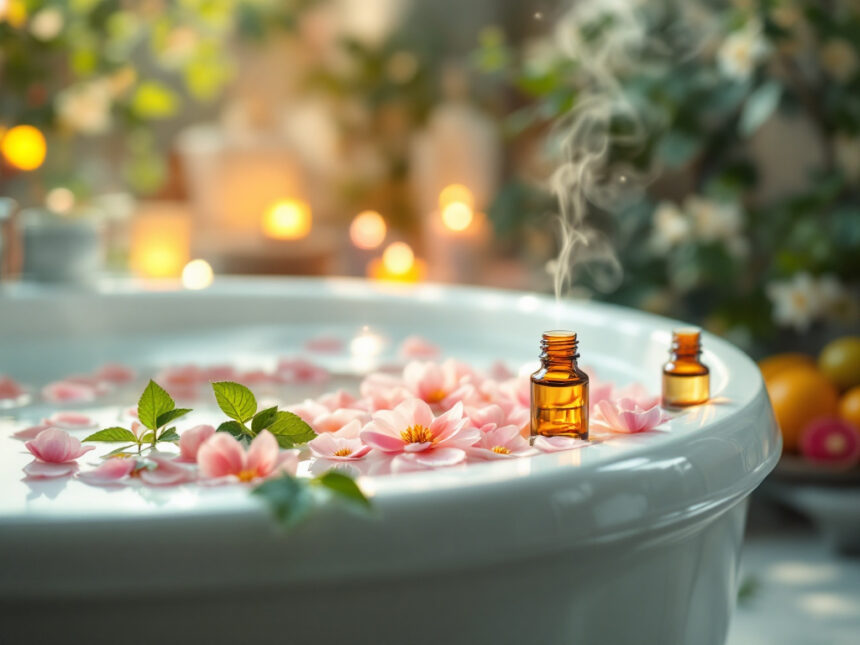
A warm bath already feels like a retreat. When you add the right essential oils for bathing, you turn that everyday soak into a true self‑care ritual that can help you relax, reset, and even support your mood and muscles.
If you are new to essential oils or you have kids, pets, or sensitivities at home, you probably want two things: simple options and clear safety rules. This guide gives you both.
You will find beginner friendly essential oils for bathing, ready to use blend ideas, what to avoid, and exactly how to use them safely.
How essential oils in the bath actually work
Essential oils are highly concentrated plant extracts. In the bath, they work in two main ways.
First, the warm water and steam release aroma molecules into the air. When you breathe them in, they can influence your limbic system, the brain area linked with emotions, memory, and stress. Research suggests aromatherapy with oils like lavender, chamomile, basil, and frankincense may help ease anxiety and improve mood, while peppermint can help with nausea and headaches.
Second, some diluted oil comes in contact with your skin. Hot water softens the outer layer of your skin, which may help it absorb some of the plant compounds for localized comfort, such as soothing tired muscles or supporting skin health.
That combination is why many aromatherapists consider an essential oil bath one of the most effective at home treatments for relaxation and general wellbeing.
If you are curious about wider uses beyond the tub, you can explore more essential oils benefits and how to use essential oils.
Safety first when using essential oils for bathing
Before you pick your favorite scent, it helps to know one key rule. Essential oils and water do not mix.
Why you must always dilute
Essential oils are not water soluble. If you drip them straight into the tub, they float on the surface in a concentrated layer. When that undiluted layer touches your skin, it can cause stinging, redness, or even burns, especially on the more sensitive areas that tend to be underwater in a bath.
That is why multiple safety sources, including aromatherapy experts and health sites such as WebMD, recommend diluting essential oils in a carrier oil before they ever go near your bathwater.
Typical safe bath dilution:
- About 5 to 10 drops of essential oil per 1 ounce of carrier oil
For most adults, a practical starting point is 5 to 6 drops of essential oil mixed into 1 tablespoon of a carrier oil like jojoba or fractionated coconut oil. Then you add that blend to a full tub of water. This keeps the essential oil level around 1 to 2 percent, which is in the gentle range for most skin types.
You can find more general dilution guidance in this deeper guide on how to dilute essential oils.
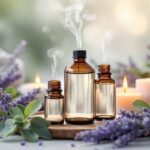
What to use as a carrier or dispersant
You have several options for making essential oils safer and more comfortable in the bath.
- Carrier oils such as jojoba, sweet almond, sunflower, or fractionated coconut oil mix with essential oil and protect your skin. This is the simplest method, and it creates a moisturizing bath oil. The tradeoff is that oil and water still do not mix, so some oil may float and feel a little greasy on the surface.
- Foaming bases like unscented baby shampoo or basic shower gel can help disperse essential oils more evenly if used at about 5 to 20 drops per tablespoon of product. They create a light bubble bath while helping to prevent concentrated oil patches. However, adding essential oils to pre made shampoos or gels can sometimes disrupt preservatives or the product texture, so it is better to mix only what you will use right away.
- Specialized dispersants such as Solubol, Polysorbate 20 or 80, and Natrasorb Bath are designed to solubilize or encapsulate essential oils so they spread evenly in the water without forming a film. These are common in high quality bath products and are a good option if you like to DIY your own soaks.
Products like baking soda, plain salt, milk, glycerin, witch hazel, regular tapioca starch, and aloe vera do not actually disperse oil in water. They dissolve or sit in the water but leave the essential oil floating on top. That means they are not suitable on their own for safe dispersion.
Oils you should avoid in the bath
Some essential oils are simply too hot or irritating for bath use, even when diluted. These can cause burning or intense redness, especially in warm water.
Avoid using these in your bath blends:
- Cinnamon bark
- Clove
- Oregano
- Thyme
- Hyssop
- Black pepper
- Lemongrass
- Turmeric
- Strong blends that contain several of the above
Clove bud and cinnamon oils in particular can damage your skin barrier and create a harsh burning sensation. Black pepper is highly spiced and can be irritating if inhaled in a steamy room. Turmeric is very concentrated and can cause inflammation on sensitive skin.
If you are ever unsure about a new oil, do a patch test with a diluted mixture on a small area of skin and wait 24 hours to check for redness or irritation, as WebMD advises.
If you have eczema, psoriasis, asthma, very sensitive skin, or you are pregnant, it is a good idea to talk with your healthcare provider before starting bath aromatherapy. You can also explore gentler options in our guides to essential oils for eczema and essential oils for psoriasis.
Best beginner friendly essential oils for bathing
If you are just starting out, you do not need a huge collection. One to three versatile essential oils for bathing can cover most of your relaxation, mood, and mild symptom needs.
Below are some of the most popular options and how they feel in the tub.
Tip: For your first few baths, use half the number of drops suggested, especially if you have sensitive skin. You can always add more next time.
1. Lavender: Your all purpose relaxer
If you only buy one essential oil for bathing, make it lavender.
Lavender essential oil has a gentle, floral, herbal scent that many people associate with calm. It is one of the most researched oils in aromatherapy. Studies suggest it may help ease feelings of anxiety, promote a more balanced mood, and support better sleep quality when used for relaxation.
In the bath, lavender is a classic choice for:
- Nighttime wind down
- “I had a long day” soaks
- Mild tension and restlessness
Simple lavender bedtime bath:
- Mix 5 drops of lavender essential oil into 1 tablespoon of jojoba or sweet almond oil.
- Swirl into a tub of comfortably warm water.
- Soak for 15 to 20 minutes, then towel dry gently.
If sleep support is a priority, you may want to explore more targeted best essential oils for sleep and bedtime routines outside the bath as well.
2. Roman chamomile: Gentle comfort for sensitive types
Roman chamomile has a soft, apple like aroma and is known for its soothing qualities. It is a favorite among people who are sensitive to stronger scents or who want a calming bath that feels cozy more than floral.
You might reach for Roman chamomile when you want to:
- Unwind from emotional stress
- Calm your mind before bed
- Support delicate or reactive skin
Even though chamomile is often considered gentle, it is still important to dilute it properly. If you have a ragweed allergy, patch test carefully since chamomile is in the same plant family.
3. Eucalyptus: Clarifying and refreshing
Eucalyptus essential oil has a crisp, cooling scent that many people associate with clear breathing. In bath aromatherapy, it can help open up your nasal passages and make you feel a bit more alert and refreshed. Some people also enjoy it for mild joint or muscle discomfort, particularly after exercise.
Eucalyptus is a good match for:
- “Under the weather” soaks
- After workout baths
- Mental fog or afternoon slumps
Sick day eucalyptus bath:
- Mix 3 drops eucalyptus, 2 drops lavender, and 1 drop tea tree in 1 tablespoon of carrier oil.
- Add to a warm, not too hot tub.
- Soak for 10 to 15 minutes and keep the bathroom door closed to hold in the steam.
Use eucalyptus cautiously around children and pets, since it can sometimes trigger irritation or sensitivities. Check with your pediatrician before using eucalyptus in baths for kids. If you often use oils to support symptoms like nausea, you may also find our guide to essential oils for nausea helpful.
4. Sweet orange: Uplifting and friendly
Sweet orange has a bright, juicy citrus scent that feels sunny and cheerful without being as sharp as lemon. It is often used in blends that aim to uplift mood or cut through mental fatigue.
In the tub, sweet orange works well when you want to:
- Lighten a low mood
- Reset after a stressful day
- Enjoy a “weekend morning” style soak
Because citrus oils can increase your skin’s sensitivity to the sun, it is best to avoid tanning or prolonged direct sunlight for at least 12 hours after a citrus intensive bath. If you do go outside, cover up or use sunscreen.
5. Frankincense: Grounding and centering
Frankincense has a warm, resinous scent that many people describe as meditative or spiritual. In aromatherapy, it is often associated with grounding, deep breathing, and a sense of inner stillness.
You might enjoy frankincense in the bath when you want to:
- Pair your soak with journaling or quiet reflection
- Support a breath focused practice
- Balance a busy or scattered mind
A little goes a long way, so start with just 2 to 3 drops in 1 tablespoon of carrier oil and see how you respond to the aroma.
If you are drawn to the emotional and mental side of oils, you may want to explore more options in essential oils for relaxation, essential oils for anxiety, and essential oils for stress relief.
Essential oil bath recipes for different moods
Once you have a few basic oils on hand, you can start creating simple blends for your bath that match how you feel that day. Below are easy combinations built around popular essential oils for bathing. Each one is beginner friendly in both scent and dilution.
For deep relaxation and better sleep
This blend combines classic calming oils for a restful evening.
Relaxing bedtime bath:
- 4 drops lavender
- 2 drops Roman chamomile
- 1 tablespoon carrier oil
Mix the oils together, then add to a warm bath. Keep the lights low or use candles, and give yourself at least 30 minutes before bed after your soak so your body can cool down and get sleepy.
If you want more ideas that extend beyond bath time, you can pair this with diffuser routines from our essential oils diffuser blends guide.
For stress relief after a long day
This mix gives you emotional support plus a little muscle comfort.
Stress melt bath:
- 3 drops lavender
- 2 drops sweet orange
- 1 drop frankincense
- 1 tablespoon carrier oil
Stir well before pouring into the tub. Soak for 15 to 20 minutes and focus on slow, deep breaths. This is a good option when you feel wired but tired.
For sore muscles after a workout
If your muscles are talking after a long day or a big workout, this blend can be part of your recovery plan.
Muscle ease bath:
- 3 drops eucalyptus
- 2 drops lavender
- 1 drop frankincense
- 1 tablespoon carrier oil
Add to a comfortably warm, not very hot bath. Heat that is too high can make inflammation feel worse, so aim for pleasantly warm instead of steaming. Combine your bath with gentle stretching for extra relief.
You can explore more approaches in our dedicated guides on essential oils for muscle pain and essential oils for pain relief.
For “under the weather” comfort
When you feel run down, a bath can help you relax while you support your respiratory comfort.
Comforting steam bath:
- 2 drops eucalyptus
- 2 drops tea tree
- 2 drops lavender
- 1 tablespoon carrier oil
Limit your soak to 10 to 15 minutes and get out if you feel lightheaded. Always talk to a healthcare professional if you have chronic conditions or are unsure about using essential oils when sick. You can combine this with ideas from essential oils for headaches or essential oils for aromatherapy as needed.
For a bright, cheerful weekend soak
This blend feels like sunshine in bath form.
Uplifting citrus bath:
- 3 drops sweet orange
- 2 drops lavender
- 1 drop frankincense
- 1 tablespoon carrier oil
Perfect for daytime or to set a positive tone for your morning. Remember to limit direct sun exposure on skin that has been in a citrus rich bath for several hours afterward.
Using essential oils in bath salts, bombs, and oils
If you prefer your bath already “pre mixed,” you can easily work with salts and bath oils instead of dropping directly into the water.
Bath salts with essential oils
Epsom salt, Dead Sea salt, and Himalayan pink salt are popular choices for bath salts. They do not disperse essential oils on their own, but they are great carriers for a pre diluted mix.
A simple method, inspired by guidance from The Village Company and aromatherapists:
- In a small bowl, combine 5 to 10 drops of essential oils with 1 tablespoon of carrier oil or a solubilizing base.
- Stir this mixture into 1 cup of bath salts until evenly distributed.
- Store in an airtight container and use about 1 cup per standard tub.
This keeps the oil diluted and avoids concentrated pockets in your bath.
Bath oils you can make at home
Homemade bath oils are one of the easiest DIY projects and can feel surprisingly luxurious. As described by resources like SavvyHomemade.com, you simply mix essential oils with a carrier oil such as almond, jojoba, grapeseed, apricot kernel, or olive oil to create a moisturizing bath treatment.
Basic bath oil formula:
- 1 tablespoon carrier oil
- 5 to 6 drops total essential oils
Blend just before bathing or make a small bottle and store it in a cool, dark place for up to a few months. Since essential oils are very concentrated, you only need a little each time, which keeps this approach budget friendly.
Bath bombs with essential oils
If you use pre made bath bombs, check the label for essential oils you already know your skin tolerates. If you like to make your own, follow the same dilution rules and add the diluted oils into the dry mix along with a dispersant like Polysorbate 80 to help the oils spread evenly in the water.
Special considerations for kids, pets, and sensitivities
If your household includes young children, pets, or anyone with asthma or very reactive skin, a few extra precautions can help you enjoy essential oils for bathing without worry.
- Kids: Always use lower dilutions for children, ask your pediatrician before introducing essential oils in baths, and avoid strong oils like eucalyptus, peppermint, and any “hot” oils. Never add oils directly to the tub without proper dilution.
- Pregnancy: Many people choose to use milder oils such as lavender in low amounts, but it is important to confirm safety and dosing with your healthcare provider first.
- Asthma or respiratory issues: Strong aromas can trigger symptoms in some people. Start with very small amounts, keep the bathroom ventilated, and stop immediately if you notice coughing, tightness, or shortness of breath.
- Pets: Animals often have a much lower tolerance for essential oils. Keep them out of the bathroom while you are using oils, and never add essential oils directly to pet baths without veterinary guidance.
If you or your family members are managing allergies, our guide to essential oils for allergies may help you navigate choices more confidently.
Choosing quality essential oils for your bath
The quality of your essential oils makes a difference, especially when you are using them in a warm bath where your skin and lungs are more exposed.
According to guidance summarized by WebMD, you can look for:
- Dark glass bottles that protect the oils from light
- Clear labeling of the plant name, part used, and country of origin
- No added fragrances or fillers
- Reputable suppliers that provide information about purity and testing
Many people also like to understand what “therapeutic grade” means and how to evaluate those claims, which you can explore in more detail here: therapeutic grade essential oils.
Essential oils typically keep their quality for around two years if stored tightly closed in a cool, dark place. Since you use only a few drops at a time, a small bottle can last through many baths, which makes your home spa routine surprisingly cost effective.
Quick reference: Safe use of essential oils for bathing
Use this table as a handy overview while you are getting started.
| Goal | Good oil choices | Basic adult dilution guideline |
|---|---|---|
| Relaxation and sleep | Lavender, Roman chamomile, frankincense | 5–6 drops total in 1 tbsp carrier oil |
| Stress and mood support | Lavender, sweet orange, frankincense | 5–6 drops total in 1 tbsp carrier oil |
| Muscle comfort | Eucalyptus, lavender, frankincense | 5–6 drops total in 1 tbsp carrier oil |
| “Under the weather” | Eucalyptus, tea tree, lavender | 5–6 drops total in 1 tbsp carrier oil, shorter soaks |
Always adjust amounts down for sensitive skin and children, and check with a professional if you have medical conditions, are pregnant, or are using essential oils with kids.
Bringing it all together in your routine
You do not need a complicated setup to enjoy essential oils for bathing. Start with one or two gentle oils like lavender and sweet orange, learn to dilute them properly, and pay attention to how your body responds.
Over time, you can build out your collection for specific needs, such as essential oils for skin care, essential oils for massage, or even essential oils recipes that extend beyond the bath into your everyday self care.
For now, you might:
- Choose one goal, such as “sleep better tonight” or “recover from that workout.”
- Pick a simple blend from this guide.
- Give yourself 15 to 20 quiet minutes in the tub, phone out of reach.
A small, safe ritual that you repeat regularly often does more for your wellbeing than a rare, complicated spa day. Your bath can be that simple anchor, one diluted drop at a time.
FAQs
Can I put essential oils directly into bath water?
No—oil and water don’t mix, so undiluted droplets can stick to skin and trigger irritation. Always dilute in a carrier or use a proper dispersant.
What’s a safe essential oil dilution for a bath?
Many safety guidelines place common topical dilutions in the low single digits (often ~1–5% depending on oil and person). A practical starting point is a low dose and increase only if tolerated.
What’s the best carrier oil for essential oils in the bath?
Jojoba, sweet almond, and fractionated coconut oil are popular because they’re skin-friendly and easy to blend. (Still: use caution on slippery tubs.)
Are citrus oils safe in a bath?
Some expressed citrus oils can be phototoxic in leave-on products; steam-distilled versions are typically not. Sweet orange is generally considered low phototoxic risk, but verify the oil type and be cautious if you’ll be in strong sun.
Can kids use essential oils in baths?
Use extra caution: many pediatric sources recommend limiting aromatherapy for very young children and avoiding undiluted oils in bathwater. If you use oils at all, keep dilutions low and consult your pediatrician.
Are essential oils safe around pets?
Pets can be sensitive, and concentrated oils (including tea tree) can be harmful. Keep pets out of the bathroom during use and avoid applying oils to them unless a vet guides it.
Do bath salts “disperse” essential oils?
Not by themselves. If you want salts, pre-dilute oils first (carrier/dispersant), then blend into salts to reduce concentrated hotspots.