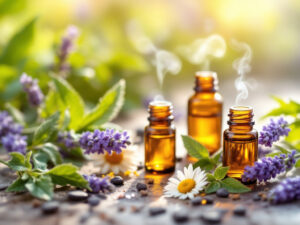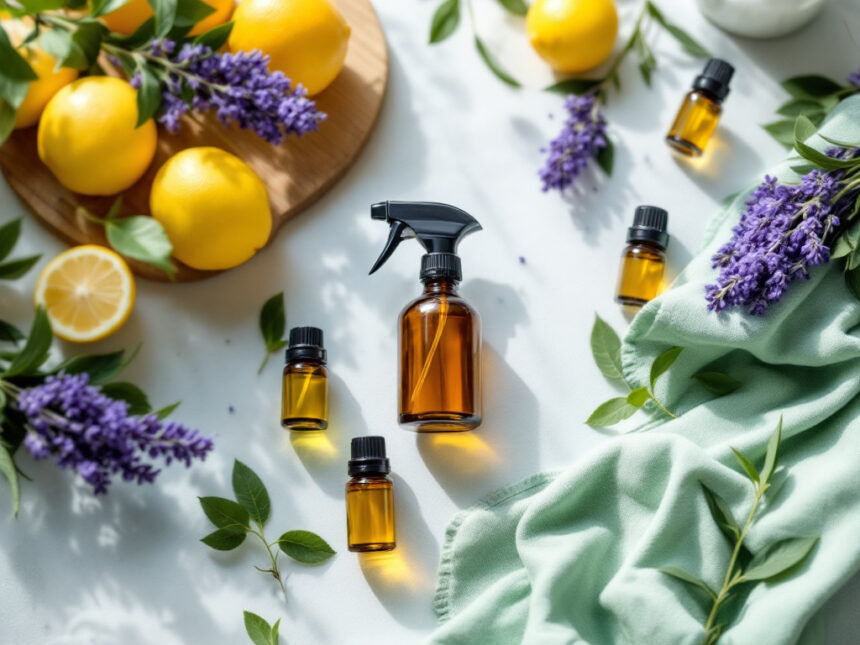
A clean home should not require a chemistry degree to feel safe. If you are curious about using essential oils for cleaning but worry about kids, pets, or sensitive lungs, you are in the right place. In this guide, you will learn which essential oils are safest to start with, how to use them effectively, and how to avoid common mistakes so you get a fresh, healthy home without harsh chemicals.
Using essential oils for cleaning can give you a non toxic, great smelling alternative to conventional products, while still helping to tackle germs and odors. With a few starter oils and simple rules, you can put them to work on counters, floors, bathrooms, and more.




Understand what essential oils can (and cannot) do
Before you start mixing sprays, it helps to know how essential oils fit into your cleaning routine.
Essential oils are highly concentrated plant extracts that come from fruits, leaves, bark, and flowers, usually through pressing or steaming. They are widely used in laundry and cleaning to deodorize and make spaces smell pleasant, as explained in a 2024 guide from WebMD.
You often hear that essential oils are “natural disinfectants.” The truth is a bit more nuanced.
Scientists have seen that some essential oils may disrupt microbe membranes and create a hostile environment that limits pathogen survival. Laboratory observations suggest that they might also help the body fight infections, according to aromatherapists writing for Eco Modern Essentials. However, research is still evolving and the exact mechanisms are not fully understood.
In simple terms, essential oils can help:
- Deodorize and freshen surfaces and air
- Add some antimicrobial or antifungal support when combined with basic cleaners
- Reduce your exposure to harsh synthetic fragrances and some chemicals
They should not fully replace proven disinfectants in high risk situations, such as raw meat spills, contagious illness, or mold infestations. Instead, think of essential oils for cleaning as a safer, plant based upgrade to your everyday, light duty routine.
If you are also interested in how these oils can support wellness outside of cleaning, you can explore broader essential oils benefits or how to use them for aromatherapy.
Choose the safest starter oils for cleaning
To keep things simple, start with 3 to 5 versatile oils that cover most surfaces in your home. These options combine solid safety profiles (when diluted correctly) with strong cleaning and deodorizing power.
Lemon: Your all purpose brightener
Lemon essential oil is one of the most useful essential oils for cleaning. It cuts through grease, lifts sticky residue, and leaves a fresh citrus scent.
A 2019 study linked its effectiveness against bacteria and fungi to d limonene, a compound with strong antimicrobial properties, as summarized in a 2024 Lavender Lemon article about natural cleaners. Lemon oil is especially helpful in:
- Kitchen degreasers
- Floor cleaners
- Fridge and microwave sprays
It is also a great choice if you want your home to smell “clean” without synthetic fragrances.
Tea tree: Targeted germ and mildew fighter
Tea tree oil is a staple in many natural cleaning recipes because of its antiseptic, antimicrobial, and antifungal qualities. Reviews of tea tree oil link its germ fighting power to the compound terpinene 4 ol.
According to guidance from Lavender Lemon in 2024, tea tree is particularly useful for:
- Bathrooms, especially grout and tile
- Mold and mildew prone spots
- Laundry soaks for heavily soiled items
One recommended approach is to soak soiled bedding or clothing in a mixture of cold water, baking soda, lemon juice, white vinegar, and a small amount of tea tree oil before washing. This can help reduce odors and refresh fabrics.
Tea tree has a strong, woodsy scent, so use it sparingly and always dilute it well.
Lavender: Gentle, calming, and kid friendly
Lavender essential oil is ideal if you want a softer scent and a multipurpose option that works in bedrooms and living spaces.
Lavender contains linalool and linalyl acetate, which can reduce airborne bacteria and create a more peaceful ambiance, according to Danielle Sade of Healing Fragrances School of Aromatherapy, writing in 2020. At a 1 to 2 percent dilution, lavender can be added to:
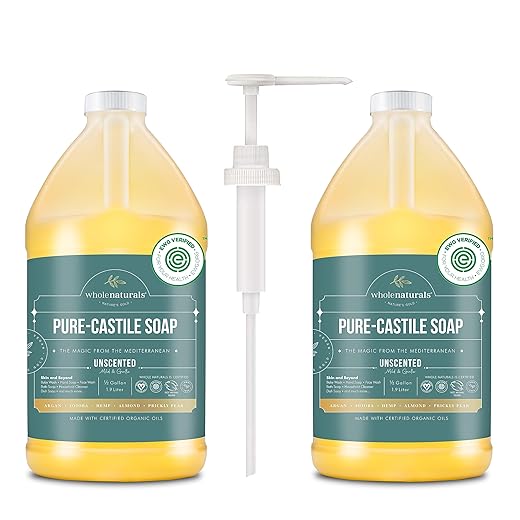
- Mild soap based surface sprays
- Linen and pillow mists
- Nursery and bedroom cleaners
It is often recommended for relaxation and better sleep, which is why you also see it in blends for essential oils for stress relief and best essential oils for sleep.
Eucalyptus: Fresh bathroom and floor helper
Eucalyptus radiata essential oil offers a crisp, “spa like” scent and powerful cleaning support. It is composed mainly of 1,8 cineole, which has been shown to inhibit certain bacteria and fungi. A 2012 study found eucalyptus effective against staph and E. coli infections, as cited in natural cleaning roundups.
This oil is useful for:
- Bathroom sprays in mildew prone areas
- Floor cleaners for tile or vinyl
- Removing sticky grime and adhesive residues
Eucalyptus also shows potential for reducing dust mites, which makes it interesting for mattresses and upholstery, but always test fabric first.
Peppermint and pine: Deodorizers and pest helpers
Peppermint essential oil brings antifungal and antimicrobial properties and works as a natural spider deterrent. Researchers attribute this to monoterpenoids that act as fumigants, making peppermint helpful in:
- Entryway sprays
- Window sill wipes
- Trash area deodorizers
Pine needle oil has been shown to fight several species of bacteria, fungi, and environmental toxins in the air, according to a 2004 study referenced in natural cleaning guides. It is particularly good for:
- Carpet freshening powders
- Air sprays in musty areas
These oils are more intense, so use them in lower concentrations, especially if anyone in your home has respiratory sensitivities.
Learn the golden safety rules before you clean
Because essential oils are highly concentrated, a little goes a long way. Safe use matters even more in homes with kids, pets, asthma, or allergies.
According to a 2023 natural cleaning guide, and multiple aromatherapy sources:
- Do not apply essential oils directly to skin. Always dilute them in water, vinegar, alcohol, or soap for cleaning, and in carrier oils for body use.
- Do not ingest essential oils. Cleaning products should never be taken internally.
- Keep bottles and mixed solutions away from children and pets.
- Be extra careful with cats, dogs, birds, and other animals. Some oils that are fine for humans can be harmful to pets even at low exposure.
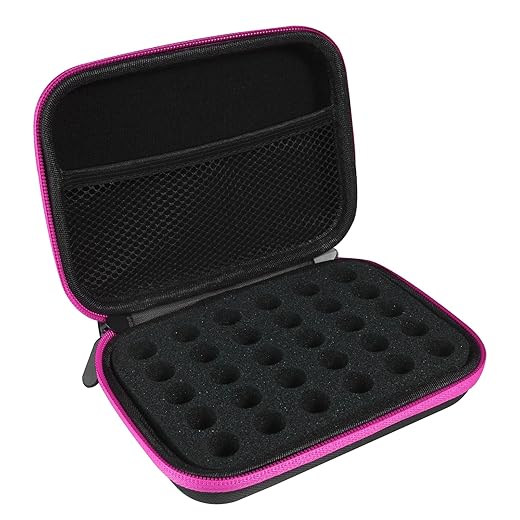
- Store bottles in cool, dark places with lids tightly sealed. Most oils remain effective for about two years after opening when stored correctly.
Because the United States does not have a regulatory body for essential oils, many “therapeutic grade” labels are just marketing. To choose better quality oils, look for suppliers that provide plant species names, origin, and testing information, as highlighted in multiple reviews of therapeutic grade essential oils.
If this is your first time using essential oils anywhere in your home, it can help to read a general guide on how to use essential oils and how to dilute essential oils before you start mixing cleaning recipes.
Master basic dilution for cleaning solutions
Cleaning recipes often list drops, cups, or percentages and it can get confusing fast. You do not need to calculate every decimal, but you do want to stay in a safe, effective range.
For most everyday cleaning sprays and scrubs, aim for a 0.5 to 2 percent dilution. Here is a quick reference for 1 percent:
1 percent essential oil dilution is roughly 6 drops of essential oil per 30 milliliters (about 1 ounce) of base liquid.
So if you have:
- 8 ounces of water and vinegar mix, 1 percent would be about 48 drops in total.
- 16 ounces, 1 percent would be about 96 drops.
In practice, you can usually stay between 10 and 20 drops per 16 ounce spray bottle for light cleaning, and up to about 40 drops for heavy duty surfaces such as bathroom grout.
For stronger oils like tea tree or peppermint, start at the lower end and see how your household responds. You can always add more next time.
When aromatherapist Danielle Sade recommends 1 to 2 percent for lavender or 0.5 to 1 percent for tea tree and eucalyptus in soap solutions or sprays, she also suggests preparing only as much as you will use in 24 hours. Freshly made solutions tend to work better and smell cleaner.
Step by step: Make three core cleaners with essential oils
Once you understand your oils and dilutions, you are ready to mix. These three recipes cover most daily cleaning needs with simple ingredients and safer essential oils.
1. All purpose spray for counters and surfaces
Use this for sealed countertops, painted walls, appliance exteriors, door handles, and general wipe downs. Avoid natural stone like marble unless the recipe is specifically stone safe.
You will need
- 1 cup water
- 1 cup white vinegar
- 10 to 20 drops total essential oils
Suggested blends:
- Fresh clean: 10 drops lemon, 5 drops lavender, 5 drops eucalyptus
- Extra deodorizing: 12 drops lemon, 8 drops tea tree
Steps
- Add the water and vinegar to a 16 ounce spray bottle.
- Drop in your essential oils.
- Shake gently before each use to distribute the oils.
- Spray onto the surface, wipe with a microfiber cloth, and allow to air dry.
Aromatherapists and natural cleaning experts, including Lauren Glucina in a 2019 guide, highlight that this basic vinegar and essential oil cleaner can be made quickly, smells pleasant, and costs significantly less than store bought non toxic sprays.
If you want to use oils in laundry as well, you can explore dedicated tips under essential oils for laundry.
2. Bathroom scrub for tubs, sinks, and grout
Bathrooms often need more scrubbing power. Baking soda plus vinegar and essential oils gives you a mild abrasive and deodorizer in one.
You will need
- 1 cup baking soda
- 1/4 cup white vinegar (add slowly)
- 10 to 15 drops tea tree essential oil
- Optional: 5 drops lemon essential oil
Steps
- In a small bowl, stir the baking soda.
- Slowly add vinegar until you get a thick paste. It will fizz at first.
- Add tea tree and optional lemon oils and mix well.
- Apply the paste to sinks, tubs, or grout with a sponge or brush.
- Let it sit for 5 to 10 minutes for extra power.
- Scrub, then rinse thoroughly with warm water.
Lavender Lemon and Eco Modern Essentials both recommend combinations of baking soda and essential oils for bathroom cleaning, and suggest using freshly made pastes within 24 hours for the best effect.
You can also create a citrus scrub by combining baking soda and lemon oil alone. Sprinkle on bathroom sinks or tubs, scrub, and rinse. Some home users also sprinkle this mixture on carpets, leave it for 20 minutes, then vacuum to freshen fabrics.
3. Floor cleaner for tile, vinyl, and sealed wood
Floors pick up dirt, pet dander, and outdoor pollutants. A gentle solution with essential oils can clean while improving indoor air quality.
A 2024 Lavender Lemon article explains that using essential oils in cleaners can help reduce volatile organic compounds, or VOCs, compared with some traditional products. This can support healthier indoor air.
You will need
- 1 gallon warm water
- 1/2 cup white vinegar (omit for stone or vinegar sensitive floors)
- 10 to 20 drops total essential oils
Suggested blends:
- Kitchen and hallways: 10 drops lemon, 5 drops eucalyptus, 5 drops pine
- Bedrooms and nurseries: 10 drops lavender, 5 drops lemon
Steps
- Fill a bucket with warm water.
- Add vinegar if your flooring tolerates it.
- Add essential oils and stir.
- Mop floors with a well wrung mop to avoid over soaking.
- Allow to air dry.
For sealed granite and other stone surfaces, natural cleaning writers suggest an alcohol based spray with a little dish detergent and a few drops of lemon or lavender oil, rather than vinegar, since vinegar can etch stone.
Target specific rooms with the right oils
Different parts of your home benefit from different essential oil strengths and scents. Here is how to match each area with safer, effective oils.
Kitchen: Degreasing and deodorizing
In the kitchen, you want grease cutting power and odor control.
Lemon oil is your go to. It helps break down oils on stovetops and cabinets and acts as a natural deodorizer on cutting boards and inside trash cans. Tea tree adds a little extra germ fighting support for food spill areas, although you should still rely on stronger disinfectants after raw meat or egg contact.
Use your all purpose spray on:
- Counters, handles, and backsplashes
- Fridge shelves and doors
- Microwave interiors
For heavily soiled spots, sprinkle baking soda, add a few drops of lemon oil, and scrub before rinsing.
Bathroom: Mold, mildew, and freshness
Bathrooms tend to be damp, which encourages mildew and musty smells.
Tea tree oil is especially useful here. It can help reduce mildew buildup in showers and around toilets. Eucalyptus and lemon both support mildew prone areas and add a fresh scent.
Try:
- Tea tree and eucalyptus in your bathroom scrub
- Tea tree in a spray bottle with water and a bit of vinegar for weekly grout touch ups
- Eucalyptus and lemon in your toilet bowl cleaner or floor water
Research on eucalyptus radiata highlights its ability to remove sticky grime and inhibit some fungal growth. This makes it a natural fit in bathroom routines.
Bedrooms and living areas: Calm and gentler air
In bedrooms and living spaces, your priority is usually calm, comfort, and good air quality.
Lavender shines here. At 1 to 2 percent dilution, it can be mixed into soap based sprays or air mists that you use on nightstands, headboards, or bedroom floors. Danielle Sade recommends using lavender air sprays within 24 hours and in well ventilated rooms.
You can also:
- Make a linen spray with lavender, witch hazel, and distilled water for bedding.
- Add lavender to dusting sprays for shelves and side tables.
Peppermint and pine can be over stimulating for some people in sleeping spaces, so start with small amounts or skip them in bedrooms.
If you want more ideas to use these calming oils outside of cleaning, you can explore essential oils for relaxation and essential oils diffuser blends.
Entryways, carpets, and pet zones: Odor and pest control
Doors, rugs, and pet areas can trap strong smells and attract pests.
Peppermint oil is widely recommended as a spider deterrent. Researchers point to certain monoterpenoids in peppermint that act like fumigants for insects. You can:
- Add a few drops of peppermint to water and vinegar in a spray bottle.
- Lightly mist baseboards, window sills, and door frames, then wipe.
For carpets, mix baking soda with a few drops of pine or lemon oil, sprinkle lightly, let it sit for about 20 minutes, then vacuum. A 2004 study cited in natural cleaning reviews suggests pine needle oil can help improve air quality by fighting bacteria and fungi in the air.
Always keep pets out of the room while you sprinkle and vacuum, and avoid direct contact with their bedding unless you have checked with a veterinarian about which oils are safe.
Improve indoor air quality with safer cleaning
One of the biggest reasons people switch to essential oils for cleaning is to breathe easier.
Many conventional cleaning sprays and scented products release volatile organic compounds, or VOCs, which can irritate the lungs, eyes, and skin over time. Articles from Lavender Lemon and Eco Modern Essentials both highlight that using homemade cleaning products with essential oils and simpler bases like vinegar, baking soda, or mild soap can reduce your exposure to harsh chemicals such as bleach and ammonia.
Natural cleaning experts note that essential oils can:
- Replace synthetic fragrance, which is a common trigger for sensitive individuals
- Provide antimicrobial and antifungal support when used with low toxicity bases
- Make cleaning more pleasant, which can motivate you to stick with regular routines
There is also an emotional benefit. Aromatherapists interviewed by Eco Modern Essentials explain that essential oils can shift your mood while you clean, either by calming tension or boosting motivation. Lemon and orange can feel energizing, while lavender and bergamot tend to relax.
To keep your air as healthy as possible:
- Use the smallest effective amount of essential oils. More scent is not always better.
- Ventilate by opening windows or turning on fans while you clean.
- Avoid mixing essential oils with conventional chemical cleaners unless you know the combination is safe.
If you or someone in your home has asthma or strong fragrance sensitivity, patch test room by room. Spray a small area, leave it for an hour, and notice how you feel before cleaning the whole space.
Use essential oils safely around kids and pets
“Natural” is not the same as “risk free,” especially for small bodies and animals.
For children:
- Stick to gentler oils like lavender and small amounts of lemon in shared spaces.
- Avoid strong oils such as peppermint on surfaces that babies and toddlers might touch frequently.
- Do not use essential oil sprays directly on toys, pacifiers, or surfaces that will go into mouths.
For pets:
- Do not apply essential oils directly to your pet’s fur or skin unless guided by a veterinarian.
- Keep essential oil bottles and concentrated cleaners out of reach.
- Ventilate thoroughly before letting pets back into freshly cleaned rooms.
Certain oils can be especially problematic for cats and dogs because of how their livers process compounds. Since the research is complex and still developing, it is safest to talk with your vet about any oils you plan to use often on floors, bedding, or furniture your pets use daily.
If anyone in your home develops coughing, headaches, or skin irritation after you switch to essential oil cleaners, stop using the product and wash the area with plain soap and water. You may need lower concentrations, different oils, or fragrance free options.
Buy and store oils that are safe for cleaning
Because there is no single regulator for essential oils in the United States, quality can vary a lot. Many brands use terms like “aromatherapy grade” or “therapeutic grade” as marketing rather than as certified standards.
To choose better oils for cleaning:
- Look for the Latin name of the plant on the label.
- Check that the brand provides batch testing or quality reports.
- Avoid products that list “fragrance” or “parfum,” which may include synthetic additives.
Some natural cleaning writers recommend specific brands, including doTERRA and blends such as OnGuard, which contains cinnamon, clove, rosemary, eucalyptus, and wild orange. These blends can be powerful for cleaning but they are quite strong, so always use low dilutions and handle carefully.
Store your oils:
- In dark glass bottles
- In a cool, dry place
- With lids tightly closed
Used and stored properly, most essential oils maintain their effectiveness for up to two years after opening.
If you would like to go beyond cleaning and explore oils for skin or body care, visit guides such as essential oils for skin care, essential oils for massage, or essential oils recipes for more targeted blends. Just remember that the dilution rules for skin are stricter than for surfaces.
Put it all together: A simple starter plan
To make essential oils for cleaning feel manageable rather than overwhelming, start with a short list and a few habits.
- Pick three oils to begin with
Lemon, tea tree, and lavender give you a strong, safe foundation. Add eucalyptus or peppermint later if you like. - Mix one all purpose spray
Use water, vinegar, and up to 20 drops of essential oil for daily wipe downs in the kitchen and bathroom. - Make a weekly bathroom scrub
Combine baking soda, a little vinegar, and tea tree oil for tubs, sinks, and grout. - Try a gentle floor wash
Add lemon and lavender to warm water for weekly mopping, skipping vinegar on stone. - Watch how your home responds
Pay attention to scents, any irritation, and how clean surfaces feel. Adjust dilutions or oils as needed.
As you get comfortable, you can expand into more specific uses, such as using peppermint as a spider deterrent, pine for carpets, or lavender for bedroom sprays. If you want to experiment with wellness uses at the same time, there are guides on how to use essential oils, essential oils for headaches, and essential oils for anxiety to help you do that safely.
With a handful of well chosen essential oils, clear safety rules, and a few simple recipes, you can create a cleaning routine that smells better, feels healthier, and suits even a cautious, safety first home.
FAQs
Are essential oils safe to use for cleaning around babies?
They can be, but only with very low concentrations, strong ventilation, and avoiding potent oils (like peppermint) near infants. Some essential oils can irritate lungs and sensitive skin in young kids.
Can essential oils replace disinfectants like bleach or EPA-registered products?
No. For illness, high-risk contamination, or when you need true disinfection, follow CDC/EPA guidance—clean first, then disinfect with products proven for that job.
What’s the safest “starter set” of essential oils for home cleaning?
For most households: lemon + lavender as daily drivers, with tea tree used sparingly for bathrooms (extra caution if you have pets).
How many drops should I put in a 16-oz spray bottle?
For light cleaning, many people do well with ~10–20 drops total (start low). Drop math varies by bottle/dropper, so err on “less.”
Is it safe to diffuse essential oils while cleaning?
If you have asthma, kids, or pets, be cautious—extended aerosol exposure can irritate lungs/eyes/skin, and some experts advise avoiding water-based diffusers for children.
What should I do if someone reacts (coughing, headache, rash)?
Stop using the product, ventilate the space, wash the area with mild soap/water, and switch to fragrance-free cleaners. For pet symptoms, contact a vet/poison hotline.