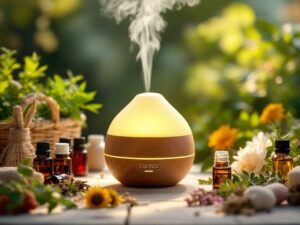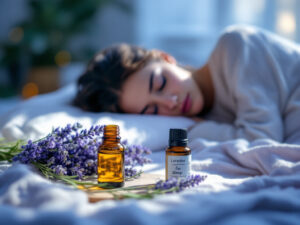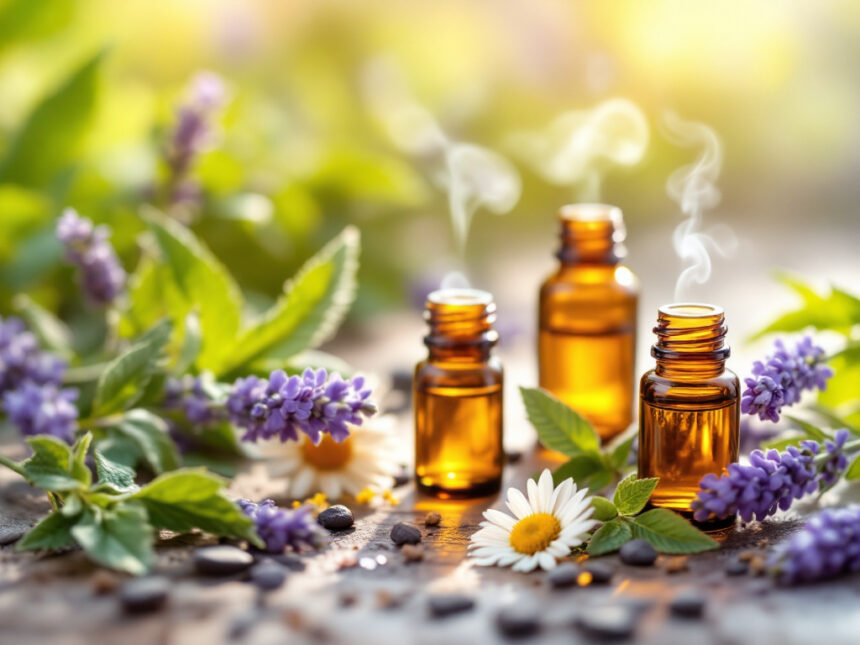
A few drops of essential oil will not replace your pain meds or your doctor, but the right oils can gently take the edge off everyday aches, help you relax, and make your pain routine feel more soothing than stressful. When you are new to essential oils for pain relief, it is hard to know what actually has research behind it and what is just hype.
This guide walks you through essential oils for pain relief you can feel comfortable using daily. You will see which oils have the best evidence, who they are safest for, and simple ways to use them that respect kids, pets, and sensitive lungs.
You will also find clear reminders on when to stop and call a doctor, so you are never guessing.
How essential oils may help with pain
Essential oils are not magic, but several have shown real, measurable effects on pain in both people and lab models.
A 2016 systematic review and meta analysis of 12 clinical trials with 1,019 patients found that aromatherapy with essential oils produced a large overall reduction in pain scores compared with control groups, especially for acute and short term pain. Aromatherapy worked best for:
- Nociceptive pain, for example injury or surgery related pain
- Acute pain, such as postoperative pain or labor pain
- Postoperative and gynecological pain, such as after cesarean section or during childbirth
The same review found that aromatherapy had only a small effect on chronic pain, so if you live with long term conditions like arthritis or back pain, essential oils are best used as a helper, not your main treatment.
Researchers think essential oils may ease pain in a few ways:
- Scent signals travel from your nose to your limbic system, which influences emotions, stress, and how you perceive pain
- Some oils seem to nudge your body to release its own pain relieving chemicals like serotonin and dopamine and to modulate GABA and serotonin receptors
- Topical oils can cool or warm the skin, slightly reduce inflammation, and improve local blood flow
The key for you is using oils that have both a sensible mechanism and at least some research to support them.
Safety first for daily pain routines
If you live in a safety first household with kids, pets, or asthma, you want essential oils that are:
- Well studied in humans
- Gentle on skin and lungs when used correctly
- Easy to dilute and control
Before you use any of the oils below:
- Always dilute in a carrier oil before putting them on skin. If you are unsure, start with 1 drop essential oil in 1 teaspoon of carrier, then adjust once you see how your body responds. You can dive deeper with this guide to how to dilute essential oils.
- Avoid swallowing essential oils unless you are working directly with a trained clinician. Most safety data focuses on aromatherapy and properly diluted topical use.
- Ventilate your space if anyone in your home has asthma, COPD, or scent sensitivities. Start with short sessions and stop immediately if anyone coughs or feels tight chested.
- Keep bottles locked away from kids and pets. Some oils, like wintergreen, can be dangerous in small amounts.
If you are pregnant, nursing, have epilepsy, serious heart or lung disease, or are on blood thinners, check with your healthcare provider before adding essential oils.
Lavender: Gentle multitasker for everyday pain
If you are only going to start with one essential oil for pain relief, make it lavender.
What the research says
Lavender essential oil has some of the best human data for both pain and anxiety. Highlights include:
- A 2021 study of people undergoing spine procedures found that those who inhaled lavender aromatherapy reported slightly lower pain levels than control groups, although the difference was modest.
- A 2016 review reported that lavender aromatherapy, used either by inhalation or diluted on the skin, helped reduce acute pain after cesarean section and eased labor pain, with higher patient satisfaction and less nausea than controls.
- Pharmacy Times notes that lavender contains linalool and linalyl acetate, which show both anti anxiety and mild analgesic effects and that small clinical trials have found lavender helpful for migraine and postdural puncture headache.
In other words, lavender will not erase severe pain, but it often turns the volume down, especially when stress and tension are part of the picture.
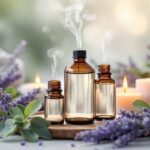
Best uses for lavender
Lavender is a good match when your pain is tangled up with stress, worry, or sleep trouble, such as:
- Tension headaches or neck tightness at the end of the day
- Postoperative discomfort when you also feel on edge
- Menstrual cramps that spike when you are exhausted
You can learn more about using it to unwind in this guide to essential oils for relaxation or for emotional symptoms in essential oils for anxiety.
Safe, simple ways to use lavender daily
- Evening diffuser ritual. Add 3 to 5 drops to a water based diffuser 30 minutes before bed. If you share your space with kids or pets, use a lower amount and keep the door open for airflow. For more blend ideas see essential oils diffuser blends.
- Tension release temple rub. Dilute 1 drop lavender oil in 1 teaspoon carrier oil, such as jojoba. Gently massage into temples, neck, or shoulders, avoiding eyes. This is especially helpful for mild essential oils for headaches routines.
- Comforting bath soak. Mix 3 to 4 drops lavender into 1 tablespoon carrier oil or unscented liquid soap, then add to warm bathwater. This doubles as a skin friendly way to enjoy essential oils for bathing.
If you have very sensitive skin, patch test a small area first and wait 24 hours before wider use.
Peppermint: Cooling relief for head, gut, and nerve like pain
Peppermint oil has a very different feel from lavender. It is brisk, cooling, and a bit more intense, which many people love on painful areas.
What the research says
Peppermint is one of the few essential oils that has been compared head to head with over the counter pain medicine.
- In a randomized double blind crossover study, peppermint oil applied to the forehead and temples reduced tension headache pain about as effectively as 500 mg of acetaminophen.
- A 2019 randomized controlled trial found that peppermint aromatherapy reduced pain from intravenous catheter insertion and also eased anxiety compared with control.
- A small 2019 pilot study suggested that peppermint oil tablets might improve non cardiac chest pain and swallowing difficulty, hinting at benefits for esophageal spasms.
Peppermint’s key ingredient, menthol, cools and slightly numbs the skin, relaxes smooth muscle, and can boost local blood flow, all of which can soften pain signals.
Best uses for peppermint
Peppermint is a smart pick when your pain is:
- A tension or sinus headache
- Mild nerve like pain or burning discomfort on the skin
- Digestive cramping from gas or IBS, with guidance from your clinician
Because peppermint is strong, you will want to be especially careful around children and people with asthma. Avoid using it on or near the faces of babies and young kids.
You can explore more targeted ideas in these guides to essential oils for headaches and essential oils for nausea.
Safe, simple ways to use peppermint daily
- Cooling headache roll on. In a 10 ml roller bottle, combine 5 to 7 drops peppermint with a carrier oil. Roll onto temples, hairline, and the back of your neck, taking care to avoid eyes.
- Post workout muscle gel. Mix 2 drops peppermint and 2 drops lavender into 2 teaspoons aloe gel or lotion. Massage into calves, thighs, or shoulders to pair cooling relief with gentle relaxation, nicely complementing routines for essential oils for muscle pain.
- Light aromatherapy during travel. Place 1 drop on a cotton ball, then keep it in a resealable bag. Open and inhale lightly during car or plane rides when you feel queasy or tense.
Never apply peppermint undiluted and never use it in the nostrils or very close to the faces of infants or toddlers.
Eucalyptus: Support for inflammatory and joint pain
If stiff, sore joints or post surgery pain are part of your life, eucalyptus is worth a look.
What the research says
Eucalyptus oil is high in cineole, a compound with anti inflammatory and mild analgesic properties.
- A 2022 randomized clinical trial of 70 people with rheumatoid arthritis found that eucalyptus aromatherapy significantly reduced pain scores compared with controls.
- Earlier research has also reported that eucalyptus aromatherapy can ease pain and lower blood pressure after total knee replacement surgery.
These are not miracle cures, but they point to eucalyptus as a helpful part of a broader joint care plan.
Best uses for eucalyptus
Eucalyptus suits you if:
- Your main pain is inflammatory, for example arthritis or post injury swelling
- You like a fresh, opening scent that also helps your breathing feel easier
- You want something that pairs well with massage for sore joints or muscles
If anyone in your home has asthma, test eucalyptus in very small amounts and stop if it triggers wheezing.
Safe, simple ways to use eucalyptus daily
- Joint massage blend. Mix 2 drops eucalyptus, 2 drops lavender, and 1 drop peppermint in 2 teaspoons carrier oil. Massage gently over knees, hands, or other joints. This kind of blend fits into a broader essential oils for arthritis routine.
- Warm compress for stiffness. Add 1 to 2 drops eucalyptus to a bowl of warm water. Soak a washcloth, wring it out, and apply to the affected area for 10 to 15 minutes.
- Light diffuser use in cool months. Use 2 to 3 drops in a diffuser for 20 to 30 minutes to support a sense of open breathing and calm when aches flare.
Avoid using eucalyptus on or near the faces of young children, and keep it well diluted on the skin.
Rose: Comfort for menstrual and pelvic pain
Rose essential oil costs more than many oils, but it only takes a small amount to create a deeply comforting, grounding scent that pairs nicely with heat and rest days.
What the research says
Rose has emerging but promising evidence for menstrual pain.
- A 2023 randomized controlled trial found that rose essential oil aromatherapy reduced menstrual cycle related pain when used alongside conventional treatments such as pain relievers.
- Additional research suggests that a 15 minute massage with rose oil can decrease menstrual cramp pain in adolescent girls, especially when combined with standard care.
You should not expect rose to replace ibuprofen or your heating pad, but it can make those tools work in a more relaxed body.
Best uses for rose
Consider rose if your pain is:
- Menstrual cramps and lower back ache
- Pelvic discomfort that worsens with stress
- Postpartum uterine cramping, with guidance from your provider
Safe, simple ways to use rose daily or monthly
Because true rose oil is potent, start very low.
- Massage blend for cramps. Combine 1 to 2 drops rose in 2 teaspoons of carrier oil. Massage gently over your lower abdomen and low back, then rest with a warm compress or heating pad.
- Comforting bath on day one. Mix 1 drop rose with 3 drops lavender in 1 tablespoon carrier oil or unscented bath base, then stir into warm bathwater.
- Pocket inhaler during work or school. Add 3 to 5 drops into a personal inhaler or a cotton wick in a small vial. Inhale slowly for 3 to 5 breaths when cramps spike but you cannot lie down.
Rose is usually well tolerated when diluted, but as always, patch test on a small patch of skin before wider use.
Bergamot: Mood lift that may ease inflammatory pain
Bergamot, the citrus scent you might know from Earl Grey tea, offers an interesting mix of mood support and potential anti inflammatory effects.
What the research says
The strongest data so far comes from preclinical studies, but there is also a 2021 systematic review that pulls this together.
- A 2021 systematic review suggests bergamot essential oil has strong analgesic effects on inflammatory pain, although much of the research was in mice and sometimes used bergamot juice rather than the oil.
- A 2021 review of preclinical studies reported that bergamot oil reduced both acute nociceptive and neuropathic pain behaviors in mice, likely through peripheral opioid mechanisms, and even enhanced the analgesic effect of morphine.
Because most of this is not yet in humans, you should think of bergamot as a supporting player, especially helpful when mood and inflammation travel together.
Best uses for bergamot
Bergamot can be a good match if you:
- Feel low or anxious when your pain spikes
- Have inflammatory pain such as joint or muscle soreness
- Prefer citrus scents to floral ones
If your skin is sun sensitive, be cautious with bergamot on exposed areas, because it can sometimes increase photosensitivity.
Safe, simple ways to use bergamot daily
- Daytime mood lift diffuser. Add 3 drops bergamot and 2 drops lavender to a diffuser during the day for a gentle brightening effect that also tempers pain related stress.
- Massage blend for sore areas. Combine 2 drops bergamot and 2 drops eucalyptus in 2 teaspoons carrier oil. Massage gently into inflamed muscles or around, not directly on, sore joints.
- In shower steam. Place 2 drops on the far corner of your shower floor and let the warm water create a mild aromatherapy cloud, ideal if you are cautious about running a diffuser around pets.
Always avoid direct sun or tanning beds on skin where you applied bergamot within the previous 12 to 24 hours unless you know your oil is labeled as bergapten free or furocoumarin free.
What the big aromatherapy studies tell you
You have seen individual oils, but how well does aromatherapy with essential oils work overall for pain?
A key 2016 systematic review and meta analysis of 12 clinical studies found the following:
- Aromatherapy with essential oils significantly reduced pain compared with controls, with a standardized mean difference of about −1.18.
- It was more effective for nociceptive pain such as postoperative or post injury pain than for inflammatory pain like chronic arthritis.
- It had a strong effect on acute pain but only a small effect on chronic pain.
- It was most helpful for postoperative pain and obstetrical and gynecologic pain, such as labor or cesarean section pain.
A 2021 systematic review of 30 preclinical studies on essential oils in male mice also found that essential oils significantly reduced nociceptive pain behaviors overall, but the authors noted high variability and bias, so translation to humans must be cautious.
For you, this means:
Essential oils are best thought of as a supportive tool that helps particularly with short term, stress linked pain spikes, and with the emotional load of living with pain.
They are not a replacement for medical care, especially if you have severe or unexplained pain.
Oils to avoid or use only with extra care
Most of this guide focuses on easy to live with oils. There is one you should treat very carefully around kids and pregnancy.
Wintergreen
Wintergreen essential oil is high in methyl salicylate, a compound related to aspirin.
According to Pharmacy Times, wintergreen has analgesic and anti inflammatory effects, but it has also been associated with pediatric deaths and negative reproductive effects in animal studies. It is considered a toxicity risk, particularly in pregnancy and in children.
If you decide to use wintergreen at all:
- Avoid it in pregnancy and in households with young children.
- Keep it away from pets.
- Only use it very well diluted on small areas of intact skin, never on broken skin.
- Treat it like a medicine and lock it up.
For most safety first homes, simpler oils like lavender, peppermint, and eucalyptus are better daily choices.
How to pick 1–3 starter oils for pain
You do not need a giant collection to get real benefits. In fact, a small, well chosen set is easier to use consistently and safely.
Here is a simple way to choose:
| Your main need | Best starter oil | Helpful add ons |
|---|---|---|
| Tension headaches, stress aches | Lavender | Peppermint |
| Menstrual and pelvic pain | Rose | Lavender |
| Joint stiffness or arthritis | Eucalyptus | Lavender, bergamot |
| Post workout soreness | Peppermint | Eucalyptus |
| Post surgery or acute pain plus anxiety | Lavender | Bergamot |
If you want one oil to do a bit of everything, pick lavender. If you want a clear two oil mini kit, pair lavender and peppermint, then later add eucalyptus or rose based on your main concern.
You can read more about choosing quality oils in this guide to therapeutic grade essential oils and about general essential oils benefits.
Simple, safe daily routines you can copy
To make essential oils for pain relief actually work for you, focus on small routines you can repeat.
1. Morning joint warm up
If you wake up stiff:
- Before you get out of bed, roll a diluted eucalyptus and lavender blend around your knees, hands, or low back.
- Do gentle range of motion stretches for 3 to 5 minutes.
- Follow with a warm shower where you use in shower steam with a drop or two of eucalyptus.
This combines movement, warmth, and aromatherapy in a single ritual.
2. Midday headache reset
When screens and stress trigger a dull ache:
- Step away from your desk for 5 minutes.
- Apply a peppermint and lavender roll on to your temples and neck.
- Practice 10 slow breaths, focusing on the cooling sensation.
If headaches are a frequent issue, look through more ideas in essential oils for headaches.
3. Evening wind down for chronic pain
If pain keeps you up at night:
- Diffuse 3 drops lavender with 2 drops bergamot 30 minutes before bed.
- Take a warm bath with a lavender and rose blend or simply with lavender if that is what you have.
- After drying off, massage a lavender based blend into your most painful areas, then use your regular medications or heat or ice as prescribed.
For extra sleep support, you can also check best essential oils for sleep.
When to stop oils and call a doctor
As user friendly as essential oils can be, there are times when you should put them aside and get medical care instead.
Stop using an oil and seek help if you notice:
- New or worsening rash, hives, or itching after application
- Trouble breathing, wheezing, or tightness in the chest
- Swelling of lips, tongue, or face
- Pain that suddenly becomes severe, sharp, or different from usual
Also call your doctor promptly if:
- Your pain is unexplained and lasts more than a few days
- You have fever, weight loss, or night sweats along with pain
- You have chest pain, shortness of breath, or weakness on one side of your body
Essential oils fit best after a clinician has helped you rule out emergencies and serious conditions, and as an add on to whatever treatment plan you already use.
Bringing it all together
When you choose essential oils for pain relief you can trust and use daily, you want:
- Oils with at least some human research, such as lavender, peppermint, eucalyptus, and rose
- Blends and routines that are simple enough to keep up, not another chore
- Safety steps that respect kids, pets, and sensitive lungs
If you are just starting, try this:
- Pick one oil, like lavender, and use it in a single way each day for a week, such as a bedtime diffuser or a diluted temple rub.
- Notice how your body and mood respond, and adjust the number of drops or timing.
- When you feel comfortable, layer in a second oil like peppermint or eucalyptus for more targeted relief.
As you get more familiar, you can explore other ways to use oils in your life, from essential oils for massage to essential oils for aromatherapy, essential oils recipes, and beyond.
Used with care, essential oils can turn pain routines into small moments of comfort and control, one diluted drop at a time.
FAQs
Do essential oils actually work for pain relief?
They can help some types of pain, especially acute and short-term pain, and can reduce stress that amplifies pain perception. Effects are typically supportive, not curative.
What’s the best essential oil for pain relief if I’m a beginner?
Lavender is the most beginner-friendly “all-rounder” because it’s widely studied and helps with the stress/sleep side of pain.
Can peppermint oil replace headache medicine?
No—but it may reduce tension-type headache intensity for some people. Always dilute and avoid use near children’s faces.
Is eucalyptus good for arthritis pain?
It may help as a complementary routine. A randomized clinical trial in rheumatoid arthritis found eucalyptus inhalation reduced pain scores alongside standard treatment.
Are essential oils safe to use daily?
Usually, yes—when diluted and used in short, ventilated sessions. Overuse and undiluted skin application raises irritation risk.
Should I ingest essential oils for pain?
Avoid ingestion unless you’re supervised by a trained clinician—improper use can cause poisoning.
Which oils should I avoid around kids?
Avoid applying strong oils near children’s faces; peppermint is specifically cautioned for infants/young children. And keep risky oils like wintergreen locked away.