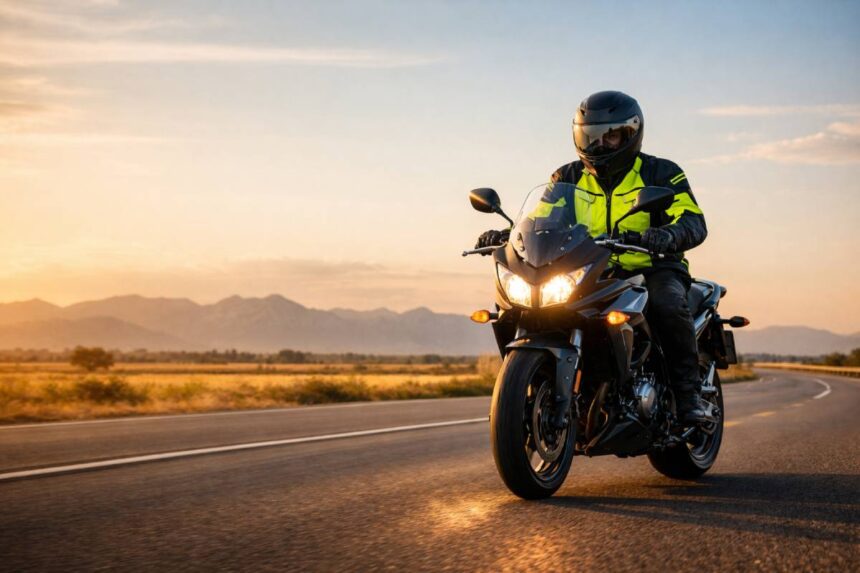
Motorcycle riding is an exciting and liberating experience, but it comes with inherent risks. Motorcyclists are more vulnerable on the road than car drivers, and accidents can result in severe injuries or fatalities. Understanding common causes of motorcycle accidents and taking proactive safety measures can significantly reduce risk. From proper gear to defensive riding techniques, riders can protect themselves and enjoy the road with confidence. Below are 8 key strategies to avoid common motorcycle accidents.
Wear Proper Protective Gear
One of the most effective ways to reduce injuries in an accident is to wear proper protective gear. Helmets are legally required in most states and are critical in preventing traumatic head injuries.
Motorcyclists should also invest in armored jackets, gloves, pants, and boots. High-visibility clothing enhances visibility, especially in low-light conditions. Protective gear is not just about compliance—it provides an essential barrier against road rash, impact injuries, and environmental hazards like wind, debris, or weather. For new and experienced riders alike, wearing the right gear is the first line of defense against accidents.
Understand Accident Liability and When to Seek Legal Help
Despite taking all precautions, accidents can still happen due to other drivers’ negligence or unsafe road conditions. Knowing your legal rights and responsibilities is essential.
If you are involved in a motorcycle accident, consulting a North Las Vegas motorcycle accidentlawyer can help protect your interests. Legal guidance ensures proper handling of insurance claims, liability disputes, and potential compensation for injuries or damages. Being aware of accident protocols, such as documenting the scene, reporting to authorities, and preserving evidence, is key to managing both the safety and legal aftermath of motorcycle incidents.

Maintain Your Motorcycle Regularly
Mechanical failure is a common cause of motorcycle accidents. Regular maintenance ensures that brakes, tires, lights, and fluid levels are functioning properly.
Checking tire pressure, brake responsiveness, and chain tension before every ride can prevent unexpected issues. Scheduled servicing by certified mechanics helps identify worn-out parts before they become dangerous. For motorcycles used daily or on long trips, consistent maintenance is essential to avoid accidents caused by equipment failure. Maintaining your bike properly protects both your safety and the safety of others on the road.

Practice Defensive Riding Techniques
Defensive riding is about anticipating potential hazards and staying prepared to react. Motorcyclists should assume that other drivers may not see them and maintain a safe following distance.
Lane positioning is crucial to improve visibility and reduce blind spot risks. Riders should be cautious at intersections, where many accidents occur, and avoid aggressive maneuvers that may surprise other drivers. Constantly scanning the road, anticipating hazards, and staying aware of surroundings significantly decreases the risk of collisions. Defensive riding transforms reactive riding into proactive safety measures.
Avoid Riding Under the Influence
Alcohol and drugs significantly impair judgment, reaction time, and coordination, making motorcycle riding extremely dangerous. Riding under the influence is a leading cause of motorcycle accidents nationwide.
Riders should always avoid alcohol or any substance that affects alertness. Planning ahead, using designated drivers, or alternative transportation methods ensures safety. Staying sober while riding not only protects the rider but also prevents accidents involving other road users. A clear mind is essential for making split-second decisions that can prevent collisions.

Adjust Riding for Weather and Road Conditions
Weather can greatly affect motorcycle safety. Rain, snow, ice, and even excessive heat or wind can change road conditions, traction, and visibility.
Riders should reduce speed, increase following distance, and take extra caution on slippery surfaces. Proper tires and gear suitable for specific weather conditions improve safety. Roads with gravel, potholes, or debris require slower speeds and heightened attention. Adjusting riding behavior to match environmental factors prevents accidents that are otherwise avoidable under ideal conditions. Awareness of weather and road surfaces is a simple but critical aspect of accident prevention.
Take Motorcycle Safety Courses
Formal motorcycle safety courses provide invaluable training for both beginners and experienced riders. Courses cover defensive riding, hazard recognition, braking techniques, and emergency maneuvers.
Training helps riders develop muscle memory, confidence, and better judgment on the road. Many courses also teach riders how to navigate complex traffic situations safely. Completing certified programs can lower insurance premiums and prepare riders to avoid accidents before they occur. Investing time in education and skill-building is one of the most effective ways to stay safe and enjoy motorcycle riding responsibly.
Stay Visible and Communicate With Other Drivers
A common cause of motorcycle accidents is other drivers failing to see the rider. Motorcycles are smaller and less conspicuous than cars, making visibility a critical safety factor.
Riders should wear bright or reflective clothing and use headlights at all times, even during daylight. Positioning your motorcycle in the lane where you are most visible and avoiding blind spots reduces the risk of collisions. Using turn signals, hand signals, and brake lights clearly communicates intentions to other drivers, allowing them to react safely.
Maintaining eye contact with drivers when possible, especially at intersections or during lane changes, ensures you are noticed and helps anticipate their actions. Riding predictably—avoiding sudden lane changes or abrupt stops, also improves visibility and reaction time.
By prioritizing visibility and communication, motorcyclists can prevent many common accidents caused by misunderstandings or lack of awareness. Combined with defensive riding, proper gear, and attentiveness to road conditions, staying visible dramatically increases safety for both the rider and surrounding traffic.
FAQs
What is the #1 cause of motorcycle crashes?
Many serious crashes happen when other drivers fail to detect motorcycles—especially during turns, merges, and at intersections. That’s why visibility + defensive riding are top priorities.
Do helmets really reduce fatalities and brain injuries?
Yes. Research summarized by NHTSA shows helmets significantly reduce fatalities and brain injuries, and universal helmet laws increase helmet use and reduce deaths.
How can I be more visible to cars?
Use headlights, wear reflective/bright gear, avoid blind spots, choose lane positions that maximize sightlines, and signal early and clearly.
What should I check on my motorcycle before every ride?
At minimum: tire pressure/tread, brakes, lights/indicators, fluids, and chain/belt condition. Small issues become big hazards fast.
Are motorcycle safety courses worth it if I already ride?
Yes. MSF-style training reinforces hazard recognition and drills emergency braking/swerving—skills that fade without practice.
What should I do right after a motorcycle accident?
Move to safety if possible, call emergency services, document the scene, get witness info, and seek medical evaluation. If liability is disputed, legal guidance can help with claims and evidence handling.