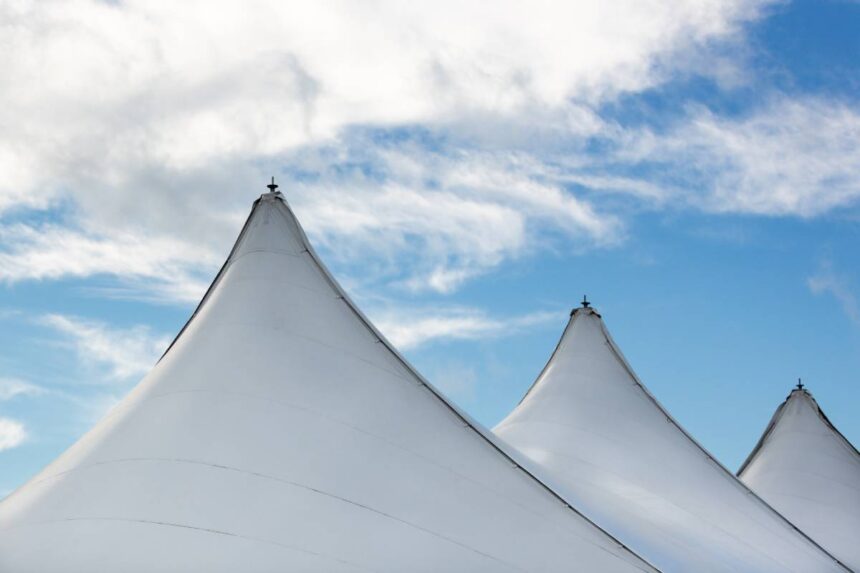
The outdoor events do not just need visual consideration; they need toughness. Whether it is an unexpected rain or a strong breezy wind, the intense sunshine and variations in temperatures, or unpredictable weather conditions, they can easily transform a planned successful event into a logistical nightmare. The canopy serves as a shield at the front line against such variables for the businesses that engage in trade shows, festivals, and outdoor exhibitions.
High-quality printed tents will serve dual purposes: increasing brand awareness and protecting individuals, products, and equipment from the weather. Canopy is not just a design choice but an investment in future-proofing durability, safety, and uninterrupted interaction, even in the face of whatever the prediction holds.
Five Must-Have Features for Weather-Ready Outdoor Canopies
1. Reinforced Frames Designed for Stability and Load Bearing
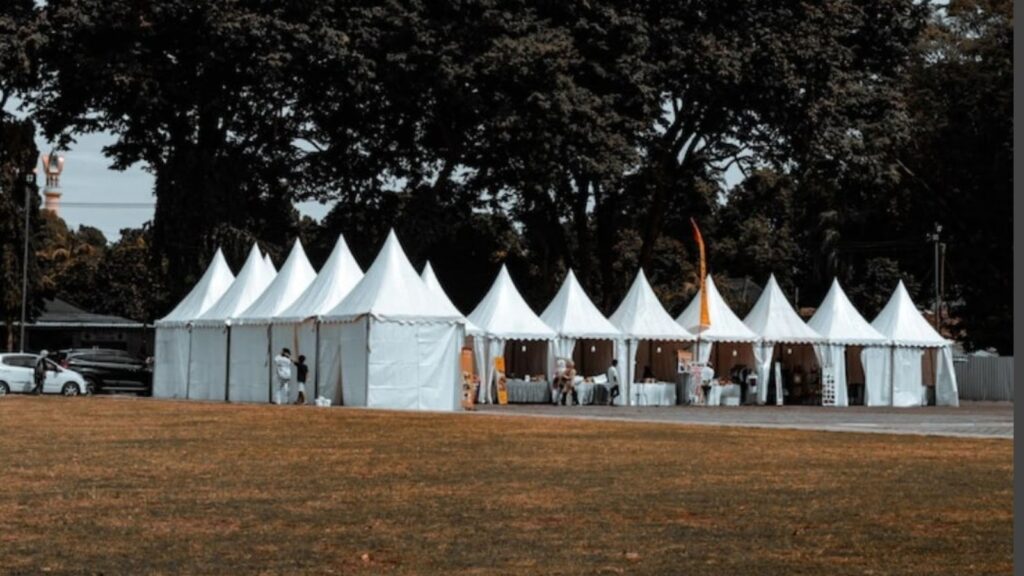
An all-season canopy, or one prepared to withstand the weather, starts with the frame. Structural integrity ensures the canopy’s performance under wind forces, uneven surfaces, and extended outdoor applications. A commercial-grade 10 x 10 canopy with reinforced aluminum or steel framing is stronger than consumer-grade lightweight canopies.
Cross-bracing, heavy-duty connectors, and internal truss systems evenly distribute load throughout the structure and eliminate stress on each joint. These supports enable the canopy to remain in place when faced with an abrupt gust of wind and to avoid twisting or falling. Coated anodized frames also prevent rust and corrosion, making them reliable over time across various activities and conditions.

2. Weather-Resistant Canopy Fabric With Protective Coatings
The canopy top is very essential, especially when it comes to weather protection. The high-performance fabrics are designed to resist rain, wind, and UV rays without losing the look. This is because polyester and vinyl materials coated with waterproof specifications do not allow water to enter or accumulate, and heat-sealed seals minimize leakage during heavy rain.
UV-resistant coatings both protect the cloth and those standing beneath it, preventing heat buildup and fading over time. In the unpredictable weather, breathable and tough fabric is very useful in controlling the temperature and still being strong. The decision to use advanced fabric treatments will make the canopy useful and aesthetically uniform in different climates.

3. Secure Anchoring and Weight Systems for Wind Protection
The best frame and even the best cloth need to be anchored to work. Wind is another frequent cause of damage to outdoor canopies, and poor anchoring is a major contributor. Professional-grade canopies have various anchoring choices that can fit various surfaces.
Stability on hard surfaces is provided by weighted plates, sandbags, and water-filled ballast systems, and the canopies are held down in grass or soil with stake-and-ground anchors. The tie-down set points can be adjusted to evenly distribute tension to reduce sway and lift. An anchored canopy is stable with the assurance of structural integrity and safety of those who are present around a canopy in case of sudden weather changes.
4. Modular Design That Adapts to Changing Conditions
Weather changes are unpredictable, which can demand swift changes. Modular canopy systems allow panels, sidewalls, and accessories to be added or removed as conditions change. Sidewalls can be removed in the event of wind and rain, but allow air to pass when the conditions are favorable.
Clearings or nettings are used to let light in and keep wind out, providing a comfortable atmosphere without closing the room. The modular designs also support partial enclosure, allowing the business to modify the layout without taking down the entire building. This flexibility ensures there is no stalling in operations, even during the day, as weather patterns change.

5. Drainage, Ventilation, and Smart Engineering Details
Minor engineering factors have a huge impact on canopy performance. With integrated ventilation vents, the wind pressure under the canopy is reduced, reducing the risk of uplift during gusts. Adequate air circulation also helps eliminate heat, making it more comfortable in hot weather.
The sloped roof layout and strong drainage systems are used to direct rainwater out of the center of the canopy and eliminate sagging and taut fabrics. Stress points and reinforced corners take tension at the most critical points. The combination of these design features is intended to provide greater safety, durability, and comfort when used for extended periods in the field.
End Point
Success in outdoor events is measured through preparedness. You can achieve premium-quality tents with a well-designed canopy, fortified framing, weather-resistant cloth, fixed anchoring, modular functionality, and smart engineering to ensure uniform performance in unpredictable climates.
In addition to protection, the attributes ensure brand presence and engagement and minimize the need for expensive, disruptive elements. A weather-ready canopy investment guarantees that a person will be available in any weather, be it rain, wind, or sun, and be reliable, professional, and peaceful at all times at any event.