Managing your finances in 2026 comes with unique challenges. The cost of living is high, inflation is still nibbling at our paychecks, and new technologies and trends are reshaping how we save. But it’s not all doom and gloom — with the right long-term strategies, you can save money in 2026 and build a more secure future. Whether you’re a young adult just starting out, raising a family, enjoying retirement, or making ends meet on a tight budget, there are savvy ways to reduce your cost of living and boost your savings.
In this article, we’ll explore practical tips for saving money in America amid inflation and current trends. From coping with rising prices to embracing eco-friendly lifestyles, leveraging budgeting apps and AI tools, tapping into side hustles, and even teaming up with your community, we’ve got you covered. Let’s dive into these strategies and set you on the path to long-term financial success.
Weathering Inflation and High Cost of Living
Inflation in America remains a concern in 2026, as many people feel prices creeping up on everything from groceries to utilities. In fact, about 65% of Americans expect inflation to be higher in 2026, and many worry their disposable income and standard of living will fall. While annual inflation has moderated compared to the post-pandemic peak, it’s still above the Federal Reserve’s target, meaning everyday costs haven’t exactly dropped. The key is to make smart, selective cuts and adjustments that protect your purchasing power without ruining your lifestyle.
- Review and Trim Monthly Bills: Inflation often quietly inflates your recurring bills. Take a hard look at your phone, internet, and streaming subscriptions. Providers sometimes hike rates or roll back introductory deals without much fanfare. By reviewing bills and canceling or negotiating down unnecessary expenses, you can counter some inflation impact without major sacrifices. Many streaming services and apps have raised prices over time, so pruning just a couple of unused subscriptions can free up cash. (Pro tip: some mobile apps and bank tools can even identify and cancel subscriptions for you automatically — more on that later.)
- Swap and Save on Everyday Spending: Not all cost cuts hurt equally. Some simple swaps can yield serious savings without feeling like deprivation. For example, try buying store-brand groceries and household products instead of name brands — often the quality is similar since they may even come from the same manufacturers, but the price is lower. Shop second-hand for clothing, furniture, or electronics whenever possible; with higher retail prices, thrift stores and online resale marketplaces stretch your dollars further. Also, take a bite out of your food budget by cooking at home more and dining out a bit less. Restaurant meals can cost three times more than home-cooked meals, so even swapping a few takeouts for home cooking each month makes a difference. These changes can significantly reduce your cost of living without feeling like a major downgrade to your lifestyle.
- Delay Big-Ticket Upgrades: If you’re considering major purchases like a car or appliance, weigh the cost carefully. Prices for new cars, for instance, have been steep thanks to supply issues and higher interest rates, so hanging onto your current vehicle a bit longer can save more money than cutting dozens of small expenses. Prioritize needs vs. wants in big spending decisions, especially while inflation is elevated.
- Protect Yourself from Debt and Rate Hikes: High inflation often goes hand-in-hand with higher interest rates, which makes credit card debt especially costly. One long-term strategy is to pay down high-interest debts as fast as you can. Carrying a $5,000 balance on a credit card at 20% APR, for example, drains your money through interest. By eliminating that debt, you free up those dollars for savings and shield yourself from future rate increases. As experts note, when inflation sticks around, paying down high-interest debt is one of the best moves to protect your purchasing power.
- Earn More on Your Savings: Don’t let your hard-earned savings languish in an account earning near-zero interest. In recent years, online banks and credit unions have offered high-yield savings accounts that significantly outpace traditional banks’ rates. Many high-yield accounts are still paying around 4–5% APY in early 2026, which is about 12 times the national average rate for savings. That means your money grows faster and keeps up better with inflation. Look for a safe, FDIC-insured account with a top rate – for example, some reputable online banks are offering 5.00% APY on savings right now. By moving your emergency fund or long-term savings into a high-yield account, you’ll combat inflation and earn risk-free returns, boosting your financial resilience. (Tip: also consider inflation-protected government bonds or CDs if you can lock money away for a while, as these can offer solid yields when inflation is high.)
In short, fighting inflation requires a mix of tightening up your budget and making your money work harder for you. The good news is these steps — budgeting smarter, shopping savvier, and minimizing costly debt — aren’t just short-term fixes. They’re long-term financial habits that will pay off for years to come, inflation or not.
Read Also: Financial Freedom: Expert Tips to Manage Your Money Like a Pro

Embrace Eco-Friendly Living to Save Money (Go Green to Save Green)
Going green isn’t just good for the planet — it can also be great for your wallet. In 2026, the trend toward eco-friendly lifestyles and green energy is in full swing, and it’s helping Americans save money in surprising ways. Adopting sustainable habits and technologies can lead to lower utility bills, tax breaks, and even extra cash back in your pocket over time.
- Energy Efficiency at Home: One of the best long-term investments is making your home more energy-efficient. Simple fixes like swapping incandescent bulbs for LEDs, installing smart thermostats, and improving insulation can cut electricity and heating costs year-round. According to sustainability advocates, the shift to a green economy could save families around $1,000 per year in energy costs on average. Think of it as giving yourself a raise via a smaller utility bill. If you own your home, consider bigger upgrades like energy-efficient appliances or solar panels. Federal incentives from 2022’s Inflation Reduction Act are still available, offering tax credits and rebates on things like rooftop solar, efficient HVAC systems, and more. These upgrades can pay for themselves over time through energy savings. Even renters can benefit from greener choices: for instance, using blackout curtains and unplugging devices when not in use can trim electricity usage.
- Green Power and Renewables: Many utility companies now let you opt into purchasing green energy (from sources like wind or solar) for your home’s electricity. In some areas, installing solar panels or using community solar programs can drastically reduce your monthly electric bill once the system is set up. Government incentives make these options more affordable, and the Inflation Reduction Act provides tax credits to help cover the cost of solar installations and home batteries. Over the long run, renewable energy can shield you from rising fossil fuel prices and lower your expenses. For example, solar panels typically pay for themselves after several years and then essentially provide free power thereafter, increasing your savings each year.
- Save on Gas (or Ditch it Completely): Transportation is a major expense for many households. Adopting eco-friendly transit can lead to big savings. If you can, use public transportation, carpool, or bike to cut down on gas and parking costs (all while reducing carbon emissions). If you’re in the market for a vehicle, consider a fuel-efficient or electric car. Electric vehicles (EVs) often cost more upfront but can save families thousands of dollars in fuel and maintenance costs over the life of the car. Plus, new EV purchases in 2026 still qualify for federal tax credits up to $7,500, making them more affordable. Even used EVs can qualify for a $4,000 credit. By driving electric, you dodge volatile gasoline prices and spend far less on “fuel” (electricity is typically much cheaper per mile). And if an EV isn’t feasible, simply driving your existing car more gently and keeping up with maintenance (proper tire inflation, timely oil changes) can improve fuel efficiency and save you money on gas.
- Waste Less, Save More: Embracing an eco-friendly lifestyle often means adopting a “reduce, reuse, recycle” mindset — which just so happens to save money too. For example, cutting back on single-use products and using reusables can add up: think reusable water bottles, coffee cups, and cloth shopping bags instead of constantly buying disposables. Starting a small vegetable garden or joining a community garden can yield fresh produce for a fraction of store prices (and no packaging waste). Harvesting rainwater for your garden and lawn is another green move that lowers your water bill. Even habits like buying second-hand goods (furniture, clothes, etc.) are eco-friendly forms of recycling that keep items out of landfills and keep more money in your bank account.
- Leverage Green Incentives: Keep an eye out for community or government programs that reward sustainable choices. Some utility companies offer rebates for installing energy-efficient fixtures or even pay you for saving energy. (For instance, certain apps and programs will give you cash credits for reducing electricity use during peak demand times.) The push for green energy has also led some states and cities to offer additional rebates on electric appliances, bikes, and more. By taking advantage of these, you essentially get paid to go green.
In summary, living eco-friendly in 2026 isn’t just about altruism — it’s a practical financial strategy. Lower bills, cash-back incentives, and long-term cost reductions are the payoff for making greener choices. As the saying goes, go green to save green! Not only will you help fight climate change, but you’ll also find extra money in your budget each year as a result.
Read Also: Dine Without the Drain: Tricks to Save Money on Food While Traveling

Leverage Technology: Budgeting Apps and AI Tools for Saving
Technology has become a game-changer for personal finance. Gone are the days of scribbling budgets in notebooks or manually tracking expenses on spreadsheets. In 2026, you have a world of budgeting apps, financial tech, and even AI tools ready to do the heavy lifting and help you save money effortlessly. Whether you need help sticking to a budget, finding better deals, or automating your savings, there’s an app (or three) for that!
Why use tech for budgeting and saving? For one, these tools make money management easier and more efficient, which means you’re more likely to stay on top of it. They can provide real-time insights, send helpful alerts, and even take action on your behalf. Many apps today use artificial intelligence to analyze your spending patterns and offer personalized advice.
Some will comb through your subscriptions and cancel the ones you forgot about, or automatically set aside small amounts into savings so you hardly notice it. The result: users often save more with these tools than they would on their own. In fact, popular AI-powered finance apps like Cleo, Rocket Money, and Hopper have been shown to save people on the order of $80 to $500 a year by optimizing budgets, canceling wasteful subscriptions, and hunting down deals.
Top Budgeting and Saving Apps in 2026
To give you a lay of the land, here’s a comparison of some highly recommended budgeting and saving tools. Each has its own twist, so you can pick what fits your style:
| App / Tool | Key Features & Benefits | Cost (2026) |
|---|---|---|
| Cleo – AI Budget Chatbot | Friendly AI chatbot that tracks your spending and gives personalized budgeting advice in a casual tone. Automatically analyzes your income and expenses to suggest how much you can save. Fun features like “roast mode” to call out bad spending habits. Autosaves money for you in small chunks you won’t miss. | Free basic version; Optional Cleo+ subscription for $5–$15/month (adds premium features like salary advances). |
| Rocket Money (formerly Truebill) | AI-powered expense tracker focused on managing subscriptions and bills. Scans your accounts to find recurring charges and lets you cancel unwanted subscriptions with a tap. Can negotiate bills (like cable or phone) to lower rates on your behalf. Also includes budgeting tools and automated savings deposits. | Free basic version; Premium $6–$12/month for full suite (includes bill negotiation & premium support). |
| YNAB (You Need A Budget) | A popular zero-based budgeting app that’s great for hands-on planners. Helps you allocate every dollar a “job” (bills, goals, etc.) and encourages mindful spending. Syncs with your bank or you can manually input transactions for full awareness. Strong community and educational resources on budgeting. Many users credit it with helping them save significant amounts by budgeting proactively. | Paid subscription: $14.99/month (or $109/year) after a free trial. Discounts available for students. |
| EveryDollar by Ramsey Solutions | Simplified budgeting app (based on the Dave Ramsey method). Easy drag-and-drop budgeting for monthly expenses, and it encourages you to plan spending before the month starts. The free version requires manual expense tracking, while the paid version connects to your bank for automatic tracking. It’s straightforward and family-friendly for those who want a basic budgeting tool. | Free for manual tracking; Plus version ~$79/year (around $6.58/month) for bank connectivity and extra features. |
Table: A quick comparison of budgeting apps and AI tools to help manage your money. 🎉
As you can see, most of these tools have a free option or trial, so you can test-drive them. Many are also low-cost relative to the savings they can generate. For example, an app that helps you save $100 by nixing unused subscriptions pays for itself if it’s only $5 a month. And as one Bankrate review noted, these apps act like a personal financial assistant in your pocket, minus the hefty advisor fee.

Other tech tools to consider: Beyond budgeting apps, there are browser extensions and services that save you money automatically. For instance, coupon-finder extensions like Honey or Capital One Shopping will auto-apply promo codes at checkout when you’re shopping online, potentially saving you a chunk on purchases. Gas price apps like GasBuddy help you find the cheapest fuel nearby. There are even AI-powered travel apps (like the aforementioned Hopper) that predict flight prices and hotel rates, alerting you when it’s the best time to book for maximum savings.
The takeaway here is simple: embrace technology to streamline your savings. Set up alerts in your banking app to notify you of large transactions. Let an AI app figure out where you’re overspending and suggest fixes. Use automation to transfer a bit of money to savings each week or round up your purchases and save the change (some banking apps and tools like Acorns do this). By leveraging these digital tools, you make saving money a background process in your life — almost on autopilot. In the long run, that can lead to big results with minimal effort on your part.
Read Also: 50 Budget Travel Hacks to Save Money on Your Next Trip
Boost Your Income with Remote Work and Side Hustles
Cutting expenses is one side of the coin; earning more income is the other. In the face of rising costs, many Americans are turning to remote work opportunities, freelancing, and side hustles to bring in extra cash. In fact, side gigs have practically become mainstream — about 39% of working Americans have a side hustle in recent surveys, including nearly half of all millennials! If inflation is squeezing your budget, increasing your income can be a powerful long-term strategy to stay ahead.
The remote work revolution that accelerated in the early 2020s means more people can work from anywhere and often have more time (no commute) to pursue additional work. If you have a full-time job, see if remote or hybrid work is an option — working from home, even part-time, can save you money on transportation, lunches out, and even housing (since you might live further from expensive city centers). Some workers have even relocated from high-cost-of-living cities to more affordable areas thanks to remote work, effectively giving themselves a cost-of-living raise.
In 2026, remote job listings are plentiful across industries, from tech and marketing to customer service and accounting. By reducing daily work expenses and potentially moving somewhere cheaper, remote work can indirectly help you save money as well as maintain a better work-life balance.
Freelancing and side hustles deserve a special mention. With online platforms and the gig economy, it’s easier than ever to monetize your skills or hobbies on the side. Popular side hustles in 2026 include things like:
- Freelance services: Do you write, code, do graphic design, or consult in a professional field? Websites like Upwork, Fiverr, or Freelancer connect you with clients worldwide. Even a few gigs a month can pad your income significantly.
- Remote side jobs: Many find part-time remote roles in virtual assistance, social media management, online tutoring, or customer support that they can do in evenings or weekends. These often pay decently and can be done from home. (As an example, freelance writing or virtual bookkeeping can bring in a few hundred dollars a month or more, depending on your hours.)
- Online selling: The boom of e-commerce means you can also make money reselling items or selling your own products. Platforms like Etsy (for crafts/designs), eBay, Poshmark (for clothes), or Amazon Marketplace let you run a mini business from home. Some people flip thrift store finds, others sell print-on-demand t-shirts — the possibilities are endless.
- Content creation and monetization: If you have a passion or expertise, consider creating content around it (like a blog, YouTube channel, or TikTok). It takes time to grow an audience, but eventually you might earn through ads, sponsorships, or affiliate marketing. This is a long-term play, but some are turning hobbies into serious side income streams.
- Gig economy jobs: These include driving for rideshare (Uber/Lyft), delivering groceries or food (Instacart, DoorDash), pet sitting (Rover), or odd jobs (TaskRabbit). They offer quick ways to earn on a flexible schedule. Keep in mind mileage and wear on your car if you drive, but many folks use these gigs to bridge income gaps.
Why are so many people hustling on the side? A lot of it is economic necessity. Roughly 41% of side hustlers say they need the extra money to pay bills and make ends meet. Inflation has played a role too — in 2022, about 29% of people said inflation pushed them to start a side hustle. But it’s not only about survival; many are also using side hustle income for savings and investments (nearly 43% said they channel side gig money into savings or disposable income). That extra few hundred bucks a month could be funding your emergency fund, your IRA, or your future vacation.
If you’re considering a side hustle, play to your strengths and schedule. Start with something you enjoy or are skilled at, so it doesn’t feel like a second full-time job. Also, be mindful of taxes (set aside some of your side income for tax time, since freelancing usually doesn’t withhold taxes for you). And watch out for burnout; balance is key when juggling multiple income streams.
Upskilling for the future: Another aspect of boosting income is investing in your own skills and education. The job market in 2026 rewards adaptability. Learning a new high-demand skill (like a programming language, digital marketing, data analysis, etc.) could help you land a better-paying job or qualify for freelance work.
Many free or low-cost online courses are available, and this can be a great long-term investment in your earning potential. Remember, increasing your income has a virtually unlimited upside, whereas cutting costs can only go so far. By growing your income while keeping expenses in check, you widen the gap to save and invest more for your future.
Read Also: Affordable Shopping for Kids: tips to Save Money Today
Save Together: Community and Cooperative Saving Strategies
Sometimes, the best way to save money is to join forces with others. A growing trend in 2026 is turning to community-based and cooperative strategies to cut costs and build financial security. Whether it’s pooling resources with neighbors, sharing goods and services, or participating in group financial arrangements, tapping into your community can unlock savings that might be hard to achieve alone. Plus, it often comes with a side benefit of building relationships and mutual support.
Here are some community-driven saving ideas making waves:
- “Buy Nothing” Groups and Gift Economies: Why pay for something when someone nearby is trying to give that very thing away? The Buy Nothing movement has exploded in recent years, with local groups (often on Facebook or dedicated apps) where people give away items they no longer need — everything from clothes and electronics to furniture and kids’ toys. By checking your local Buy Nothing group or freecycle community first before heading to a store, you can literally get goods for free. Participants have reported saving over $3,000 a year by sourcing things like clothing, baby gear, and household items through the Buy Nothing network instead of buying new. It’s a win-win: you save money and reduce waste, while also helping neighbors declutter. Even if you can’t find everything free, you might at least get certain items (like that extra kitchen gadget someone’s getting rid of, or some baby clothes that a family has outgrown), saving you hundreds of dollars.
- Tool Libraries and Shared Resources: Ever needed a power drill or a ladder for a one-time project? Instead of buying new, communities are forming tool lending libraries where members can borrow tools and equipment as needed. These libraries operate like a regular library, but with tools, gardening equipment, even kitchen appliances or camping gear available. By borrowing rather than buying, members of a tool library can save a lot. For example, one community tool library in Australia found they saved their members an average of $500 each in a year just through shared borrowing. In the U.S., more cities and neighborhoods are adopting this concept. Check if there’s a tool library, “library of things,” or makerspace in your area. If not, you could even start an informal sharing circle with friends or neighbors — pooling rarely used items so everyone spends less. (Why should ten households on the block each own an expensive lawnmower that sits idle most of the week? Share one and rotate usage!)
- Community Gardens and Bulk Buying Co-ops: Food is a big part of everyone’s budget. Community gardens allow people to collectively grow fruits and veggies, which can lower grocery bills (and provide fresher produce). Even if you don’t have space to garden, some neighborhoods have cooperative buying clubs or CSAs (Community Supported Agriculture) where members get farm produce in bulk at lower prices than the supermarket. Similarly, forming a small co-op with friends for buying staples in bulk (rice, beans, cleaning supplies) and splitting the costs can net each person savings. Buying 50 pounds of rice at a wholesale price and sharing it, for example, is cheaper per pound than buying small bags retail.
- Cooperative Housing and Shared Living Arrangements: Housing costs are a huge strain, so people are getting creative here, too. Multi-generational living (family members sharing a home) or cooperative housing arrangements (like co-living houses where unrelated people share a big house and split costs) are ways to save on rent or mortgage, utilities, and more. If you have extra space, taking on a reliable roommate or tenant can offset housing costs significantly. Alternatively, some retirees and empty nesters are house-sharing for companionship and financial benefit — a spare room rented out not only brings in income, but can also provide social interaction. These setups obviously require the right match and clear agreements, but they show how thinking beyond the traditional single-family household model can reduce the cost burden on each individual.
- Rotating Savings Clubs (ROSCAs): In some cultures and communities, people use rotating savings and credit associations (essentially group savings circles) to help each other save and access lump sums of money. How it works: a group of people agrees to contribute a fixed amount of money into a common pot every month, and each month, one member gets the entire pot. It rotates until everyone has received a payout. This can be a way to stay disciplined (peer pressure helps you commit to saving each month) and to get an interest-free lump sum when it’s your turn. Modern versions of this concept exist in fintech apps too, where friends can form a savings circle digitally. If trust is high among your circle, this can be a helpful strategy, especially for big goals (each person eventually gets a chunk to perhaps pay down debt or make a big purchase, and everyone contributes equally over time).
- Community Discounts and Resources: Don’t overlook local resources. Public libraries, for instance, save you money not just on books but often offer free digital resources (like e-books, audiobooks, streaming movies, even museum passes). Some communities have local exchange programs or time banks where you trade services (e.g., you tutor someone’s child in math, someone else fixes your leaky faucet — no money needed). Keep an ear out for local workshops on financial literacy, home repair, cooking, etc., which can empower you to DIY and save. And if you’re struggling, community organizations or co-ops might offer sliding scale services, be it childcare, healthcare clinics, or food cooperatives for low-income residents. Utilizing these resources can ease financial pressure while connecting you with neighbors.
The overarching idea is “we’re all in this together.” By sharing, trading, and cooperating, people can collectively reduce expenses and help each other out. In addition to the monetary savings, many folks find that these community-based approaches make them feel more supported and resilient. Financial stress is easier to handle when you have a community to lean on.
So, whether it’s swapping items for free, borrowing instead of buying, or pooling money and resources, consider tapping into the power of community. It’s an age-old way to save money that’s regaining popularity in our modern age — and it might just be one of the most heartwarming strategies on this list.
Read Also: Thrifty Relocation: Strategies to Save Money on Long-Distance Moving
Conclusion: Building Financial Resilience for the Long Haul
Saving money in 2026 requires a mix of old-school wisdom and new-age innovation. We’ve covered a lot of ground: adjusting your spending to handle inflation, going green to cut costs, using cutting-edge apps and AI for budgeting, boosting your earnings with side hustles, and leaning on the community to save together. These strategies are all about playing the long game. By adopting sustainable habits, leveraging technology, and thinking creatively, you’re not just saving a few dollars here and there — you’re setting yourself up for long-term financial stability and success.
Remember, personal finance is personal. Not every tip will apply to everyone’s situation, and that’s okay. Pick the strategies that resonate with you and fit your life stage. A young adult renter might focus on trimming discretionary spending and using budgeting apps, while a family might invest in solar panels and bulk buying to slash recurring costs. A retiree on a fixed income might downsize housing or join community programs to save, while a low-income earner might prioritize eliminating debt and finding a flexible side gig for extra cash. Mix and match approaches to create your own financial game plan.
A few final actionable takeaways to leave you with:
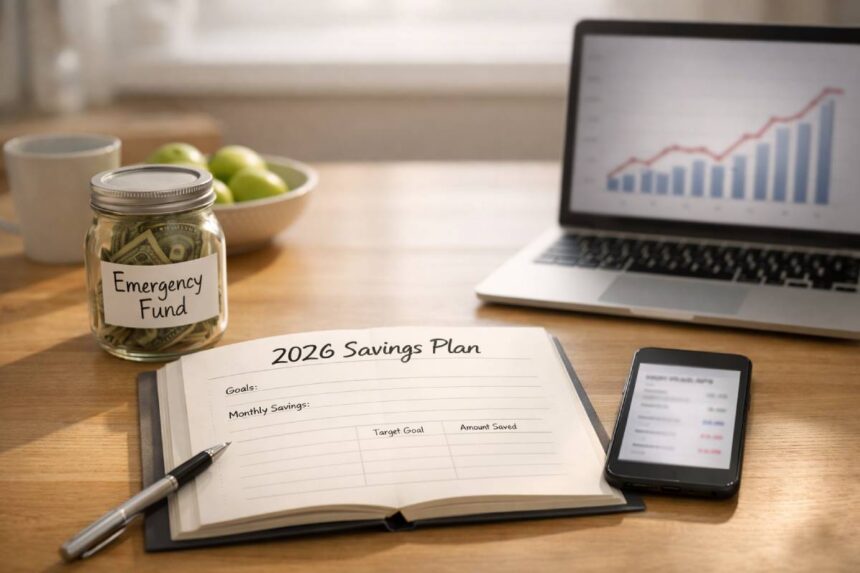
- Make a plan (and write it down): Set some specific savings goals (e.g., build a $10,000 emergency fund in 2 years, save for a home down payment, etc.) and outline which strategies will help you get there. Having clear goals keeps you motivated.
- Automate what you can: Set up auto-transfers to savings or investment accounts, so paying yourself comes first. Use bill autopay to avoid late fees. Let technology remember things so you don’t have to.
- Keep learning and adapting: The financial landscape will keep evolving. Stay informed about new tools, changing economic conditions, and opportunities (like new tax credits or community programs). If 2020–2025 taught us anything, it’s to be prepared for surprises!
- Celebrate wins and be patient: Saving money is a marathon, not a sprint. Celebrate milestones along the way, whether it’s paying off a credit card or hitting a savings target. And don’t be too hard on yourself if progress feels slow. Every little bit counts, and it does add up over time.
By focusing on these long-term strategies, you’ll cultivate habits that not only help you save money in 2026 but continue to pay off in 2027, 2028, and beyond. Despite economic ups and downs, you’ll have the tools and resilience to thrive financially. Here’s to a future where you feel confident about your money and reach the goals that matter to you. Happy saving – you’ve got this! 🎉💰