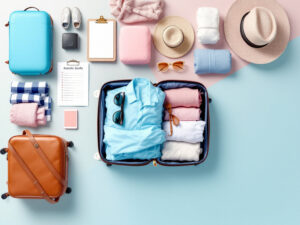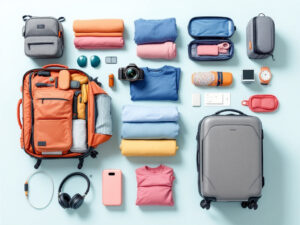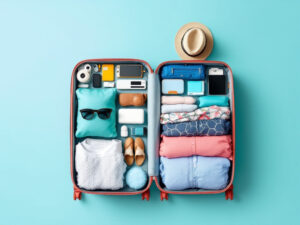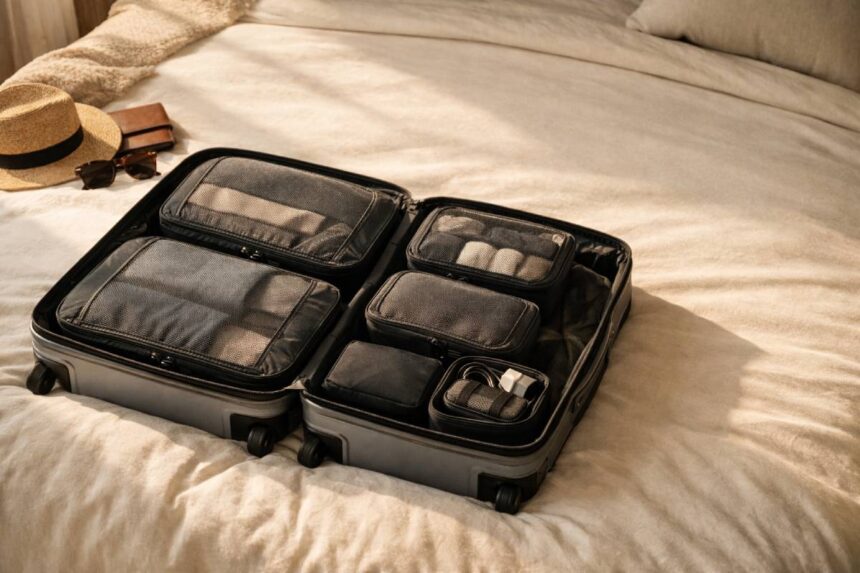
Small packing cubes might look tiny, but they can completely change how you pack and live out of your bag on the road. Whether you are preparing for your first international trip, optimizing your weekly business carry on, or organizing clothes for the whole family, the right small cubes help you find what you need fast, prevent wrinkles, and keep your suitcase from turning into a jumble of fabric by day three.
In this guide, you will learn exactly how to use small packing cubes strategically, what to look for before you buy, and which specific options work best for different types of travelers. Along the way, you will see how small cubes pair with large packing cubes and full travel packing cubes set systems so you can build a setup that fits your style of travel, not the other way around.
Why small packing cubes are worth it
Small packing cubes are not just mini versions of larger ones. They shine in situations where you need tight organization and quick access to essentials.
You will especially appreciate small cubes if you:
- Travel carry on only and want to use every inch of space efficiently
- Share luggage with a partner or kids and need clear separation
- Move often on long trips and live out of your bag for weeks at a time
- Work on the go and carry lots of chargers, cords, and tech accessories
What are small packing cubes best for?
You will get the most value from small packing cubes when you assign them very specific jobs. For example, you can use small cubes to:
- Group all socks and underwear so you are not digging through your entire suitcase
- Hold sleepwear or workout clothes in one easy to grab spot
- Store delicates and thinner fabrics that you want to protect from snagging
- Organize electronic chargers, cords, and other accessories so they do not tangle or get lost in pockets
Many travelers use small packing cubes as a flexible packing cube organizer system. You might use one for clean underwear, a second for dirty laundry, and a third for tech. Some families color code small cubes so each person gets their own shade, which instantly reduces “whose socks are these?” moments at the hotel or in the Airbnb.
When smaller really is smarter
On longer trips, it can be tempting to think that bigger cubes are always better. In reality, you will probably want a mix of sizes. Some travelers report using only two large cubes for multi week trips to maximize raw space, while skipping smaller cubes because they feel less efficient for bulky items.
You can adopt a hybrid approach. Use large cubes for jeans and sweaters, and then rely on small cubes to control the chaos of smaller pieces and accessories. This works especially well if you pack in an under seat backpack, slim roller, or use packing cubes for carry on.
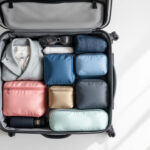
The sweet spot is simple. Let big cubes handle volume, and let small cubes handle order.
Key features to look for in small packing cubes
Small packing cubes look simple, but a few details can make a huge difference in daily use. Before you buy, it helps to think about how you actually travel.
Material and durability
For frequent flyers, durability matters as much as organization. Many of the best small packing cubes use recycled PET plastic bottles with nylon zippers and mesh tops. This combination gives you:
- Lightweight fabric that does not weigh down your bag
- Solid resistance to snags and small tears
- Partial transparency so you can see what is inside without opening everything
Nylon or polyester ripstop fabrics are particularly good choices for small cubes. They are light yet strong, resist holes, and maintain their shape in tightly packed bags, which is ideal if you are using packing cubes for backpackers or stuffing cubes into oddly shaped backpacks.
If you travel hard, look for brands that mention higher denier counts (for example, 300 denier polyester) and offer strong warranties. Some sets, like Eagle Creek’s Pack It Reveal cubes, use 300 denier polyester and back the product with a lifetime warranty, which tells you the fabric is built to last.
Ventilation and visibility
Because small cubes often hold underwear, socks, or sweaty gym clothes, ventilation and visibility both matter.

Mesh front panels are useful on small cubes because they:
- Let air circulate, which helps clothes stay fresher on longer trips
- Make it easy to identify contents in a second
- Give you a quick visual inventory so you know when laundry day is coming
Some ultra lightweight cubes skip mesh but use translucent fabric so you can still see what is inside. This is the case with options like the Eagle Creek Pack It Isolate set, which uses thin ripstop nylon that remains slightly see through and water resistant at the same time.
Compression or expansion
If you like to pack a lot into a small carry on, compression is worth paying attention to. Compression cubes use a secondary zipper to squeeze out excess air after you zip the main compartment. This reduces bulk and lets you fit more into the same suitcase.
Expansion cubes work the opposite way. They include an expansion zipper that can double your packing space when needed. This design is handy if your return trip usually includes extra clothes or souvenirs.
For small packing cubes, compression is especially helpful for:
- Socks and underwear, which compress easily
- Lightweight tees and sleepwear
- Kids clothes that can be rolled and squished without issue
You can think of compression small cubes as a flexible backup when your bag is close to full and you need a little more room in your packing cubes for suitcase setup.
Zippers, handles, and shape
You will open small cubes often, so the hardware should feel smooth and reliable. Look for:
- Three side or clamshell openings that unzip wide so you can see everything inside
- Strong, snag free zippers that do not catch on lightweight fabrics
- Small handles that make it easy to pull cubes out of tight spaces
Slim, rectangular cubes fit better into most suitcases and backpacks than square ones. This shape also allows you to stack two smaller cubes side by side in the space of one larger cube, a layout that Eagle Creek designs around so you can nest sizes together.
How to choose the right size of small cube
Not all “small” packing cubes are identical. Some brands label half cubes or XS cubes as small, while others use “small” for cubes that feel closer to a medium. Rather than focusing purely on labels, think about what you want each cube to hold.
Below is a rough size guide in practical terms:
| Cube size (typical) | What it usually fits | Best use cases |
|---|---|---|
| Extra small / half cube | 3 to 5 pairs of socks, 3 to 4 pairs of underwear, a sports bra or two | Daily underwear, cable kit, medicine pouch |
| Small | 5 to 8 pairs of underwear, a set of pajamas, or 2 to 3 lightweight t shirts | Sleepwear, workout outfits, kids outfits |
| Small compression | Same as small cube but squished flatter | Carry on only trips, backpacking, overpackers |
| “Small” tech cube | Chargers, phone and laptop cables, travel adapter, power bank | Packing cubes for electronics |
Every brand measures differently, so you will want to check exact dimensions if you are pairing cubes with a specific bag or packing cubes for carry-on luggage. If you usually travel with a 40 liter backpack, for instance, two small cubes plus one medium often fit far better than a single large.
Best small packing cubes for different travelers
The best small packing cube for you depends on how you travel, not just how often. Below, you will see how certain designs match the needs of business travelers, backpackers, and families, using real product examples from the research.
For frequent business travelers
If you fly often for work, your priorities are usually speed, wrinkle control, and a professional looking bag interior that you can open in a meeting without embarrassment.
Small cubes help by:
- Giving socks and underwear a discreet home away from laptops and folders
- Keeping ties, belts, and smaller accessories flat and easy to find
- Letting you pre pack gym clothes or sleepwear so you can change quickly after long flights
High quality sets such as those from Carl Friedrik offer four cubes in different sizes, suitable for socks, ties, shoes, and shirts. This kind of matched set looks sleek in a business carry on and helps you maintain a consistent system from trip to trip.
You might complement those with very light lightweight packing cubes for electronics. One dedicated tech cube for cables and chargers means you can breeze through security and set up your hotel room desk without rummaging through clothes.
For backpackers and digital nomads
If you live out of a backpack or move destinations frequently, you feel every ounce. Materials like nylon or polyester ripstop become more important because they offer serious durability without adding weight.
Backpackers tend to favor:
- Ultra light small cubes for underwear and base layers
- Compression cubes to shrink clothing into compact bricks
- Translucent or mesh fronts so there is no guesswork in hostel dorms
Options like the Eagle Creek Pack It Isolate Compression Cubes are popular among travelers in online communities because they are made from 100 percent ocean recycled fabrics and are extremely light for the amount of compression they offer. Thule Compression Cubes, which often come in a small plus medium two pack, offer strong compression as well, with a high compression rating for travelers who want to minimize bulk.
If you are traveling with only an under seat backpack, experienced travelers report that one large cube for shorts, tops, and undergarments can work, with a small cube for socks or delicates. The small cube keeps the tiniest items from disappearing to the bottom of the bag, and it helps you stay neat during quick security checks.
For family travelers
Traveling with kids multiplies the number of small items you juggle, from socks and pajamas to tiny t shirts and swimsuits. Here, small packing cubes are less about saving space and more about saving sanity.
You can use small cubes to:
- Give each child a dedicated cube for underwear and socks
- Pack outfits by category, such as a “sleep cube” and “swim cube”
- Separate clean and dirty clothes so smells do not spread through everyone’s things
Eagle Creek’s small cubes are often highlighted as ideal for organizing kids t shirts, tank tops, and underwear. Two tiny XS cubes can fit inside a larger S cube, so you can keep each child’s things separate while still stacking everything into one shared suitcase.
Color coding also works extremely well for families. If you choose small packing cubes in different colors, each person gets a visual cue that makes mornings in hotel rooms or vacation rentals far easier.
For first time international travelers
If you are planning your first big trip abroad, you may not own any packing cubes yet. It is tempting to order a large mixed set and figure it out later, but you will get better results if you know what to do with each cube from day one.
Seasoned travelers like Terilyn Adams, who has packed for long trips with varied weather, recommend using a variety of sizes and organizing clothes by type rather than by outfit or day. For example, she suggests:
- Smaller cubes for underwear
- Larger ones for pants or bulkier layers
- Combining similar items like pajamas and workout clothes into one cube
This approach applies neatly to your first international trip. You want small cubes for underwear, socks, and delicate items, plus perhaps one extra small cube for electronics. After you fill and zip your cubes, you can place bulkier or dressier folded items on top or under the cubes in the suitcase to save space and reduce wrinkles.
If your goal is to build one solid travel packing cubes set, you can start with a kit that includes small, medium, and large options, then add specialty small cubes for electronics or laundry later once you learn your habits.
Popular small packing cube options from trusted brands
There are many small packing cubes on the market, but a few stand out repeatedly in real traveler reviews and community discussions. Below are some highlights from the research so you can see how different brands approach size, fabric, and features.
Eagle Creek Pack It Reveal and Isolate
Eagle Creek is often credited with inventing the concept of packing cubes in 1992. Today, the brand offers a full ecosystem of sizes and functions that work for everything from boutique hotel stays to bikepacking.
For small cubes, two collections are especially relevant:
- Pack It Reveal: Classic, semi structured cubes with mesh fronts for easy visibility. The small “half cube” in this set is ideal for underwear, socks, and thin fabrics like stockings or sleepwear. These cubes open fully on three sides, use durable 300 denier polyester, and come with a lifetime warranty.
- Pack It Isolate: Ultra lightweight, splash resistant cubes made from 70 denier ripstop nylon. The small cubes lack mesh but use translucent fabric so you can still see what is inside. The largest cube in this range weighs just 1.3 ounces, and the whole line is designed for light travelers who prioritize weight savings.
The brand also offers Expansion Cubes with a smart expansion zipper that doubles packing space when needed, and Compression Cubes with a secondary zipper that squeezes out air. These options are helpful if you want small cubes to adapt to longer or more variable trips.
Compression focused options: REI, Thule, BAGSMART
If you tend to overpack or you need strict control over bulk, you may want small cubes that compress firmly.
- REI Co op Expandable Packing Cube Set: Includes a small cube that holds more clothing than you would expect, then compresses down to roughly half its size with a zipper. This set is tuned for travelers who want efficient space use, and it is backed by REI’s satisfaction guarantee.
- Thule Compression Cubes: Usually sold as a small and medium two pack. These cubes provide enough space for most travelers, and the compression rating is high for the amount of fabric used. Some people may wish for an even smaller option for delicates, but the existing small size covers most needs.
- BAGSMART Compression Travel Packing Cubes: The smallest cube fits socks, underwear, and potentially some pajamas or a spare t shirt. If you like combining items like Terilyn Adams suggests, you can turn one of these small compression cubes into a dedicated “sleep and workout” bundle.
These compression options are especially attractive if you like to keep your packing cubes for carry on setup tight and flat.
Style and sustainability: Cotopaxi and recycled fabrics
If you prefer gear with personality and strong sustainability credentials, some small cubes lean into color and recycled materials.
- Cotopaxi Cubo Packing Travel Bundle Del Día: Features a “small” cube built from repurposed remnant materials. Each cube is colorful and unique, with a clamshell design that opens fully on four sides and an integrated mesh liner on the sides instead of the lid. Cotopaxi is a B Corp, and these cubes carry the brand’s “Guaranteed for Good” warranty.
- Recycled PET and ocean plastics: Several brands now use recycled PET plastic bottles and 100 percent ocean recycled fabrics for their small cubes. When combined with nylon zippers and mesh tops, you get a cube that is light, durable, and partially transparent, which is exactly what you want for small items and accessories.
If you care about both looks and impact, cubes like these let you build an organized system that also aligns with your values.
Flexible sets with great small cubes
Some of the most useful small packing cubes come bundled in mixed sets. For example:
- Peak Design Packing Cubes: Offer small and medium sizes plus shoe pouches in sets of three, six, or eight. You can customize your assortment, which is ideal if you know you want more small cubes and fewer large ones.
- Eagle Creek Pack It Isolate Compression Cubes: Available in small and medium sizes, individually or as sets, and particularly popular on Reddit for their light weight and recycled fabric construction.
- Eagle Creek standard sets: Typically include large, medium, and small cubes that you can use flexibly according to trip length. Some travelers use only the two larger cubes for multi week trips to maximize space, while switching to medium and small cubes for shorter getaways.
If you are putting together packing cubes for women, digital nomad kits, or family bags, mixed sets give you room to experiment with layout while still keeping everything coordinated.
How to use small packing cubes for maximum organization
Owning the right cubes is only half the equation. How you pack them will determine whether your suitcase stays tidy through a long itinerary or falls apart after the first hotel.
Organize by type, not by outfit
Experienced travelers like Terilyn Adams recommend organizing clothes by type rather than by outfit or day. This means you would:
- Put all underwear and socks into one or two small cubes
- Combine pajamas and workout clothes into a single small or small compression cube
- Use mediums and larges for tops, bottoms, and outer layers
This system is easier to maintain over time. You can pull out your “sleep cube” every night, return pieces in the morning, and always know where to look for extras.
Use small cubes to separate clean and dirty
On longer trips or in humid climates, separating clean and dirty clothes quickly becomes essential. Small packing cubes can act as dedicated laundry pouches, which helps contain odors and keep your other clothes smelling fresh.
You might start the trip with one small cube marked for clean underwear, then reassign it mid journey as your “dirty socks and underwear cube.” Mesh or ventilated panels are especially handy here because they allow some airflow even when the cube is zipped.
If you already use packing cubes with labels, you can label a cube “laundry” and avoid confusion altogether.
Pair small cubes with larger ones
Small cubes rarely work best in isolation. They really shine when paired with medium and large cubes in the same bag.
A simple layout for a carry on or medium suitcase could look like this:
- 1 large cube: pants, sweaters, or bulkier dresses
- 1 medium cube: t shirts and tops
- 2 small cubes: underwear and socks, sleepwear or gym clothes
- 1 small tech cube: electronics and chargers
You can easily adapt this for checked luggage by adding more large cubes, or for under seat backpacks by skipping the large cube entirely and using a medium plus two smalls instead.
If you want to go deeper into mixing sizes, the articles on packing cubes for travel and durable packing cubes offer more examples of full systems that hold up over time.
When small packing cubes do not make sense
Despite their advantages, small cubes are not always the best choice. You may want to lean less on them if:
- You are packing bulky winter clothing that simply will not fit into small shapes
- You prefer to roll items like jeans and hoodies and then lay them directly into your bag
- You already know that a pair of large cubes fills your checked suitcase perfectly for multi week trips
Some travelers report that on very long trips, using only two large cubes for clothing can save more space than mixing in too many small and medium sizes. They then reserve small cubes mostly for electronics, underwear, or toiletries.
You can take a similar approach. If your priority is pure capacity for heavy or thick garments, focus on large and medium cubes. Add small cubes only where they clearly solve a problem, such as preventing your cables from knotting around your sweaters.
Building your ideal small cube system
Ultimately, the “best” small packing cubes are the ones that match how you travel and how you like to access your things. The brands and examples mentioned above give you a strong starting point, but you will dial in your system over the first few trips.
A simple way to get started is to:
- Choose one set that includes at least one small cube plus a medium and large, creating a basic packing cubes for suitcase layout.
- Assign clear roles to each small cube, such as “underwear,” “sleep and workout,” or “electronics.”
- Adjust after your first trip by adding one or two extra small cubes where you felt cramped or disorganized.
If you travel only with a carry on, you can explore gear focused on packing cubes for carry-on luggage. If you backpack or move slowly for months, small cubes in ripstop or recycled materials will feel better over time. If you share bags with kids or a partner, color coded small cubes will be worth their weight in reduced stress alone.
With a little planning now, your next trip can feel less like living out of a chaotic suitcase and more like sliding open tidy drawers, no matter where you are in the world.
FAQs
What size counts as a “small” packing cube?
“Small” varies by brand, so use dimensions or liters instead of the label. For example, Osprey lists its Small Ultralight Packing Cube as 2L—that’s a true small for tight items and accessories.
Are small packing cubes worth it for carry-on-only travel?
Yes—small cubes are one of the easiest ways to “micro-organize” tight spaces, especially for underwear, socks, sleepwear, and cable kits (the stuff that otherwise disappears).
Do compression packing cubes actually save space?
They can—especially for soft items like tees, socks, and kids’ clothing. The win is bulk reduction + flatter shapes that stack better in a carry-on.
Mesh or translucent fabric—what’s better?
Mesh improves airflow and makes contents obvious at a glance. Translucent ripstop is great when you want lighter weight + splash resistance while still seeing what’s inside.
How many small packing cubes do I need?
Most travelers are happy with 2 small cubes (underwear/socks + sleep/gym) plus 1 tech pouch. Families often scale by child (one small cube per kid).
What’s the best way to handle dirty laundry with small cubes?
Use one small cube as a “dirty” cube mid-trip (or a clean/dirty design). Ventilation helps reduce funk, and separating laundry protects your clean clothing.
Will packing cubes prevent wrinkles?
They help by reducing shifting, but wrinkle control mostly comes from fabric type, folding method, and how tightly you pack. Small cubes are best for items that fold/roll cleanly (tees, underwear, pajamas).