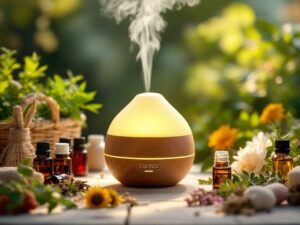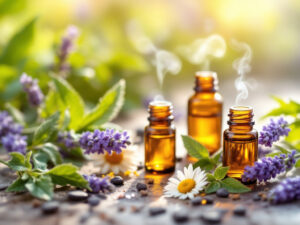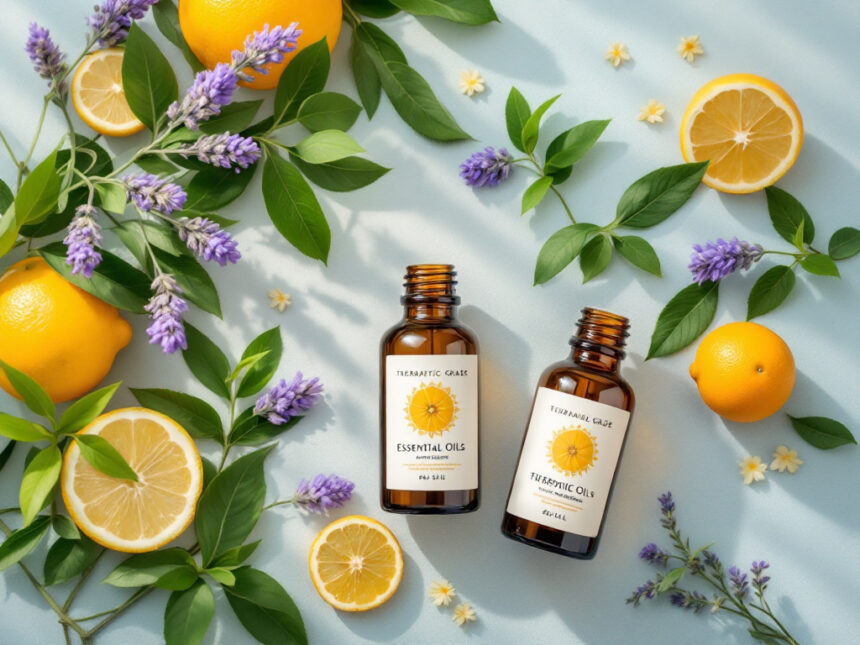
A few small habits make it much easier to choose therapeutic grade essential oils with confidence. Instead of memorizing complicated chemistry terms, you can focus on a short checklist of quality, safety, and sourcing.
This guide walks you through simple rules you can use every time you shop for therapeutic grade essential oils, whether you are buying your first lavender bottle or upgrading an existing collection.
Understand what “therapeutic grade” really means
Before you spend extra money on therapeutic grade essential oils, it helps to know what that label actually promises, and what it does not.
No official “therapeutic grade” standard
In the United States, no government agency or universally recognized body officially grades or certifies essential oils as “therapeutic grade,” “medicinal grade,” or “aromatherapy grade” as of 2024. That means any company can legally print these phrases on the label, including brands selling low quality or even fake oils.
A number of aromatherapy experts and organizations warn that “therapeutic grade essential oils” is mostly a marketing term with no standardized meaning. The National Association for Holistic Aromatherapy (NAHA) has historically raised concerns about this label because it can confuse buyers who assume it guarantees a certain standard.
Some companies now prefer to talk about “therapeutic quality” instead. This is an attempt to describe oils that are suitable for holistic aromatherapy without pretending an official grading system exists.
What people usually mean by “therapeutic grade”
In everyday use, “therapeutic grade essential oils” typically refers to oils that are:
- 100% pure plant extract with no fillers or synthetic fragrances
- Distilled or cold pressed in ways that preserve their natural chemistry
- Suitable for aromatherapy and topical use when properly diluted
Some manufacturers informally classify these as “Grade 1” oils, which are the highest quality and usually the most expensive. In contrast, “Grade B” or “food grade” oils may contain additives, carrier oils, or residues from pesticides and are more suitable for flavoring or fragrance than for skin application.
So the phrase “therapeutic grade” can be useful as a starting point, but you should always look past the marketing and check how each company proves the purity and safety of its oils.
Learn the basics of how essential oils work
Knowing a little about what essential oils are and how they behave in your body helps you shop with more caution and more clarity.
Highly concentrated plant extracts
Essential oils are not like herbal teas or dried herbs. They are extremely concentrated plant extracts. It often takes pounds of plant material to create a single bottle. Cleveland Clinic integrative medicine specialist Dr. Yufang Lin describes them as a form of “powerful botanical medicine” that needs to be handled with respect, not as harmless air fresheners.
Because they are so concentrated, you only need a few drops. Used wisely, they can be helpful. Used carelessly, they can irritate skin, stress your liver and kidneys, or cause more serious side effects.
Common therapeutic uses
You might use therapeutic quality essential oils to support:
- Emotional balance and stress management through aromatherapy
- Comfort during headaches, muscle tension, or joint stiffness
- Mild skin support, such as occasional blemishes or dry patches
- Seasonal wellness, such as stuffy noses or low mood
For example, lavender, frankincense, and chamomile are popular in essential oils for relaxation, while peppermint and eucalyptus often appear in blends for essential oils for headaches or essential oils for nausea.
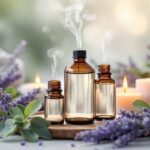
Many people also explore essential oils for aromatherapy, essential oils for massage, or simple essential oils diffuser blends to support sleep, mood, or focus.
Real risks to keep in mind
High quality does not mean risk free. Even pure therapeutic grade essential oils can cause problems if you ignore safety guidelines.
Health experts point out that:
- Certain oils, such as tea tree and eucalyptus, have antiseptic and antiviral properties, but they can also be neurotoxic in high doses and are toxic to children and pets if swallowed or overused on skin. They have been associated with seizures and other serious reactions, so you need to be cautious and avoid using them undiluted or around vulnerable family members.
- Oral ingestion of essential oils is generally discouraged unless you are working with a trained herbalist or qualified professional because the concentrated compounds can burn delicate tissues and overload your system.
- Even gentle oils can cause irritation or allergies if you apply them neat. Dilution and patch testing are important for safe use, especially if you are exploring essential oils for skin care, essential oils for eczema, essential oils for acne, or essential oils for psoriasis.
Having a “therapeutic grade” label does not erase these risks, so your shopping rules should always include safety, not just purity.
Rule 1: Look past the label and check testing
The single most important rule for choosing therapeutic grade essential oils is to ignore the marketing phrase on the front and flip the bottle to see what kind of testing stands behind it.
GC/MS testing is your best quality clue
The purity of essential oils can only be reliably evaluated with proper laboratory analysis. Gas Chromatography and Mass Spectrometry (GC/MS) testing is the gold standard used by reputable companies to:
- Identify every component in an oil
- Measure how much of each component is present
- Detect adulteration, synthetic fragrances, and many contaminants
Many respected brands publish GC/MS reports or make them available by batch number so you can see the data for yourself. If a company talks vaguely about quality but cannot provide test results on request, that is a red flag.
Some companies go even further. For example, doTERRA uses a Certified Pure Therapeutic Grade (CPTG) protocol that includes eight tests, from organoleptic assessment, where trained staff inspect scent and appearance, to microbial, FTIR, chirality, isotopic analysis, and heavy metal testing such as ICP MS to screen for contaminants. Other high quality companies may not use the same marketing terms, but they still rely on GC/MS and other tests to confirm purity.
What to check on the label and website
When you are shopping, make it a habit to look for:
- Mention of GC/MS or similar third party testing
- Batch specific reports that are easy to access
- Clear Latin botanical name, plant part, and country of origin
If the website or bottle only says “100% pure therapeutic grade essential oil” with no further detail or test results, assume that claim is unverified marketing.
Rule 2: Choose brands that prioritize sourcing and transparency
Purity and potency start long before the oil reaches the lab. The way plants are grown, harvested, and distilled has a big impact on whether an oil is truly therapeutic quality.
Pay attention to how plants are grown
Several factors can affect the therapeutic potential of an oil, including:
- Soil conditions and local climate
- Seed quality and plant species
- Altitude and region
- Harvest timing and handling of plant material
Many high quality oils are produced from certified organic plants, organically grown plants without pesticides, or sustainably wildcrafted botanicals. This helps reduce your exposure to chemical residues and supports a more stable chemical profile in the finished oil.
Some companies, such as Aromatics International, emphasize close relationships with small scale producers who focus on quality instead of volume, and they match this with GC/MS testing to confirm therapeutic quality.
Look for clear sourcing stories
When you evaluate a brand, ask yourself:
- Do they tell you which country or region each oil comes from?
- Do they describe how crops are grown, harvested, and distilled?
- Do they talk about sustainability or ethical partnerships with farmers?
RainShadow Labs, for example, describes its Grade A oils as pure therapeutic oils from organically grown plants that are carefully distilled and personally tested by their team. Other brands, like Plant Therapy, highlight USDA certified organic lines and describe how they avoid synthetic interventions and perform rigorous quality checks on every bottle they sell.
This level of detail is a good sign that a company wants you to understand where your oils come from instead of hiding behind vague claims.
Rule 3: Read the ingredient list like a detective
For therapeutic grade essential oils, the ingredient list should be simple and specific. You are looking for what is there, and also what is not.
What you want to see
On a bottle of single essential oil, the front or back label should include:
- The common name, such as “Lavender”
- The Latin botanical name, such as “Lavandula angustifolia”
- The plant part used, such as flower, leaf, bark, or peel
- The type of oil, such as “100% pure essential oil”
Ideally, that is it. If you are buying a blend, the label should list each essential oil in the mix, not just “proprietary blend.”
What should not be in a pure oil
For a bottle marketed as 100% pure therapeutic grade essential oil, you should not see:
- “Fragrance” or “parfum” as an ingredient
- Vague terms like “aroma oil” or “perfume oil”
- Added carrier oils such as jojoba or almond, unless the label clearly says “diluted” or “in carrier oil”
Diluted or roll on products can be useful if you want ready to use options for essential oils for muscle pain, essential oils for insect bites, or essential oils for arthritis. Just remember these are no longer pure oils, and the price should reflect that.
If a label looks vague or confusing, move on. There are plenty of brands that are proud to be fully transparent.
Rule 4: Match the oil to your goal
Therapeutic grade essential oils are not one size fits all. The “best” oil for you depends on what you want it to do and who will be around when you use it.
Start with a small, safe core collection
If you are new to essential oils, you do not need dozens of bottles. You can cover many everyday needs with a short starter list, such as:
- Lavender for relaxation, simple skin support, and gentle sleep blends
- Sweet orange or lemon for uplifting mood and simple essential oils for cleaning or essential oils for laundry projects
- Peppermint for occasional headaches or mild muscle tension, used carefully and well diluted
From there, you might add:
- Frankincense for grounding aromatherapy and gentle skin routines
- Tea tree for targeted spot care for blemishes or as part of essential oils for mosquito repellent or essential oils for insect bites, with careful dilution
- Eucalyptus for stuffy air support in well ventilated spaces, avoiding use with young children
If you are aiming at specific goals, explore guides such as essential oils for anxiety, essential oils for stress relief, best essential oils for sleep, or essential oils for hair growth to see which oils are most commonly used for your concern.
Consider vulnerable family members
“Safety first” means thinking about who shares your space:
- Babies, small children, and pregnant people may require avoiding certain oils entirely
- Pets, especially cats and dogs, can be sensitive to oils diffused in the air or applied to their fur or bedding
- Anyone with asthma, allergies, or fragrance sensitivities may react to even gentle oils
If you are creating blends for essential oils for allergies or essential oils for inflammation, for example, aim for the safest, most skin friendly oils and always dilute carefully.
When in doubt, use less, open windows, and consult a qualified aromatherapist or health professional.
Rule 5: Decide how you plan to use the oil
The way you intend to use therapeutic grade essential oils should shape what you buy and what instructions you follow.
Aromatherapy and diffusion
For many households, inhalation is the simplest and safest way to start. You can place a few drops in a diffuser, on a cotton ball, or in a bowl of steaming water out of reach of children.
This approach is common for:
- Essential oils for relaxation
- Essential oils benefits related to mood or focus
- Essential oils for aromatherapy during meditation or yoga
Aromatherapy works by stimulating the central nervous system through your sense of smell. This can create rapid emotional responses and help reduce feelings of stress or anxiety. However, experts note that this may be less effective in older adults who experience a loss of smell.
Even with aromatherapy, stay mindful of exposure time, ventilation, and who is in the room.
Topical use on the skin
If you want to use therapeutic oils on your skin, for example in essential oils for massage, essential oils for bathing, or essential oils for pain relief, your two key rules are dilution and patch testing.
For safe dilution guidelines, follow a detailed guide such as how to dilute essential oils. As a general idea:
- Everyday body oils often use 1 to 2 percent essential oil
- Targeted spot blends may go slightly higher, but only for short term use
Always test a small amount on your inner arm, wait 24 hours, and check for redness, itching, or irritation. This is especially important if you are trying essential oils for cold sores, essential oils for inflammation, or essential oils for muscle pain, where the temptation to “use more” can be strong.
Internal use
Because essential oils are potent concentrates, reputable health sources advise avoiding oral ingestion unless you are under the care of a trained herbalist or qualified practitioner. Swallowing undiluted oils or adding generous drops to water can burn your mouth and digestive tract and may burden your organs.
A therapeutic grade label does not change this. If a brand encourages casual ingestion without individual guidance, treat that as a warning sign.
Rule 6: Compare price, quantity, and grade realistically
High quality therapeutic grade essential oils usually cost more. At the same time, a high price alone does not guarantee purity. You are looking for a reasonable match between botanical, sourcing, and cost.
Why some oils cost more than others
Some plants are easier and cheaper to distill, so their oils are more affordable. Others require huge amounts of plant material or more complex processing.
For example:
- Citrus peel oils are often less expensive
- Lavender and peppermint are mid range
- Oils from resins or delicate flowers, such as frankincense or rose, can be much more expensive
Companies like Bulk Apothecary sell pure therapeutic grade essential oils from common botanicals such as lavender, peppermint, and rosemary in a wide range of sizes, from small personal bottles to industrial containers, which affects price per ounce.
If you see a “rare” oil at a bargain price or every oil in a set priced exactly the same, that can signal heavy dilution, synthetic fragrance, or low grade material.
Grade A versus Grade B and beyond
RainShadow Labs describes Grade A oils as pure, therapeutic, and made from organically grown plants, often distilled multiple times to optimize quality. These are usually the most expensive and best suited to therapeutic use on skin or in personal care products.
Grade B or food grade oils may be fine for scenting homemade cleaners or adding a drop to a diffuser now and then, but they often contain synthetics, fertilizers, or carrier oils that you might not want on your skin.
If a company does not clearly state which grade of oil you are buying, or why some oils are cheaper than others, ask questions or choose a more transparent brand.
Rule 7: Favor brands that embrace safety education
The way a company talks about essential oil safety is as important as how it talks about purity. Brands that acknowledge risks and teach you to use oils wisely tend to be more trustworthy.
Clear safety guidance is a green flag
Look for companies that:
- Provide dilution charts and age appropriate guidelines
- Warn against neat application or ingestion for general users
- Explain which oils to avoid during pregnancy, with pets, or around children
Plant Therapy, for instance, emphasizes that even its USDA certified organic oils must be used properly. They offer kid safe lines, recommend dilution in carrier oils, and talk openly about using oils in diffusers, skincare, and green cleaning with respect for their potency.
If a website treats essential oils as completely harmless or suggests that higher doses are always more effective, that does not align with what medical experts describe.
How this helps you at home
Good safety education makes it much easier to use therapeutic grade essential oils in a “safety first” household. You can confidently:
- Build simple routines for essential oils for stress relief without overwhelming the air
- Add a small amount of citrus to DIY essential oils for cleaning sprays while keeping kids and pets in mind
- Create personal blends or essential oils recipes using clear dilution guidelines
Instead of guessing or copying random online recipes, you follow consistent, evidence informed rules.
Rule 8: Start small, keep notes, and adjust
Choosing therapeutic grade essential oils is not a one time decision. It is an ongoing process where you notice how your body and your household respond, then refine your choices.
Keep a simple oil journal
You do not need anything fancy. A small notebook or notes app can help you track:
- Which brand and batch you used
- How you used it, such as diffuser, massage oil, or bath
- How everyone in the space responded, including kids or pets
- Any skin reactions, headaches, or breathing changes
This is especially helpful if you are using oils to support ongoing concerns, such as essential oils for hair growth, essential oils for anxiety, essential oils for nausea, or essential oils for pain relief. Over time, you will see clear patterns about which oils work best for you.
Adjust based on what you learn
If a particular oil always seems to trigger headaches or irritation, stop using it, even if it is considered “gentle” in general guides. If another oil consistently helps you unwind at night as part of your best essential oils for sleep routine, that one might be worth buying in a larger bottle from a trusted brand.
Therapeutic quality and personal preference go hand in hand. The more you pay attention, the more confidently you can build a small, effective collection that fits your life.
Quick reference: Your therapeutic oil shopping checklist
Use this short checklist whenever you are choosing therapeutic grade essential oils.
Before you buy, ask:
- Does the brand provide GC/MS or similar third party test results for this oil or batch?
- Does the label list the Latin name, plant part, and country of origin?
- Are there any vague ingredients like “fragrance” or undisclosed carriers?
- Does the company explain how and where plants are grown and distilled?
- Are prices realistic for the specific oil, not suspiciously cheap across the board?
- Does the brand share clear safety guidelines and dilution advice?
If you can honestly answer “yes” to most of these questions, you are probably looking at a truly therapeutic quality essential oil.
From there, choose one or two oils that match your current goals, review how to use them safely with a guide such as how to use essential oils, and take your time exploring their benefits in your home.
FAQs
Is “therapeutic grade essential oil” an official certification?
No. Major aromatherapy education sources note that the term isn’t regulated and can be used as marketing, so you should rely on testing and labeling transparency instead.
What is the most important test to look for?
GC/MS (Gas Chromatography / Mass Spectrometry). It helps identify key constituents and can flag many forms of adulteration—ideally provided per batch.
How can I tell if an oil is adulterated without lab tests?
Red flags include vague ingredients (“fragrance/parfum”), missing Latin name/plant part/origin, and brands that won’t share a COA/GC/MS report when asked.
Are essential oils safe to use on the skin?
They can be—when diluted and patch-tested. Undiluted use raises the risk of irritation and allergy reactions.
Should I ingest essential oils if the brand says it’s okay?
Be cautious. Multiple safety-focused sources advise avoiding internal use unless guided by a qualified professional.
Are essential oils safe around pets?
Not always. Pet poison experts warn essential oils can be risky for animals via inhalation, skin exposure, or ingestion—especially in small spaces or with certain oils.
Why do some oils cost much more than others?
Some botanicals require far more plant material or have harder extraction processes. Price can reflect reality—but a high price alone isn’t proof of quality, so still verify testing and labeling.