A bit of smart travel safety gear can make you feel like you have a professional security team in your carry-on. The right tools do not replace common sense or good planning, but they quietly lower your risk, give you early warning when something is wrong, and help you respond quickly if trouble finds you.
In this guide, you will walk through how travel safety gear actually protects you, what to pack for different types of trips, and how to use each item step by step so it works when you need it most. By the end, you will have a simple, repeatable system you can reuse for every journey.
1. Start with a simple safety plan
Before you pick gear, you need a clear idea of what you are actually protecting yourself from. Most travelers face the same core risks: theft, hotel room security, health issues, and communication problems in an emergency.
If you like having a structured checklist, you can pair this guide with a broader overview of travel safety guidelines or a printable travel safety checklist. For now, focus on three big questions:
- What can you not afford to lose?
Think passport, phone, wallet, medications, laptop, and maybe one checked bag. - Where are you most vulnerable?
Airports, crowded public transport, hotel rooms, night streets, and remote areas. - What would you need in a sudden emergency?
Power for your phone, a way to call for help, basic medical supplies, and proof of identity.
Every piece of travel safety gear you choose should solve at least one of those problems. If it does not, you probably do not need to pack it.

2. Protect your valuables on the move
Theft is usually about opportunity. You reduce that opportunity by making your belongings harder to access, harder to grab, and easier for you to track.
Use anti-theft bags as your daily armor
Anti-theft bags do not make you invincible, but they do make you a much less appealing target than the person standing next to you with an open tote.
Modern anti-theft travel bags and purses from brands like Pacsafe and Travelon often include:
- Cut resistant straps and body panels that help stop slash and grab attempts in crowds
- Lockable or securable zippers that slow down pickpockets on buses, metros, and in busy markets
- RFID blocking pockets that help protect contactless cards and passports from unauthorized scanning
- Attachment points that let you clip or lock your bag to a chair leg or fixed object at cafes
The PacSafe anti theft backpack in particular is popular with solo travelers in Europe for exactly these reasons. Its RFID blocking, lockable zippers, and cut resistant materials let you move more confidently in locations with a reputation for pickpockets.
To get the most from an anti-theft bag, build small habits around it:
- Zippers closed, always, even for a quick photo
- The main compartment against your body, not facing outward
- Strap across your body, not hanging from one shoulder
- Clip or lock the bag to something when you sit down to eat
Combine these steps with broader travel security best practices and you will have strong everyday protection with very little extra effort.
Add a travel safe for your hotel room
Hotel and hostel safes are convenient, but you have no control over who has a master code or spare key. A portable travel safe gives you an extra layer of control when you leave your room.
Portable travel safes, such as those sold by Pacsafe, are theft resistant bags with:
- Cut resistant fabric
- Integrated locking cables
- Combination locks
You fill the safe with items like passports, spare cards, emergency cash, and maybe a small tablet. Then you secure the safe around something that cannot easily be moved, such as a heavy pipe, a bed frame, or a closet rail.
This matters in two ways:
- It is harder for a casual thief to grab everything you own in a single sweep.
- You keep your most critical identity and payment documents in one protected place.
If you are new to international travel, pairing a portable safe with broader traveling abroad safety tips gives you a clear routine for managing money and documents.
3. Secure your hotel or Airbnb like a pro
You cannot control how a property is built, but you can add strong, portable layers of protection that work in almost any room.
Wedge and alarm your door
Door security starts with the basics. Rubber doorstop wedges are inexpensive and tiny, but surprisingly effective. Place one under an inward opening door from the inside before you go to sleep. The wedge adds physical resistance if someone tries to open the door, even if they have a key.
To go a step further, use a door stop alarm. This combines the wedge with a loud alarm that sounds the moment pressure is applied to the door. For hotel and hostel stays, especially if you are traveling solo or in a country where you do not speak the language, this extra layer of warning can be the difference between someone entering your room and someone retreating immediately.
Security experts often recommend using a door wedge even in supposedly secure properties because you simply do not know who has a master key. For more setup ideas, you can pair wedges and alarms with the advice in hotel safety tips for travelers.
Add portable locks and cables
In some older hotels or budget guesthouses, interior locks may feel flimsy. Portable door locks that fit into the strike plate or latch area can give you added peace of mind from the inside without damaging the door.
For shared environments like hostels, a flexible cable lock, such as the Lewis N. Clark cable lock with a retractable braided steel cable, is helpful. You can:
- Loop it through your bag handles and attach them to your bunk or a fixed object
- Use it on hostel lockers that require you to bring your own lock
- Secure a door or window that does not latch properly
The goal is not to build a fortress. It is to ensure a would-be thief needs time and noise to access your things, which makes you a far less attractive target.
4. Turn your phone into a safety command center
Your phone is one of your most powerful pieces of travel safety gear. The trick is keeping it charged, connected, and protected from loss or theft.
Prevent phone theft and loss
Phone theft is a common problem in busy city centers and tourist areas. To lower the risk:
- Use a phone leash that physically tethers your device to your wrist, bag, or belt loop
- Keep the phone in a front pocket or zipped compartment when you are not actively using it
- Turn on device tracking such as Find My iPhone or Find My Device before you fly
Security experts recommend also using sturdy, metal luggage tags with braided steel cables on your bags so identification details are less likely to get ripped off in transit. This small step makes recovery more likely if your luggage goes missing.
If you want to go deeper into digital protection and online security while traveling, resources like travel security technology and travel security awareness can help you build a more complete strategy.
Track bags and valuables with AirTags
Apple AirTags and similar tracking devices are small, relatively inexpensive, and very useful. Travel safety experts like Kevin Coffey recommend putting a tracker in every bag, including carry ons that might end up gate checked.
AirTags give you:
- Real time or near real time location information through the Find My app
- A way to confirm if your bag has actually left your departure airport
- Extra peace of mind when your child, laptop bag, or camera gear is out of sight
If an airline misroutes your luggage, an AirTag helps you quickly see which airport it is in. This information can make it easier to work with airline staff because you are not starting from zero.
Keep your phone powered, even off grid
A phone that is dead is as useless in an emergency as a phone you do not have. Security expert Lloyd Figgins stresses carrying a portable charger because outlets are not guaranteed at airports, on buses, or during unexpected delays.
For city trips and business travel:
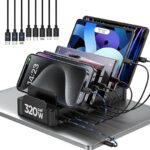
- Pack at least one portable power bank in your personal item
- Top it up each night in your hotel room
- Carry a short, sturdy charging cable with it so you always have the full setup
For outdoor adventures, road trips, or destinations with unstable power, a solar powered phone bank is even better. You can charge it by day and refill your phone before bed.
Figgins and other experts also recommend carrying a small, dedicated flashlight rather than relying on your phone’s light. A compact flashlight gives you brighter illumination and saves your phone battery for actual communication.
5. Carry health and first aid gear that actually helps
Travel health issues are not always dramatic. Often they are minor problems that get worse because you cannot treat them quickly. A bit of targeted travel safety gear keeps small issues from turning into trip ending emergencies.
Build a compact first aid kit
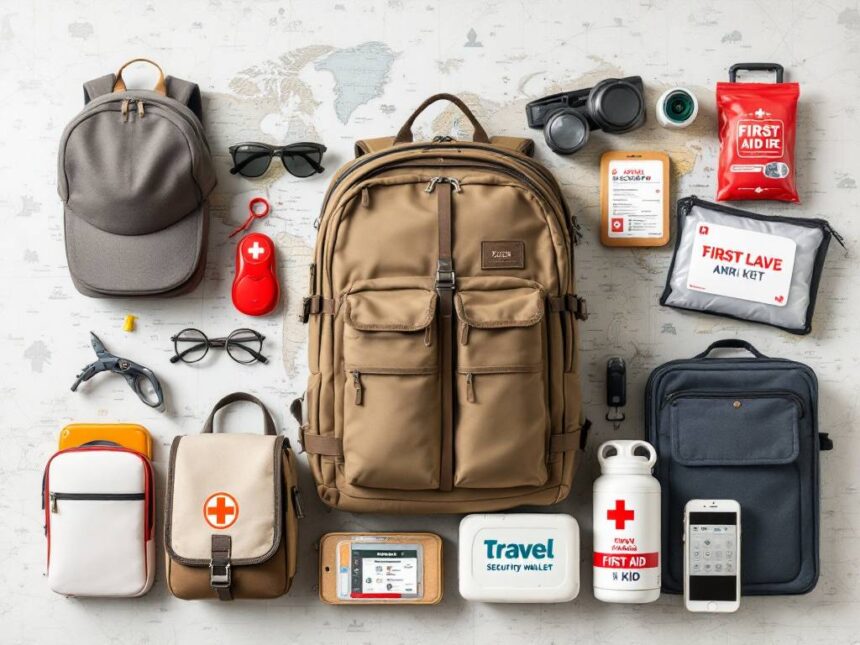
An Individual First Aid Kit, often referred to as an IFAK, is one of the most universally recommended items for travelers. Brands like Surviveware make compact, well organized kits that fit in a backpack.
A simple travel first aid kit should include:
- Bandages and blister pads
- Antiseptic wipes or ointment
- Pain and fever reducers appropriate for you
- Any personal medications you need, with a few days of extra supply
- Allergy medication if you are prone to reactions
For international trips, health and safety resources recommend:
- Disposable face masks for crowded public transport and clinics
- A small thermometer to check for fever
- Copies of your prescriptions
- A short card listing your allergies in the local language, which you can show to pharmacists or medical staff
If you are unsure how much to bring, guides on travel safety and health and emergency travel safety tips can help you calibrate based on trip length and destination.
Protect critical prescriptions and documents
Keep essential medications in your carry on only, never in checked luggage. Store them in their original labeled containers when possible, inside a small pouch that:
- Stays with you on planes, trains, and buses
- Lives in your daypack for city exploring
- Fits inside your hotel room travel safe when you go out at night
Add digital backups of important documents to a secure cloud folder, including passport photos, prescriptions, and insurance cards. If your physical wallet or travel document holder is stolen, you can still prove who you are and what you need.
If you do not yet have coverage that includes medical emergencies, evacuation, or trip interruption, look into travel safety insurance before you leave.
6. Add gear that protects you, not just your stuff
Some travel safety gear exists to help you avoid or escape threatening situations as quickly and safely as possible.
Use personal safety alarms instead of weapons
In many countries, items like pepper spray are restricted or illegal for travelers to carry. Personal safety alarms are a legal, simple alternative in many places because they do not injure anyone. Instead they create noise and attention, which most attackers want to avoid.
Options like the Birdie personal alarm and the She’s Birdie personal alarm are designed to be:
- Small enough to clip on a bag or keychain
- Loud enough to attract attention, with some models boasting 130 decibels
- Easy to activate under stress, often by pulling a pin
- Noticeable due to flashing strobe lights that draw eyes toward the situation
The Birdie+ version adds access to 24/7 live support and helps fund women’s safety organizations. That extra human connection can be comforting if you are shaken after an incident.
Practice activating and silencing your alarm once or twice before your trip so you do not fumble with it if you ever actually need it. Pair this with broader personal safety for travelers strategies like route planning and situational awareness.
Gain off grid communication with a satellite device
If you travel to remote regions, hike, sail, or live in areas prone to natural disasters, a satellite communicator becomes more than a gadget. It becomes a lifeline.
Devices like the Garmin inReach Mini 2:
- Send and receive text messages using satellites, not cell towers
- Let you share your location with family or friends in real time
- Include an SOS feature that connects you with emergency response services, often around the world
For someone living in a hurricane affected area, or trekking where there is no signal for days, this can be the single most important item in the bag. It sits quietly in your pack until the moment your phone has no service and you actually need to call for help.
If you are planning solo hiking, backpacking, or long distance road trips, tie your use of a satellite communicator into your overall travelers safety and security plan and let at least one person at home know how to reach you through it.
7. Guard your identity, cards, and cash
You already know to split your money, keep copies of your passport, and avoid waving cash around. Specialized travel safety gear makes those basics easier to follow.
Use wallets and garments that fight theft
An anti theft wallet, such as the Zero Grid anti theft wallet, gives you multiple lines of defense for your cards and cash. Features can include:
- RFID blocking materials to help protect contactless cards from unauthorized scanning
- Secure compartments and zipper closures
- Slim profiles that sit comfortably and discreetly in front pockets
The Zero Grid wallet also includes an unusual benefit. If someone steals items from your wallet, the company offers reimbursement up to a certain amount, such as 300 dollars. That is not a substitute for good habits, but it is a helpful backstop.
For days when you do not want to carry a bag at all, pickpocket proof garments from brands like Clever Travel Companion are useful. Their boyshort underwear and unisex tank tops with hidden interior pockets can hold:
- Passports
- Cards
- Cash
Worn under your clothes, these pockets are essentially invisible and inaccessible to pickpockets.
If you are particularly concerned about scams and street theft, you can combine physical measures with the advice in how to avoid travel scams and travel security advice.
Shield your passport and cards from digital skimming
Digital pickpocketing is not as visible as a hand in your pocket, but it is a risk in busy cities where contactless technology is common. Protecting against it is simple:
- Store your passport in an RFID blocking holder or the RFID pocket of your anti theft bag
- Keep your primary cards in an RFID blocking wallet
- Carry a backup card stored separately, perhaps in your travel safe or pickpocket proof garment
This way, even if someone does manage to clone a card, you still have a second option ready.
8. Tailor your gear to your travel style
Not every trip or traveler needs every piece of gear. Think in terms of your specific style of travel and adjust up or down.
First time international traveler
If you are leaving your home country for the first time, keep your kit simple but solid:
- Anti theft day bag with RFID pocket
- Rubber doorstop wedge or door stop alarm
- Compact IFAK style first aid kit
- Portable charger and short cable
- Anti theft wallet and passport holder
- One or two Apple AirTags for luggage
Combine this setup with broader guidance on how to stay safe while traveling and travel safety tips and you will be more prepared than most people stepping on the plane.
Frequent flyer or business traveler
If you travel often, focus on gear that simplifies your routine and works in airports, hotels, and rideshares:
- Sleek anti theft backpack or briefcase that fits under the seat
- Metal luggage tags and tracking devices in every bag
- High capacity power bank plus a smaller daily one
- Slim travel safe for hotel rooms
- Travel sized first aid and health kit that lives permanently in your carry on
You can refine this alongside resources like airport security tips so the entire process from home to hotel feels smoother and safer.
Solo traveler or family trips
If you travel solo, especially as a woman, or if you are responsible for kids, focus on prevention plus backup plans.
For solo travelers:
- Anti theft backpack that can lock to chairs and fixtures
- Personal safety alarm clipped to your bag or worn on your wrist
- Door wedge or door stop alarm for every room
- Pickpocket proof garments on days you move between cities
- Phone leash in crowded areas
You can layer this on top of specialized guides like travel safety for women and travel safety tips for solo female travelers.
For families:
- Tracking tags in each child’s backpack or jacket
- A simple code word and meeting point plan
- Standardized packing so every adult knows where the first aid kit, meds, and documents are
If older parents or students are involved, it is worth reading travel safety for seniors and travel safety for students so you can adjust gear to their needs.
9. Put it all together: a repeatable pre trip checklist
Once you have your gear, the most important part is using it consistently. This is where a quick, repeatable routine helps.
You can adapt the checklist below to your own needs:
1. One month before travel
- Review destination specific advice in travel safety tips and travel security risks
- Confirm your travel safety insurance covers medical care and evacuation
- Order any new gear you are missing
2. One week before travel
- Test your personal safety alarm, door stop alarm, and flashlight
- Set up and label your Apple AirTags or other trackers
- Organize your IFAK and restock any used items
- Save local emergency numbers and your accommodation details in your phone
3. Day of departure
- Put trackers in each bag
- Pack medications, documents, and electronics only in carry on
- Attach metal luggage tags securely
- Fully charge your power banks and phone
4. On arrival
- Do a quick scan of your room entry points and use wedges, alarms, or locks as needed
- Choose a hidden spot for your portable travel safe and secure it to something solid
- Decide where your everyday carry items will live in your bag so you always know where they are
If this feels like a lot, start small. Add one or two new pieces of travel safety gear to your next trip and build the habit of using them. Then layer in more items as you learn what actually makes you feel safer and more relaxed.
Key takeaways
- Travel safety gear does not replace good judgment, but it makes theft, intrusion, and emergencies less likely to ruin your trip.
- Anti theft bags, wallets, and garments protect your valuables in crowds by making pickpocketing slower and more difficult.
- Door wedges, door stop alarms, portable locks, and travel safes give you hotel room security that does not depend only on the property.
- Health focused gear like IFAKs, masks, thermometers, and a good power bank keep you prepared for both minor issues and real emergencies.
- Personal safety alarms and satellite communicators help you call for attention or help quickly, even when your phone signal is weak or nonexistent.
- The most effective setup is the one you actually use, so tailor your travel safety gear to your style of travel and reuse the same simple checklist every time.
If you want to go deeper, explore topics like safe solo travel tips, travel security precautions, and how to stay safe while traveling. Add one new habit or piece of gear for your next trip, then build from there until feeling prepared becomes automatic.
FAQs
What’s the most important travel safety gear to pack first?
Start with the “big four”: an anti-theft day bag, a door wedge or door-stop alarm, a power bank (carry-on), and a compact travel health kit.
Do anti-theft bags really work against pickpockets?
They don’t make you invincible, but features like lockable zippers and cut-resistant straps add friction—thieves prefer quick, low-noise targets.
Are power banks allowed on flights?
Typically yes in carry-on only; they’re generally not allowed in checked luggage due to lithium battery fire risk.
How do AirTags help with lost luggage in practice?
They can show your bag’s location in the Find My network, and Apple’s “Share Item Location” can create a temporary link you can share in recovery workflows.
What should a travel first aid kit include?
Think: bandages/blister care, antiseptic, pain/fever relief, allergy meds, and your personal prescriptions (with extras). CDC guidance also emphasizes tailoring to destination risks.
Is a personal safety alarm better than pepper spray for travel?
Often, yes—especially because laws vary widely. A loud alarm is non-injurious, attracts attention fast, and is simpler to carry in many places.
When is a satellite communicator worth it?
If you’ll be off-grid (hiking, sailing, remote roads) or in areas with unreliable cell coverage, two-way satellite messaging + SOS can be a true lifeline.