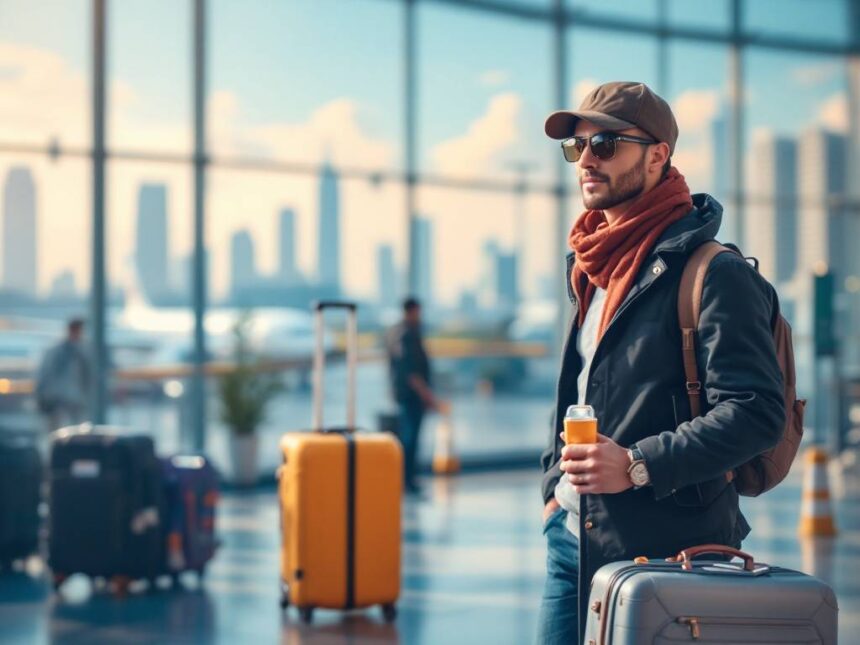
A little planning goes a long way toward travel security awareness. You do not need a military background or complicated gadgets. You just need a simple routine that helps you spot risks early, avoid common problems, and know what to do if something goes wrong.
This guide walks you through practical steps that protect you, your family, and your information from the moment you start planning until you are safely home again.
Understand what travel security awareness really means
Travel security awareness is your ability to notice what is happening around you, understand potential risks, and make choices that keep you safer on the road.
It covers more than crime. It also includes road safety, health issues, scams, natural hazards, and digital threats to your devices and data. When you build awareness, you reduce the chance of serious problems and you handle emergencies with more confidence.
You can think of it as three layers working together:

- Preparation before you go
- Prevention while you travel
- Response if something happens
The rest of this guide follows those layers so you can turn awareness into a simple plan.
Prepare before you leave
Good trips start with good prep. A few focused tasks at home can prevent many emergencies later.
Check official guidance for your destination
Start with reliable information. The U.S. Department of State publishes country-specific Travel Advisories that highlight security risks, health issues, and entry requirements for U.S. citizens. These advisories use four levels, from normal precautions to “Do not travel,” and include risk indicators such as crime, terrorism, civil unrest, health, and natural disasters as of August 2025.
Before you book, review:
- The Travel Advisory level and risk indicators for your destination
- Entry and exit rules, including visas and passport validity
- Local laws and customs that may be different from home
The State Department’s International Travel Checklist helps you cover these basics, from documents and health to money and communications, so you can raise your travel security awareness before you even pack.
If you want a quick companion resource after you read this article, save a copy of your own travel safety checklist so nothing important slips through the cracks.
Enroll in STEP for alerts and backup
If you are a U.S. citizen traveling abroad, enroll in the Smart Traveler Enrollment Program (STEP). It is free and takes only a few minutes.
When you sign up, you:
- Receive email updates about protests, severe weather, or security incidents in your area
- Make it easier for the nearest U.S. embassy or consulate to contact you in an emergency or help your family reach you
This is one of the simplest travel security precautions you can take. You set it up once per trip, then it quietly works in the background.
You can enroll and learn more through the State Department’s STEP page.
Match your insurance to your real risks
Travel security awareness also means being realistic about what can go wrong. Health issues, car accidents, or trip disruptions are more common than dramatic incidents.
Consider how you are traveling:
- Internationally or domestically
- With kids, older adults, or medical conditions
- By rental car, scooter, or local buses
- For work with valuable devices or confidential data
Then check your coverage. A good travel safety insurance plan can help with medical care, emergency evacuation, lost bags, or trip delays. The State Department specifically recommends considering travel insurance and reviewing your personal needs, including accessibility and traveler categories like women or LGBTQ travelers, as part of a complete security plan.
Learn local laws, customs, and safety norms
Ignorance of the law is not a defense in another country. Something that is legal at home, from certain medications to social behavior, may be restricted or offensive abroad.
The U.S. Department of State urges you to review local laws and customs for your destination, paying attention to:
- Rules for visitors, including ID checks and registration requirements
- Restrictions on prescription medications and pharmaceuticals
- Laws related to alcohol, drugs, and public behavior
- Expectations for women, LGBTQ travelers, and religious practices
You will find much of this under the “Local Laws & Special Circumstances” section of each country’s page on the State Department site, along with additional travel safety and health information.
Build a simple safety communication plan
Make it easy for people to help you if needed. Before you leave:
- Share your itinerary, hotel details, and flight numbers with a trusted contact
- Agree on how often you will check in and through which app
- Decide how you will communicate if you lose your phone or access to usual platforms
If you are a corporate traveler, your company may already ask you to report foreign travel and update plans in line with Security Executive Agent Directives (SEAD) guidance. Even if you are not in government, these habits are useful: keep sensitive work conversations off public Wi‑Fi, avoid discussing confidential topics in public, and know who to contact in your organization if you notice something suspicious.
This mindset supports both your personal safety and travelers safety and security for your organization.
Protect your identity, devices, and data
Your phone, laptop, and online accounts are part of your security picture, especially for frequent flyers and business travelers.
Limit what you carry and what you share
Only bring devices and data that you truly need. The more you carry, the more you have to protect.
- Leave backup drives and unnecessary laptops at home
- Remove sensitive work documents from your devices or move them to secure company systems
- Turn off automatic Wi‑Fi connections so you do not join unknown networks
Foreign intelligence services, organized crime, and competitors sometimes target travelers, especially managers and researchers with access to valuable information. They may attempt social engineering, malware infections, or “accidental” meetings to collect details. Recognizing that attention as a risk is part of serious travel security awareness.
Practice smart online habits abroad
When you must use a device:
- Prefer mobile data over public Wi‑Fi for sensitive tasks
- Use a trusted VPN for work platforms if your employer allows it
- Keep devices locked with strong PINs or passcodes
- Log out of accounts on shared or public computers
Minimize social media posting in real time. Adversaries and opportunistic criminals can use public posts and open-source intelligence (OSINT) to map your movements, learn when you are away from home, or identify you as a lucrative target. Delaying posts, hiding location tags, and tightening privacy settings reduce that exposure and support personal safety for travelers.
If you need more structure around digital protection, explore tools and best practices in travel security technology tailored to travelers.
Stay aware on the move
Once you are on the road, prevention becomes your main job. Most of it comes down to paying attention and making small choices that keep you out of trouble.
Strengthen your situational awareness
Situational awareness means calmly noticing what is happening around you and adjusting your behavior if something feels off.
You can practice it by:
- Looking up from your phone in public, especially in transit hubs
- Noticing exits and safe places like hotels or busy shops
- Watching who seems focused on you or your belongings
- Trusting your instincts when a situation suddenly feels wrong
The U.S. government emphasizes that understanding threats, laws, customs, and culture in your destination is key to managing both personal safety and information security. This applies whether you travel for business, study, or leisure.
For a broader overview of safe behavior abroad, you can also review general travel safety guidelines and how to stay safe while traveling.
Reduce risk in airports and transit
Airports and major stations are busy, stressful, and full of distractions. That combination makes them a favorite environment for pickpockets, scammers, and opportunists.
To keep control:
- Use zippers and secure pockets for passports and phones
- Keep bags in front of you in lines and on your lap when seated
- Avoid showing large amounts of cash at ticket windows or kiosks
- Ignore unsolicited “helpers” who insist on carrying bags or expediting security
For frequent flyers and business travelers, building a consistent routine at checkpoints can also improve your device and document security. You can refine that routine with focused airport security tips that fit your travel style.
Guard against common crime and scams
Most travel trouble is not dramatic, it is annoying and avoidable. Petty theft, pickpocketing, and scams are much more common in many destinations and often target foreigners who are distracted or unfamiliar with their surroundings, according to the State Department.
Protect your valuables in public places
Think about how visible your wealth appears. Small changes make you less attractive to opportunists:
- Carry only what you need for the day, in a money belt or inside pocket
- Split cards and cash between two locations so one loss does not wipe you out
- Keep valuables out of back pockets and loose bags
- Avoid leaving items on café tables or hanging off chair backs
The State Department notes that petty crime is more likely when travelers carry obvious valuables like cameras, phones, and jewelry. Staying modest and organized can be as powerful as any specialized travel safety gear.
Learn to spot and avoid travel scams
Many scams rely on social pressure or confusion, not violence. You might see:
- Overly friendly strangers who push you toward a certain taxi, shop, or “tour”
- Distraction tactics like spills, petitions, or staged arguments
- Fake officials demanding on-the-spot fines without proper ID
You do not need to argue or prove anything. A simple “No, thank you” and walking away is usually enough. If someone claims to be an official, politely ask for identification and, when in doubt, move to a police station, hotel desk, or embassy contact.
To go deeper on fraud prevention, review specific tactics and responses in how to avoid travel scams.
If you are traveling alone or as a woman, additional advice in safe solo travel tips, travel safety for women, and travel safety tips for solo female travelers can help you tailor your plans.
Take road and transport safety seriously
Road and vehicle accidents are one of the largest safety risks for travelers, not a side issue. The U.S. Department of State estimates that more than 200 U.S. citizens die each year due to road accidents abroad, which makes transport safety a central part of travel security awareness.
Choose safer ways to get around
Conditions may be very different from what you are used to. Before you drive or ride:
- Research local driving norms, road quality, and traffic laws
- Check whether seatbelts, child seats, and helmets are widely used or must be requested
- Verify that taxis or ride shares are licensed, and match the driver and plate information in the app
If you are considering driving yourself, especially at night or in rural areas, weigh that against public transport or private transfers. Many travelers find that using reputable transport is a better traveling safety measure than navigating unfamiliar roads alone.
For more details behind the wheel, you can consult focused travel safety driving tips.
Watch for water and recreational hazards
Accidental drownings and water accidents are also among the leading causes of death for Americans abroad, even for strong swimmers and boaters, according to the State Department.
To reduce your risk:
- Swim only in designated areas with lifeguards when possible
- Check local currents, tides, and weather forecasts before entering the water
- Avoid alcohol when swimming, boating, or using watercraft
- Confirm that boats provide enough life jackets for every passenger
If something feels unsafe, you are allowed to say no, even if everyone else seems relaxed. That hesitation is a healthy part of travel security awareness.
Choose and use lodging with safety in mind
Your hotel, rental, or hostel is your base. Making good choices here gives you a place to regroup and think clearly.
Evaluate lodging before you book
Look for:
- Safe neighborhoods with good lighting and busy streets
- Positive recent reviews that mention security and staff responsiveness
- Clear emergency procedures and 24/7 front desk or contact
The State Department offers guidance on lodging safety and transportation abroad so you can ask better questions and recognize red flags. If you plan to stay in more adventurous locations, additional hotel safety tips for travelers can help you adapt without losing your sense of security.
Set up your room for peace of mind
After check in:
- Learn how to lock doors and windows securely
- Find emergency exits and stairwells on your floor
- Keep your passport, cards, and backups in the safe or hidden location
- Use a simple doorstop or travel lock if it makes you more comfortable
These steps are quick, but they reduce the risk of theft and help you react faster in case of fire, earthquakes, or other emergencies.
Manage alcohol, drugs, and health risks
Your decisions about substances and health can support or undermine everything else you do for security.
Stay in control of your judgment
The State Department is clear: alcohol and illicit drugs significantly increase safety and security risks abroad. They impair judgment and self control, make you more vulnerable to crime, and can put you in conflict with local laws.
You protect yourself by:
- Setting a firm drink limit before you go out
- Watching your drink being poured and never leaving it unattended
- Declining offers of unfamiliar substances or packages, no matter who asks
- Keeping your group together and agreeing on a way home in advance
Illicit drugs can also carry severe penalties in some countries, even for small amounts or “just holding” someone else’s item. Avoiding this risk is a key travel security best practice.
Handle prescriptions and medical needs properly
Medications that are normal at home can be restricted abroad. The Department of State underscores the importance of understanding laws related to prescriptions and pharmaceuticals and of carrying them correctly.
Before you go:
- Check that your medicines are legal in your destination
- Pack them in original containers with copies of prescriptions
- Bring a summary of your medical conditions in the local language if possible
For older adults, students, and backpackers, this is especially important. Resources like travel safety for seniors, travel safety for students, and travel safety for backpackers offer age specific tips for staying healthy and secure on the road.
Plan for emergencies and “what if” moments
You cannot remove every risk, but you can decide in advance how you will react if something happens. That decision reduces panic and speeds up problem solving.
Know your local emergency and embassy contacts
Write down or save:
- Local emergency numbers for police, fire, and ambulance
- The address and phone of the nearest U.S. embassy or consulate
- Contact numbers for your airline, hotel, and insurance provider
Carry these in both digital and paper form, in case your phone is lost or out of battery. This is a simple travel security advice step that pays off quickly in a crisis.
Respond calmly to theft, accidents, or unrest
If you face an incident:
- Move to a safe place first, then think about reporting
- Contact local authorities for thefts, assaults, or accidents
- Notify your embassy if you lose a passport or face legal trouble
- Reach out to your insurer for medical emergencies or evacuations
The State Department stresses that registering with STEP can speed up assistance during major incidents or natural disasters, since the embassy will already have your presence and contact information on file. For more specific actions during tough moments, you can review emergency travel safety tips.
If you want to rehearse your reactions ahead of time, running through a short scenario in your head, such as “My phone is stolen in a market, what do I do first,” can build calm confidence.
Tailor your plan to your travel style
The basics of travel security awareness stay the same, but the details change depending on who you are and how you travel.
Solo travelers and families
If you often travel alone, emphasize:
- Strong routines around communication and check ins
- Careful social media use
- Extra attention to accommodation choice and nighttime movement
You can fine tune your routines with safe solo travel tips.
If you travel with children or older relatives, focus on:
- Clear meeting points if you get separated
- Simple rules about not sharing room numbers or plans with strangers
- Easy-to-carry cards with your contact and hotel details
Business and frequent flyers
If you travel for work, add:
- Training on recognizing and reporting suspicious approaches that might be economic espionage
- Company guidance on secure communications, device use, and information sharing
- Internal contacts for security issues or incidents abroad
Corporate travelers and researchers are frequent targets for foreign intelligence agencies and organized crime. Understanding social engineering tactics and minimizing public discussion of sensitive matters are essential parts of modern travel security risks management.
If you spend a lot of time in transit, apps and tools from curated travel safety apps can help you track advisories, keep documents organized, and stay oriented in unfamiliar cities.
Put your travel security awareness into action
You do not need to memorize everything in this guide to travel safely. Instead, pick a few high impact habits and build from there.
To recap the essentials in one place:
- Check official Travel Advisories and the International Travel Checklist before you go
- Enroll in STEP so you receive alerts and can be contacted in emergencies
- Match your insurance, health prep, and devices to your real risks
- Practice situational awareness in public places and transit hubs
- Protect your valuables and learn to disengage from scams quickly
- Treat road, water, and recreational safety as core security issues
- Handle alcohol, drugs, and prescriptions with extra caution
- Save emergency numbers and embassy details in both digital and paper form
If you would like a structured next step, combine this article with a printable travel safety checklist and a brief review of travel safety tips. Together, they give you a simple, repeatable system you can use for every trip.
Start with your very next journey. Enroll in STEP, review your destination’s Travel Advisory, and share your itinerary with someone you trust. Those three moves alone significantly improve your travel security awareness and help protect you and your family wherever you go.
FAQs
What is travel security awareness in simple terms?
It’s the habit of noticing risks early, making safer choices (transport, lodging, behavior, tech), and knowing what to do if something goes wrong—before panic sets in.
How do I check if a destination is safe right now?
Start with the official U.S. Travel Advisories, including the risk indicators (Crime, Terrorism, Unrest, Health, Natural Disaster).
Is STEP worth it for short trips?
Yes. STEP is free and can send timely local alerts; it also helps embassies contact you during emergencies.
What’s the biggest overlooked travel risk for families?
Road safety. Transportation decisions (night driving, scooters, unlicensed taxis, no seatbelts/helmets) often carry more risk than “stranger danger.”
How do I reduce pickpocket risk without looking paranoid?
Use simple routines: zip pockets, keep bags in front in crowds, avoid back pockets, split cash/cards, and don’t place phones on café tables—petty theft is usually opportunistic.
Should I avoid public Wi-Fi while traveling?
For sensitive actions (banking, work logins), yes—prefer mobile data and strong device locks. If you must use Wi-Fi, use trusted protections approved by your employer.
What should I do first if my phone is stolen abroad?
Get to a safe place, lock your accounts (email first), contact your bank/provider, and file a local report if needed. If you lose travel documents or need help, contact the nearest embassy/consulate. (STEP makes this easier.)