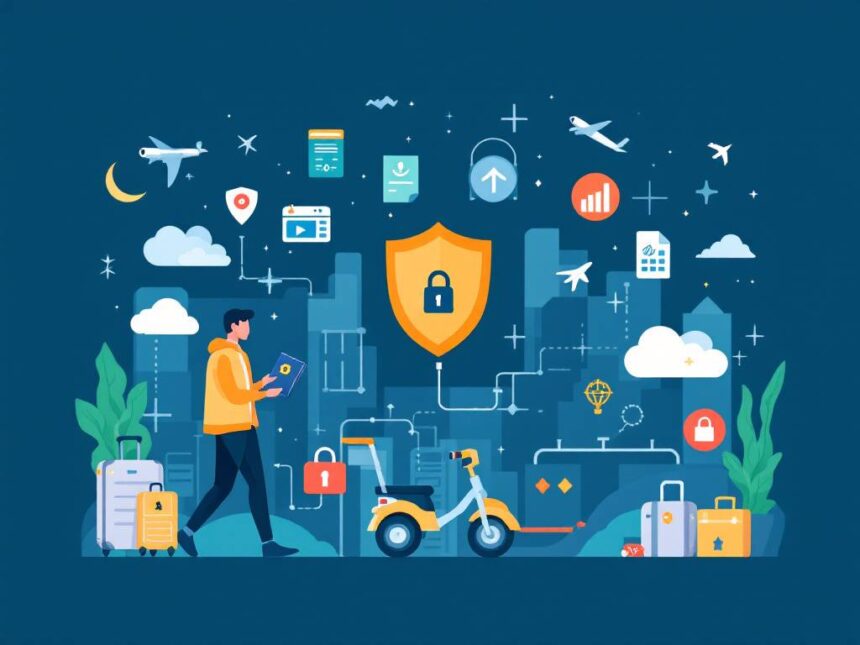
A little planning goes a long way when it comes to travel security precautions. You do not need to be paranoid or carry a suitcase full of gadgets, but you do need a simple, repeatable routine that protects your data, money, and safety in unfamiliar places.
Below, you will find practical travel security precautions you can use before you leave, in transit, on the ground, and when you get home. Mix and match to build a routine that fits how you actually travel.
Start with a simple travel security plan
You can think of travel security precautions in three layers: prevention, backup, and response.
- Prevention is everything you do to avoid problems in the first place, such as securing devices, using a money belt, and booking safe lodging.
- Backup covers the “what if” plans, like copies of your passport, trusted contacts, and enrollment in alert systems.
- Response is how you will react if something goes wrong, including who you call, what you cancel, and how you get help.
If you want a handy overview that you can reuse for every trip, save or print a travel safety checklist and adapt it for your destination.
Protect your devices and personal data
Your phone, laptop, and tablet carry more sensitive information than your wallet. Effective travel security precautions start with locking down your digital life.

Before you leave
Secure your devices and accounts before you ever reach the airport.
- Turn on full device encryption and lock screens with strong PINs or passphrases, not simple patterns or 4-digit codes.
- Enable multi-factor authentication on email, banking, and social media so a stolen password is not enough to get in.
- Remove or sign out of accounts and apps you do not need on this trip, especially banking and work tools on shared devices.
- Back up your data to a secure cloud or hard drive, then assume that anything on the device itself could be lost.
You should also secure personally identifiable information such as your name, address, date of birth, and Social Security Number. Keep scans of key documents in an encrypted app or password manager instead of loose files or photos in your camera roll.
While you are traveling
Once you are abroad, treat your devices like the keys to your identity.
Avoid public Wi‑Fi networks in cafes, airports, hotels, and internet kiosks. Data thieves can capture passwords and personal information silently on unsecured networks, so your safest options are your own mobile data plan or a reputable VPN if you must connect. The same goes for public phones, computers, and fax machines, which should never be used for sensitive logins, payments, or work data.
Stay aware of where and how you use your devices. Do not type passwords with someone at your shoulder, and do not leave your phone on a table in a crowded cafe, even for a moment. For more destination specific guidance, review official travel safety guidelines along with the U.S. Department of State Travel Advisories and local tips from embassies before you go.
When you return home
Devices that connected to foreign networks may have picked up malware, even if you never noticed anything unusual. As soon as you are home:
- Update your security software and operating systems.
- Run full scans on phones, tablets, and laptops.
- Change passwords for email, banking, and any accounts you accessed abroad.
These simple travel security precautions close the loop so a one week trip does not turn into a long term security problem.
Stay smart about money, cards, and payments
Pickpockets and payment scams are some of the most common travel security risks, especially in busy European cities and other popular destinations where foreigners are obvious targets.
Use safer payment methods
Whenever possible, use mobile tap to pay apps instead of swiping or inserting a physical card. This reduces exposure to skimmers hidden in card machines. If you do pay with a card:
- Keep your card in sight while the cashier runs it.
- Cover the keypad when entering your PIN.
- Ask up front about surcharges, minimums, or exchange rates.
In Europe in particular, always know what you are paying before handing over money, and count your change on the spot. Scams involving inflated cab fares or “specials” at restaurants that are suddenly far more expensive than the posted menu rely on distraction and your reluctance to speak up.
Carry cash and cards strategically
Security experts strongly advise against carrying wallets in back pockets, which virtually invite pickpocketing. Instead:
- Use a front pocket, crossbody bag, or anti theft bag with slash resistant material and hard to open zippers.
- Wear a money belt under clothing for backup cash and spare cards, not for every purchase.
- Separate your valuables across multiple locations so one theft is an inconvenience, not a disaster.
This last step is a key travel security precaution that can save your trip. You might keep a small daily wallet in a visible bag, a backup card and some cash in your luggage, and an emergency stash in your money belt. As Harding Bush of Global Rescue emphasized in 2024, splitting up money, cards, and documents prevents a single loss from wiping you out.
Recognize and avoid common travel scams
Many headaches are easy to avoid once you know the warning signs. You can deepen your knowledge with guides on how to avoid travel scams, then use the quick red flags below to stay alert.
Street and pickpocket scams
In crowded tourist areas, distractions are the main tool. Classic setups include:
- A spilled drink, sudden “accidental” bump, or small commotion while an accomplice reaches for your bag or pocket.
- Friendly strangers offering help with tickets, directions, or photos then guiding you into a scam or attempting a grab.
- People posing as “Tourist Police” or other authority figures who demand to see your wallet or documents.
You should never hand your wallet to anyone on the street, even if they seem official. Real police direct you to a station and do not ask you to hand over all of your cash in a busy square.
Lodging and door knock scams
Never allow unexpected “hotel room inspectors” into your room. One person distracts you with fake paperwork or questions while another slips in to grab valuables. If you did not request maintenance, call the front desk to confirm before opening the door.
To add another layer of protection, many travelers now pack a simple rubber doorstop wedge to secure inward opening hotel or rental doors while they sleep.
“Free” vacations, calls, and fake websites
Some of the most convincing scams start long before you pack. According to the Federal Trade Commission in 2024, you should be cautious of:
- Ads or messages offering “free” vacations but requiring you to pay fees and taxes upfront. Legitimate prizes do not ask for payment to claim them.
- Robocalls pitching discounted vacation packages when you never gave written permission to be called. These are often illegal and frequently scams or unreliable businesses.
- Websites that impersonate official government portals and charge high fees for visas, passports, or “special access” to the visa lottery. Genuine U.S. Department of State services are available either free or at clearly regulated fees through official channels.
Vacation rental scams are another growing problem. Hijacked or fake listings can lead to double bookings or properties that simply do not exist. Before you pay, verify addresses and ownership details across multiple listings and the official site of the rental company.
Choose safer transportation options
Travel security precautions do not stop when you step into a cab or rental car. Road accidents are one of the leading causes of serious incidents for travelers abroad.
The U.S. State Department estimates that more than 200 U.S. citizens die each year due to road accidents overseas. Penn State’s 2023 travel safety guidance highlights road and vehicular safety as a major concern, so factor transportation into your planning.
Before you drive
If you plan to drive:
- Research local driving laws, required documents, and common hazards so you know what to expect.
- Learn whether you need an International Driving Permit and obtain it only through authorized organizations. The U.S. Department of State recognizes just two, the American Automobile Association (AAA) and the American Automobile Touring Alliance (AATA). Fake permits from scammers can lead to fines, delays, or worse.
- Review travel safety driving tips for defensive driving tactics tailored to unfamiliar roads.
If you are not comfortable driving under local conditions, consider trains, reputable shuttle services, or app based rides instead.
Everyday transportation habits
On the ground, protect yourself by:
- Using marked taxis or official rideshare pick up zones instead of accepting rides from unmarked cars.
- Buckling up even on short rides, and making sure children use age appropriate car seats whenever possible.
- Avoiding motorbike or scooter rentals if you are not very experienced and properly insured.
Remember, you are managing risk, not trying to eliminate movement. A few smart decisions greatly reduce the chance that transportation becomes the most dangerous part of your trip.
Prioritize secure lodging and room safety
Where you sleep each night is a core part of your overall travel security precautions. When you have options, choose accommodations in well lit, safe neighborhoods with good reviews that mention safety, not just style.
Before you book
When comparing hotels, guest houses, and rentals:
- Look for secure entry, 24-hour front desks, or clearly described self check in procedures.
- Prefer rooms above ground level, but still close to exits and amenities. Ground floor rooms can be easier to access from outside.
- For vacation rentals, verify listings through official rental platforms and read multiple reviews, watching for patterns or complaints about double bookings or nonexistent properties.
For more detail on what to look for and what to avoid, you can review focused hotel safety tips for travelers as part of your planning.
While you are staying
Once you check in:
- Keep your room door locked and use the chain or deadbolt when you are inside.
- Do not open the door to unexpected visitors, even if they claim to be hotel staff or inspectors. Call the front desk to confirm.
- Store passports, backup cards, and most of your cash in the room safe or a secure hidden spot instead of carrying everything every day.
- Consider a rubber doorstop wedge to add resistance against forced entry on inward opening doors.
Simple routines, such as doing a quick sweep of windows, balcony doors, and adjoining doors when you first arrive, help you spot and fix issues before you relax.
Protect your health and medications
Travel security is not just about theft, it is also about your physical well being. Illness, injury, or medication problems can derail a trip faster than a pickpocket.
Understand local laws and medicine rules
Foreign laws can differ significantly from what you are used to at home. Many countries strictly prohibit the use or possession of illicit drugs, including medical marijuana, even if you have a prescription from another country. Penalties can be harsh.
As Penn State highlighted in its 2023 travel security guidance, it is crucial to:
- Travel with proper documentation for prescription medications in their original labeled containers.
- Carry only the amount reasonably needed for your trip plus a small buffer.
- Never carry packages, medications, or other items for strangers.
You can find more guidance in resources focused on travel safety and health and in official advisories for your destination.
Pack a small health kit
Carrying an Individual First Aid Kit, often called an IFAK, is a practical way to handle minor issues without scrambling for supplies. The Surviveware kit is frequently recommended for reliability and family friendly contents, but any well organized kit with basic bandages, antiseptic, pain relief, and personal medications is helpful.
Keep your kit in an easy to reach pocket of your day bag, not buried deep in a suitcase.
Prepare for emergencies and local laws
No one likes to think about worst case scenarios, but a little preparation makes it much easier to respond calmly if something happens.
Use official resources and alerts
Before you leave, review the U.S. Department of State Travel Advisory for your destination, including entry requirements, local laws, and general safety tips. Many countries publish similar advisories that are useful even if you are not a citizen.
U.S. citizens are strongly encouraged to enroll in the Smart Traveler Enrollment Program, or STEP, before departure. STEP lets embassies and consulates send you important safety updates and makes it easier to contact you or your family in an emergency. Both the State Department and Penn State’s 2023 guidance highlight STEP as a key travel security measure, and it is free.
You can also enhance your awareness with travel safety apps that offer local alerts, offline maps, and emergency contact shortcuts.
Know where to get help
As you research destinations, note the location of:
- Nearby hospitals or clinics
- Police stations or tourist police desks
- Your country’s embassy or consulate
Learn a few basic emergency phrases in the local language, such as “Help,” “Call the police,” “I need a doctor,” and “Where is the hospital?” Store this information in both your phone and a paper copy in case your battery dies.
If you are traveling solo, especially as a woman, share your itinerary, hotel details, and planned activities with a trusted friend or family member. You can find more ideas in guides on safe solo travel tips and travel safety tips for solo female travelers.
Practice smart everyday habits on the ground
Many travel security precautions are small habits that add up. They do not require gear or apps, just a bit of awareness.
Blend in instead of standing out
Thieves and scammers seek easy marks. You can lower your profile by:
- Dressing inconspicuously and skipping flashy jewelry, brand heavy outfits, or obvious “tourist” gear.
- Using a muted or neutral phone case instead of bright, high status designs.
- Avoiding big displays of cash or high end cameras in crowded areas.
In 2024, several popular European destinations, including Amsterdam, reported significant increases in pickpocketing complaints compared with 2022. Staying aware, especially in transit hubs and famous attractions, matters more than ever.
Carry only what you actually need
When you head out each day, limit valuables to essentials:
- Phone
- Primary credit or debit card
- A small amount of local currency
- Local ID or a copy of your passport
- Hotel address and emergency contacts
Keep your original passport, backup cards, extra cash, and other valuables locked in your room safe whenever possible. Articles on personal safety for travelers and how to stay safe while traveling offer more small habit ideas that fit different comfort levels.
Use practical travel security gear and tech
You do not need to buy everything marketed to travelers, but a few sensible items make it easier to follow the precautions above.
Everyday security tools
Useful options include:
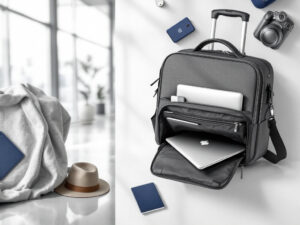
- Anti theft bags made of slash resistant material with locking or concealed zippers for crowded cities.
- Money belts or hidden pouches worn under clothing for backup cash and spare cards.
- RFID blocking wallets or passport covers to reduce the risk of electronic skimming of card data or passport chips.
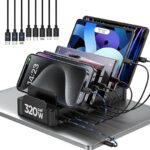
- Apple AirTags or similar trackers for checked luggage, kids’ backpacks, or day bags, so you can locate your belongings through your phone’s “Find My” app if they are misplaced or delayed.
Combine these with checklists and recommendations from dedicated travel safety gear and travel security technology resources so you buy based on your actual itinerary, not just advertising.
Insurance as a security tool
Travel insurance is another layer of protection. The right policy can help with medical emergencies, evacuation, lost luggage, and trip interruption, which turns a potential crisis into a manageable inconvenience. When you compare plans, use guides on travel safety insurance so you can see which coverage types matter most for your style of travel.
Tailor precautions to who you are and how you travel
Different travelers face different risks and priorities, so you can mix these precautions to suit your needs.
- Students and younger travelers might focus on nightlife safety, hostel security, and budget transportation, and can benefit from targeted travel safety for students advice.
- Seniors may prioritize medical access, mobility, and simple routines, and can look into travel safety for seniors.
- Backpackers usually blend tight budgets with flexible itineraries, so guidance on travel safety for backpackers is especially relevant.
- Women, particularly when traveling solo, often balance independence with extra situational awareness, which is where travel safety for women becomes useful.
If you travel often for work, you might focus more on streamlined airport security tips, secure hotel routines, and reusable packing systems that make your travelers safety and security checklist automatic.
Bring it all together into a simple routine
You do not need to memorize everything in this guide to stay safe. Instead, build a short, repeatable routine from the travel security precautions that fit your life:
Before you go:
Secure devices and accounts, review official advisories and travel security risks, enroll in STEP, copy documents, and plan your money and card strategy.On the road:
Avoid public Wi‑Fi, stay alert in crowds, keep valuables split and out of back pockets, use secure bags and rooms, and carry only what you need each day.If something happens:
Contact your bank, insurance provider, and embassy or consulate, lean on your “backup” copies and contacts, and follow your prewritten steps.
If you want more detail in a structured format, explore broader guides like travel security advice, travel security best practices, and general traveling safety measures.
With a few smart choices and consistent habits, you can enjoy new places with confidence, knowing you have both prevention and backup on your side.
FAQs
What are the most important travel security precautions for beginners?
Start with a simple routine: enable MFA, update devices, back up data, split your money/cards, verify lodging, and avoid public Wi-Fi for sensitive logins.
Is public Wi-Fi safe to use while traveling?
It can be risky, especially for logins and payments. Use your mobile data/hotspot when possible, or a reputable VPN if you must connect, and keep devices updated.
What’s the safest way to pay abroad?
Tap-to-pay (mobile wallet) is often safer than swiping because it reduces exposure to skimmers. Always keep your card in sight and cover the keypad for PIN entry.
How do I avoid vacation rental scams?
Avoid paying by wire transfer/gift card/crypto, cross-check listing details, and rely on well-known platforms and consistent reviews.
Do I need an International Driving Permit (IDP)?
Some countries require it. If you need one, get it through authorized issuers; U.S. guidance recognizes AAA and AATA.
What should I do with my devices after I return home?
Update your OS/security software, run full scans, and change passwords for accounts you used abroad to close the loop.
How should I travel with prescription medications?
Bring meds in original labeled containers and carry copies of prescriptions (including generic names).
What is STEP and who should use it?
STEP is a free U.S. service to receive safety updates and help embassies contact you in emergencies.