Traveling safety measures do not have to be complicated. With a clear routine you follow every trip, you can protect your identity, your money, your devices, and yourself while still enjoying the journey. This guide walks you through practical traveling safety measures you can turn into habits, whether you are a first‑time international traveler or a frequent flyer who wants to tighten up your security.
You will see references to several supporting resources, such as travel safety apps, travel safety insurance, and a printable travel safety checklist, so you can build a complete, repeatable system for safer trips.
Start with a simple pre‑trip safety plan
Before you book your ride to the airport, put a few basic traveling safety measures in place. A bit of planning will do more for your safety than anything you do once problems start.
Research your destination like a local
Safe international travel starts with understanding where you are going. The article “30 Basic Safe Travel Tips for Traveling Abroad” stresses that researching your destination and planning your arrival are key to a secure trip, especially overseas.
In the week before you fly, you can:

- Check the latest Travel Advisory and entry rules for your destination, plus local laws and safety tips, through the nearest U.S. embassy or consulate site.
- Look up common scams in that city so you recognize red flags quickly. You can go deeper with resources such as how to avoid travel scams.
- Note hospital locations, emergency numbers, and your embassy address near where you will stay.
This homework takes less than an hour but gives you a mental map, which is one of the most underrated traveling safety measures.
Register and streamline your official travel
If you are a U.S. traveler, enrolling in the Smart Traveler Enrollment Program (STEP) before you go helps the U.S. government send you safety information and contact you in an emergency abroad. You can also review driving safety guidance and apply for an International Driving Permit if you plan to drive. That way you are covered if local police ask for documentation.
For frequent flyers, the Department of Homeland Security’s Trusted Traveler Program offers TSA PreCheck and other expedited lanes at airports and some borders. Programs like these do more than save time. They also keep you out of the most crowded, stressful security lines, which often attract pickpockets.
If you want a bigger picture of how these pieces fit together, see broader travel safety guidelines as well.
Tighten your home and social media privacy
One of the most overlooked traveling safety measures is what you do before you leave home. The University of Miami advises you never to post upcoming travel plans on social media. Announcing your exact dates and location can tell potential criminals that your home will be empty and vulnerable.
Instead, you can:
- Share trip photos and stories after you return.
- Ask a trusted neighbor or friend to pick up mail and check on your place.
- Put lights on timers and avoid obvious signs that you are away.
You are not just protecting belongings. You are also reducing the risk that someone uses your absence to access sensitive paperwork or mail that arrives while you are gone.
Pack only what you can protect
Every extra card, device, or document you bring is something that can be lost, stolen, or misused. Smart packing is one of the simplest traveling safety measures you can control.
Minimize sensitive items in your bags
Travel experts recommend leaving at home any device, credit card, or document you do not absolutely need, especially if it holds confidential or sensitive data. That includes backup laptops, old phones, and extra bank cards you rarely use.
Aim to carry:
- One primary credit card plus one backup
- Your passport and only the essential IDs
- A reasonable amount of local currency for small purchases
For bigger expenses, rely on cards and follow safe money habits described in more detail in travelers safety and security. Managing fewer items makes it easier to notice if something is missing.
Create secure backups of important documents
Make copies of your passport, ID, travel insurance policy, and key reservation details. Keep one paper copy in a separate bag and one secure digital copy in an encrypted password manager or secure cloud storage. Solo Traveler recommends apps such as LastPass to store and protect these details, as discussed in their July 2025 article on solo travel safety apps.
If you use a password manager, familiarize yourself with it at home, not when you are jet‑lagged in a foreign airport. This is part of the broader advice from Solo Traveler to learn your safety apps before you actually need them.
Use practical safety gear, not gimmicks
You do not need a suitcase full of gadgets, but a few smart tools go a long way. Useful items you might consider, many of which are covered in travel safety gear, include:
- An RFID‑blocking wallet or passport holder to protect cards and e‑passports from skimming
- A small lockable travel pouch or money belt to keep cash and IDs close to your body
- Compact luggage locks for zippers on backpacks and suitcases
If you travel often, keep these items in a designated bin or pouch at home so you can grab them easily for every trip. Over time this becomes part of your pre‑flight ritual.
Protect your money and cards everywhere you go
Financial security is a core part of traveling safety measures. Protecting your money is not just about avoiding theft, it is also about making sure you can access funds in an emergency.
Balance your cash and card strategy
Travel safety guidance recommends carrying local currency for small everyday expenses and using credit cards for larger purchases. That balance keeps you flexible while limiting how much cash you are exposed to at once.
To handle money safely abroad:
- Avoid changing large amounts of cash at airports, which often offer poor exchange rates and high fees.
- Use bank ATMs in well lit, public areas, and check them for skimming devices by gently wiggling the card slot.
- Shield your PIN every time you enter it and never let your card out of sight at shops or restaurants if you can help it.
If you want a structured way to plan your finances and avoid common traps, you can refer to travel safety and health, which often includes money‑related precautions.
Monitor your accounts as you go
Your banking app is one of your best traveling safety measures. Regularly check for unusual charges, and use instant card freeze features if your bank offers them. This allows you to stop damage quickly if a card is compromised.
If your card is lost or stolen:
- Move to a private location before calling the bank, so you can speak freely.
- Report the loss immediately and ask the bank to review recent transactions.
- Use your backup card and emergency cash until the situation is resolved.
Having a small emergency fund set aside, ideally 10 to 20 percent of your total travel budget, helps you handle sudden expenses like reissued tickets, last‑minute hotels, or medical visits without panic.
Use airports and flights to your advantage
Frequent flyers spend a lot of time in transit. Airports are crowded, distracting environments, which means your traveling safety measures at these points matter a lot.
Double check every flight detail
Missed flights and scrambled connections can tempt you to rush and let your guard down. To avoid the domino effect of chaos, thoroughly confirm:
- Airport and terminal, especially in cities with multiple airports
- Flight times, gate numbers, and connection windows
- Any schedule changes or terminal moves on the airline app
Arriving early and planning for delays is not just a stress reducer, it is a safety move. You are less likely to leave items behind, make impulsive choices, or accept sketchy transit offers if you do not feel pressed for time. For more detailed guidance on airport routines, see airport security tips.
Guard your belongings in transit
While you are in airports and on planes, you will constantly set things down and pick them up again. To prevent loss of valuables:
- Keep a mental or written checklist of your “must have” items, such as passport, phone, wallet, and laptop.
- Always do a quick sweep of seats, overhead bins, and under your chair before you leave a plane, cab, or lounge.
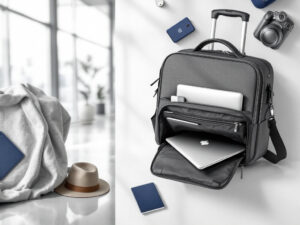
- Store less frequently used devices in your locked suitcase or a hotel safe, not loose in your carry on.
The research highlights that you should keep devices close to your body and never leave them unattended in public spaces like airports or coffee shops. Treat your laptop on the security belt like your wallet. Watch it go in, and watch it come out before you walk away.
Question free offers and quick conveniences
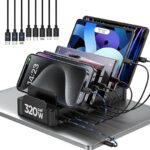
Public USB charging stations at airports look helpful, but they can be compromised. Security experts recommend avoiding unsecured USB charging stations to reduce the risk of malware or data theft. If you must use airport power, stick to your own charger plugged into a regular outlet.
Likewise, avoid using shared airport computers to log into personal accounts or sensitive services. These machines may have keyloggers or outdated security software. Wait until you are on your own device over a secure connection whenever possible.
Stay smart with hotel and accommodation safety
Where you sleep is the center of your trip. Strong accommodation safety habits are key traveling safety measures for both solo travelers and families.
Secure your room and your valuables
Once you enter your hotel or rental:
- Check that locks, windows, and latches work properly.
- Store your passport, backup cards, and extra devices in the room safe when you do not need them.
- Keep the “do not disturb” sign on the door when you are out to make the room look occupied.
To prevent loss, always double check closets, drawers, and bathroom counters before checkout, then glance back at the bed and nightstands. A small pause here can save a passport or laptop from being left behind.
For a focused deep dive into hotel specific habits, review hotel safety tips for travelers.
Control what you share with strangers
You do not need to tell every new acquaintance your exact room number, daily schedule, or that you are traveling alone. In conversations, you can be friendly without offering specifics.
You might say:
- “I am staying nearby” instead of naming the hotel.
- “I am meeting a friend later” even if you are not, to avoid signaling that you are alone.
This matters especially if you are following travel safety for women or travel safety tips for solo female travelers. A little vagueness keeps you safer.
Protect your devices and data on the road
Digital security is now just as important as physical security. Many of the most effective traveling safety measures are about how you connect to the internet and store your information.
Assume public Wi‑Fi is not private
A 2024 guide on protecting information while traveling notes that travelers are especially vulnerable to identity theft and fraud when connecting to unsecured public Wi‑Fi or using public computers. The University of Miami recommends that you assume all activity on public Wi‑Fi is visible to others.
To stay safer online:
- Update your devices and security software before your trip.
- Password protect all phones, tablets, and laptops.
- Turn off file sharing and disable automatic connections to known hotspots.
- When in doubt, use your personal hotspot or a travel router with a prepaid SIM rather than free public Wi‑Fi.
If you must use public Wi‑Fi, protect your connection with a virtual private network (VPN), such as the one the University of Miami recommends for its own community. Solo Traveler also highlights tools such as StrongVPN and Signal, which help you secure communications and browsing when you are away from home.
You can find more on tech tools and options in travel security technology.
Limit which devices you connect and where
Security experts advise you to:
- Avoid using your personal devices to access sensitive work or institutional data unless you are required to and properly protected.
- Prefer organization issued devices when logging into corporate or university resources.
- Skip shared public computers entirely for anything that requires a login.
- Turn off Wi‑Fi and Bluetooth when you are not using them to reduce your digital footprint and battery drain.
When you return from your trip, the University of Miami strongly suggests that you change all passwords used abroad, back up your data, wipe rented or travel specific devices, and delete stored Wi‑Fi networks. Consider this your “digital unpacking” before you settle back into normal routines.
For an overview of tech related travel security risks and how to manage them, you can also explore travel security awareness.
Choose safety focused travel apps
Your phone can be a powerful part of your traveling safety measures if you use the right tools. Solo Traveler emphasizes that the key to confident solo travel is preparation, especially loading and learning your safety apps before you go.
Build a basic safety app toolkit
According to Solo Traveler’s July 2025 overview, the best solo travel safety apps work on both Android and iOS and cover:
- Secure document and password storage
- Encrypted messaging and calling
- VPN services for safer internet connections
- Emergency alerts and personal safety features
- Navigation, translation, and offline maps
They recommend getting comfortable with tools such as LastPass for passwords, Signal for secure messaging, and StrongVPN for private browsing before you leave. That way you are not trying to figure them out while stressed or in an unfamiliar language.
To build your own setup, you can explore curated options in travel safety apps.
Balance privacy with protection
Solo Traveler also notes that using safety apps means trusting technology with personal data, so you need to decide whether the safety benefits outweigh your privacy concerns. A few ways to strike a balance:
- Read app privacy policies and permission requests carefully.
- Only share your live location within apps with people you trust.
- Periodically prune apps you no longer use and revoke their access.
The goal is to turn your phone into a multi functional safety device, community builder, and travel companion without over sharing.
Stay physically safe as you explore
Traveling safety measures are not only about money and data. Your personal safety and health matter more than any belongings.
Follow everyday situational awareness
Janice Waugh, an experienced solo traveler, emphasizes that the fundamentals of solo travel safety prioritize keeping you and your documents safe over worrying about things that can be replaced. She also points out that safety is about wise decisions in everyday situations, not blind faith in the goodness of people.
Practical examples include:
- Walking with purpose and confidence, especially at night.
- Avoiding isolated shortcuts in favor of busier, well lit streets.
- Limiting alcohol when you are in unfamiliar places.
- Trusting your instincts. If a situation feels off, leave.
If you are traveling alone, you can get more targeted advice from safe solo travel tips and personal safety for travelers.
Adjust safety measures for your travel style
Different travelers face different risks. Fortunately, many of the same traveling safety measures can be adapted:
- If you are a student, travel safety for students can help you combine budget travel with good judgment.
- If you are a senior, travel safety for seniors focuses on mobility, medication, and comfort.
- Backpackers can look at travel safety for backpackers for tips that match hostel stays and carry on only trips.
- Women traveling by themselves can draw on travel safety for women for extra layers of protection and support.
Women who prefer company can also join a women only travel group. The research notes that groups such as Sisterhood Travels provide built in community and safety, especially compared with going entirely solo. You still get the experience, but with extra backup.
Give your health and comfort a safety upgrade
Healthy travelers handle problems more easily, which is why many traveling safety measures overlap with basic wellness and preparation.
Choose the right gear and clothing
Some simple choices can protect both comfort and safety:
- Wear comfortable walking shoes instead of heels or delicate footwear, especially in cities like Paris where you will walk much more than you expect. This keeps you steady and less vulnerable to falls or fatigue.
- Pack soft sided duffel bags for safaris or small planes, since camps and small aircraft often require luggage that can be easily loaded. Hard suitcases may be disallowed.
- Use reef safe mineral sunscreen in places with delicate coral or marine life, such as the Maldives, to protect both your skin and the environment. Chemical sunscreens can harm coral reefs.
- If you get motion sick on cruises, consider anti nausea acupressure wristbands. They can help without the drowsiness that comes with some medications like Dramamine.
You can find more gear suggestions and checklists in travel safety gear.
Protect your trip with insurance
Travel insurance is one of the most powerful traveling safety measures you can purchase. It protects your health, your trip, and your finances from surprises such as accidents, illnesses, delays, and cancellations. Both general travel safety resources and Solo Traveler highlight insurance as a key element of safe solo travel.
Before you go:
- Read the policy carefully so you know what is covered.
- Save the insurance number and emergency contacts in your phone and on paper.
- Share policy details with someone at home in case they need to advocate for you.
If you are comparing options or deciding what level of coverage you need, you can use travel safety insurance as a starting point.
Plan for “what if” with a personal safety checklist
Putting all your traveling safety measures together may feel like a lot, but they can be turned into one repeatable routine.
A quick way to organize everything is to use or adapt a travel safety checklist. At a minimum, your checklist might cover:
- Pre trip: destination research, STEP enrollment, insurance, needed documents and copies
- Packing: minimized cards and devices, safety gear, medications, emergency cash
- Transit: double checked flight details, monitored belongings, safe ATMs and chargers
- On the ground: hotel room checks, secure Wi‑Fi habits, money handling, health and comfort
- Post trip: password changes, data backups, device wipes, review of what worked well or needs improvement
One of the most effective traveling safety measures is simply turning your precautions into habits you barely have to think about.
If you want broader guidance that ties all these elements together, you can also explore how to stay safe while traveling, travel security best practices, and emergency travel safety tips.
Start with one or two changes on your next trip, such as always using a VPN on public Wi‑Fi and keeping a short list of must have items to check before you leave any plane or taxi. As those become automatic, layer in more measures. With each step, you build a safer, more confident way of traveling that supports every future adventure.
FAQs
What are the most important traveling safety measures for frequent flyers?
Start with a routine: check advisories/entry rules, reduce what you carry, back up documents, secure your phone, and use safer Wi-Fi + charging habits.
Should I enroll in STEP, and who is it for?
If you’re a U.S. traveler abroad, STEP is a free way to receive embassy safety alerts and improve contact options in emergencies.
Is TSA PreCheck (or other Trusted Traveler programs) a safety move or just a convenience?
It’s mainly convenience, but less time in crowded lines can reduce stress and opportunistic theft risk—especially for frequent flyers.
How do I protect myself from travel scams quickly?
Avoid “free” offers that require fees, don’t pay via wire/gift cards/crypto, and insist on clear details + cancellation policies before you pay.
What’s the safest way to use Wi-Fi while traveling?
Assume public Wi-Fi is risky for sensitive tasks. Prefer your hotspot or use a VPN, and disable auto-connect + file sharing.
Are airport USB charging stations actually dangerous?
The risk is real enough that authorities advise avoiding public USB ports; use your own charger + wall outlet, or a power bank/data blocker.
Do I really need travel insurance?
It depends on trip cost, destination, and health needs, but it can cover emergencies like medical evacuation and trip disruption—often the most expensive surprises.
What should I do after I return home to close security gaps?
Change passwords you used abroad, back up your data, and remove saved networks—treat it like “digital unpacking.”