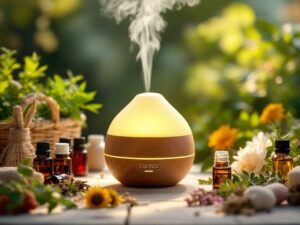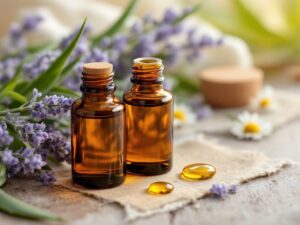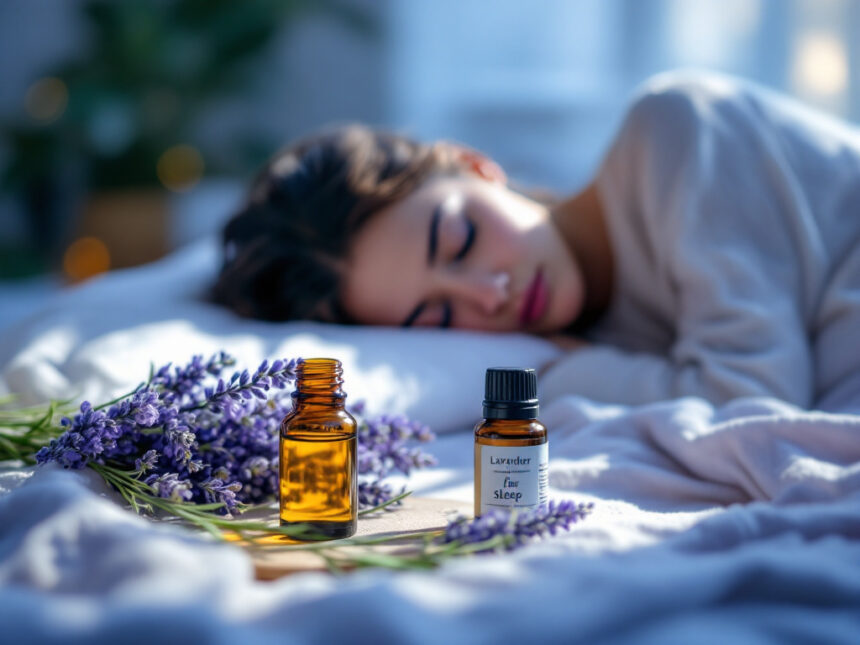
A good night’s sleep should not feel like a luxury. If you are lying awake with a racing mind or a restless body, the best essential oils for sleep can give you a gentle nudge toward deeper, more restorative rest, without reaching for strong medications.
This guide focuses on effective, beginner friendly, and family conscious options. You will see which essential oils are naturally calming, how they work, and simple ways to use them safely around kids, pets, and sensitive sleepers.
How essential oils support better sleep
When you inhale calming essential oils at bedtime, you are doing more than enjoying a nice scent. Aromas interact with your olfactory system, which links directly to parts of your brain that regulate emotion, stress, and sleep.
Plant Therapy explains that relaxing oils can trigger brain responses that increase melatonin, the hormone that helps you fall asleep and stay asleep, and that this interaction promotes both relaxation and the swift transition into deeper sleep stages in a natural, holistic way.
Research backs this up. A 2020 single blinded study found that inhaling lavender essential oil during sleep significantly improved subjective sleep quality, with fewer disturbances and better feelings of sleep wellness, even though participants did not consciously notice the scent during the night.

The same pilot study showed that lavender aroma increased the percentage of slow wave sleep relative to total time in bed, which is the deepest stage of non REM sleep associated with physical and mental restoration. EEG analysis showed more delta power in that deep stage and less alpha and beta activity, which suggests fewer micro awakenings and a calmer brain.
A larger systematic review and meta analysis of 30 studies published between 2011 and 2019 reported that aromatherapy significantly improves sleep quality in adults and older adults, with an overall effect size of 0.74, which is considered a moderate to strong benefit. Aroma massage sessions that lasted more than 20 minutes showed especially strong effects.
The takeaway for you is simple. When you use the right essential oils for sleep, in a consistent, unhurried routine, you are working with both your senses and your nervous system to calm your body and mind.
How to choose gentle sleep oils for your home
Not every soothing oil is right for every household. Since you may be new to essential oils and might be thinking about kids, pets, or asthma, a few simple rules will help you choose wisely.
Prioritize safety first
Look for these qualities when you are building your bedtime collection.
- Oils with a long history of use for relaxation and sleep, such as lavender, Roman chamomile, sweet marjoram, bergamot, and mandarin
- Gentle profiles that are typically well tolerated when properly diluted, especially if you have children over two years old at home
- Clear usage guidance from reputable brands so you always know the right dilution, application methods, and age recommendations
Plant Therapy, for example, offers a curated collection of 25 essential oils and blends specifically chosen for their sleep enhancing properties, with options designed for diffusion and topical use. Their focus on natural, holistic sleep support that avoids many side effects linked to some over the counter sleep aids makes them a helpful benchmark for what to look for when you shop.
Keep it simple and start small
You do not need a cupboard full of bottles. If you are just starting out, you can begin with one to three of the best essential oils for sleep, then slowly layer in blends if you want more customized support. Using fewer oils consistently is often more effective than chasing the latest trend every night.
If you want to go deeper on basics like dilution, carrier oils, and different application methods, you can explore guides on how to use essential oils and how to dilute essential oils once you have picked your favorites.
Lavender essential oil: The classic all rounder
If you only choose one oil for sleep, make it lavender. Lavender essential oil, distilled from a purple flowering shrub, is the most researched of all the calming oils. Its main compounds, linalool and linalyl acetate, have been shown to calm the nervous system, reduce anxiety, and improve sleep quality across different populations when used as aromatherapy or paired with basic sleep hygiene practices.
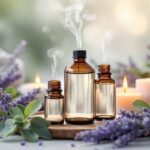
In the 2020 pilot study mentioned earlier, inhaling lavender during sleep increased both slow wave sleep and total sleep time, without changing how long participants were in bed. In other words, their sleep became deeper and more efficient, which is what you really want.
When lavender is a good fit
Lavender is a smart starting point if you:
- Feel keyed up or anxious at bedtime
- Wake often during the night feeling restless
- Want a single, multipurpose oil for both evening relaxation and sleep
Because of its versatility, lavender also shows up in many calming blends and in recipes for essential oils for relaxation, essential oils for stress relief, and essential oils for anxiety.
Easy ways to use lavender at night
You can keep your routine minimal and still see benefits.
- Diffuse 3 to 5 drops in your bedroom for 20 to 30 minutes before lights out
- Add a few drops to an unscented lotion, diluted appropriately, and massage into your shoulders and neck
- Combine with Epsom salts and a carrier oil for a warm evening soak using simple essential oils for bathing guidelines
If you share your home with kids, remember that undiluted oils are never applied directly to their skin. Keep diffusers in a well ventilated room, use shorter sessions, and always watch for any signs of sensitivity.
Roman chamomile: Gentle support for sensitive sleepers
Roman chamomile essential oil has a sweet, herbaceous aroma often compared to apples or straw. It is known for being one of the gentlest oils you can use, which makes it a favorite in child friendly evening routines.
Neal’s Yard Remedies notes that Roman chamomile is ideal for easing sleep difficulties and agitation, and that it is gentle enough for children over two years old when used appropriately. Combining a warm cup of chamomile tea with the aroma of the oil can create a strong relaxation association in your brain, which can make winding down feel more automatic over time.
Chamomile may also aid sleep by interacting with benzodiazepine receptors that help regulate relaxation, which is similar to the way many people experience chamomile tea as naturally calming.
When Roman chamomile might help you most
Consider this oil if you:
- Have a sensitive system and do not enjoy strong, herbal scents
- Tend to feel irritable or fidgety at bedtime
- Want a kid friendly option to help older toddlers and school age children settle down
The same soothing properties that make chamomile useful for sleep also show up in blends created for easing discomfort or skin sensitivities. You will often see it paired with other ingredients in formulas for essential oils for eczema or gentle essential oils for skin care.
Bergamot: Uplifting calm for a busy mind
If your mind spins at bedtime, you may need a scent that lifts your mood at the same time that it relaxes your body. Bergamot essential oil, pressed from the rind of the bergamot orange, has a fresh, citrusy fragrance that is often described as a splash of cool, refreshing water.
Studies that used blends containing bergamot have found that participants slept better. One study reported that 64 percent of healthy women and cardiac rehabilitation patients who used bergamot containing mixtures experienced improved sleep quality and better mental health. Another small study found that bergamot aroma led to fewer awakenings and more restful sleep when applied to cotton balls during the night.
Why bergamot is especially helpful for worriers
Bergamot appears to lower blood pressure and reduce heart rate in some people through aromatherapy. When you use it in your bedroom:
- It may take the edge off evening tension
- Your thoughts may feel a little lighter and less sticky
- You are more likely to wake feeling refreshed instead of groggy
Keep in mind that bergamot can be phototoxic when applied to skin that is then exposed to sunlight. If you use it topically, stick to nighttime only, follow proper dilutions, and avoid sun exposure on that area the next day.
Mandarin: Soft citrus for kids and the cautious
Mandarin essential oil has a soft, sweet citrus scent that feels gentler than many other citrus oils. It is often recommended for children over two years old because of that mild profile, and it can be a lovely way to create a cheerful, cozy bedtime atmosphere.
Neal’s Yard Remedies highlights mandarin as one of the gentlest essential oils available, suitable for diffusers or as part of a sleep aid blend. Its uplifting aroma can ease restlessness and low mood that might otherwise interfere with winding down.
When to reach for mandarin
Mandarin can be a good fit if you:
- Find herbal or floral oils overpowering
- Want a naturally uplifting scent that still steers you toward calm
- Are building a kid friendly or guest friendly bedtime diffuser routine
You can combine mandarin with lavender in a diffuser blend to balance floral and citrus notes. If you enjoy blending, you might also like exploring simple essential oils diffuser blends that pair citrus oils with deeper, grounding scents.
Sweet marjoram: For “tired but wired” nights
Sweet marjoram essential oil has a warm, herbaceous, and slightly spicy aroma. It is less famous than lavender or chamomile, but it is a quiet star for people who feel exhausted yet unable to switch off.
Neal’s Yard Remedies notes that marjoram is used as a natural aid for insomnia, nightmares, and other sleep disturbances, with a deeply nurturing, restorative effect that can be especially comforting when you feel tired but too wired to rest.
How marjoram can change your sleep pattern
When you use sweet marjoram before bed you may notice that:
- Your muscles soften and your shoulders drop more easily
- You feel comforted rather than simply sedated
- Nighttime worry loops lose some of their intensity
Because it is strongly relaxing, it can be best reserved for evenings. If you are experimenting with blends, a modest amount of marjoram mixed with lavender and a gentle citrus can give you a layered, soothing aroma.
Frankincense: Grounding your breath and thoughts
Frankincense Boswellia sacra essential oil has an earthy, warm, and woody scent that has been associated with meditation and prayer practices for centuries. Inhaling it can encourage deeper breathing, calm mental chatter, and promote a sense of spiritual or emotional grounding.
Neal’s Yard Remedies explains that this deeper, slower breathing pattern is part of what helps frankincense promote a peaceful night’s sleep, especially if your insomnia feels tied to a restless, overactive mind.
When frankincense shines in your routine
You might enjoy frankincense if you:
- Like slower, deeper scents rather than light florals
- Use journaling, meditation, or gentle yoga as part of your nightly wind down
- Want to cultivate a sense of ritual around bedtime
A single drop blended with lavender or chamomile in a diffuser can be enough. You can also include it in a diluted oil for gentle essential oils for massage across your chest or back before bed.
Cedarwood: Sedating support for deeper sleep
Cedarwood essential oil has a warm, woody scent that many people associate with cabins or cedar chests. It contains cedrol, a compound with sedative effects that have been shown to improve sleep quality and increase total sleep time in healthy adults and in people with dementia.
In research, cedarwood used consistently for at least 20 nights led to better sleep outcomes, which reinforces the idea that steady routines matter as much as your oil choice.
Why cedarwood belongs in deeper sleep blends
Cedarwood can be helpful when you:
- Wake frequently and have trouble getting back to sleep
- Want to spend more time in deep, restorative stages of sleep
- Prefer grounding, woody aromas to sweet or floral scents
Try combining cedarwood with lavender in a diffuser or in a diluted body oil. Its sedating tendency makes it a good back up on nights when you know your brain will want to replay the entire day.
Clary sage: Balancing mood, hormones, and stress
Clary sage essential oil has a herbaceous, slightly floral profile. It is often used for its mood balancing effects, especially around hormonal shifts that can disrupt sleep.
Studies suggest that clary sage has antidepressant properties and can reduce cortisol, your main stress hormone, as well as lower blood pressure and respiratory rate. All of this can make it easier to ease into sleep, especially when your insomnia feels tied to mood swings or chronic stress.
When clary sage is especially useful
You might consider clary sage if you:
- Experience anxiety or low mood in the evenings
- Have sleep disturbances around your menstrual cycle, postpartum period, or perimenopause
- Want an oil that doubles as daytime emotional support and nighttime calm
Use clary sage in a diffuser blend for an hour or so before bed. It can complement other routines focused on mental wellness, such as journaling, therapy, or relaxation practices, and it pairs naturally with other essential oils for stress relief.
Eucalyptus, peppermint, and sleep breathing
Sometimes you are not awake because of stress or mood. You may simply not be breathing well. Congestion from colds or allergies can make snoring worse and may aggravate mild sleep apnea.
Eucalyptus essential oil helps reduce airway congestion and can make breathing easier when used in a diffuser or as part of a chest rub. Peppermint essential oil offers anti inflammatory properties that can help clear your sinuses and open your airways, potentially reducing snoring and improving airflow.
Lavender, with its mild sedative effects, may also help people with sleep apnea spend more time in deeper stages of sleep by calming anxiety and easing transitions into rest.
These oils are not a treatment for diagnosed sleep apnea, and you should always follow medical guidance for that condition. They can, however, be part of a more comfortable nighttime environment, especially when combined with other allergy aware choices, such as exploring essential oils for allergies.
Simple, low effort ways to use sleep oils
You do not need an elaborate spa ritual to benefit from the best essential oils for sleep. Start with one or two of these easy methods.
- Diffuse 15 to 30 minutes before lights out, using 3 to 5 drops in water, and turn the diffuser off as you fall asleep if you are sensitive
- Apply topically in a lotion or oil, always properly diluted, to your chest, wrists, or the soles of your feet
- Add to your laundry routine, using a drop or two on dryer balls for pillowcases or sheets following safe essential oils for laundry guidelines
- Create a simple bath ritual with a few drops mixed into a carrier oil or unscented bath base
If you enjoy experimenting, you can look into basic essential oils recipes that focus on evening routines, or explore essential oils for aromatherapy for more ideas on diffusing safely and effectively.
Always patch test any new oil blend on a small area of skin, and keep diffusers out of direct reach of children and pets. If anyone in your home has asthma, respiratory issues, or is pregnant, check with a healthcare professional before introducing new oils.
Choosing your first 1 to 3 sleep oils
With so many options, here is a simple way to decide where to start.
1. Pick your base relaxer
- Choose lavender if you want the most researched, versatile choice.
- Choose Roman chamomile if you have a very sensitive system or plan to use oils around children.
2. Add a mood balancer if needed
- Consider bergamot or clary sage if evening worry or low mood is your main issue.
3. Add a grounding deep sleep support
- Sweet marjoram, cedarwood, or frankincense can be your choice if you struggle to stay asleep or calm your thoughts.
From there, you can adjust based on what you notice. Many people find that two or three oils, used consistently and thoughtfully, help them fall asleep faster, wake less often, and feel more refreshed in the morning.
If you are curious about other ways to use your new oils beyond bedtime, you might eventually want to explore topics like essential oils benefits, essential oils for headaches, or essential oils for cleaning so every bottle in your collection earns its place.
For now, choose one simple change for tonight. Maybe you diffuse a few drops of lavender while you read in bed or add a chamomile scented lotion to your evening routine. Pay attention to how your body responds, then build from there, one restful night at a time.
FAQs
Which essential oil is best for sleep if I can only buy one?
Lavender is the best starting point because it’s widely studied and widely tolerated, and research links it with improved sleep outcomes in aromatherapy contexts.
How long should I diffuse essential oils at night?
Aim for short, intentional sessions (often 15–30 minutes before sleep), especially in small rooms or with sensitive sleepers. Long, continuous diffusion can increase irritation risk for kids, sensitive adults, and pets.
Are essential oils safe around children?
They can be when used correctly—age-appropriate dilution, low doses, ventilation, and keeping oils out of reach matter most. Use child dilution guidance and patch test.
Can I put bergamot on my skin before bed?
Only if you follow proper dilution and avoid sun exposure on that area afterward—expressed bergamot can be phototoxic unless it’s FCF/bergapten-free.
What oils help when I can’t sleep because I can’t breathe well?
Eucalyptus and peppermint may help comfort congestion in a bedroom routine, but they don’t treat sleep apnea—use medical guidance for that. Keep extra caution around children and sensitive lungs.
What’s the safest topical spot for sleep blends?
Try a well-diluted blend on the chest, shoulders, or wrists, and always patch test first. (Avoid eyes/mucous membranes; keep away from kids’ hands.)