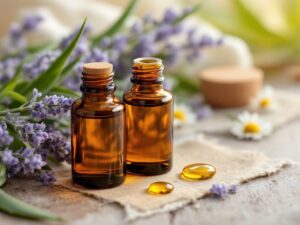
A long run or heavy lifting session can leave you feeling strong, but your muscles may tell a different story a few hours later. If you are looking for essential oils for muscle pain that help without harsh side effects, you can build a simple, gentle toolkit that supports your recovery routine instead of replacing it.
Below, you will find a clear, safety-first guide to the best essential oils for sore muscles, how to dilute and apply them, and how to use them confidently around kids, pets, and sensitive skin.
Why use essential oils for muscle pain
Essential oils are not magic, and they do not replace medical care or rest. Used correctly, they can offer targeted comfort alongside stretching, hydration, and other healthy habits.
A systematic review of eight randomized controlled trials on musculoskeletal disorders found that topical essential oil blends reduced pain intensity more than placebo, both immediately after use and up to four weeks later, although the overall certainty of the evidence was rated very low due to small, variable studies and a high risk of bias. That means you should think of essential oils as a gentle add-on, not a stand-alone cure.
When you choose essential oils for muscle pain, you are mainly looking for three effects:

- Easing pain and discomfort
- Reducing tension and tightness
- Calming minor swelling or inflammation
Some oils are a “triple threat” and support all three, while others target one or two areas really well. You can keep your routine very simple with 1 to 3 starter oils, then add more only if you want to experiment.
If you are brand new to oils, you may also want to read up on general essential oils benefits and basic how to use essential oils so everything below fits into a bigger picture.
Safety basics before you start
Essential oils are highly concentrated. A single drop can contain the plant compounds of a handful of leaves or flowers. That is why a little goes a long way and why safety matters.

Always dilute before using on skin
Full-strength oils can irritate or burn your skin. For muscle pain blends, a practical, gentle starting point is:
About 15 drops of essential oil total in 6 teaspoons of carrier oil
Good carrier oils include coconut, olive, jojoba, or argan oil. This gives you a roughly 2 percent dilution, which is often used for general adult massage. For kids, pregnancy, older adults, or sensitive skin, use fewer drops for a weaker blend and talk with a health professional first.
If you want more detail on figuring out percentages, bookmark how to dilute essential oils for later.
Do a patch test first
Even natural products can trigger allergies. Before you slather a new blend on sore muscles, test it:
- Dilute the blend as you plan to use it.
- Apply a small amount to your inner forearm.
- Wait 24 hours.
If you notice redness, itching, rash, or burning, wash the area with mild soap and water and skip that oil.
Consider kids, pets, and health conditions
If you have little ones, pets, asthma, epilepsy, or are pregnant or breastfeeding, talk with your medical provider before using new essential oils for muscle pain. Some oils and scents are not a good fit in those situations, and it is better to get a personalized green light.

For safety-first households, keep these habits:
- Store bottles out of reach of children and animals
- Avoid applying oils where pets can lick your skin
- Ventilate rooms well when diffusing and keep sessions short
You can also explore calmer options like essential oils for relaxation or best essential oils for sleep to support recovery without strong warming or cooling effects.
How essential oils ease sore muscles
When you apply diluted essential oils to your skin, three main things happen:
- The scent travels through your nose, which can shift how your brain perceives pain and stress
- The plant compounds absorb through your skin to the local tissue
- The massage itself improves blood flow and helps move out waste products from exercise
Most essential oils for muscle pain contain compounds that are warming, cooling, or mildly anti-inflammatory. Some are also relaxing or uplifting, which can help you unwind when you feel too sore to move.
The review mentioned earlier found that topical essential oils were usually used by massage, as a supplement alongside standard care, for conditions like knee osteoarthritis, rheumatoid arthritis, low back pain, neck pain, and carpal tunnel syndrome. Again, the evidence quality is low, but it supports what many people notice in daily life: a thoughtfully blended oil plus gentle massage often feels better than massage alone.
Best essential oils for muscle pain
Here is a focused roundup of essential oils for muscle pain, so you can choose one or two that match your needs without building a huge collection.
Eucalyptus: Cooling comfort and easier breathing
Eucalyptus is one of the best known oils for that cool, opening sensation. When your muscles feel hot and overworked, a diluted eucalyptus blend can create a mild cooling effect that distracts from discomfort and eases tension.
You might like eucalyptus if:
- Your muscles feel hot, tight, or overused
- You enjoy fresh, “spa-like” scents
- You want something that also feels clearing for your breathing
Use it in a post-workout massage blend or in a warm compress on larger muscles like thighs, calves, or back.
Because it has a strong scent, use sparingly around young kids and avoid applying near faces. Always keep eucalyptus diluted and away from pets that might lick your skin.
Yarrow: Gentle support for tension and swelling
Yarrow essential oil is often valued for its calming effect on minor muscle tension and swelling. It is a good choice if you are looking for something a bit more subtle than the strong minty oils but still want targeted comfort.
You might like yarrow if:
- You prefer a less intense, more herbal scent
- Your soreness comes with some puffiness or mild swelling
- You want a “triple threat” add-in for pain, tension, and inflammation
Yarrow pairs well with lavender for a calming, night-time muscle blend or with eucalyptus if you also want that cooling feel after a workout.
Lavender: Relaxation-focused and family friendly
Lavender shows up in a surprising number of pain studies. In the musculoskeletal review, lavender essential oil was used in seven of the eight trials, usually at 1.5 to 3 percent concentration and applied by massage.
Lavender is not the strongest numbing or cooling oil for muscle pain, but it shines in two ways:
- It helps you relax, which can soften muscle guarding and tension
- It can support better sleep, so your body can repair overnight
Lavender is a smart starting oil if you want something gentle that works for sore muscles, sleep, and general stress. You can also use it in many other ways, from essential oils for headaches to calming essential oils diffuser blends.
Peppermint: Strong cooling relief for hotspots
Peppermint oil contains menthol, which creates a noticeable cooling and tingling sensation on the skin. That cooling can distract your brain from pain signals, which many people find helpful on localized sore spots.
Peppermint might be your pick if:
- You are dealing with small, specific areas like a tight calf or shoulder
- You enjoy an energizing, minty scent
- You want something that feels similar to over-the-counter cooling gels
Because peppermint is potent, dilute it well and avoid using it in large amounts over big areas of the body. Many safety guidelines advise caution with peppermint around young children and sensitive airways, so keep it out of reach and talk with a pediatrician before using on or near kids.
If your pain is more joint related, such as knees or hands, you might also want to read about essential oils for arthritis for a broader look at options.
Roman chamomile: Calming for stress and spasms
Roman chamomile essential oil has a soft, fruity-floral scent and a reputation for calming both mood and muscles. It can be especially soothing when your discomfort involves spasms, cramps, or when stress seems to make everything worse.
You might appreciate chamomile if:
- Your muscles feel twitchy, crampy, or prone to spasms
- You enjoy gentle, comforting scents
- You want to combine pain relief with a sense of emotional ease
Roman chamomile blends beautifully with lavender for bedtime blends and with yarrow for a very soothing, low-intensity massage oil.
Ginger: Warming relief for stiff, cold muscles
If your muscles feel stiff and cold, a warming oil such as ginger can be more comforting than something cooling. Ginger essential oil creates a subtle warmth on the skin and is popular in massage blends for low back, hips, and old muscle aches that flare in cold weather.
You might choose ginger if:
- Your soreness feels deep and “chilly” rather than hot
- You prefer cozy, spicy scents
- You want support for older, nagging muscle discomfort
Because warming oils can sometimes redden sensitive skin, keep your dilution lower at first and increase slowly if your skin tolerates it.
Rosemary: Alertness plus circulation support
Rosemary brings a crisp, herbal scent that feels clean and focusing. Many people like it as an addition to blends for morning workouts or long workdays at a desk, when neck and shoulder muscles start to complain.
Rosemary can be useful if:
- You want relief without feeling sleepy
- You like refreshing, herbal aromas
- You are building a blend for neck, shoulder, or upper back massage
Use carefully if you have epilepsy, high blood pressure, or are pregnant, and check with your healthcare provider first.
Frankincense: Gentle, grounding support
Frankincense is not the first oil people think of for muscle pain, but it earns a place in many long-term support blends. It has a grounding scent and is often used in formulas that aim to calm inflammation and promote comfortable movement over time.
You might add frankincense if:
- You are building a “daily support” massage blend
- You enjoy deep, resinous, meditative scents
- You want one bottle that can support both muscles and skin care
Frankincense pairs nicely with lavender, yarrow, or ginger for balanced blends.
Top 5 starter oils for muscle pain
If you want to build a small, flexible starter set, start here. These five give you both variety and overlap, without overwhelming your shelf or your budget.
| Oil | Best for | Scent profile |
|---|---|---|
| Lavender | Relaxation, sleep, gentle pain | Soft, floral, fresh |
| Eucalyptus | Cooling soreness, tight muscles | Fresh, camphor-like |
| Yarrow | Pain, tension, mild swelling | Herbal, earthy |
| Peppermint | Spot cooling, sharp discomfort | Strong, minty |
| Roman chamomile | Spasms, cramps, worry tension | Sweet, fruity-floral |
With just these, you can make:
- A daytime cooling blend (eucalyptus plus peppermint)
- A night-time relaxing blend (lavender plus chamomile)
- A calming “triple threat” blend (yarrow plus lavender)
You can always layer in ginger, rosemary, or frankincense later if you find yourself reaching for oils daily.
Best carrier oils for sore muscles
Your choice of carrier oil changes how your blend feels and absorbs, but it does not change the basic safety rule: always dilute.
For muscle blends, common options include:
- Fractionated coconut oil, light, non-greasy, absorbs quickly, good for roll-ons
- Sweet almond or grapeseed oil, smooth slip for massage, easy to find
- Olive oil, rich and nourishing, slightly heavier, nice for nighttime use
- Jojoba oil, very stable and close to skin’s natural oils, good for sensitive skin
You can keep it very simple. Pick one carrier you like and stick with it, especially if you are just starting with essential oils for muscle pain.
How to apply essential oils for muscle pain
Once you have a diluted blend, how you apply it matters almost as much as what is in it. Here are practical, low-fuss methods that fit into a busy day.
Use roller bottles for quick, mess-free relief
Pre-diluted roller bottles are ideal for on-the-go use. You can buy ready-made roll-ons or fill your own with a carrier oil and your chosen essential oils.
To use:
- Roll gently over the sore muscle
- Massage in with your fingertips for 30 to 60 seconds
- Wash your hands afterward so you do not accidentally touch your eyes
Rollers work well for smaller areas such as neck, shoulders, calves, and forearms.
Add oils to a self-massage routine
A short, focused self-massage can make diluted essential oils for muscle pain even more effective. You do not need special tools, just your hands.
For example:
- After a run, apply a eucalyptus and yarrow blend to your calves and thighs
- Use slow, long strokes toward your heart to support circulation
- Pause on particularly tight spots and hold gentle pressure for a few breaths
If you enjoy massage generally, you might like exploring broader essential oils for massage ideas too.
Soak in an essential oil bath
A warm bath can soothe sore muscles, and adding oils can make it feel more like a mini spa session. To use essential oils safely in the bath, do not drip them straight into the water. Instead:
- Mix your chosen essential oils into a tablespoon of carrier oil or an unscented liquid soap.
- Stir that mixture into the bathwater as it fills.
- Soak for 15 to 20 minutes.
A bedtime bath blend might include lavender, chamomile, and a little yarrow. For more bath-focused ideas, see essential oils for bathing.
Use warm or cold compresses
Compresses are one of the most effective ways to direct essential oils for muscle pain to a specific area.
To make a simple compress:
- Fill a bowl with comfortably warm or cool water.
- Add your diluted essential oil blend, or mix a few drops of oil into a teaspoon of carrier oil first and then stir into the water.
- Soak a clean cloth, wring out, and place over the sore muscle.
- Leave on for 10 to 15 minutes, rewetting as needed.
Warm compresses are usually better for stiffness, while cool compresses can feel better on hot, inflamed areas.
Simple muscle pain blend recipes
Here are a few starter blends you can customize. All are written for about 2 tablespoons of carrier oil, roughly 6 teaspoons.
Cooling post-workout leg blend
- 6 teaspoons carrier oil
- 6 drops eucalyptus
- 4 drops peppermint
- 3 drops yarrow
Massage into legs after intense workouts, avoiding broken skin.
Bedtime back and shoulder blend
- 6 teaspoons carrier oil
- 7 drops lavender
- 4 drops Roman chamomile
- 3 drops yarrow
Use for a gentle back or shoulder massage 30 to 60 minutes before bed.
Cozy warming lower back blend
- 6 teaspoons carrier oil
- 5 drops ginger
- 4 drops frankincense
- 3 drops lavender
Test this blend on a small area first, since some people flush with warming oils.
If you prefer pre-made ideas, collections of essential oils recipes can help you explore more options for pain, stress, and daily care.
When to skip essential oils and call a doctor
Muscle soreness after a workout, yard work, or a long day at a desk is usually fine to handle at home. That said, essential oils are not a fix for everything.
Call your doctor or seek urgent care if:
- Pain is sudden, severe, or follows a fall or accident
- You see significant swelling, bruising, or cannot use the limb normally
- Pain lasts more than a week without improving
- You have fever, weakness, or other worrying symptoms along with pain
Essential oils for muscle pain are meant to sit on the same shelf as stretches, gentle movement, rest, and maybe heat or ice, not in place of a professional evaluation when you need it.
Building a safe, simple essential oil routine
If you are new to essential oils, it helps to start slow and keep your routine simple:
- Pick one or two core goals, for example muscle comfort and sleep.
- Choose 1 to 3 versatile oils that match those goals, such as lavender, eucalyptus, and yarrow.
- Learn basic precautions via guides like how to use essential oils.
- Make one diluted blend and test it for a week.
- Add only one new oil or blend at a time so you can tell what works for you.
Over time, you can explore other topics like essential oils for stress relief, essential oils for pain relief more broadly, or even non-body uses such as essential oils for cleaning and essential oils for laundry.
If you decide to invest in higher quality oils, reading about therapeutic grade essential oils can help you sort marketing terms from meaningful standards.
Key takeaways
- Essential oils for muscle pain work best as a gentle add-on to rest, stretching, and medical care when needed.
- Eucalyptus and yarrow are standouts for easing pain, tension, and swelling, with lavender, peppermint, chamomile, ginger, rosemary, and frankincense as useful extras.
- Always dilute essential oils in a carrier oil, about 15 drops in 6 teaspoons, and patch test before wider use.
- Roll-ons, self-massage, baths, and compresses are practical, effective ways to apply blends.
- Keep safety front and center, especially with kids, pets, pregnancy, and chronic conditions, and see a doctor if pain is severe, sudden, or persistent.
With a small, thoughtful collection and a few reliable blends, you can support your muscles naturally and comfortably, without relying on harsh products or complicated routines.
FAQs
Are essential oils proven to relieve muscle pain?
They can help some people feel better—especially when combined with massage—but studies vary and overall certainty can be low. Treat them as a comfort add-on, not a cure.
What dilution is safest for sore muscles?
For many adults, a common massage-style dilution is around 1–2% (lower for sensitive skin). Use an established dilution chart and start low.
Can I put essential oils directly on skin?
Avoid it. Undiluted oils increase the risk of irritation, burning, or dermatitis—dilution is a key safety practice.
Which oils are best for “hot,” inflamed soreness?
Many people prefer “cooling” sensations from peppermint or eucalyptus, used sparingly and well-diluted—especially on smaller areas.
Which oils are best before bed for sore muscles?
Lavender and Roman chamomile are popular for relaxation and nighttime routines; lavender has been studied in massage contexts for musculoskeletal discomfort.
Are essential oils safe around pets?
Not always. Pets can be sensitive via inhalation or grooming/ingestion. Use strong caution, ventilate, prevent licking, and store oils securely.
When should I skip oils and call a doctor?
If pain is severe or sudden, follows injury, comes with major swelling/bruising, weakness, fever, numbness, or lasts >7–10 days without improvement.