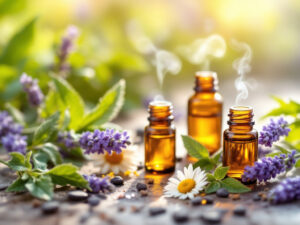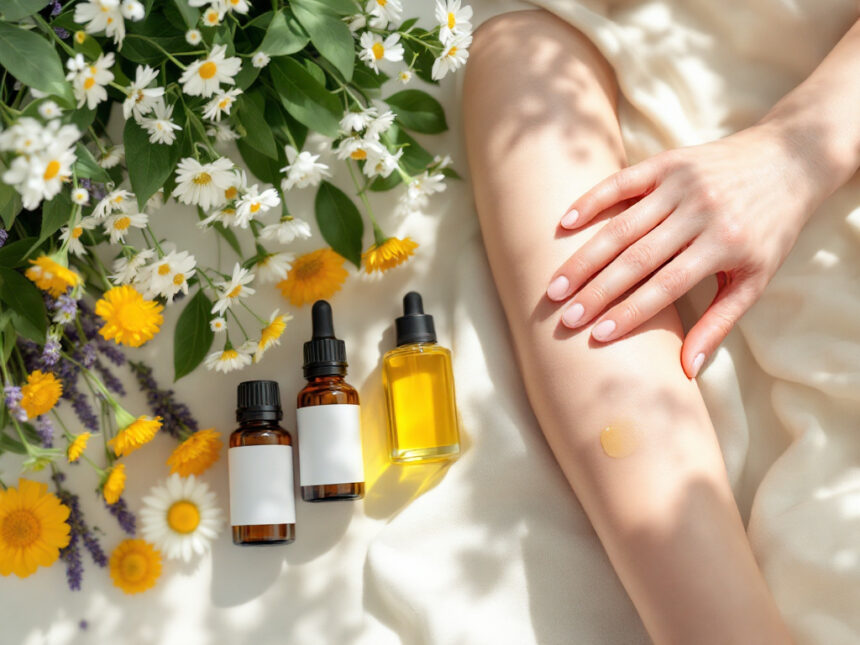
Eczema flares don’t just itch—they hijack your mood, sleep, and confidence. So it’s no surprise that “essential oils for eczema” sounds tempting: natural, soothing, and easy. The catch? Eczema skin has a weakened barrier, and essential oils are ultra-concentrated fragrance compounds that can sting, irritate, or trigger allergic contact dermatitis—sometimes making a flare worse. Many dermatologists recommend keeping essential oils off active eczema and prioritizing fragrance-free barrier repair first.
This article breaks down what research suggests, which oils carry higher risk, safer alternatives like coconut or sunflower oil, and how to reduce harm if you still want to experiment carefully.
Eczema and essential oils: what you need to know first
If you live with eczema, you already know how quickly a small patch of dryness can turn into an itchy, angry flare. It is natural to look for gentler options, including essential oils for eczema, especially if you are trying to cut back on steroid creams or harsh products.
Before you reach for a bottle, it helps to know that essential oils are highly concentrated plant extracts. That strength is what makes them so fragrant, but it is also what can make them risky for already sensitive, inflamed skin.
Researchers and dermatology experts repeatedly point out that there is no solid scientific evidence that essential oils can reliably improve eczema symptoms as of the 2020s, even though they are often marketed for clearer skin and stress relief. At the same time, we have strong evidence that essential oils can irritate skin, trigger allergic reactions, and sometimes make eczema worse, especially with repeated exposure.
In other words, essential oils might help you feel calmer or enjoy a relaxing bath, but they should not be your first choice to apply directly on eczema patches. This guide will walk you through what is known, what is still uncertain, and how to keep your skin as safe as possible if you choose to use essential oils at all.
Why essential oils are tricky for eczema
Eczema weakens your skin barrier. That fragile barrier is meant to keep moisture in and irritants and allergens out. When it is damaged, even ingredients that feel “natural” or gentle to other people can sting or cause reactions on your skin.
Essential oils are particularly problematic for eczema for a few reasons:
- They are highly concentrated, so even a tiny amount contains a lot of potentially irritating molecules.
- Prolonged or repeated exposure can increase skin sensitivity and aggravate eczema symptoms, acting similarly to an irritant.
- Allergic reactions to essential oils are rare in the general population but are usually severe when they occur, and people with eczema are already more prone to contact allergies.
Dermatologists see contact eczema triggered by essential oils fairly often. Fragrance mixes that include popular oils like tea tree, ylang ylang, and citrus oils are among the most common causes of allergic contact dermatitis in patch testing studies.
If your skin is already inflamed or broken from scratching, essential oils have an even easier path into deeper layers of the skin, which can increase burning, stinging, or a full allergic reaction.
Conflicting information: why the advice is so mixed
You have probably seen two very different messages online about essential oils for eczema:
- One side warns that people with eczema should avoid essential oils in any form, including bath soaks, diffusers, and products that list essential oils on the label.
- The other side highlights small studies or personal stories where certain oils, such as tea tree, lavender, chamomile, or kānuka, seemed to improve eczema or other inflammatory skin conditions.
Both perspectives are partly true, which is why this topic can feel confusing.
Some research has found:
- A 3 percent kānuka oil cream improved moderate to severe eczema in a small randomized controlled trial, although some participants reported transient stinging and even temporary worsening of eczema.
- Tea tree oil has shown anti inflammatory and antimicrobial effects and has helped in acne and seborrheic dermatitis, with some promising early data in eczema as well, usually with minimal adverse reactions when used in carefully formulated products.
- Case reports describe mixtures of essential oils applied in base creams or shampoos that led to partial or complete clearance of stubborn eczema, without reported side effects in the individuals studied.
However, these studies and case reports are:
- Small, often with fewer than 100 people
- Short term, so they do not reveal long term safety
- Inconsistent in how they describe the essential oil quality or concentration
Clinical reviewers repeatedly stress that we need larger, better designed trials with standardized, high quality essential oils before we can say that any specific oil is safe and effective for eczema over time. Until then, the default advice from most dermatologists is caution.
Essential oils that are especially risky for eczema
Some essential oils pose extra risks if you already have eczema or sensitive skin. If you decide to use essential oils in any way, these are the ones you will want to be particularly careful with.
Citrus oils and sun sensitivity
Essential oils like bergamot, lemon, mandarin, lime, and bitter orange contain compounds that react with UV light. When these oils sit on your skin and you go out in the sun, they can cause:
- Intense sunburns
- Dark patches or hyperpigmentation
- Sometimes blistering or long lasting discoloration
This reaction is called phototoxicity. If you have eczema, your skin barrier is already fragile, so phototoxic reactions can be even more painful and take longer to heal.
Dermatology organizations recommend that people with eczema avoid citrus essential oils on the skin altogether, even when diluted, especially on exposed areas like the face, neck, and hands.
Lavender and tea tree as potential hormone disruptors
Lavender and tea tree oils are often promoted for eczema because they are thought to be calming and antimicrobial. However, laboratory and case studies have raised concerns that both oils may act as endocrine disruptors, which means they can interfere with hormone signaling.
In one report from the New England Journal of Medicine, repeated use of lavender and tea tree containing products was linked to prepubertal gynecomastia (breast tissue growth) in boys, and the symptoms resolved when the products were discontinued. Later lab studies found estrogenic and anti androgenic activity for components of these oils.
This does not prove that occasional use will cause hormone problems for everyone, but, for kids and teens with eczema, these findings have led many pediatric dermatologists to recommend avoiding topical lavender and tea tree altogether, especially over large areas or for long periods.
Airborne essential oils and eczema
You might think a diffuser is a safe workaround if you cannot use oils on your skin. For some people with eczema or asthma, though, airborne particles from diffusers can still cause:
- Itchy or burning skin
- Eye irritation
- Coughing or chest tightness
- Headaches or nausea
If your eczema seems to worsen when you run a diffuser, even if the oil is never applied to your skin, it is worth stopping it for a few weeks to see if your symptoms improve.
When essential oils might have a role
Given all of these cautions, you might wonder if essential oils have any place in an eczema friendly routine. For many people, the safest and most realistic role is indirect support, not direct treatment of eczema patches.
Here are a few scenarios where essential oils might still be helpful, especially if you are new to aromatherapy and prefer a safety first approach.
Helping with stress, sleep, and scratching
Stress, poor sleep, and anxiety are common triggers for eczema flares. While essential oils have not been proven to heal eczema, gentle aromatherapy may help you:
- Fall asleep more easily
- Feel less anxious about itching
- Break the itch scratch cycle at night
If this is your goal, focus on aromatherapy instead of skincare. You can explore simple, low intensity uses like:
- A personal inhaler stick with one or two drops of oil
- A tissue with a drop of oil placed on your bedside, away from direct contact with your face
- Very short diffuser sessions in a well ventilated room while you are awake
Guides like essential oils for aromatherapy, essential oils for relaxation, and best essential oils for sleep can help you choose starter oils and blends that support mood and rest rather than focusing on skin application.
Supporting other concerns without touching eczema patches
If you are curious about using oils for things like mild tension headaches, occasional nausea, or seasonal allergies, you can keep them completely separate from your eczema.
For example, you might explore:
- A diluted roll on, applied to temples for essential oils for headaches
- A personal inhaler for essential oils for nausea
- Carefully diluted oils used for essential oils for massage, avoiding any area with eczema
If you go this route, follow safe dilution guidelines in resources like how to dilute essential oils and how to use essential oils. Keep eczema prone skin completely out of the application area until you know how your body responds.
Safer alternatives for moisturizing eczema prone skin
If essential oils are not the best option for your eczema itself, what can you use instead? Many dermatologists and eczema organizations recommend plain, cold pressed plant oils, which are very different from essential oils.
Plant oils, sometimes called carrier oils, are made by pressing the fatty parts of plants such as seeds or nuts. They contain beneficial fatty acids that can:
- Support your skin barrier
- Reduce water loss
- Provide gentle, non fragranced moisture
Examples include:
- Coconut oil, which contains lauric acid and has mild antimicrobial activity. Studies suggest that virgin coconut oil can improve hydration and barrier function in children with eczema when used regularly.
- Sunflower seed oil, which is high in linoleic acid, a fatty acid that is often deficient in eczema skin. It can boost barrier repair and reduce inflammation when applied to damp skin after bathing.
The key is to choose cold pressed, unrefined plant oils with no added fragrance or essential oils. After a short, lukewarm bath, you can:
- Gently pat your skin so it is still slightly damp.
- Apply a thin layer of plant oil to seal in moisture.
- Follow with your usual fragrance free moisturizer for extra barrier support.
This routine is often better tolerated than products that include even small amounts of essential oils or botanical fragrances.
Quick reminder: Essential oils are not the same as carrier oils. Carrier oils can sometimes be eczema friendly. Essential oils, even when mixed into a carrier oil, are usually not a good idea on eczema patches.
Common myths about essential oils for eczema
Because essential oils are popular and heavily marketed, it is easy to pick up some persistent myths. Clearing these up can help you make more confident choices.
“Natural means safe for sensitive skin”
Vinegar, citrus juice, and even water can be irritating to inflamed skin. “Natural” does not automatically equal gentle. In fact, natural substances like vinegar can be too harsh for people with eczema, especially babies, and may sting or damage the skin barrier further.
The most eczema friendly products are usually boring and fragrance free, whether they contain natural or synthetic ingredients. The main priority is avoiding allergens and irritants, not whether an ingredient sounds botanical.
“Diluting essential oils makes them safe for eczema”
Dilution is absolutely essential for anyone using essential oils in skincare. However, even a well diluted oil can trigger contact eczema in someone who is sensitized.
For that reason, many experts recommend that people with eczema avoid essential oils in any form on their skin, including:
- Oils diluted into carrier oils
- Bath mixes or salts containing essential oils
- “Unscented” products that still include essential oils for masking odors
If you already have eczema, the safest approach is to treat essential oils as fragrances to be avoided, at least on your skin.
“If I patch test once, I am in the clear”
Patch testing is helpful, but it does not guarantee lifelong safety. Sensitization to essential oils can develop over time, especially with repeated or long term use. You might tolerate a product for months, then suddenly develop redness, itching, or burning.
If this happens, stop the product right away and talk with a dermatologist. They may recommend formal patch testing to identify which components caused the reaction.
How to reduce risk if you still want to try
If you understand the risks and still feel drawn to experiment with essential oils around your eczema, it is important to go slowly and very cautiously. Here is a practical framework you can use.
1. Talk with your dermatologist first
Bring a list of the essential oils and products you are considering. Ask specifically:
- Are any of these known to trigger contact dermatitis?
- Are they safe with my current prescription creams or oral medications?
- Where on my body should I absolutely avoid using them?
If you have a history of allergies or asthma, mention that too. Your dermatologist may recommend skipping essential oils on the skin entirely and focusing on barrier repair and proven treatments instead.
2. Keep essential oils off active eczema
If your dermatologist does not object to limited use, start with areas without eczema, such as:
- The soles of your feet
- A small patch on your upper arm
- The back of your shoulder
Avoid:
- Open, cracked, or weeping skin
- Areas you scratch frequently
- Thin or delicate skin, such as eyelids, neck, or skin folds
3. Follow very conservative dilution and patch testing
When you are first testing, keep dilutions milder than standard skincare recipes. For example:
- Use 0.25 to 0.5 percent dilution for body oil, which is about 1 to 3 drops of essential oil in 2 tablespoons of carrier oil.
- For the face, or any area that tends to flare, it is safest to skip essential oils altogether.
Apply your diluted mix to a coin sized area of intact skin once daily for 3 days. Watch for:
- Redness
- Burning or stinging
- New itchiness
- Dry, scaly, or bumpy patches
If you notice any of these, stop using the oil and do not apply it anywhere else.
For full dilution guidance and measuring tips, you can use how to dilute essential oils as a reference.
4. Choose lower risk application methods
If you mainly want calming or mood benefits, consider methods that keep oils off your skin whenever possible, such as:
- A diffuser used for 15 to 30 minutes in a ventilated room, with windows cracked open
- Inhalation from a personal inhaler or a cotton ball placed away from direct skin contact
- Scented sachets kept in a drawer or closet rather than on your body
If you have asthma, seasonal allergies, or a history of scent triggered migraines, you may need to avoid diffusers and stick to ultra low exposure methods. Guides like essential oils diffuser blends and essential oils recipes can offer ideas, but you should always scale them back and adjust time and strength for your sensitivities.
What to avoid in eczema friendly routines
When you are reading labels and planning your daily routine, a few practical rules can help you steer clear of common triggers.
Try to avoid:
- Essential oils in baby products, wipes, or diaper creams
- Scented laundry detergents, softeners, and dryer sheets
- Drying your clothes outdoors during high pollen seasons, which can expose fabric to allergens that aggravate eczema
- Vinegar or essential oils added to baths or laundry as “natural” cleaners or softeners
If you still want some scent in your home clean up, it is safer to keep essential oils in wipe away tasks that do not touch eczema prone skin, such as essential oils for cleaning on non porous surfaces or in essential oils for laundry used only on items that do not come into contact with irritated areas. Even then, many dermatologists advise going fragrance free across the board when eczema is active.
Building a gentle, evidence based plan
Managing eczema is rarely about one magic product. The most effective plans usually combine:
- A fragrance free, barrier focused skincare routine
- Trigger management, including stress, allergens, and harsh detergents
- Medications prescribed by your dermatologist when flare ups occur
- Supportive tools, such as soft cotton clothing and lukewarm, short baths
Essential oils can have a place outside of your eczema care, for example in an evening routine focused on relaxation or in targeted uses like essential oils for inflammation, essential oils for anxiety, or essential oils for pain relief on non eczema areas. If you are new to this world, it can help to learn the basics of safety and quality in resources like therapeutic grade essential oils and essential oils benefits.
For your eczema itself, though, the safest guiding principle is:
- Keep essential oils off the rash.
- Choose bland, fragrance free moisturizers and plant oils instead.
- Work closely with your dermatologist for any new treatment.
If you focus on strengthening your skin barrier and calming your nervous system, you will give your skin the best chance to feel calmer, itch less, and flare less often, whether or not essential oils ever touch your eczema.
FAQs
Can essential oils cure eczema?
No. Current evidence doesn’t support essential oils as a reliable eczema treatment, and many dermatology sources emphasize fragrance/essential oils can trigger irritation or allergy.
Are essential oils safe if I dilute them?
Dilution reduces risk but doesn’t eliminate it—people with eczema are more prone to irritation and allergic contact dermatitis from fragrance components.
Which essential oils are the riskiest for eczema-prone skin?
Citrus oils (phototoxicity risk) and many fragrance-heavy oils can be problematic; phototoxic reactions with bergamot/lemon are well documented.
Can a diffuser still trigger eczema symptoms?
It can for some people—airborne fragrance exposure may aggravate sensitive skin or related conditions (especially in fragrance-sensitive households). If symptoms worsen, stop and reassess.
What’s safer than essential oils for moisturizing eczema?
Fragrance-free emollients and certain carrier oils (like virgin coconut oil or sunflower oil) can support barrier care and reduce dryness.
Is coconut oil actually helpful for eczema?
Some studies suggest topical virgin coconut oil can improve atopic dermatitis measures versus mineral oil in children, though results vary by person.
When should I talk to a dermatologist?
If you have frequent flares, infected/weeping skin, severe itch, or you suspect a product reaction—especially sudden burning/redness after “natural” products.