Anxiety can feel like your thoughts are sprinting while your body begs for a pause. That’s why “essential oils for anxiety” has become such a popular at-home search: it’s accessible, comforting, and easy to fit into a daily routine. But calming scent doesn’t automatically mean safe use—especially around kids, pets, asthma, or sensitive skin.
In this guide, you’ll learn what research says about aromatherapy for anxiety, which oils have the best evidence, how to choose higher-quality products, and how to use them (diffusers, topical blends, sprays) without overdoing it.
Why do people use essential oils for anxiety
When your mind is racing, it is tempting to reach for anything that promises fast calm. Essential oils for anxiety are popular because they are easy to use at home, feel soothing in the moment, and fit into a broader self care routine.
Essential oils are highly concentrated plant extracts. When you inhale them, scent molecules travel through your nose to the brain, including the amygdala, the area that helps process emotions and fear responses. Research reviewed in 2025 suggests that certain oils can promote relaxation, lower stress hormones, and support a sense of well being, although results vary from person to person.
Anxiety disorders affect about 40 million adults in the United States, making them the most common mental health condition as of 2026. For mild, day to day anxiety, aromatherapy may be enough for you to feel a difference. For more intense or long lasting symptoms, essential oils work best as a support tool alongside therapy, medication, or other treatments, not as a stand alone cure.
Throughout this guide, you will see how to choose safe essential oils for anxiety, how to use them in a kid and pet friendly home, and which simple routines you can try first.
Aromatherapy can help you manage everyday stress, but it is not a replacement for professional medical or psychological care. Always talk with a healthcare provider if anxiety is persistent or severe.
How essential oils may ease anxiety
You experience scent faster than you consciously think about it. That is why one whiff of an old perfume can suddenly bring up a vivid memory. Essential oils tap into this same pathway.
When you inhale essential oils:
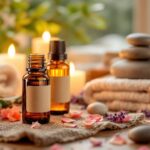
- Scent molecules enter your nose and bind to receptors in the olfactory system.
- Signals travel directly to parts of your brain involved in emotion and the stress response, including the amygdala and hypothalamus.
- This can influence your autonomic nervous system, which controls heart rate, breathing, and the fight or flight reaction.
Calming scents may help slow or interrupt this stress response. Studies show that some essential oils can lower measurable markers of stress, such as heart rate, blood pressure, and cortisol levels. For example, lavender oil has reduced symptoms of generalized anxiety disorder (GAD) in some trials, with effects similar to certain anti anxiety medications, and it also lowers heart rate and blood pressure while increasing skin temperature, a sign of relaxation.
A 2023 network meta analysis of 44 randomized controlled trials involving 3,419 people with anxiety found that essential oils, used mainly through inhalation, significantly reduced both state and trait anxiety scores. The same analysis suggested that a total inhalation time of about 10 to 30 minutes gave the best results. Longer or very frequent use beyond 500 cumulative minutes was less helpful, especially for long standing anxiety.
For you, this means short, regular aromatherapy sessions are likely more effective than having a diffuser running all day.
The safest essential oils for anxiety at home
If you are new to essential oils for anxiety, start with a small set of gentle oils that have some research behind them and a good safety profile when used correctly.
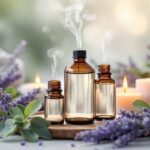
Lavender
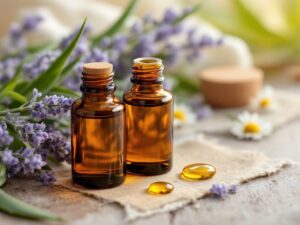
Lavender is the classic calming oil and one of the most studied for anxiety. Multiple clinical trials suggest that inhaling lavender can:
- Reduce symptoms of generalized anxiety disorder
- Lower heart rate and blood pressure
- Decrease cortisol and increase feelings of relaxation
Lavender is a smart first oil if you want one bottle that works for both day and night. You can use it on its own, or combine it with other calming oils in your own essential oils recipes.
Chamomile (Roman or German)
Chamomile contains apigenin, a compound that binds to certain brain receptors involved in calming and sleep. Early research suggests that inhaling chamomile oil can reduce stress levels and support better mood, though studies are smaller and more mixed than for lavender.
You may like chamomile if you usually drink chamomile tea at night and want a similar comfort in scent form.
Bergamot
Bergamot comes from the peel of a type of bitter orange. Inhalation has been shown to lower cortisol and support positive mood in people under high stress. Many people describe bergamot as bright and uplifting but still soothing.
Because it has a citrus top note, bergamot works well in daytime blends when you want to feel calm but still alert. Make sure to use it in a diffuser or other inhalation method at home, not in direct sunlight on skin, since citrus oils may be phototoxic.
Ylang ylang
Ylang ylang has a sweet, floral scent that can feel grounding. Clinical studies show it can reduce blood pressure and heart rate during stressful situations and increase a sense of well being.
Ylang ylang can be intense, so a little goes a long way. It is better as part of a blend than used on its own, especially if anyone in your home is scent sensitive.
Jasmine and sweet orange
The large network meta analysis mentioned earlier found:
- Jasminum sambac (jasmine) essential oil was ranked the most effective for reducing state anxiety scores.
- Citrus aurantium L. (orange) essential oil was ranked the most effective for reducing trait anxiety and also significantly reduced systolic blood pressure and heart rate.
If you enjoy floral scents, jasmine is a good choice for occasional use when you feel on edge in the moment. Sweet orange is a gentle, family friendly scent that can help ease longer term anxious tendencies when used regularly in short sessions.
Essential oils to use with extra caution
Not every essential oil is a good idea if you are focused on safety first. The same research that highlights helpful oils also shows that some do not have clear benefits for anxiety.
According to the 44 trial meta analysis, geranium and copaiba essential oils did not show significant anti anxiety effects. That does not mean they are harmful, but it does mean that if your main goal is anxiety relief, your money and effort might be better spent on oils with stronger evidence, such as lavender, orange, or jasmine.
In addition, any strong, minty, or spicy oils, such as peppermint or some eucalyptus chemotypes, can provoke irritation in kids or people with asthma and might even increase agitation in some individuals. Johns Hopkins specifically advises avoiding diffusers in shared or public spaces because different people can react very differently to the same scent.
For anxiety support at home, it is usually safer to keep your core collection focused on the gentler floral and citrus oils that have been studied more thoroughly.
How to choose high quality, safer oils
There is no government grading system for essential oils in the United States, and terms like “therapeutic grade” are marketing language, not regulated labels. That makes it especially important for you to know what to look for.
Here are a few signs of a more trustworthy product:
- The label lists the Latin botanical name, such as Lavandula angustifolia or Citrus aurantium.
- You see the plant part used, such as flower, peel, leaf, or resin.
- The bottle is dark glass, stored away from heat and light.
- The brand offers batch specific testing information or GC/MS reports upon request.
- There are no added perfumes, carrier oils, or “fragrance” unless clearly labeled as a blend.
You can also learn more about what “therapeutic grade” claims actually mean in practice in this guide to therapeutic grade essential oils.
Because you plan to use these oils for anxiety, which can be a daily practice, staying mindful about purity and transparency helps you avoid unnecessary fillers or contaminants that might interfere with your overall well being.
Safe ways to use essential oils for anxiety
There are three main ways you can use essential oils for anxiety relief at home: inhalation, topical use, and fabric or room sprays. Each has its own safety notes, especially if you share your space with children, pets, or anyone who has asthma or scent sensitivities.
You can also explore more general techniques in this guide to how to use essential oils.
Inhalation and diffusers
Inhalation is usually the safest and most direct way to use essential oils for anxiety.
You can try:
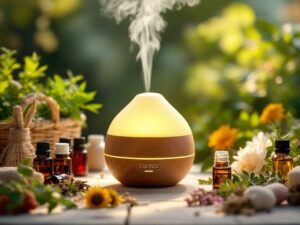
- A water based ultrasonic diffuser for 10 to 30 minutes in a closed room.
- A personal inhaler or a few drops on a tissue held briefly near your nose.
- A bowl of hot water with 1 drop of oil, then inhale the steam with your eyes closed and head slightly averted.
The network meta analysis found that 10 to 30 minutes of total inhalation time gave the best results for both state and trait anxiety, heart rate, and blood pressure. Sessions longer than that, or very frequent use over hundreds of minutes, were actually less effective.
For a safety first household:
- Use short sessions and then air out the room.
- Avoid diffusers in shared, multi person areas, especially if anyone is very young, elderly, pregnant, or has asthma. Johns Hopkins cautions against this due to varied individual reactions.
- Never leave a diffuser running all night in a child’s bedroom or in a small room with a pet.
You can find inspiration for calming blends in this collection of essential oils diffuser blends and then adapt them to use gentle, anxiety focused oils.
Topical application
Topical use is popular for pulse point blends, relaxing neck and shoulder massages, or pre bedtime routines. The key to safety here is proper dilution.
Because essential oils are so concentrated, they should always be mixed into a carrier oil such as jojoba, sweet almond, or fractionated coconut oil. Many people find a 1 to 2 percent dilution is enough for daily anxiety support, which is roughly 6 to 12 drops of essential oil per ounce of carrier oil.
If your skin is sensitive or you are applying to a child, start at 0.25 to 0.5 percent and always patch test first on a small area of skin. Essential oils can cause irritation or allergic reactions, especially if you have a history of atopic dermatitis or react easily to skincare products.
You can learn precise dilution guidelines and age appropriate ratios in this detailed guide on how to dilute essential oils.
Room and fabric sprays
Sprays are a flexible middle ground if you want an overall calming atmosphere without running a diffuser constantly.
To make a basic room spray:
- Add 10 to 15 drops of essential oil to a 4 ounce glass spray bottle.
- Add a tablespoon of witch hazel or vodka to help disperse the oil.
- Top up with distilled water and shake well before each use.
Lightly mist pillows, curtains, or the air, but avoid direct contact with your face, eyes, or skin. If you share your home with pets, spray fabrics and then let them dry completely before reintroducing animals to the room, since some oils can be problematic if licked or inhaled in high concentration.
Simple starter blends for anxiety relief
You do not need a large collection to get started. With one to three essential oils for anxiety, you can create several flexible blends.
Here are a few ideas you can adapt based on your preferences and sensitivities. Use them in a diffuser or personal inhaler, and always follow dilution guidelines if you switch to topical use.
- Gentle calm: 3 drops lavender, 2 drops sweet orange
- Bedtime quiet: 3 drops lavender, 2 drops chamomile
- Uplifted but grounded: 2 drops bergamot, 2 drops lavender, 1 drop ylang ylang
- Before difficult conversations: 2 drops jasmine, 2 drops orange, 1 drop chamomile
If you want more ideas for combining calming oils with other wellness goals, you can explore broader essential oils benefits or focus on essential oils for relaxation and essential oils for stress relief.
Special safety tips for kids, pets, and sensitivities
A “safety first” home takes into account more than just you. Children, pets, and anyone with asthma or a history of strong reactions to fragrances need extra care.
Children
- Avoid using essential oils on or around newborns unless guided by a clinician.
- Use very low dilutions for older children, often 0.25 to 0.5 percent, and not every day.
- Prefer short inhalation sessions in a well ventilated room rather than constant diffusing.
- Do not apply oils to hands, which tend to go into mouths and eyes.
Lavender and sweet orange are generally better choices for family settings than more stimulating oils.
Pets
Cats and dogs are more sensitive to essential oils than humans, and some oils are toxic to them if ingested or absorbed in large quantities. To stay cautious:
- Never apply essential oils directly to your pet’s fur or skin without veterinary guidance.
- Allow your pet to leave the room if you are diffusing oils.
- Keep essential oil bottles securely closed and out of reach.
If your pet shows signs of distress, such as drooling, vomiting, difficulty walking, or labored breathing during or after diffusion, stop use immediately and contact a vet.
Asthma, migraines, and chemical sensitivity
If anyone in your home has asthma, chronic migraines, or multiple chemical sensitivities:
- Start with very low amounts of oil in the diffuser and very short sessions.
- Consider personal inhalers instead of room wide diffusion, so each person can control exposure.
- Keep windows cracked or use an air purifier nearby.
You might also explore related topics like essential oils for headaches or essential oils for allergies to understand how scent can interact with these conditions.
How essential oils fit into a bigger anxiety toolkit
Essential oils are one piece of a broader approach to managing anxiety at home. Research suggests that aromatherapy has a low risk of side effects and can be helpful when used appropriately in the right circumstances, especially for everyday stress and mild anxiety.
You might pair your aromatherapy routine with:
- Deep breathing exercises during a short diffusion session.
- A warm bath with diluted oils, following guidelines for essential oils for bathing.
- A gentle self massage of shoulders or feet using a diluted calming blend, as described in essential oils for massage.
- A pre sleep ritual that includes a diffuser blend and perhaps a topical foot or wrist application, alongside strategies highlighted in best essential oils for sleep.
For everyday stress, these layered, small practices can add up. For ongoing or intense anxiety, they should sit alongside professional support, such as cognitive behavioral therapy, medication when recommended, and lifestyle changes.
If you ever feel your anxiety is worsening, interfering with daily life, or accompanied by thoughts of self harm, reach out to a qualified mental health professional right away. Aromatherapy is meant to support you, not delay needed care.
When essential oils are not the right choice
Even gentle, calming oils are not ideal for every situation. You may want to pause or avoid using essential oils for anxiety if:
- You or someone in your home consistently experiences headaches, nausea, dizziness, or breathing difficulty around scents.
- You have a history of severe skin reactions or anaphylaxis to botanical products.
- You are pregnant or breastfeeding and have not discussed specific oils with your healthcare provider.
- You tend to overuse wellness tools as a way to avoid seeking professional care.
In these cases, you might find better support in non scented approaches first, such as breathing exercises, meditation, gentle movement, or therapy.
Putting it all together
If you are just starting with essential oils for anxiety, you do not have to learn everything at once. A simple, safe place to begin is to choose one or two well researched oils, such as lavender and sweet orange, dilute them properly, and use them in short inhalation sessions a few times a week.
From there, you can gradually experiment with blends, topical use, and different routines. Along the way, keep listening to your body and your household, and adjust based on how everyone feels.
When used thoughtfully, essential oils can become a comforting part of your anxiety toolkit, supporting you alongside other practices that help you feel steady, present, and at home in your own space.
FAQs
Are essential oils proven to “treat” anxiety disorders?
They can support relaxation and reduce anxiety scores in some studies, but they’re best used as a complement—not a replacement—for therapy, medication, or professional care when symptoms are persistent or severe.
What’s the safest way to use essential oils for anxiety at home?
For most people, inhalation (short sessions) is the simplest starting point. Johns Hopkins notes diffusers can affect people differently in shared homes, so keep sessions short and ventilate.
How long should I run a diffuser for anxiety?
Evidence from a large review of RCTs suggests ~10–30 minutes of inhalation is a sweet spot; “more” isn’t always “better.”
Can I apply essential oils directly to my skin for anxiety?
Don’t apply undiluted oils. Aromatherapy safety guidance emphasizes dilution to reduce irritation and other adverse reactions.
Which essential oils are best for daytime calm (not sleepy)?
Many people prefer sweet orange or bergamot (uplifting but soothing). If using citrus topically, be mindful of sun exposure risks (phototoxicity varies by oil/product type).
Are essential oils safe around pets?
Use extra caution: pets can react to concentrated oils, and ingestion can cause GI and neurologic signs. Keep bottles secure, allow pets to leave the room, and stop use if symptoms appear.
How do I spot a higher-quality essential oil?
Look for Latin botanical name, plant part, dark glass bottle, and batch testing/GC-MS transparency. Also know that “therapeutic grade” is marketing language, not a regulated standard.