Packing cubes can turn even a chaotic, last minute suitcase into a calm, organized system. Whether you are getting ready for your first big international trip or you fly every week for work, the right packing cubes help you find what you need quickly, keep clothes neater, and make the most of your luggage space.
This guide walks you through everything you need to know about packing cubes, including types, materials, sizes, and how to choose the best set for the way you travel.
Understand what packing cubes actually do
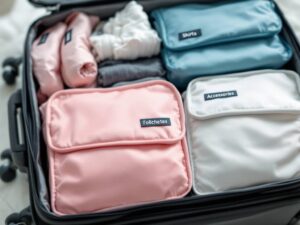
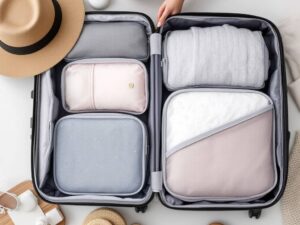
Packing cubes are lightweight fabric containers that fit into your suitcase or backpack like Tetris pieces. You zip your clothes and gear into separate cubes, then place the cubes inside your bag. Instead of one big pile of clothing, you have clearly labeled sections.
Travel reviewers note that packing cubes help you organize by category so you can grab pants, tops, or underwear without digging through your whole bag, which is especially helpful when you travel with kids or share luggage. They also help items stay cleaner, drier, and less wrinkled while you are in transit, which reduces stress as you get ready for business trips or family vacations.
You typically use four to eight cubes or sacks for one person’s trip, depending on how long you are traveling and how you like to organize. Some travelers use one cube per outfit, while others group by item type.
If you want a curated list to start with, you can browse the current best packing cubes once you understand the basics below.
Compare standard vs compression packing cubes
You will see two main styles when you shop for packing cubes. Both are useful, but they solve slightly different problems.
Standard packing cubes
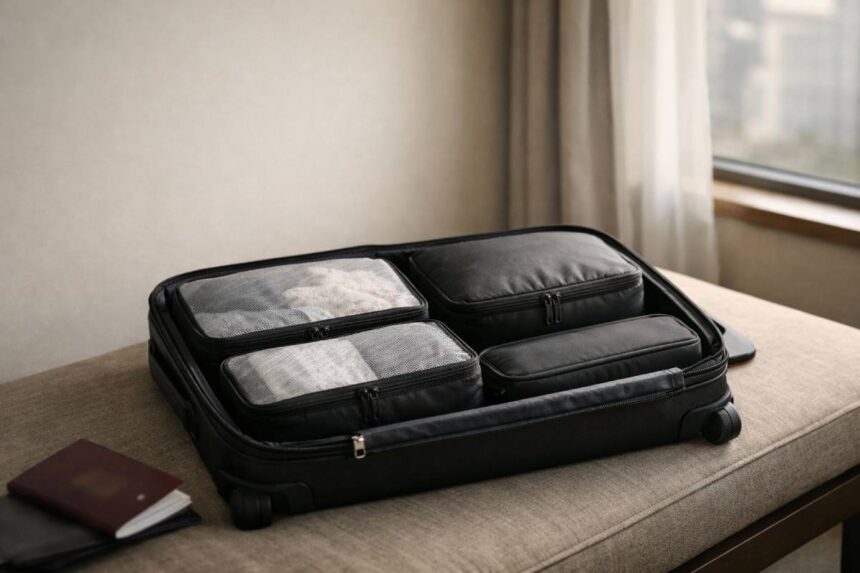
Standard packing cubes are simple zippered pouches. They focus on organization first, not extreme space saving. Common features include mesh tops for visibility, handles for easy grabbing, and rectangular shapes that fit suitcases efficiently.
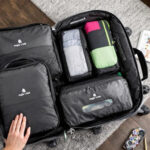
Wirecutter tested 36 sets over seven years and recommends the Eagle Creek Pack It Reveal Cube Set for most travelers because the cubes are durable, stand upright while you pack, and are made from water resistant recycled fabric with a lifetime warranty. Standard cubes like these are ideal if you mainly want to:
- Separate clean and dirty clothes
- Divide outfits for different legs of a trip
- Share one suitcase between two people
- Keep your carry on from turning into a jumble
If you want straightforward organization for clothes in a roller bag, look at options like packing cubes for suitcase or packing cubes for clothes.
Compression packing cubes
Compression packing cubes have an extra zipper, buckle, or strap that tightens once the cube is packed. You zip the main compartment first, then use the compression system to squeeze the contents flatter. This helps reduce the volume of bulky items, which is valuable if you rely on a single carry on or you are a digital nomad living out of one bag.
For example, the Osprey Straightjacket Compression Sack achieved a strong compression rating in 2024 tests because of its adjustable straps and tough recycled nylon material, although its sack shape is better for stuffing than organizing. Budget friendly options like Gonex Compression Packing Cubes offer multiple sizes at a lower price, with moderate compression results in exchange for lighter materials.
Compression cubes do not magically let you pack double the clothing, and tightly rolling clothes without cubes is still the absolute maximum space saver. However, tests show that compression cubes give you better space efficiency than simply folding clothes into piles and they keep things neater and easier to access.
If you want to optimize a tight bag, especially a small roller or personal item, start with packing cubes for carry on and mix in a few compression styles.
Choose the right materials and construction
Once you know which style you prefer, pay attention to what the cubes are made from and how they are built. This affects durability, weight, and how pleasant they are to use.
Common fabrics
Most quality packing cubes use some version of nylon or polyester, often in a ripstop weave so they resist tearing. Testing in 2024 found that ideal cubes use lightweight but sturdy materials, such as 70 denier or 300 denier recycled nylon or polyester that balances weight and durability.
Some brands use recycled PET plastic bottles or remnant fabrics, like Cotopaxi’s colorful Cubo Packing Travel Bundle Del Día, which supports sustainability as a Certified B Corp. Others add antimicrobial coatings or waterproof finishes, which can be useful if you carry gym clothes or travel through humid climates.
If you expect spills or rain, consider waterproof packing cubes so you can keep electronics and important clothing better protected.
Zippers and seams
Zippers are one of the most frequent failure points on travel gear. In 2024 tests, the best compression cubes relied on sturdy zippers such as YKK to prevent catching or separating, while budget sets that used generic zippers were more prone to snagging and bulging under pressure.
Look for:
- Smooth running zippers you can open with one hand
- Double zippers on main openings for easier access
- Reinforced seams and binding on high stress edges
Brands like Thule test zippers under pressure and use gusseted corners that maintain a brick shape even when overpacked, which helps the cube sit neatly in your bag.
Mesh and visibility
Mesh panels allow airflow and help you see what is inside without unzipping everything. Travel bloggers who rely on packing cubes for every trip prefer options with mesh panels for better visibility and ventilation, as well as internal straps that keep clothes from shifting.
If you want to spot outfits quickly, choose cubes with at least a partial mesh window. If you want full privacy, look for solid fabric with a small label area so you can tag contents yourself.
Pick sizes that match your luggage
Good packing cubes act like a custom drawer system for your specific suitcase or backpack. To get that snug, satisfying fit, think about both the size of your bag and the kind of items you typically pack.
For checked and large suitcases
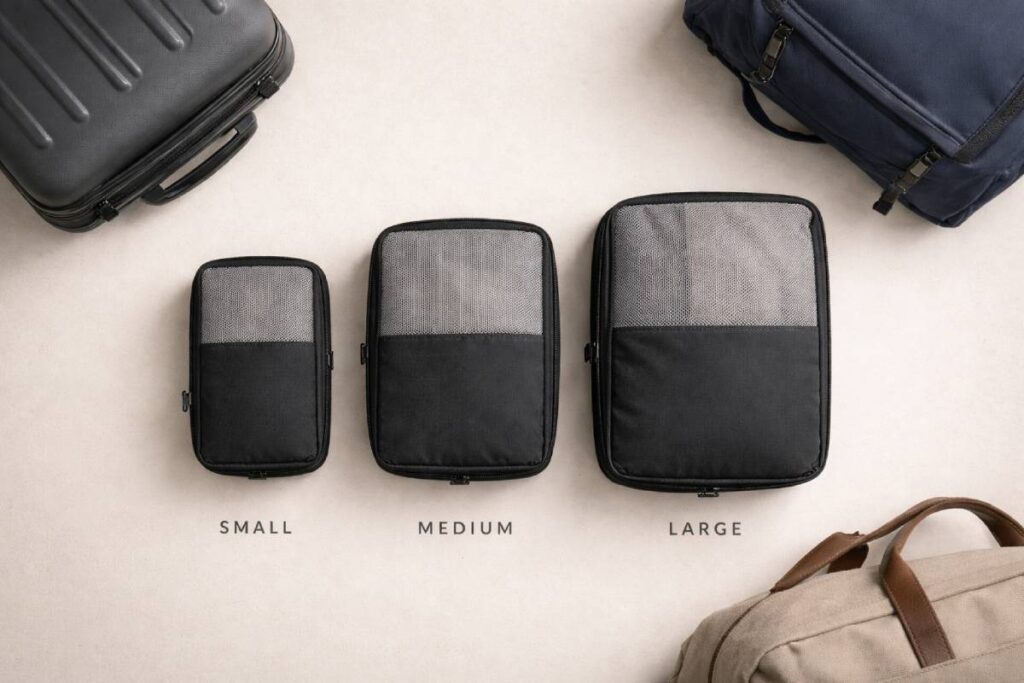
Big checked bags and larger spinners give you more room, so you can use a mix of medium and large packing cubes. A common setup is:
- One large cube for pants and sweaters
- One or two medium cubes for tops
- One small cube for underwear and socks
- One slim cube for sleepwear or swimwear
Cubes are designed to stack tightly and fill the suitcase like a grid, similar to how Carl Friedrik describes their own set of four coordinating cubes that match their carry on and check in suitcases.
If you travel as a family and share big suitcases, assigning one color or pattern per person makes it much easier to unpack in a hotel room without mixing everyone’s clothes.
For carry on suitcases and weekender bags
When you travel with only a carry on, fit matters more. Here you want slightly slimmer cubes that sit cleanly on both halves of a clamshell case or inside a duffel.
Look for sets labeled as packing cubes for carry on, which tend to be shallower and more modular. One efficient approach is:
- Two medium cubes for main clothing
- One narrow cube for underwear and socks
- One shoe bag or dedicated packing cubes for shoes
You can add a small flat cube for electronics and cables, which keeps TSA checks less stressful because you know exactly where to reach.
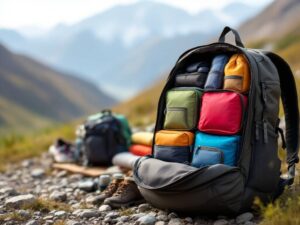
For backpacks and one bag travel
Backpackers and digital nomads usually benefit from more flexible cubes that can mold to curved interiors. Many reviewers highlight that standard rectangular cubes work, but compression models and softer fabrics make it easier to slide cubes into top loading backpacks.
If you travel this way, start with:
- One medium compression cube for bulkier items such as jeans and hoodies
- One standard cube for tops
- One slim cube for undergarments
Then add specialty packing cubes for backpackers if you carry hiking gear, or waterproof styles for rainy routes.
Match your cubes to your travel style
The perfect packing cube set for a once a year vacationer is not always the same as the ideal setup for a weekly business traveler or a family of four. Think about how you travel most often, then build a simple system around that.
First time international travelers
If you are taking your first long international trip, focus on cubes that make it stress free to live out of a suitcase for a week or more. You want to be able to open your bag in a hotel, pull out two or three cubes, and feel like you have drawers.
A good starter kit might be:
- One medium cube for bottoms
- One medium cube for tops
- One small cube for underwear and socks
- One cube reserved for dirty laundry toward the end of the trip
Some travelers like to keep the largest cube empty on the way out, then use it as a dirty clothes bag on the way home, which keeps the rest of your items fresher.
If budget is a concern, there are plenty of affordable packing cubes that still offer a big upgrade in organization compared with packing without cubes.
Frequent business travelers
If you fly often for work, you probably already have a favorite carry on. Your priority is squeezing a few days of outfits into that bag while keeping shirts neat enough for meetings.
Look for:
- Structured cubes that stand upright for easier packing
- Lightweight, water resistant materials like the Eagle Creek Pack It Isolate set, which weighs about half as much as some other cubes and is designed for frequent use, with a lifetime warranty
- A dedicated shoe cube to keep soles away from suits or dresses
You may find that one compression cube for blazers or sweaters plus a couple of standard cubes for shirts and casual wear is ideal. Over time, you will refine your layout so everything has a specific home in your bag.
Backpackers and digital nomads
If you carry everything on your back for weeks at a time, weight and flexibility matter more than perfectly crisp clothes. Compression cubes can be especially useful here because they reduce the volume of bulky items like fleece layers or puffer jackets.
Testing in 2024 showed that combining both compression and standard cubes gives the best balance between space saving and organization. You might use:
- One compression cube for cold weather gear
- One standard cube for everyday outfits
- One small cube for undergarments and swimwear
- A separate pod for toiletries and small accessories
Durable brands like Peak Design offer quick access compression mechanisms and dirty clothes compartments that work well for living out of one bag, while still using materials like nylon, polyester, and Hypalon that stand up to constant use.
Family and kids travel
For family trips, the biggest challenge is not just space, but keeping everyone’s things separate and easy to find. Packing cubes shine here. You can:
- Assign one cube per child per type of clothing
- Use color coding so kids can grab their own cube
- Keep one shared cube for pajamas or swimwear
Reviewers note that packing cubes are especially helpful with kids because you can pull out a single cube and immediately access a day’s outfit, instead of digging through a mixed suitcase. Dedicated packing cubes for kids are sized for smaller clothes and often come in bright patterns that are fun for children to use.
If you share one suitcase with your partner, you may want gender specific sets such as packing cubes for women and packing cubes for men to keep sizes and styles more distinct.
Learn how to pack cubes for maximum efficiency
Owning great cubes only helps if you use them well. A simple, repeatable method makes packing faster every time you travel.
Plan outfits before you pack
Instead of pulling clothes straight from your closet into a cube, start by laying out everything on your bed. Group full outfits together, including undergarments and socks. This quick step helps you avoid overpacking and ensures you are not missing key pieces.
Travel experts recommend separating cubes by type, such as underwear, tops, and bottoms, and then layering bulkier items on top. This method makes it easy to find what you need and also reduces wrinkles.
Fold or roll strategically
You do not have to roll every single item. Use a mix:
- Fold collared shirts and structured pieces to keep them crisp
- Roll knitwear, t shirts, and athletic wear to fill gaps
- Place the flattest items at the bottom, then stack or roll above
Compression cubes work best when you fill them evenly, then compress slowly so the zipper does not catch. Budget compression sets like Gonex can bulge if overstuffed, so pack them with this in mind.
Assign each cube a job
Give every cube a clear purpose and try to stick with it trip after trip. For example:
- Cube 1: Everyday tops
- Cube 2: Pants and skirts
- Cube 3: Sleepwear and loungewear
- Cube 4: Underwear and socks
You can then add specialty cubes, such as packing cubes for shoes or a waterproof cube for gym gear. When everything has a consistent home, packing becomes almost automatic.
Balance pros and cons before you buy
Packing cubes solve many packing problems, but they are not perfect. Knowing the trade offs will help you pick the best set for your budget and habits.
Benefits you will notice quickly
Many travelers find that cubes change the way they pack almost overnight:
- Better organization. You group similar items together, which makes it much faster to find things upon arrival.
- Less rummaging. Instead of unpacking your entire suitcase to find one shirt, you open a single cube.
- Neater clothes. Items tend to stay folded, dry, and cleaner inside cubes during travel.
- Easier unpacking. In a hotel or rental, you can place cubes straight into drawers or on shelves.
For some people, especially frequent or meticulous packers, these benefits are worth investing in premium sets that can last 10 to 15 years or more.
Drawbacks to keep in mind
There are two main downsides.
First, cubes add a little weight and bulk. Standard cubes do not maximize space as much as tightly rolled, cube free packing. Compression cubes improve this, but they still use fabric and zippers that could be taken up by more clothing.
Second, premium cubes can be expensive. High end sets from brands like Peak Design or Eagle Creek may cost over 100 dollars, although they often include warranties and durable materials that justify the price for frequent travelers.
If you are unsure, start with affordable packing cubes such as Amazon Basics, which reviewers praise for see through mesh and simple clamshell zippers at a low price point. You can upgrade to a more robust set once you know what you like.
Compare popular packing cube options
To make your research easier, here is a quick comparison of several well known sets that appear in independent testing and reviews.
| Set / Brand | Best for | Key strengths | Potential drawbacks |
|---|---|---|---|
| Eagle Creek Pack It Reveal | Most travelers | Durable recycled fabric, stands upright, mesh front, lifetime warranty | Slightly heavier than ultralight options |
| Eagle Creek Pack It Isolate | Light packers, frequent flyers | Very light 70D ripstop nylon, water resistant, lifetime warranty | Less structure, feels flimsier when empty |
| REI Co op Expandable Cubes | Heavy packers | High capacity, dual zippers compress clothing to about half size, good value | One year guarantee is shorter than lifetime warranties |
| Cotopaxi Cubo Del Día | Colorful, eco conscious travelers | Upcycled materials, unique color combos, B Corp, long warranty | Colors are random, not ideal if you want a minimal look |
| Peak Design Packing Cubes | Premium one bag travelers | Durable materials, quick access compression system, dirty clothes compartment | Higher price |
| Thule Compression Cubes | Overstuffers and small bags | Very durable zippers, gusseted corners keep brick shape when full | More rigid feel, slightly less flexible in odd shaped bags |
| Amazon Basics Cubes | Budget conscious travelers | Very affordable, mesh fronts, clamshell openings | Generic materials and zippers, less long term durability |
Use this overview as a starting point, then narrow down by size needs, color preferences, and whether you want standard or compression cubes.
Build a simple packing cube system that works every time
You do not need a drawer full of cubes to benefit. Start with a small, intentional setup and refine it after a few trips.
A reliable, flexible system could look like this:
- Two medium cubes for main clothes.
- One small cube for underwear, socks, and smaller items.
- One shoe bag or cube.
- One compression cube for cold weather or workout gear when needed.
From there, you can add specialized sets such as packing cubes for backpackers if you move to longer trips, or dedicated packing cubes for a suitcase if you buy new luggage.
On your next trip, try using cubes for just one category, for example, all tops or all underwear. Notice how much easier it is to pack and unpack. Then, gradually expand your system until your luggage feels as organized as a small, portable closet.