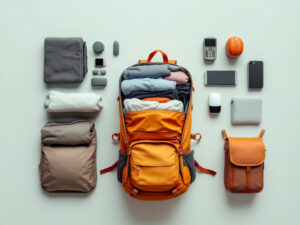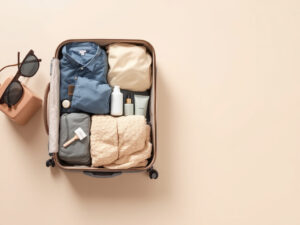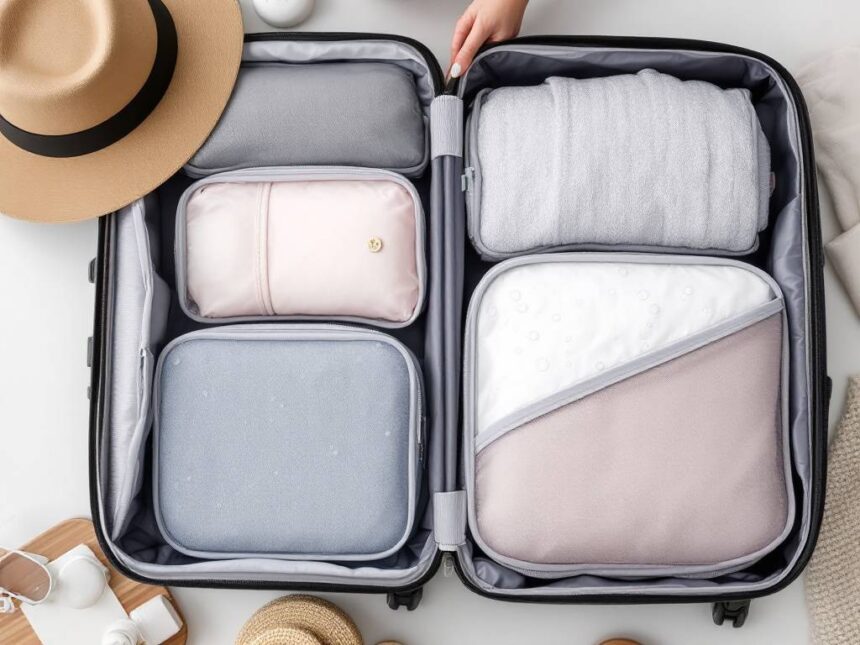
Ever had a shampoo cap pop mid-flight and your suitcase smell like coconut for two weeks? Waterproof packing cubes are the simple fix. They keep clothing, tech, and documents protected from leaks, spills, wet floors, and surprise rain—while still giving you that “everything has a home” packing-cube calm. The key is knowing what you’re buying: truly waterproof cubes (often welded and IP-rated) versus water-resistant cubes built for splashes.
In this article, you’ll learn how to choose the right materials, build a packing system, protect toiletries and electronics, handle wet laundry, and maintain cubes for long-term performance without adding travel stress.




Why waterproof packing cubes are worth it
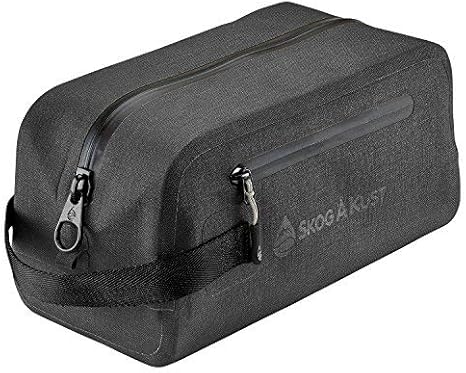
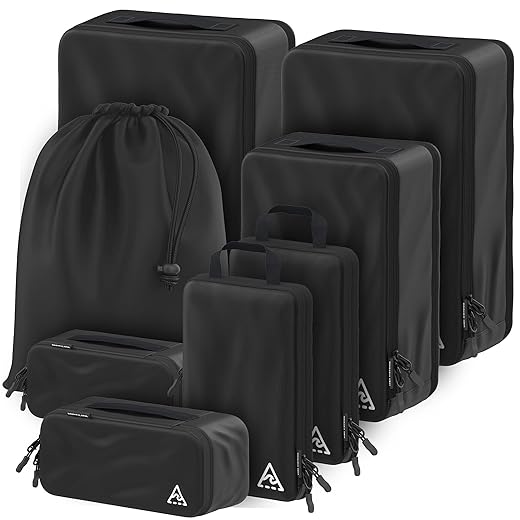
If you already use regular packing cubes, you know how much easier they make living out of a suitcase. Waterproof packing cubes take that organization a step further. They protect your clothes, gear, and electronics from spills, leaks, and surprise rain, so you can stop worrying about soggy outfits and start focusing on your trip.
You will see the term “waterproof packing cubes” used loosely. Some cubes are fully waterproof and tested to specific standards, while others are simply water resistant and designed to handle splashes or light moisture. Understanding the difference helps you choose the right set for your style of travel.
In this guide, you will learn what waterproof packing cubes actually do, how to choose the right ones, and step by step ways to use them for business trips, international vacations, backpacking, and family travel.
Understand waterproof vs water resistant
Not every “waterproof” cube performs the same. Before you buy, it helps to know the basic categories.
What waterproof really means
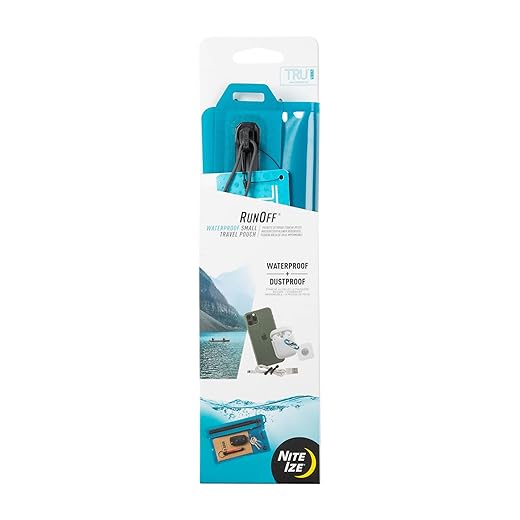
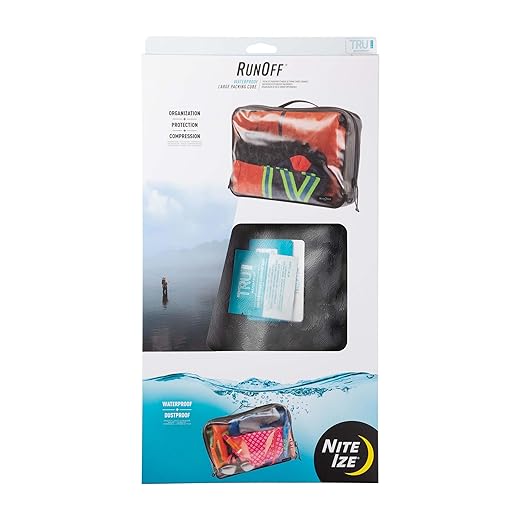
A truly waterproof packing cube is designed so that water cannot get in when the cube is properly sealed. Brands like RunOff use RF welded seams and a TRU Zip closure that is tested to IP67, which means the cube can handle dust and brief submersion in water. These cubes act almost like dry bags, so they are ideal if you expect heavy rain, boat transfers, or wet outdoor conditions.
COCOON cubes are another example. They are made from Oxford nylon, soft polyester, or silk with a waterproof and stain resistant TPU film on the inside. The organizers are mostly completely welded and use water repellent zippers to keep both outside moisture and internal spills away from your belongings.
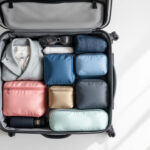
If you are carrying a laptop, camera, or chargers in your luggage, pairing them with this level of protection gives you peace of mind during chaotic travel days.
What water resistant means
Water resistant packing cubes are built to handle splashes, light rain, and minor leaks, but they are not meant for full submersion or heavy downpours. Eagle Creek’s Gear and Hydraulic style cubes use TPU laminated ripstop nylon that is welded for extra protection. They resist water and dust and often include a translucent window so you can see what is inside.
Sea to Summit’s Hydraulic Packing Cubes are a good example. They are made with TPU laminated 70D ripstop nylon and welded construction, which makes them water resistant and dustproof, but the zippers are not intended to be submerged. They are tested for splashes and rough handling rather than full immersion.
Water resistant cubes are usually lighter and more flexible than fully waterproof ones, which can matter if you travel with only a carry on or a backpack.
How mesh affects water protection
Many standard packing cubes include mesh panels. Mesh lets your clothes breathe and helps prevent mildew or odors during longer trips, but those mesh areas are not water resistant. If your main goal is moisture protection, look for cubes without mesh panels.
Well Traveled cubes, for instance, are made from strong twill fabric with no mesh panels to maintain water resistance. They add labels that slide onto the cubes, so you can still find what you need quickly while keeping your gear protected.
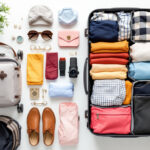
If you sweat a lot in hot climates or often pack slightly damp items, you might use a mix. Solid waterproof cubes for electronics and leak prone bottles, and ventilated cubes for everyday clothing.
Choose the right waterproof packing cubes for your trip
Different travelers have different needs. An overnight business trip calls for a different setup than a three week backpacking loop.
Match cube type to your travel style
Here are four common travel styles and the types of cubes that tend to work best:
| Travel style | Best cube features | Why it works |
|---|---|---|
| First time international traveler | Mixed set with water resistant clothing cubes and 1 to 2 fully waterproof organizers | Keeps clothes organized, protects against unknown conditions and hotel mishaps |
| Frequent business traveler | Slim, structured waterproof cubes and cable specific organizers | Prevents suit and shirt wrinkles, keeps electronics safe from spills |
| Backpacker or digital nomad | Lightweight, compressible waterproof cubes with grab handles | Handles hostels, buses, and weather while saving space and weight |
| Family traveler | Multiple color coded waterproof cubes in different sizes | Separates each person’s gear and contains messes from kids or toiletries |
If you are still choosing your first set, it can help to skim through the brand’s general guides to find the best packing cubes for your base system, and then add waterproof versions in key places like toiletries and electronics.
Consider materials and construction
Waterproof performance comes down to fabric, seams, and zippers.
Look for features like:
- TPU laminated nylon or polyester for water resistance and durability
- Welded seams instead of stitched seams, which prevent water seeping through needle holes
- Water repellent or waterproof zippers, often with a zipper garage or flap for extra protection
COCOON cubes combine lightweight fabrics with a waterproof, stain resistant TPU film on the inside, then finish them with welded construction and water repellent zippers. This combination helps protect both from outside rain and from leaks inside your luggage, like a shampoo bottle that pops open in transit.
RunOff cubes use TRU Zip technology, which creates a toothless, silent, snag proof zipper, plus RF welded TPU construction. The result is an IP67 rated cube that can be fully submerged and still keep your clothes dry.
Balance protection with weight
If you travel with only a carry on, weight matters. Fully waterproof cubes can weigh more than basic mesh styles, especially in larger sizes.
Sea to Summit’s Hydraulic Packing Cubes aim for a middle ground. A small cube weighs around 0.9 ounces and uses 70D ripstop nylon with welded construction, so you get water resistance without a big weight penalty. They also include low profile Hypalon grab handles so you can lash or pull them from your bag quickly.
If you want to keep your bag as light as possible, choose a few key waterproof organizers and pair them with lightweight packing cubes for everyday clothing.
Step 1: Plan your packing system
Before you start filling cubes, take a moment to map out how you want your luggage to function. This saves you from repacking your whole bag on day two of your trip.
Decide what needs waterproof protection
Spread your items out on a bed or table and create three groups:
- Must stay dry at all costs
- Would be annoying if wet
- No big deal if damp
Your “must stay dry” items might include:
- Passport, visas, and important documents
- Electronics like tablets, e readers, cameras, and chargers
- One emergency outfit, especially for long international flights with tight connections
“Annoying if wet” covers items like an extra pair of shoes, a sweater, or tomorrow’s outfit before a big meeting. “No big deal” includes things like laundry, quick dry workout clothes, and items you can easily replace.
Plan to put category one items in your most protective waterproof packing cubes, category two in water resistant cubes, and category three in standard ventilated cubes.
Assign cubes by category and size
Think about your luggage as a filing cabinet. Each packing cube is a file that holds one type of item. This is where a packing cube organizer mindset helps.
For most trips, a simple system might be:
- One medium waterproof cube for electronics and cords
- One waterproof or water resistant cube for toiletries
- One to two clothing cubes, sized to fit your bag (for instance, large packing cubes for checked luggage and small packing cubes for carry ons)
- One shoe specific cube, especially if you like packing cubes for shoes to keep dirt away from clothes
Once cubes have a defined role, it becomes much easier to pack and unpack without thinking.
Step 2: Pack clothes with waterproof cubes
Waterproof cubes are not just for gadgets and liquids. Used strategically, they can keep your clothes cleaner and make it easier to manage wet or dirty items on the road.
Separate clean, dirty, and damp items
At the start of your trip, use your waterproof packing cubes for:
- Your primary outfits, especially anything light colored
- Sleepwear or loungewear that you want to keep fresh
- Backup outfits for unexpected delays or lost luggage
As you travel, flip the system. Move dirty or damp items into one dedicated waterproof cube. Since COCOON and RunOff styles are built to contain liquids and dirt, they help protect the rest of your bag from sweaty clothes, sandy swimwear, or a damp towel.
If you prefer more traditional clothing cubes for breathability, you can still protect your wardrobe by assigning one waterproof cube as a “laundry locker” and placing your ventilated packing cubes for clothes around it.
Use compression carefully
Some waterproof packing cubes, including RunOff models, double as compression bags. You zip them partially, then press out excess air before fully sealing them. This is especially helpful for puffy jackets or blankets.
Compression is useful, but keep these details in mind:
- Compress bulky, soft items like down jackets rather than structured items like blazers
- Avoid over compressing natural fibers that wrinkle easily
- Leave one set of clothes uncompressed in case you need a quick outfit change at the airport
For backpackers and digital nomads, compressible waterproof cubes are especially handy. You can pair them with specialized packing cubes for backpacking that focus on weight and shape.
Step 3: Protect toiletries and liquids
If you have ever opened your suitcase to find shampoo on everything, you understand why waterproof packing cubes are ideal for toiletries.
Build a leak proof toiletries setup
Start with any existing packing cubes for toiletries you like, especially if they have interior pockets for bottles. Then add a waterproof layer around them if they are not fully sealed.
For example:
- Place your main toiletry bag inside a medium COCOON waterproof cube to create a double barrier
- Use a small RunOff cube as your “liquids bag” for flights so that even if security asks you to open it, you still have a tight seal afterwards
- Keep any backup liquids or refills in their own tiny waterproof organizer to avoid chain reaction spills
Because COCOON’s TPU film is stain resistant as well as waterproof, it is easier to wipe away soap or makeup residue than it is with standard fabric pouches.
Handle wet bathroom items on the move
Waterproof cubes also solve a common problem on checkout days. When you need to pack a still damp washcloth, razor, or travel sized bottle from the shower, you can drop it in a waterproof organizer and toss it into your main bag without worrying.
RunOff cubes are useful here. Their construction keeps outside moisture out and internal messes contained, so you can pack a slightly wet item, zip the cube, and deal with drying it later when you reach your next stop.
Step 4: Safeguard electronics and cables
If you travel with a laptop, tablet, camera, or multiple chargers, waterproof packing cubes can double as your mobile tech locker.
Create an electronics specific cube
Assign one cube just for electronics. This should be:
- Fully waterproof or at least highly water resistant
- Light colored or translucent so you can see cables and adapters at a glance
- Large enough for your biggest device or for several smaller ones if you keep your laptop separate
Place delicate gear like cameras in padded cases first, then put those cases inside the waterproof cube. Smaller devices and cords can go in individual pouches or mesh sleeves so they do not scratch one another.
Some travelers prefer dedicated packing cubes for electronics that include cord organizers or elastic loops, then slide that organizer into a waterproof cube for an extra layer.
Keep cables accessible for security checks
To avoid delays at security, pack your electronics cube near the top of your carry on. That way you can grab it quickly for screening without digging through your bag.
Zippers matter here. RunOff’s TRU Zip is designed to be silent and snag proof, which is helpful when you are opening and closing cubes in crowded areas like gate lounges. The included lubricant wipe keeps the zipper running smoothly over time, which helps maintain the waterproof seal.
Step 5: Organize for business and frequent travel
If you travel for work, waterproof packing cubes can make your routine smoother and more predictable, even when flights and schedules are not.
Keep outfits presentation ready
Use structured cubes to separate work outfits from casual wear. Place your meeting clothes in water resistant cubes that emphasize shape and wrinkle resistance, then keep a compact fully waterproof cube for a single “emergency” outfit.
This setup helps if:
- A coffee spills on you mid flight
- Your hotel room is not ready and you need to freshen up in a restroom
- A sudden downpour catches you between the airport and your accommodation
Pair your cubes with luggage focused guides like packing cubes for carry on if you prefer to skip checking bags altogether.
Separate personal and work items
Many business travelers like to create one “office in a bag” cube. This cube holds:
- Chargers and adapters
- A compact mouse and keyboard, if you use them
- Stationery and business cards
- Any portable hard drives or backup devices
Storing all of this in a waterproof cube means that if your main bag sits on a wet floor, your mobile office is still safe.
For styling, you might prefer more classic colors or gender focused options such as packing cubes for men or packing cubes for women that match your usual luggage.
Step 6: Use waterproof cubes for backpacking and outdoor trips
When your travel includes buses, trains, boats, or nights in hostels, your bag is exposed to more risk. Waterproof packing cubes help limit the fallout.
Protect gear from unpredictable conditions
Backpacking often means:
- Tossing your bag onto the roof of a bus
- Crossing rivers or getting caught in sudden storms
- Storing your pack on damp hostel floors
Sea to Summit’s Hydraulic Packing Cubes, with their welded TPU laminated fabric and low profile grab handles, are designed with this kind of use in mind. They resist water and dust and are easy to lash or clip inside larger packs.
Combine them with outdoor specific packing cubes for backpacking so you keep weight low while still gaining important moisture protection.
Manage dirty gear and shoes
On longer backpacking trips you will almost always deal with muddy shoes, sandy items, or damp clothing. Waterproof packing cubes are ideal as:
- Sand and mud barriers for shoes, especially when paired with packing cubes for shoes that open wide for easy access
- Storage for wet swimwear so you can leave the beach without changing your entire packing strategy
- A contained space for any gear that picks up smells, like gym clothes
Because COCOON’s interior film is stain resistant, you can load it with messy items and clean it later without worrying about permanent marks.
Step 7: Simplify family and kids’ packing
If you are traveling with children or multiple family members, your suitcase can turn into a jumble quickly. Waterproof packing cubes help you stay ahead of the chaos.
Give each person a color and cube
Assign one color or pattern of cube to each traveler. Then within each color, use waterproof cubes for the items most likely to leak or get messy.
For example:
- Kids get one waterproof cube for swimwear and one for “just in case” outfits
- Parents share a waterproof toiletry cube and a waterproof electronics cube
- Everyone has their own clothing cubes, which can be standard or water resistant
If you use packing cubes for kids with fun designs or packing cubes with labels, children can learn to manage their own belongings. Well Traveled’s labeled, water resistant cubes are a good fit here since they combine easy identification with moisture protection.
Create a car or plane “grab bag”
For long travel days, pack a single waterproof cube with:
- Snacks
- Wipes and tissues
- A change of clothes for at least one child
- Basic medicines or first aid items you need quickly
Store this cube at the top of your bag or in a daypack. Because it is waterproof, you do not have to worry if a drink spills or if the cube ends up on a damp floor.
Step 8: Clean and maintain your cubes
To keep your waterproof packing cubes performing well, you need to clean them regularly, especially if they hold dirty clothes or toiletries.
How often to wash
Packing cubes pick up more germs than most people realize. They sit on airport floors, go in and out of hotel rooms, and sometimes handle leaks and spills. Better Homes & Gardens recommends washing packing cubes every three to five uses to prevent bacteria buildup and odors.
Waterproof cubes can trap moisture, so a regular cleaning routine is even more important.
Machine wash vs hand wash
Most fabric based packing cubes, including many water resistant types, can be machine washed on a gentle cycle with cold water. Avoid washing them with heavy items like jeans or towels, which can stress zippers and seams.
If your cubes have welded seams, waterproof zippers, or TPU film, check the manufacturer’s instructions. Many COCOON style cubes, for instance, can be cleaned by hand with lukewarm water and mild soap. Soak them briefly, usually five to ten minutes, rinse thoroughly, then air dry fully before storing.
If you cannot wash a cube immediately, a waterless cleaning wipe is an easy first step. This approach is especially helpful mid trip, when you do not have time to dry items completely.
Care for waterproof zippers and films
Waterproof performance depends on zippers and laminated layers staying in good condition. To extend their life:
- Open and close zippers gently rather than forcing them
- Keep sand and grit away from zipper tracks whenever possible
- Use any recommended lubricant, like the TRU Zip High Performance Lubricant Wipe included with RunOff cubes, to keep closures moving smoothly without damaging seals
Storing cubes loosely, rather than tightly folded, also helps prevent creasing in TPU laminated fabrics.
Put it all together: A sample packing checklist
To make this practical, here is a simple layout you can adapt. It shows how you might use waterproof packing cubes on a 10 day international trip with carry on plus personal item.
1. In your suitcase
- 1 large water resistant clothing cube for main outfits
- 1 medium waterproof cube for an emergency outfit and light sweater
- 1 waterproof cube for toiletries, with smaller bags nested inside
- 1 shoe cube with casual and dress shoes
2. In your carry on or backpack
- 1 waterproof electronics cube with chargers, tablet, and e reader
- 1 small waterproof cube for snacks and small essentials
- 1 standard cube for a scarf, socks, and in flight comfort items
3. On the return trip
- Convert one waterproof cube into a dedicated laundry and wet items container
- Use your clothing cubes to keep clean and unworn items separate
You can adjust this layout for different travel styles using the same core idea, protective cubes for anything that must stay dry or could make a mess, then lighter cubes for everything else.
Next steps
If you are building your setup from scratch, start by choosing a base system that fits your luggage. Guides to packing cubes for suitcase and packing cubes for carry on can help you match sizes and shapes. Then add a few high performance waterproof cubes wherever you need extra protection.
Before your next trip, try introducing just one waterproof packing cube, perhaps for toiletries or electronics. Notice how much worry it removes when you stop thinking about spills, leaks, and surprise rain. From there, you can expand into more specialized cubes, whether that means packing cubes for men, packing cubes for women, or a fully tailored set for the whole family.
If you are curious how different brands and models compare in real life, you can also look at recent packing cube reviews to see how other travelers use waterproof options on the road.
FAQs
Are waterproof packing cubes really waterproof?
Some are, many aren’t. Look for welded seams + a sealing zipper and ideally an IP rating (like IP67) for verified protection.
What’s the difference between waterproof and water-resistant packing cubes?
Waterproof cubes are designed to keep water out when sealed (sometimes tested for brief immersion). Water-resistant cubes handle splashes and minor leaks, but aren’t meant for submersion.
Do mesh packing cubes protect against moisture?
No—mesh improves airflow but sacrifices water protection. Use mesh for daily clothes; use solid waterproof cubes for tech and liquids.
Which items should go in waterproof packing cubes first?
Priority: electronics, documents, one emergency outfit, toiletries, and anything leak-prone (makeup, sunscreen, shampoo).
Can waterproof packing cubes be used for wet laundry or swimwear?
Yes—this is one of the best uses. A dedicated waterproof cube becomes a “wet/dirty locker” that protects the rest of your suitcase.
How do I clean waterproof packing cubes safely?
Follow the brand’s care guide, but a common best practice is regular washing every 3–5 uses and air-drying fully before storage.
Do waterproof cubes add weight to carry-on packing?
Fully waterproof cubes can weigh more than mesh. A practical approach is one waterproof cube for tech + one for liquids, and lighter cubes for clothing.