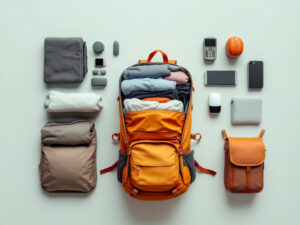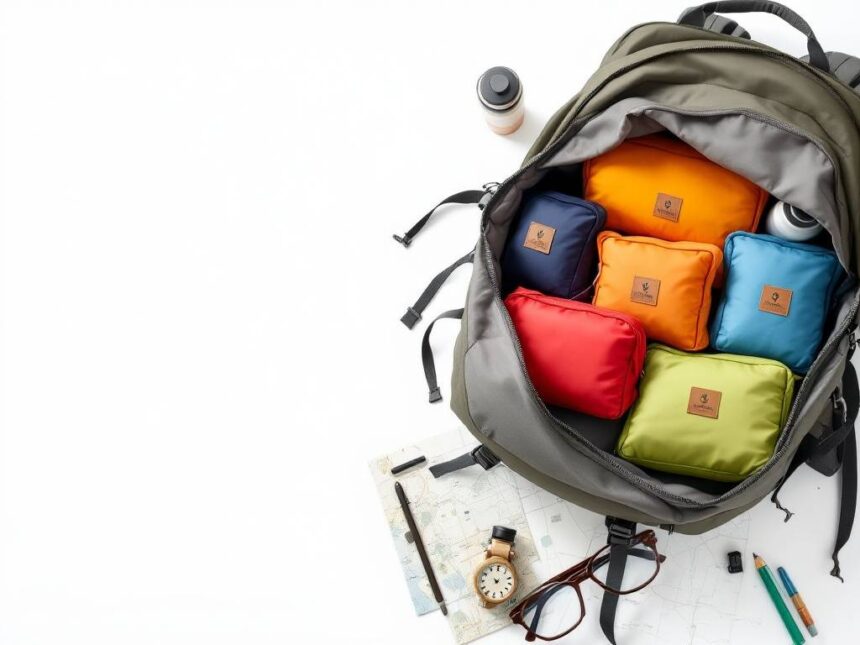
A tightly packed backpack can feel like a black hole. You know your rain jacket, clean socks, and spare charger are in there somewhere, but finding them means unpacking everything on the hostel floor. This is where packing cubes for backpackers change your entire travel experience. With the right cubes, your bag turns into a neat grid of categories instead of a jumble of clothes and gear.
In this guide, you will see how packing cubes for backpackers work in real life, what types actually make sense for the way you travel, and how to set up a simple system that keeps your pack organized from your first flight to your last overnight bus.
Why backpackers should use packing cubes
If you are used to throwing everything straight into your backpack, packing cubes can feel like “extra stuff.” In practice, they usually save you time, stress, and even a bit of space.
How packing cubes change the way you pack
Packing cubes act like drawers inside your backpack. Instead of a single cavernous compartment, you break your gear into small, clearly defined sections. This helps you:
- Find specific items quickly, even in a dark hostel dorm
- Keep clean clothes separate from dirty laundry
- Avoid overpacking because you can see exactly how much fits in each cube
- Repack in minutes when you are moving every few days
Travelers and organizers consistently note that cubes are especially efficient for cramped bags and carry-ons because they stop last-minute rummaging and make everything easy to grab in transit. Lydia Mansel points out that this is particularly helpful when you are trying to find something mid-flight or in a rush at the airport.
Why cubes matter more with backpacks than suitcases
Suitcases open flat, so it is easier to see your things, even if you are messy. Backpacks are different. You are usually working from the top down or from a single front panel. Without structure, anything you packed first sinks to the bottom and disappears.
Packing cubes for backpacking help your gear “stack” like Tetris pieces inside your bag. Lightweight nylon or polyester cubes slide into place, fill dead space, and stop items from shifting as you walk. When you need a specific layer, you pull out one cube instead of half your wardrobe.
If you also travel with rolling bags, you can use the same system and simply move your cubes into your packing cubes for suitcase setup. That consistency makes each trip easier than the last.
Key benefits of packing cubes for backpackers
Once you start using packing cubes, the benefits show up in small day-to-day moments, not just on packing day.
Faster access and less chaos
On a long trip, you might repack dozens of times. Cubes turn this from a chore into a quick routine. For example, if you keep all tops in one cube and all underwear in another, you can get dressed in seconds without exploding your entire pack onto the bed.
Seasoned travelers recommend grouping cubes by item type, such as tops, bottoms, underwear, shoes, and accessories, or even by complete outfits like “hiking day” or “city day”. Either method reduces decision fatigue and makes mornings on the road smoother.
Cleaner, fresher gear
Packing cubes make it simple to separate clean and dirty items. Many backpackers carry at least one dedicated “laundry” cube. As you wear clothes, you move them into the dirty cube. That way, you are never guessing which T-shirt you already wore on a hot, humid day.
You can also bring an extra cube or two to:
- Store souvenirs without crushing them
- Keep wet swimsuits or gym clothes away from dry items
- Hold clothes that you want to re-wear but do not want touching truly clean pieces
This simple separation keeps everything tidier and makes laundry days more efficient because you already know what needs washing.
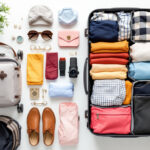
Better use of limited space
Space is at a premium in any pack, especially if you are traveling long term with carry-on only. Packing cubes help you use every available inch.
Slim cubes work well for underwear and socks. Floppier, more flexible cubes are better for bulky items like sweaters or electronics such as a hair straightener, because they mold into the corners of your bag. Experienced travelers emphasize that a mix of shapes and sizes improves how well everything fits together.
Compression styles such as compression packing cubes or packing cubes with compression zippers go a step further by squeezing air out of clothing. They are especially useful for puffy layers, hoodies, and jackets on longer or colder trips.
More durable, organized travel
High quality cubes can also withstand years of use. Brands like Eagle Creek and Well Traveled design cubes that are water resistant and ventilated, with zippers that have lasted some travelers over 15 years of heavy travel. You can expect strong materials, mesh panels so clothes do not get musty, and handles that make cubes easy to grab.
Thinking long term, your packing cube system becomes part of how you travel, just like your backpack itself.
If you often feel like your backpack owns you instead of the other way around, packing cubes are one of the simplest upgrades to regain control.
Types of packing cubes for backpackers
Not every packing cube works well in a backpack. Some are more suited to checked suitcases or hotel-based travel. To pick the right gear, it helps to understand the main options and what they are best for.
Standard packing cubes
Standard packing cubes are simple zippered rectangles that keep items together. They do not compress your clothing, so what you see is what you get, which can be helpful if you do not want to overstuff your backpack.
You might like standard cubes if you:
- Want a very simple system for sorting clothes
- Often stay in one place for several days and unpack into drawers
- Prefer to see the true volume of your clothing rather than compressing it
For a straightforward, all-purpose setup, you can start with a basic packing cube organizer and then add a few specialized cubes later.
Compression packing cubes
Compression cubes look similar to standard ones, but they have an extra zipper that cinches the cube down once it is packed. This pulls out excess air and flattens your clothes so they take up less room.
According to organizers and experienced travelers, compression cubes are especially helpful for:
- Bulkier items like sweaters and jackets
- Long-term trips where you are carrying more clothing
- Backpackers trying to stay within carry-on size or weight limits
Keep in mind that rolling clothes alone is usually slightly more space efficient, but it is slower. Compression cubes strike a balance between space savings and convenience. If you like this style, take a look at our dedicated guide to compression packing cubes.
Ultralight packing cubes
If you count every ounce in your pack, ultralight cubes are worth a close look. Many are made from high tech fabrics like Dyneema or bluesign approved recycled 40D ripstop nylon. Osprey’s Ultralight Packing Cube Set, for example, is designed to deliver durability and packing efficiency with very low weight.
Zpacks uses Bio-Based Dyneema Composite Fabric that is inherently waterproof, does not stretch, and has high tensile strength for its weight. Their cubes are:
- Extremely light, often under 1 ounce
- Available in multiple sizes for modular packing
- Built to fully utilize space in duffels, suitcases, or backpacks
These materials are tough enough for backcountry use and also appealing if you prefer eco friendly packing cubes that use renewable, bio-based fibers instead of traditional petroleum-based plastics.
Cubes with smart features
Small details can make a big difference when you live out of a backpack. Some features to watch for include:
- Dual zippers so you can open cubes from either side
- Mesh panels so you can see what is inside at a glance
- Separate sections for clean and dirty clothes
- Built-in labels, or you can opt for packing cubes with labels
- Sturdy handles, like on packing cubes with handles, that make it easier to pull cubes from the bottom of your pack
Brands like Peak Design focus heavily on access and usability. Their cubes open fully like a clamshell, have dirty-clothes compartments, and use a stretchy, self-healing nylon/poly blend that holds up to years of use. Durable YKK zippers and dual zipper pulls are frequently highlighted as worth paying for because they hold up to constant opening and closing.
If quality is top of mind, Tortuga’s cubes are another strong example. Travelers repeatedly mention that most generic cubes have flimsy materials and weak zippers. Tortuga uses the same materials and hardware from their backpacks in their packing cubes, and some buyers describe them as “indestructible” during heavy use.
How to choose the right packing cubes for your backpack
Picking cubes is not just about color or brand. You want sizes, shapes, and features that match your backpack and your travel style.
Match cubes to your backpack size and layout
Before you buy, take a few basic measurements:
- Total backpack capacity in liters
- Main compartment dimensions
- Whether it is a top-loader, clamshell, or front-panel opening design
If you have a 40 liter travel backpack with a clamshell opening, you can usually fit a tidy grid of rectangular cubes. In a narrower hiking-style top-loader, you might rely more on tall, slim cubes that stack vertically.
A good rule of thumb is to own at least three different sizes. That way, you can allocate:
- Large cubes for jeans, sweaters, and jackets
- Medium cubes for T-shirts, shorts, and sleepwear
- Small cubes for underwear, socks, and accessories
If you are curious what combinations work well for long term travel, explore our guide to packing cubes for backpacking, which dives into layouts for various pack styles.
Balance weight versus organization
Yes, packing cubes add a bit of weight. For minimalist backpackers this triggers alarm bells, but ultralight cubes keep the penalty small. Specter-style cubes from Eagle Creek, for example, are designed to be both durable and very light, so you get structure without a big hit to your pack weight.
Think about your priorities:
- If you constantly repack and move, better organization and faster access often matter more than saving a few grams.
- If you are thru-hiking or on strict weight limits, focus on ultralight fabrics and smaller cubes for your densest items.
Sometimes, choosing a smaller cube instead of a large one is enough to keep you from overpacking, which indirectly keeps your backpack lighter.
Look closely at materials and zippers
For backpackers, the difference between great and frustrating cubes usually comes down to two things: fabric and zippers.
Materials to look for:
- Lightweight nylon or polyester ripstop
- Dyneema Composite Fabric if you want ultralight and waterproof
- Mesh panels with tight enough weave to protect clothing
Zippers are just as important. Many experts highlight the value of quality YKK zippers in sizes 3 to 5 because they can withstand heavy daily use without failing. Dual zippers not only make cubes easier to open, they also add redundancy if one slider fails mid trip.
If affordability is important as well, you can still find reliable options. Some budget cubes made from polyester and unbranded zippers have successfully survived two years of travel across more than twenty countries, which shows you do not always have to spend premium prices to get solid performance. For more wallet friendly ideas, look at our roundup of affordable packing cubes.
How many packing cubes do you actually need?
You do not need a dozen cubes to stay organized. In fact, too many can create clutter instead of reducing it. The right number depends on your trip length, climate, and how you like to pack.
Starter setup for most backpackers
For most trips with a 35 to 50 liter backpack, a practical starting setup could be:
- 1 large cube for bulkier clothes
- 2 medium cubes for T-shirts, shorts, and everyday outfits
- 1 small cube for underwear and socks
- 1 slim pouch or small cube for cords and electronics
If you are traveling with running gear, swimsuits, or a compact down jacket, you may want an additional compression cube to act as a “catch-all” for bulky soft items.
Experienced organizers recommend at least three different sized cubes so you can shuffle gear around to fit your exact needs. Over time, you can adjust your mix of sizes until opening your bag feels intuitive.
When you might want extras
Consider adding more cubes if you:
- Travel as a couple and want to split cubes by person
- Carry kids’ clothing and need a dedicated cube per child
- Plan multi climate trips and want separate cubes for “cold weather” and “tropical”
Extra cubes are also useful for laundry days, storing souvenirs, or keeping worn-but-rewearable items separate from truly dirty clothes. When you have one or two spare cubes in your system, your bag stays more flexible and less cluttered as the trip evolves.
If you are still unsure what combination fits your style and destinations, our overview of the best packing cubes can help you compare popular sets and sizes.
Smart ways to organize with packing cubes
Once you have your cubes, the next step is deciding what goes where. You do not need a complicated method. You just need a system that makes sense to you and is easy to maintain when you are tired, jet lagged, or moving often.
Organize by category or by outfit
There are two common approaches:
1. By category
You keep similar items together. For example:
- Tops in one cube
- Bottoms in another
- Underwear and socks in a small cube
- Sleepwear in a slim cube
This layout makes it easy to see what you are running low on. If your underwear cube is nearly empty, it is time for laundry.
2. By outfit or activity
You build cubes around how you use items. For example:
- “City days” cube with casual outfits
- “Hiking” cube with trekking pants, base layers, and wool socks
- “Beach” cube with swimwear, shorts, and a cover up
This approach is great if your trip has clear activity blocks like trekking followed by city sightseeing.
There is no right answer. You can even mix both, such as keeping everyday clothes by category and building one dedicated “adventure” cube for specific excursions.
Where everything fits in your backpack
To make your backpack work like a cabinet, think in layers.
- Place heavy cubes close to your back and near the middle of the pack. This keeps weight balanced while you walk.
- Put “hotel first” cubes at the top or near zippers you can reach easily. For example, your sleepwear cube might live at the top so you can grab it immediately after a late check-in.
- Slide flatter cubes against the sides to prevent awkward bulges.
You can also assign consistent “homes” for each cube. After a few days, your hands will automatically reach for the right spot when you need something.
Special packing cubes for different types of gear
Certain categories of gear benefit from their own dedicated cubes or bags. This keeps them cleaner, more protected, and easier to find.
Shoes and dirty gear
Shoes are often muddy, sandy, or wet. Letting them loose inside your backpack is a quick way to ruin clean clothes. Dedicated packing cubes for shoes or shoe bags let you:
- Pack your shoes inside your main backpack without getting everything dirty
- Store flip flops or sandals separate from everyday sneakers or hiking boots
- Keep smelly trail runners contained after rainy hikes
Travel experts often call shoe bags one of the most underrated accessories for backpackers because they let you carry dirty shoes in a carry-on without worrying about your clothes getting stained or damp.
Toiletries and liquids
Leaky shampoo or liquid soap can turn your pack into a sticky mess. Using packing cubes for toiletries or a dedicated wash bag helps in two ways:
- Waterproof or water resistant materials contain spills
- A consistent location for toiletries lets you grab what you need quickly in tiny bathrooms
You can store this cube in an easy access pocket or near the top of your pack so it is simple to pull out during security checks or late night showers in shared facilities.
Tech, accessories, and small items
Cords, power banks, and small accessories can disappear into backpack corners. A small cube or pouch dedicated to tech keeps everything together and prevents tangles.
If you carry makeup or small personal items, a compact cube can play the same role. Some travelers like using packing cubes for women that are divided into multiple compartments for different categories of accessories, skincare, and smaller garments.
Compression cubes for tighter backpack setups
Compression cubes deserve their own focus because they can dramatically change how much you fit in your backpack, especially in shoulder season or winter.
How compression packing cubes work
Compression packing cubes use zippers, straps, or a wrap-around system to squeeze down the volume of soft items like clothes. They are different from simple drawstring sacks because the compression mechanism flattens the load and holds it in that shape.
They shine when you use them for:
- Puffy jackets or vests
- Hoodies and bulky sweaters
- Spare towels or extra bedding on camping trips
Some designs, such as Zpacks cubes, use a wrap-around webbing closure and cinch strap to compress gear into neat blocks that take up minimal space, while staying accessible when loosened. This style can be particularly appealing if you are assembling an ultralight or modular kit.
When to use compression and when to skip it
Compression is powerful, but it is not always the answer. You may want to use it selectively.
Good times to use compression:
- You are traveling in cold climates and need to carry more layers
- You are meeting strict airline size and weight limits
- Your backpack feels “puffy” but still has unused internal volume
Times to skip or limit compression:
- You carry electronics or fragile items that should not be squished
- You struggle with overpacking because compression hides how much you brought
- You need to access items multiple times per day and do not want to re-compress
As a middle ground, you can combine one or two compression cubes with standard ones or packing cubes with compression zippers that can be used either way. Our dedicated guide to compression packing cubes walks through different approaches in more detail.
Packing cubes for specific travel styles
The way you use packing cubes will look different if you are on a six month backpacking trip, a quick business trip, or a family holiday.
Long-term backpackers and digital nomads
If you are living out of your backpack for months, small daily efficiencies add up. You might benefit from:
- Durable cubes made from ripstop or Dyneema, since you will use them constantly
- Separate cubes for “home base” items, like clothes you only wear in cooler climates, that live at the bottom of your pack
- A dedicated work cube for laptop accessories, cables, and office basics
Many long term travelers find that built-in backpack “wardrobes” are too heavy or awkward to use. One traveler who used a Tropicfeel Shelter backpack found that its wardrobe was heavy and hard to hang, and eventually looked for smaller, compressible cubes that were easier to manage. If you have had a similar experience, modular packing cubes can give you the flexibility that fixed systems lack.
Business travelers with backpacks
If you travel for work with a backpack instead of a suitcase, packing cubes help keep your professional and casual clothes separate. You might want:
- A dedicated cube for work outfits only
- A wrinkle sensitive packing method, such as folding instead of rolling
- A slim, easily accessible toiletries cube for quick freshen ups
Labelled cubes or packing cubes with labels are especially helpful if you need to dress quickly after an overnight flight or when you are sharing a cramped hotel room.
Families and group travel
Traveling with kids or multiple people can turn any backpack into a shared chaos zone. Cubes can give each person their own mini “drawer” system:
- Color code cubes by person
- Assign each child one main clothes cube and one “extras” cube
- Use one shared cube for swim gear, which lives near the top of a daypack
You can also dedicate a cube to shared essentials, such as first aid items or snacks. When everyone knows which cube holds what, you get fewer “Where is my…?” moments and more smooth departures.
If you often combine backpacking with car or RV trips, it might also be worth exploring packing cubes for camping, since those are designed around outdoor gear and campground living.
Eco-conscious and budget friendly options
You do not have to choose between planet friendly, durable, and affordable when you buy packing cubes. You just have to be selective.
Eco friendly materials and designs
If sustainability is part of how you travel, you can look for:
- Recycled fabrics, such as ocean-recycled polyester
- Bio-based fibers like the Dyneema used in some Zpacks cubes
- Bluesign approved fabrics, which meet strict environmental standards
Eagle Creek’s Pack-It Isolate Compression Cubes, for instance, use ocean-recycled, water resistant fabric and a compression zipper design that is ideal for wet items like swimsuits on outdoor adventures. This type of cube lets you pack both efficiently and more sustainably.
To explore more options that prioritize materials and responsible production, you can check our guide to eco friendly packing cubes.
Staying within your budget
High end cubes are nice, but you can still get a lot of benefits from budget sets, especially if you:
- Travel less frequently
- Are testing cubes for the first time
- Need several cubes for a family but want to keep costs low
Some budget polyester cubes with basic zippers have successfully endured years of non-stop travel, which shows that price does not always equal performance. What matters more is how you treat them and that they fit your needs.
If you want practical suggestions that keep your wallet in mind, our roundup of affordable packing cubes is a useful place to start.
Putting it all together: a sample packing cube layout
To make all of this more concrete, here is a simple example layout for a 40 liter backpack on a three month, mixed climate trip:
- Large cube, base layer
Jeans, hiking pants, leggings, and sweaters. Packed flat, placed near the bottom and close to your back. - Medium cube, everyday tops
T-shirts, light long sleeves, and a nicer shirt or two. Positioned in the middle of the bag for easy access. - Compression cube, bulky warmth
Fleece, a lightweight down jacket, and an extra hoodie. Compressed and slid along one side of the pack. - Small cube, underwear, and socks
Rolled items to maximize space, kept near the top so you can access them daily. - Toiletry cube
Compact wash kit in a water resistant cube, stored at the top or in a front pocket for quick access. - Tech and accessories pouch
Cables, chargers, and small electronics, slotted into a side pocket. - Shoe bag or dedicated shoe cube
Sandals or a spare pair of shoes, kept near the bottom or in an external compartment.
Once you get comfortable with a layout like this, your backpack stops feeling like a mystery box. Every cube has a purpose and a place.
Final tips to get the most from your cubes
To make your packing cubes work as hard as possible for you, keep a few simple habits:
- Pack similar items together and resist the urge to mix categories
- Put things back in the same cube after each use so your system stays intuitive
- Use at least one cube as a flexible “overflow” or laundry cube for changing needs
- Choose materials and zippers that match how tough you are on your gear
If you are ready to upgrade your next trip, start small. Pick a basic packing cube organizer set or add one or two compression packing cubes to your current setup. After a single journey, you will have a clear sense of what works, what does not, and which specific packing cubes for backpackers will make your backpack feel more like a mobile, organized home.
FAQs
Are packing cubes worth it for one-bag backpacking?
Yes—especially if you move often. Cubes reduce rummaging, speed repacking, and keep categories separate so your pack stays consistent day to day.
Do compression packing cubes really save space?
They can, particularly with bulky layers. Reviewers and testers commonly note noticeable compression gains, especially with rigid sides and strong zippers.
How many packing cubes do backpackers actually need?
Most travelers do well with 4–6 total: 1 large, 2 medium, 1 small, plus a tech pouch and (optionally) a laundry cube.
Should I pack by category or by outfit?
Category is easiest to maintain (tops/bottoms/underwear). Outfit-based is great for trips with clear activity blocks (hiking vs city days). Many backpackers mix both.
What cube features matter most for backpack travel?
Durable zippers, lightweight ripstop fabric, handles, and visibility (mesh) are top priorities. Zipper sizing is commonly defined by tooth width (e.g., #5 ≈ 5mm).
Are eco-friendly packing cubes actually durable?
They can be—some lines use recycled ocean-bound fabrics while staying water-resistant and lightweight.