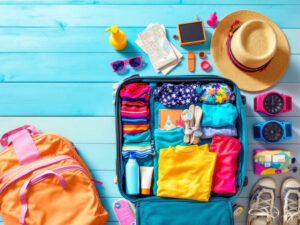
Ever open your carry-on at security and feel like you’re rummaging through a sock tornado? Packing cubes for carry on turn that chaos into a simple system: tidy “drawers” you can pull out in seconds, even mid-flight. In a carry-on-only world, that speed matters—less wrinkling, fewer frantic digs, and a bag that repacks neatly in minutes.
In this article, you’ll learn what cubes actually do, when compression cubes are worth it, which features matter most, and ready-to-copy layouts for business travel, backpacking, family trips, and mixed outdoor adventures. You’ll also see top-rated cube options and packing mistakes that waste space.


Why packing cubes for carry on are a game changer
If you are tired of digging through your carry-on at the airport or arriving with a wrinkled heap of clothes, packing cubes for carry on can change the way you travel. Instead of loose piles of shirts, pants, and socks, you get neat, labeled “drawers” inside your suitcase or backpack.
Packing cubes do three key things for you: they organize, they contain, and, in some cases, they compress. Organization is the biggest win, especially in tight carry-on-only setups. When you can grab your “tops” cube in seconds or slide out your “toiletries” pouch without disturbing anything else, travel days feel calmer and less chaotic.
In this guide, you will learn how packing cubes work, how to choose the best ones for your style of travel, and the exact setups to try whether you travel for business, backpacking, or family trips.

Understand what packing cubes actually do
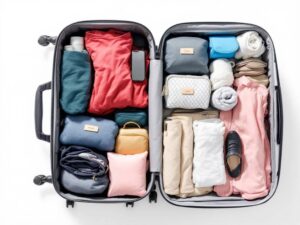
Packing cubes are rectangular fabric organizers that unzip on three sides so they open like a clamshell. You place folded or rolled clothes inside, zip them up, and then arrange the cubes in your carry-on backpack or suitcase.
Most travelers use different cubes for different categories, similar to how you use drawers at home. For example, you might have one cube for pants and shorts, one for tops, one for underwear and socks, and another for pajamas or workout gear. This is why packing cubes for clothes are such a helpful starting point when you want to simplify your packing routine.
The main benefit is not magical space saving, although you might gain a bit if you pack tightly. The real improvement is that everything has a home. Instead of exploding your bag every time you need a fresh shirt, you unzip one cube, take what you need, and zip it closed again.
Regular vs compression packing cubes
You will see two main types when you start shopping: standard packing cubes and compression packing cubes. Both are useful in carry-on-only travel, but they behave differently.
Standard packing cubes are simple zippered pouches that keep items grouped, neat, and protected. They are ideal if you value organization and easy access over maximum space saving. For many travelers, these are enough, especially in structured carry-on suitcases.
Compression packing cubes add a second zipper or external straps that squeeze out extra air so the cube becomes flatter. They work similarly to compression bags, but with the added orderliness of cubes. This design is especially useful if you pack bulky items like sweaters or jeans in a small bag because it helps you keep volume under control while still knowing where everything is.
Despite the compression, experts note that classic packing cubes are more about order than pure space saving, and that is important to remember so you are not disappointed. If you want every inch of your carry-on to count, compression styles or a mix of compression and standard cubes will serve you best.
Key features to look for in packing cubes
You will get more mileage from your cubes if you pay attention to a few features when you buy them. Not every set is the same, and the small details make a big difference in cramped carry-on bags.
First, look for durability without excessive weight. Lightweight ripstop materials and quality stitching help your cubes survive years of travel without adding unnecessary ounces. Water resistance is another useful trait, especially if you want to keep electronics or nicer clothing safe from spills. Some travelers prefer cubes like Eagle Creek’s Isolate or Reveal series because they balance low weight with weather resistance and long-term durability.
Next, pay attention to zippers and structure. Strong YKK zippers are a common marker of quality in the best packing cubes for carry on, and a bit of internal structure helps cubes keep their shape so packing feels like playing with firm bricks instead of floppy bags. Mesh panels on the lid are also valuable, because they let you see what is inside at a glance and allow air to escape as you zip.
Size variety rounds out the essentials. A good set usually has at least three cubes in different sizes. Small cubes are perfect for underwear, socks, or accessories, medium ones for tops, and larger ones for pants, sweaters, or multiple outfits. You can explore dedicated small packing cubes if you tend to travel light or use smaller carry-ons.
Match cube sizes to your carry-on and trip
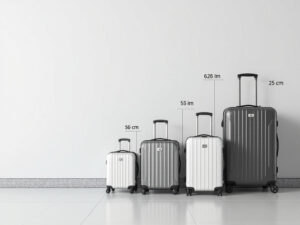
The best packing cubes for carry on are the ones that actually fit your bag and your packing style. Before you buy, think about both the dimensions of your suitcase or backpack and the kind of trips you usually take.
For under-the-seat personal item backpacks, one large cube for all clothes often works best, paired with a couple of small pouches for cords, chargers, and snacks. This setup keeps everything compressed into a single “drawer” that slides neatly into your bag, leaving room on the sides for shoes, a sweater, or documents.
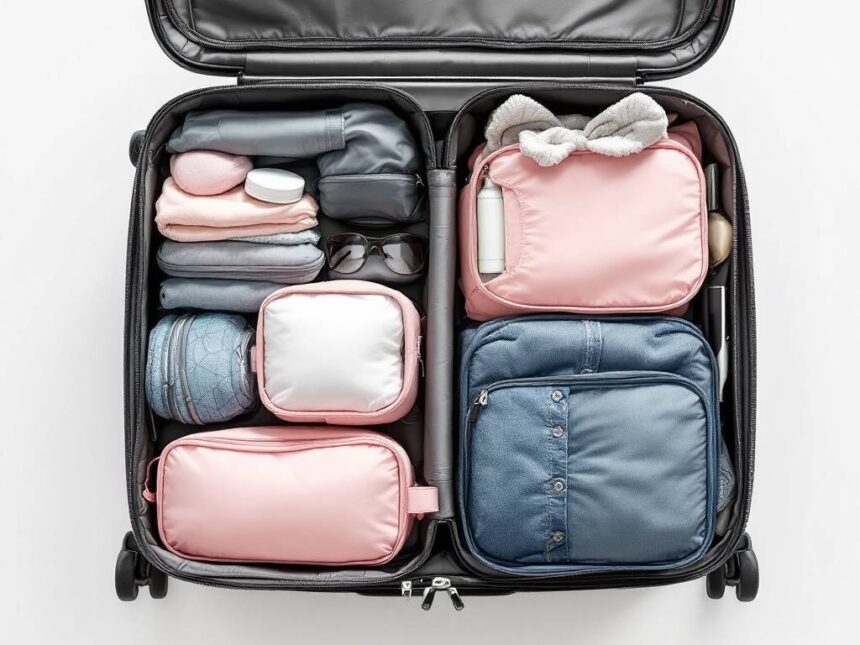
If you use a standard 20 to 22 inch carry-on suitcase, you have more flexibility. Many travelers prefer two medium cubes side by side, with a small cube on top or alongside them. This grid-like layout fills the main compartment efficiently without wasting corners. For longer trips, you might add a larger cube or two so you can separate clean and dirty clothes mid-journey.
Trip length also matters. For a weekend or three day trip, one to two cubes is usually enough, especially if you roll your clothes. For five days or longer, travel testers often recommend using five to six cubes to stay organized and avoid digging through mixed piles. This is especially helpful when you share a suitcase with a partner or child, because each person can have their own cube color or size.
Best packing cubes for different travel styles
You will get the most out of packing cubes when you tailor your setup to the way you travel. A business traveler who spends most nights in hotels has different needs than a backpacker or a parent packing for two kids.
Business and frequent flyer setups
If you travel often for work, you probably use the same carry-on suitcase repeatedly. In that case, consistency and speed matter. Consider dedicating specific packing cubes for clothes to your usual work wardrobe, such as one cube for shirts and blouses, one for trousers and skirts, and one for underwear and sleepwear.
Using medium-sized cubes tends to work best for business travel, because they are easy to slide into overhead-bin-friendly bags without overstuffing. Compression styles help if you carry blazer-friendly outfits or a backup set of dress clothes. You can also keep a small cube or pouch ready as packing cubes for toiletries so your liquids and grooming items move from trip to trip without reorganization.
Backpackers and digital nomads
Backpackers and digital nomads usually care about weight, flexibility, and the ability to live out of their bag long term. In this case, combining lightweight packing cubes with strong compression options works well. You will also want cubes that feel good in soft-sided backpacks, since overly rigid ones can create awkward bulges.
Since your backpack is vertical, try one large cube at the base for bulky items, then two medium cubes stacked above, followed by a small cube or pouch for underwear and socks. This structure keeps the bag balanced on your back. If you mostly carry tech gear, you might appreciate using a dedicated organizer similar to packing cubes for electronics so cords and chargers do not sprawl across your bag.
Backpackers can also benefit from products designed as packing cubes for backpacking or packing cubes for backpackers, which are usually shaped to sit well in tall bags and made from tougher fabrics that withstand constant movement.
Family and group travel
If you are managing clothes for kids or traveling with a partner, color coding is your friend. Giving each person their own cube colors or patterns makes it simple to identify whose clothes are whose, even in a shared suitcase. You might pack two or three cubes per person for week-long trips, plus an extra cube to serve as a dirty laundry bag later.
Smaller children do well with dedicated small cubes for outfits so you can hand them a single cube each morning with everything they need for the day. Parents also tend to appreciate a cube reserved for “emergency” items such as an extra outfit, diapers, or wipes, which can live near the top of the carry-on.
Outdoor, camping, and mixed trips
When you combine city stays with hiking or camping, you want a setup that transitions easily. This is where packing cubes for camping and tough travel organizers shine, especially if they are moisture resistant. You can keep your clean town clothes in one cube, outdoor layers in another, and base layers or socks in a third one.
For rugged or wet environments, larger gear cubes like the Patagonia Black Hole Cube have impressed testers for durability. This 14 liter cube, made from recycled polyester ripstop with a weather resistant recycled TPU film laminate, can handle bulky items like jeans, sweaters, and even some toiletries without feeling overloaded, which makes it well suited for more adventurous trips where your bag might get tossed around.
Top-rated packing cube options to consider
To make your search easier, it helps to see how several popular packing cube brands and styles compare. The sets and cubes below have been favorably tested in recent years for organization, durability, or compression strength.
| Packing cube | Standout features | Best for |
|---|---|---|
| Patagonia Black Hole Cube (14 L) | Recycled polyester ripstop, weather resistant TPU film, very durable, large capacity | Rugged travel, bulky clothes, mixed city and outdoor trips |
| Baggu Packing Cube Set | Lightweight ripstop polyester, two sizes, machine washable, dries quickly, withstands heavy use | Winter trips, ski travel, travelers who prefer washable gear |
| BAGSMART Blast Compression Cubes | Strong compression, sturdy build, six piece set including shoe bag | Carry-on maximizers, longer trips in one bag |
| Shacke Pak 5 Set | Variety of sizes from extra large to small, laundry bag included, water resistant nylon with mesh panels | Up to 14 day trips, family packing, color variety fans |
| Amazon Basics Packing Cubes | Budget friendly four piece set, see through mesh, clamshell zippers, fits well in smaller backpacks | First time cube users, budget travelers, drawer organizing in rentals |
| Osprey StraightJacket Compression Sack | High compression using two buckles, durable and lightweight, sack shape | Highly compressing bulky clothing in carry-ons |
| Gonex Compression Cubes | Four sizes for low price, lightweight materials | Budget shoppers who want to test compression cubes |
| Peak Design Packing Cubes | Durable nylon, polyester, and Hypalon, quick access zipper, multiple sizes, compression | Tech conscious travelers, style focused users |
| Thule Compression Cube Set | Ripstop nylon, YKK zippers, strong compression, odor blocking | Travelers using small bags, carry-on only flyers |
These options span a range from premium to budget. If you are unsure where to start, consider something simple like Shacke Pak or Amazon Basics to understand your preferences, then upgrade to a more specialized set for compression or durability later.
Use case: Professional traveler packing only a carry-on
Sometimes it helps to see how a real person uses packing cubes for carry on in practice. Frequent traveler Terilyn Adams has refined her system over countless trips and shows what is possible with a single carry-on bag.
She uses a variety of packing cube sizes to fit everything from business attire and black tie outfits to casual clothes for multi-climate trips. For nine day routes that include both desert cities and cooler national parks, she packs dressier or bulkier items flat on top of the cubes to reduce wrinkles, while everyday clothes stay inside the cubes by category.
Her approach highlights a useful tactic for your own trips. Let the cubes handle smaller, more flexible pieces, and reserve the flat space on top of them for structured garments like blazers, dresses, and jackets. When you arrive, you can quickly empty one cube and convert it into a dirty laundry bag so worn clothes do not mix with clean ones as the trip goes on.
How to actually pack cubes for maximum efficiency
Once you have your cubes, how you load them impacts how efficient they feel in your carry-on. A little thought at this stage pays off every time you open your bag.
Start by grouping your clothing by purpose or type. You might have one cube for tops, another for bottoms, and a small one for underwear and socks. Or you could group by day or by activity, such as “work days,” “gym and lounge,” and “evenings out.” This is similar to how specialized packing cubes for men or packing cubes for women are often marketed, but you can copy the same logic with any set.
Most experienced travelers prefer rolling clothes rather than folding. Rolling reduces wrinkles, makes better use of the cube’s depth, and makes it easier to spot individual items. Place heavier items like jeans at the bottom of the cube and lighter shirts or pajamas on top. If your cube has mesh panels, position patterns or colors that stand out where you can see them so you know what is inside without opening it fully.
Next, think about access. Items you plan to use during the journey, such as a sweater, scarf, or an extra shirt, should sit in the top layer of your bag or in a cube with a handle that you can pull quickly. You might find packing cubes with handles helpful if you often store your carry-on under the seat and need to grab a single cube mid flight.
Compression cubes add one more step. After filling the inner compartment, zip it closed, then gently compress everything by running the outer zipper around the cube. The idea is to remove trapped air, not to forcefully crush your clothes. Overfilling can stress zippers and reduce the cube’s lifespan.
Organizing everything inside your carry-on
Packing cubes shine when you place them intentionally inside your carry-on rather than dropping them in at random. You want a layout that allows the bag to close easily, stay balanced, and open without everything falling out.
In a suitcase, put your largest or heaviest cube at the bottom near the wheels so the bag stands properly. Then layer medium cubes next to each other, followed by smaller ones. Shoes can go in the gaps or a separate shoe bag. If you use packing cubes for shoes, place them near the bottom corners to keep the center clear for clothing.
For backpacks, place the heaviest cube close to your back panel, which keeps the center of gravity stable. Lighter cubes can sit further from your back or nearer the top. Reserve exterior or quick access pockets for your passport, boarding pass, and electronics, and rely on one or two small cubes or pouches for cables and chargers, similar to packing cubes for electronics.
If you carry toiletries in your cabin bag, consider a leak resistant pouch that functions like packing cubes for toiletries. Put it near the top of the bag so you can pull it out quickly for security checks without unpacking your entire setup.
When to use compression vs regular cubes in the same bag
You do not have to choose between standard and compression cubes. Many carry-on travelers get the best of both by mixing them.
Compression cubes make sense for bulkier, less fragile clothes such as sweaters, jeans, hoodies, and spare t shirts. These items can handle more pressure without excessive wrinkling. Regular cubes work better for clothes that you need to access frequently or that wrinkle easily, such as button downs and dresses.
Compression is most effective when clothes contain more air, for example synthetic shirts and puffy items. Heavier, dense fabrics like denim do not compress as dramatically, so you may want to reserve compression space for lighter pieces where you get more payoff.
Experts who test travel gear note that compression cubes remove air more efficiently than standard cubes, but they also suggest that combining both styles gives you superior organization and flexibility. Think of compression cubes as your “storage bins” and regular cubes as your “daily drawers.”
Special considerations for lightweight and eco-friendly travel
If you want your carry-on to feel feather light, focus on both cube weight and fabric. Super-structured cubes can be satisfying to pack, but they may add several extra ounces that add up across a full set. In that case, look for lightweight packing cubes made from thin but tough ripstop materials.
Sustainability minded travelers may prefer eco friendly packing cubes made from recycled fabrics or low impact materials. The Patagonia Black Hole Cube mentioned earlier is one example, since it uses recycled polyester and a recycled TPU film laminate. Other brands offer cubes made from similar recycled textiles that still handle rough travel.
You can also treat your packing cubes as a long term investment instead of disposable accessories. Sturdy stitching, quality zippers, and washability all extend their lifespan, so you buy fewer products over the years and reduce waste.
Common mistakes to avoid with packing cubes
Packing cubes are simple tools, but a few common missteps can make them feel less effective than they truly are.
Overfilling is the biggest issue. If you stuff a cube until the zipper strains, you lose the ability to mold cubes to your bag’s shape. Leave a little space so cubes can flex. This is especially important with compression styles so the extra zipper does not fail prematurely.
Another mistake is buying cubes that do not match your luggage dimensions. Tall, narrow cubes fit backpacks better than very wide ones. Flat, rectangular cubes slide more naturally into hard shell suitcases. Before purchasing, quickly measure your bag’s main compartment and compare it to the cube sizes you are considering.
A third misstep is relying on cubes for everything. Some items are better left loose, such as a blazer that you lay flat or shoes that you place in dedicated shoe bags. Mixing cubes with a few flat packed pieces usually works better than forcing everything into cubes.
Finally, do not forget to use at least one cube as a laundry bag once you start wearing clothes. This helps you keep clean and dirty items separate without carrying an extra bag and makes unpacking at home much easier.
Sample packing cube layouts you can copy
If you are unsure where to start, you can use one of these templates and adjust as you go. They show how you might arrange your packing cubes for carry-on luggage depending on your trip type.
For a three day business trip:
- One medium cube: shirts and blouses
- One medium cube: pants, skirts, and lounge clothes
- One small cube: underwear, socks, and sleepwear
- One slim cube or pouch: toiletries and makeup
For a week-long vacation:
- One large cube: pants, shorts, and sweaters
- Two medium cubes: casual tops and dresses
- One small cube: underwear, socks, and swimwear
- One cube reserved for dirty laundry starting mid trip
For a two week backpacking route:
- One large compression cube: warmer layers and jeans
- One medium cube: everyday tops
- One medium cube: sleepwear and loungewear
- One small cube: underwear and socks
- One pouch: cords, chargers, and small electronics
As you use cubes more often, you will refine these layouts to fit your habits, but even a simple system like this will make your carry-on feel far more organized.
Bringing it all together
Packing cubes for carry on are not a gimmick. They give you structure inside a small bag so you can travel with less stress and more confidence, whether you are heading out on your first international trip or living on the road for months.
If you want to keep things simple, start with a basic set of packing cubes in two or three sizes and dedicate each cube to a specific clothing category. If you know you constantly push your carry-on to its limit, experiment with packing cubes with compression zippers for bulkier items and keep a few standard cubes for easy access pieces.
Over time, you will build a custom system that suits your style, perhaps adding specialized packing cubes for shoes, packing cubes with handles, or even purpose built sets such as packing cubes for men or packing cubes for women. The more intentional you are, the more your carry-on starts to feel like a tidy, portable closet instead of a chaotic black hole.
FAQs
Do packing cubes actually save space in a carry-on?
They can, but their biggest benefit is organization and easy access. Compression cubes remove trapped air better than standard cubes, so they’re the better “space” tool when you’re packing bulky layers.
Are compression packing cubes better than regular packing cubes?
Not universally. Compression cubes are best for sweaters/hoodies and soft items; regular cubes are better for quick access and wrinkle-prone pieces you don’t want crushed. Many one-bag travelers mix both.
What size packing cubes work best for carry-on luggage?
For a 20–22″ carry-on suitcase: two mediums + one small is a common “grid.” For under-seat backpacks: one large cube + 1–2 small pouches keeps access simple. (Your article already explains this well—keep it.)
Do packing cubes reduce wrinkles?
They help by preventing clothes from shifting and bunching. Rolling inside cubes typically reduces wrinkles versus loose stacking, especially when the cube keeps tension consistent.
How many packing cubes do I need for a 3–5 day trip?
Usually 2–4: one for tops, one for bottoms, one small for underwear/socks, and optional toiletries/tech pouch. Go up to 5–6 if you’re separating outfits by day, packing for kids, or mixing climates.
What’s the biggest packing cube mistake?
Overfilling. It stresses zippers and makes cubes harder to fit efficiently—especially compression styles where the outer zipper does the “work.”