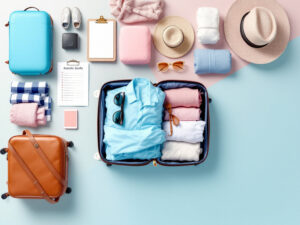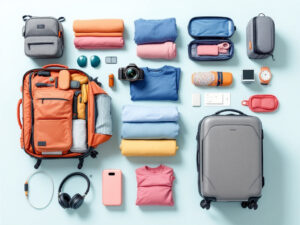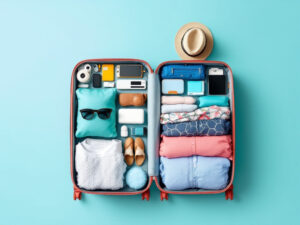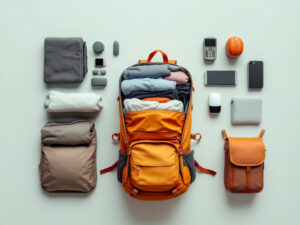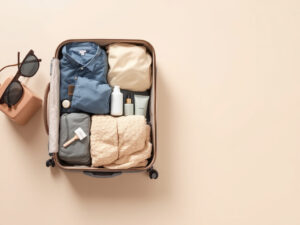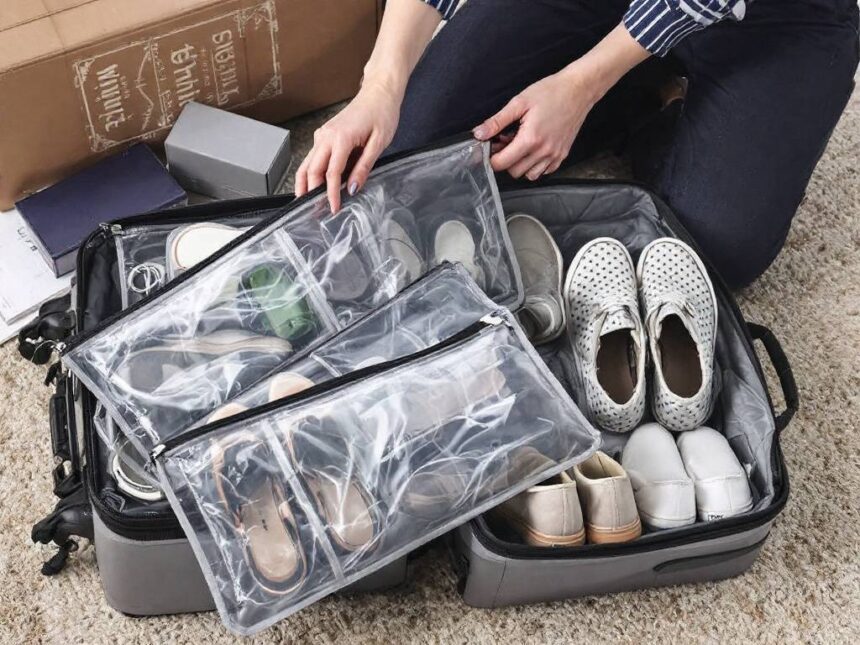
Packing cubes for shoes can quietly transform the way you travel. Instead of wrestling with dirty soles, wasted space, and random single shoes at the bottom of your suitcase, you get neat, stackable cubes that keep footwear contained and your clothes clean. Once you try them, it is hard to go back to tossing shoes in loose.
Below, you will find how shoe packing cubes work, when you actually need them, the smartest styles to consider, and how to choose the right option for the way you travel.



Why you should use packing cubes for shoes
Shoes are some of the trickiest things you pack. They are bulky, oddly shaped, and usually not very clean. That combination can quickly derail an otherwise organized bag.
Dedicated packing cubes for shoes solve several problems at once.
You keep dirt and germs away from clean clothes
Shoes pick up dust, street grime, and bacteria. When you place them directly next to your clothes, that all comes along for the ride.
Shoe cubes and shoe sacks provide a dedicated barrier between your footwear and fabrics. Many models use materials like nylon or polyester that wipe clean easily, and some are made with antimicrobial fabrics, which help keep germs at bay when you pack shoes alongside clothing. This is especially useful on longer trips when you are rewearing items instead of washing every day.
You reclaim wasted suitcase space
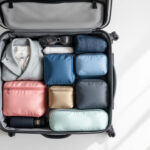
If you usually wedge one sneaker along one side and the other somewhere else, you already know how much space that wastes. Shoe-specific packing cubes are generally rectangular, so they line up perfectly with regular cubes and other items in your suitcase or backpack.
Carl Friedrik, for example, designs packing cubes that stack inside their suitcases to maximize packing potential, with a large cube specifically recommended as ideal for a pair of shoes, sized to fit their three polycarbonate suitcase models. A snug, rectangular footprint gives you cleaner rows inside your case rather than awkward gaps around rounded edges.
You make unpacking faster and less stressful
When you arrive, you do not have to dig for sandals or search for your gym shoes. You simply pull out the shoe cube, unzip, and you are done. If you are sharing a suitcase, shoe cubes are also a simple way to keep your things separate from a partner’s or child’s.
What counts as a “shoe packing cube”
Although the phrase “packing cubes for shoes” sounds niche, you have a few different formats to choose from, and each suits a slightly different style of travel.
Shoe-specific packing cubes
These are rectangular, zippered compartments made from lightweight but durable fabrics such as nylon or polyester. They are built to:
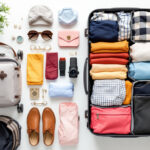
- Hold one or more pairs of shoes
- Zip closed fully, so the soles never touch clothes
- Stack neatly with your other cubes
Many shoe cubes include mesh panels for ventilation, which helps with odor, or a partial mesh window so you can quickly see which shoes are inside without opening every cube.
Because of their shape, these cubes are especially good when you already use a full travel packing cubes set and want something that integrates seamlessly.
Shoe sacks and drawstring bags
Some brands take a softer approach with sack-style shoe bags. ProtectMyShoes, for instance, offers chic shoe bags made from machine washable fabric, with generous sizing for different shoe types, drawstring closures, and interior linings that protect delicate materials. These work well if you care about style as much as function or want something that feels a little more flexible than a structured cube.
Sacks are easy to tuck into corners or carry separately in a tote or weekender. They are a good match for dress shoes, heels, or anything with embellishments that might snag on rougher fabrics.
Shoe compartments inside cube sets
You can also choose multi-cube sets that include one shoe-specific cube or pouch as part of the system. This lets you keep your packing look cohesive without buying separate pieces.
Recent sets that feature this approach include:
- Peak Design Packing Cubes, which offer a dedicated shoe pouch option in sets of three, six, or eight cubes, allowing you to separate shoes and still compress clothing in the remaining cubes in 2024
- BAGSMART Compression Travel Packing Cubes, which include a shoe pouch that can hold two pairs of shoes in separate compartments, making them versatile and budget friendly for many travelers in 2024
- REI Co-op Expandable Packing Cube Set, which comes with a shoe cube alongside small, medium, and large expandable cubes, holding the most volume among tested sets and helping overpackers fit shoes and outfits efficiently
- Eagle Creek’s Pack-It Reveal and Pack-It Isolate cube sets, both updated with shoe bag or shoe sack options, designed to hold clothing plus separate footwear for about a week’s travel in 2024
If you like everything to match, or you are starting from scratch, looking for a set with an integrated shoe solution is a smart move.
Types of travelers who benefit most
You can make a case for packing cubes for shoes on almost any trip, but they are especially worth it if you fall into one of these groups.
First-time international travelers
If this is your first big trip abroad, you probably want your luggage to feel calm and predictable, not like a mystery box of tangled outfits and lone sneakers. Shoe cubes give you an immediate level of structure.
Instead of jamming shoes around the edges, you slot one or two cubes into your checked suitcase or packing cubes for carry on bag. You will know exactly where your walking shoes, sandals, and dressier pair live, so you can grab what you need quickly in an unfamiliar hotel room or hostel.
Frequent business travelers
For work trips, keeping dress shoes or polished loafers separated from crisp shirts and suits is non-negotiable. Shoe cubes help in three ways:
- They protect nicer shoes from scuffs when they are packed next to tech, toiletries, or hard-edged items
- They keep shoe polish, dust, or street residue off your dress clothes
- They make it obvious if you forgot a key pair before you leave for the airport
If you frequently travel with a laptop backpack plus a carry on suitcase, consider a slim shoe cube that fits neatly in your packing cube organizer system instead of a bulky, standalone shoe box.
Backpackers and digital nomads
When you live out of a bag, footwear choices matter. You might travel with hiking shoes, sandals, and a casual city pair. Without structure, those pairs take over your backpack.
Using shoe-specific cubes or sacks in combination with packing cubes for backpacking lets you:
- Corral dirty trail shoes once you leave a hike
- Keep flip flops away from electronics and chargers
- Easily pull out the exact pair you need at a bus station or hostel without dumping your entire pack
Compression-style shoe cubes can be especially helpful here, as long as you are not overcompressing very structured sneakers or boots.
Families traveling together
If you have kids, you already know shoes multiply. Sandals, sneakers, water shoes, special “favorite” shoes, and suddenly the bottom of your suitcase looks like a pile of mismatched pairs.
Assigning each person their own shoe cube or shoe bag makes packing and unpacking much smoother. You can:
- Color code cubes for each family member
- Put all beach or pool shoes in one cube to grab on arrival
- Keep particularly dirty playground shoes away from baby clothes or soft toys
Combine shoe cubes with packing cubes with labels for the rest of your items and you will spend far less time sorting through piles in a hotel room.
Smart features to look for in shoe packing cubes
Once you decide to invest in packing cubes for shoes, looking closely at the details will help you get more value from each piece.
Size and capacity
Think about what types of shoes you usually bring.
- For running shoes or bulky sneakers, look for large or extra-large cubes. Sets like the BAGSMART Blast Compression Travel Packing Cubes include a dedicated shoe bag measuring 19.69 x 14.57 inches, which can easily hold multiple pairs for about a six day trip in 2026
- For flats, sandals, or kids’ shoes, medium cubes or shoe sacks are enough and save space
- If you regularly bring boots, you may want taller, more flexible sacks instead of rigid cubes
You can also repurpose large packing cubes as shoe containers, as long as you do not mind mixing them with other items.
Materials and durability
Shoes are heavier than T-shirts. Look for fabrics that can handle weight and rougher edges.
- Sturdy nylon or polyester is common and resists abrasion
- Water resistant coatings help protect other items if your shoes are damp
- Recycled fabrics, like the 100 percent recycled materials used in Eagle Creek’s Pack-It Reveal and Isolate shoe solutions and Patagonia’s Black Hole Cube line, are ideal if you are hunting for eco friendly packing cubes
If you travel often, you will get more out of durable packing cubes that feel robust in the hand and have strong stitching at the seams and zippers.
Ventilation and odor control
Because shoes trap sweat and moisture, airflow matters. Ventilated shoe cubes typically use mesh panels along one side, which:
- Allow air circulation during and after travel
- Help shoes dry out more quickly
- Let you see what is inside at a glance
For very dirty or sweaty shoes, you might prefer a fully enclosed but washable sack, like the machine washable styles from ProtectMyShoes. You can toss the bag in the wash after the trip instead of scrubbing the interior of your suitcase.
Handles and portability
Cubes that include handles are easier to grab from a full suitcase, pull from under a hostel bunk, or carry separately to a gym or pool. Many packing cubes with handles are designed to double as day bags within your luggage.
A handle also comes in handy when airport security asks to inspect your shoes. You can lift the entire cube out in one move instead of fishing for individual pairs.
Compatibility with compression systems
If you already use packing cubes with compression zippers, consider a shoe solution that plays nicely with them.
Some compression sets, like those from Peak Design, BAGSMART, ECOHUB, and Thule, include shoe bags or shoe compartments within the sets tested in 2026. These let you maintain a slimmer bag profile while still containing shoes in their own space.
Just avoid overcompressing very structured shoes, since heavy compression can distort their shape over time.
Popular shoe-friendly packing cube systems
Several brands now treat shoe organization as a built-in part of their packing systems rather than an afterthought. Knowing what is available makes it easier to choose what suits you.
Eagle Creek Pack-It system
Eagle Creek’s Pack-It line is built around the idea that you should be able to “pack your way.” Their range includes:
- Pack-It Reveal Multi Shoe Packing Cube
- Pack-It Isolate Shoe Sack
- Pack-It Reveal Shoe Sack
- Pack-It Essentials Packing Cube Set with integrated shoe packing options
- Pack-It Extended Stay sets in both Isolate and Reveal versions, which add shoe compartments for longer trips
The updated Pack-It Reveal Cube Set relaunch in 2024 introduced a new shoe bag silhouette made from 100 percent recycled fabric that repels water and organizes up to a week’s worth of clothing and shoes. The Pack-It Isolate Cube Set, also updated in 2024, uses 100 percent recycled 70 denier ripstop nylon and is about half the weight of Reveal cubes, with a translucent design that allows you to see contents without relying on mesh.
If you want shoe solutions that are part of a larger, flexible system and you care about sustainability, this ecosystem is worth a look.
Compression cube sets with shoe options
If you want both organization and a slimmer suitcase, compression sets that include shoe pouches are a strong choice.
Among the best compression packing cubes tested through 2024 and into 2026, several stand out:
- Peak Design Packing Cubes, which offer configurable sets that can include a shoe pouch, so you can tailor your cube mix to longer or shorter trips
- BAGSMART Compression Travel Packing Cubes, which pair clothing cubes with a shoe pouch for two pairs of shoes, ideal if you want affordable packing cubes without giving up shoe organization
- ECOHUB 5 Set Compression Packing Cubes, which include a shoe bag sized 17.5 x 13.5 inches and use lightweight nylon with mesh fronts for breathability and visibility, tested on trips of about five days in 2026
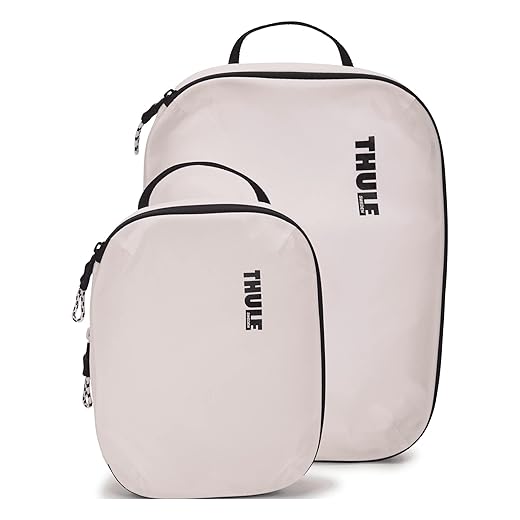
- Thule Compression Packing Cubes, a more minimalist two cube set that fits into carry on suitcases and offers water repellent nylon to protect from spills, suitable for trips under a week in 2026
- Well Traveled Compression Packing Cubes, which provide a dedicated laundry bag that can double as a shoe or laundry bag, using water resistant twill fabric and holding up well over several months of use by 2026
These sets are particularly useful if you are trying to keep your overall volume down, for example when traveling with only carry on or a compact backpack.
Style forward and eco-conscious options
Not every shoe cube looks plain. If you care about color, patterns, or sustainable materials, you have good choices.
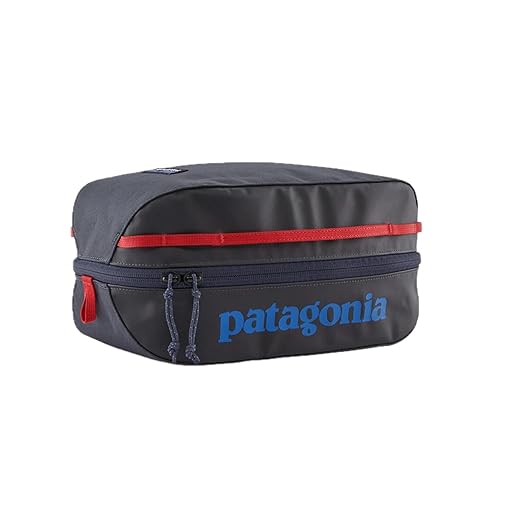
Cotopaxi’s Cubo Packing Travel Bundle Del Día, for example, includes a shoe bag made from repurposed remnant materials, with a mix of mesh and nylon paneling that gives you visibility while celebrating bold, one of a kind color blocking. Patagonia’s Black Hole Cube, available in 6 liter and 14 liter sizes, is a water resistant cube with compartments that work well for shoes, dirty items, or damp clothes, all made from durable recycled ripstop polyester with a TPU laminate coating.
If you want to use packing cubes for shoes without sacrificing aesthetics, these are strong candidates.
How to pack shoes in cubes like a pro
Good gear is only half of the equation. How you use your packing cubes for shoes makes an equally big difference.
Clean and prep shoes first
You do not need to deep clean every pair, but quick prep goes a long way:
- Knock soles together outside to remove loose dirt or gravel
- Wipe mud or dust with a damp cloth and dry briefly
- Air out especially sweaty shoes overnight before packing if possible
If odors are a concern, tuck a small sachet, dryer sheet, or a bit of tissue with a few drops of essential oil into the shoe before closing the cube.
Use interior shoe space
One of the easiest ways to save space is to use the inside of your shoes for small items. Before you place shoes into the cube, fill them with:
- Socks or hosiery
- Belts, swimsuits, or smaller accessories
- Compact items like chargers wrapped in a soft cloth
Just make sure anything delicate is wrapped so it does not rub against any rough interior seams.
Alternate shoe orientation
To get a flatter, more rectangular shape inside the cube, place shoes heel to toe, with the soles facing away from your clothing side. This reduces bulk on one side and makes the cube easier to stack with other packing cube organizer pieces.
For boots or high tops, you may want to lay them on their sides or slightly overlap them to avoid a lumpy shape.
Assign zones inside your suitcase
Once your shoes are inside cubes or sacks, treat them as a separate zone in your luggage:
- In a suitcase, line up shoe cubes at one end or along one side
- In a travel backpack, place the heaviest shoe cube closer to your back to keep the weight balanced
- On camping trips, use shoe cubes alongside packing cubes for camping so gear, clothes, and shoes each have a clear home
Keeping shoes in a specific area makes it quicker to repack when you are moving between multiple stops.
When you can skip dedicated shoe cubes
You do not always need a specialized shoe cube, especially for very short or minimal trips.
You might decide to skip dedicated shoe cubes if:
- You are only bringing the shoes you wear in transit and one extra compact pair
- You are using waterproof packing cubes for damp clothes that can double as a temporary shoe barrier on the way home
- You are on an ultralight backpacking trip and every gram matters more than organization
In these cases, simple shoe sacks or even a basic fabric bag can be enough to protect your clothing while still keeping weight down. Just remember that shoes are still heavier than soft clothes, so choose something sturdy, even if it is not marketed as a shoe cube.
Matching shoe cubes to your packing style
The best packing cubes for shoes are the ones that work with the rest of your system, not against it. A few starting points can help you choose.
If you travel mainly with carry on only
Look for slimmer, rectangular shoe cubes designed to sit in a wheel well or along the edge of a carry on. Compression-friendly sets like BAGSMART, ECOHUB, or Thule are helpful here. Pair them with your existing packing cubes for carry on so you are not rethinking your layout every time.
If you move between hostels, Airbnbs, and co-working spaces
Prioritize versatility. A shoe bag that can double as a laundry sack, like the Well Traveled set, gives you more use for the same volume. Combine that with packing cubes for backpackers to keep everything modular in your main pack.
If you often face rough conditions or outdoor travel
Water resistant or robustly built cubes, such as Patagonia’s Black Hole Cube or Eagle Creek’s Pack-It options, hold up better to dirt, rain, and frequent packing and unpacking. They also pair nicely with packing cubes for electronics to keep tech and wet shoes far apart.
If you like everything neatly labeled and color coded
Choose sets that either include printed labels or work well with tags. Combining shoe cubes with packing cubes with labels makes it very hard to misplace anything, even if you are living out of multiple bags on a complex itinerary.
A quick comparison of shoe-friendly options
Here is a simplified way to think about your choices:
| Travel style | Best shoe packing option | Why it works |
|---|---|---|
| Weekend city breaks | Small to medium shoe cube inside a travel packing cubes set | Keeps one or two pairs tidy without taking over carry on space |
| Weeklong vacations | Shoe cube from a compression set like BAGSMART or ECOHUB | Handles multiple pairs and maximizes suitcase capacity |
| Business trips | Structured shoe cube plus garment-friendly cubes | Protects dress shoes and keeps outfits wrinkle free |
| Backpacking / digital nomad | Lightweight shoe sack plus packing cubes for backpacking | Adds organization while keeping weight low |
| Family travel | One shoe cube per person or per shoe type | Simplifies unpacking and avoids mixed up pairs |
Making shoe cubes part of your routine
The easiest way to get the benefits of packing cubes for shoes is to bake them into your normal packing checklist.
Next time you pack, try this:
- Lay out the shoes you plan to bring before anything else.
- Decide which pair will be on your feet and which need cubes or sacks.
- Pack each remaining pair into the right size cube, using the interior space for accessories.
- Place shoe cubes into your suitcase or backpack first to form a base or along one side.
- Layer clothing cubes, toiletries in packing cubes for toiletries, and any packing cubes for electronics on top or beside them.
Once you have done this a couple of times, the process becomes second nature. You will know exactly how many cubes you need for a given trip, which size suits which shoes, and how to slot them into your luggage with minimal wasted space.
You do not need a huge collection to get started. Even one or two well chosen shoe packing cubes can keep your suitcase cleaner, more organized, and easier to live out of, whether you are packing for a three day city break, a remote work month, or a long awaited family vacation.
FAQs
Do packing cubes for shoes really keep clothes cleaner?
Yes—because they create a physical barrier between soles and fabric. Since shoes commonly pick up bacteria and grime, separation is the simplest cleanliness upgrade you can make.
Are shoe cubes worth it for carry-on only travel?
Usually, yes—especially if you bring more than one pair. A slim rectangular shoe cube reduces wasted space and prevents shoes from “floating” around your bag.
Should I choose ventilated mesh or fully enclosed?
Go mesh if odor/moisture is your top issue and your shoes aren’t filthy. Go enclosed/washable if your shoes get dirty and you want easy cleanup afterward.
Can I use a regular packing cube as a shoe cube?
You can, but it’s not ideal unless it’s wipe-clean or you’re okay dedicating that cube to shoes permanently.
What’s the best way to pack boots?
Boots often fit better in flexible sacks. Pack them on their sides, and fill the inside with socks to reduce wasted space.
How do I reduce shoe odor while traveling?
Let shoes dry when possible, use breathable storage when practical, and pack a small deodorizer/sachet. Foot hygiene habits also help over multi-day trips.