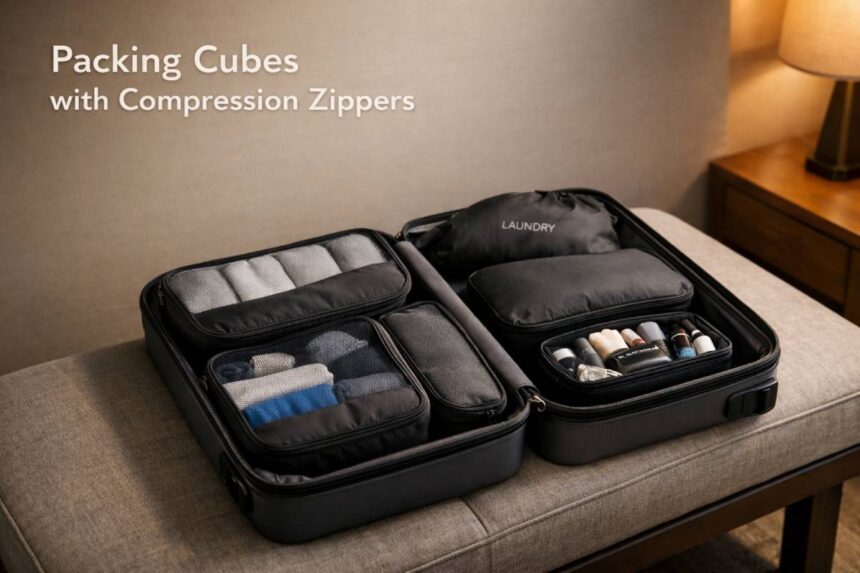
Packing for a trip often feels like a game of suitcase Tetris. Packing cubes with compression zippers give you a real advantage, helping you squeeze out extra air, save space, and keep everything neatly sorted so you can find what you need fast.
If you have ever sat on your suitcase to get it closed or dug through a messy bag for clean socks, compression cubes can change how you travel.



What packing cubes with compression zippers are
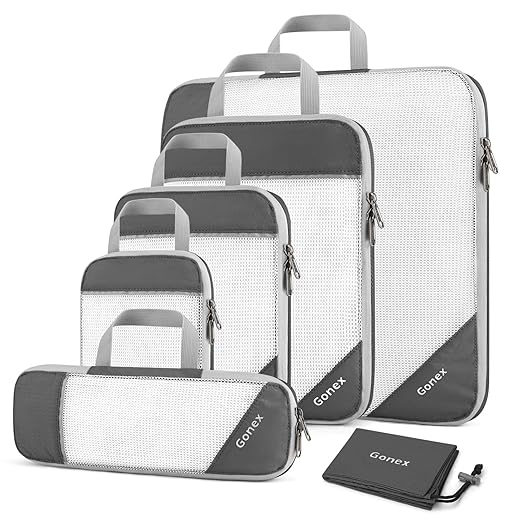
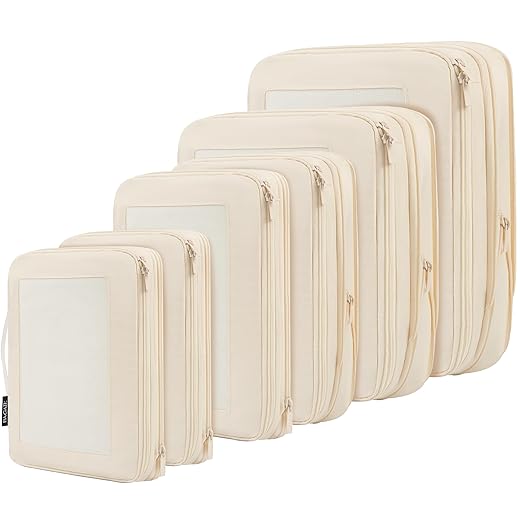
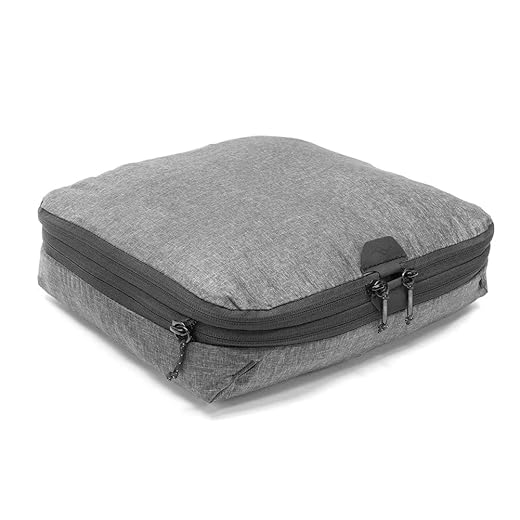
Packing cubes with compression zippers are soft, zippered pouches that organize your clothes and then shrink them down so they take up less room in your bag.
Unlike regular packing cubes, compression cubes have two closure systems:
- A main zipper that closes the cube like a standard pouch
- A second zipper that runs around the edge and tightens the cube, squeezing out excess air and flattening the contents
Travel gear reviewers note that this extra compression zipper is the key difference between regular and compression cubes, because it helps cinch clothing down and save space in your bag.
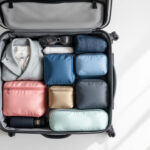
Most compression cubes:
- Are made from lightweight nylon or polyester
- Weigh roughly 3 oz (about 90 g) each
- Come in small, medium, and large sizes so you can mix and match
- Can be used like regular cubes when you do not zip the compression layer
You get the organization benefit of cubes and the space savings of a compression sack in one tool.
How compression zippers actually save space
Compression packing cubes work by removing empty air gaps between your clothes and flattening the entire bundle. When you zip the outer compression layer, the cube tightens around the contents so they occupy less volume.
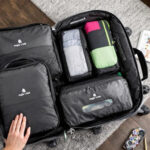
Here is what happens step by step:
- You fold or roll your clothes and fill the cube.
- You close the main zipper so everything is contained.
- You zip the compression zipper all the way around the edge.
- The zipper pulls the top and bottom panels closer together, forcing out excess air and flattening the stack of clothes.
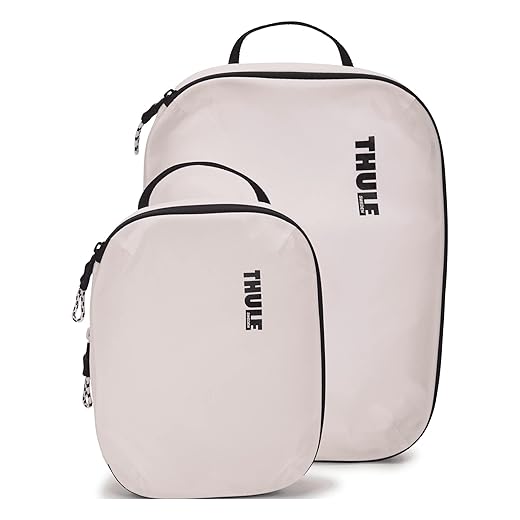
In testing, products like the Thule Compression Cube Set were able to hold 10 pairs of boxer briefs, compressed to about the size of a hardback book, without zipper or seam failure even when packed tightly. That kind of space saving is what makes compression cubes so popular with carry on travelers and backpackers.
The tradeoff is that clothes can wrinkle more because they are pressed firmly together. You will want to balance space savings with how crisp you need your outfits to look.
Benefits for different types of travelers
Your packing style and travel habits will shape how you use packing cubes with compression zippers. The basics are the same, but the priorities change a little if you are a business traveler, backpacker, family traveler, or taking your first international trip.
First time international travelers
If you are getting on a long haul flight for the first time, compression cubes help you:
- Keep outfits together by day or activity, for example arrival outfit, city sightseeing, beach day
- Separate clean and dirty clothes so your suitcase does not become a laundry pile
- Avoid overweight checked bags by fitting more into your carry on
With cubes, you can pull out one category at a time instead of unpacking your entire suitcase in an unfamiliar hotel room.
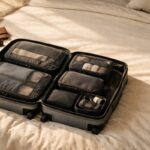
Frequent business travelers
When you live out of a carry on, organization and quick access matter as much as space saving.
Compression cubes help you:
- Assign one cube to workwear, one to casual clothes, and one to gym gear
- Pack more options without checking a bag
- Move between hotel rooms or client sites by grabbing just the cube you need
Harder wearing fabrics like knit tops, chinos, and underlayers do especially well in compression cubes. For more delicate items, some travelers keep a regular cube or garment folder for pressed shirts and use compression cubes for everything else. You can also check out options tailored to specific needs such as packing cubes for carry-on luggage.
Backpackers and digital nomads
If you carry everything on your back, volume is crucial.
Compression cubes are helpful because they:
- Flatten clothes so they fit more easily into a tall backpack
- Create modular blocks that stack cleanly and reduce wasted space
- Work well inside top loading and front loading packs
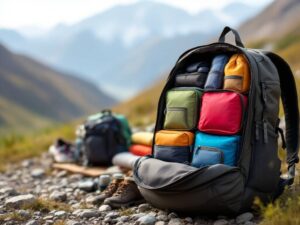
A standard compression cube is roughly 14 x 10 inches (about 35.5 x 25.5 cm). A good rule of thumb is one standard cube for every 10 liters of backpack capacity. So, for a 40 L pack, four standard cubes give you a grid that fills the space efficiently without odd gaps.
For long term or minimalist travel, you might combine compression cubes with more specialized solutions like packing cubes for backpackers and lightweight packing cubes to keep weight down.
Family travelers
When you are packing for multiple people, you are juggling sizes, outfits, and laundry all at once.
Compression cubes can help you:
- Give each family member a color coded cube or set of cubes
- Separate sleepwear, daytime outfits, and swimwear
- Keep dirty laundry in a dedicated compression cube that contains odors
Since compression cubes can double as regular cubes, you can use one for each child’s daily outfits and keep a separate compressed cube just for bulky items like sweatshirts or spare pajamas. For younger kids, you can pair these with packing cubes for kids that are sized and designed with them in mind.
Compression cubes vs regular packing cubes
If you already use standard packing cubes, you might wonder whether you really need compression.
Both types keep you organized. The key differences are space saving, weight distribution, and how much you care about wrinkles.
Here is a quick comparison:
| Feature | Regular packing cubes | Compression packing cubes |
|---|---|---|
| Main purpose | Organization and separation | Organization plus space saving |
| Structure | Single zipper closure | Main zipper plus compression zipper or straps |
| Space saving | Moderate, from grouping items | Higher, from squeezing out excess air |
| Wrinkle risk | Lower, looser packing | Higher, clothes are more tightly compressed |
| Weight of cube | Very light | Slightly heavier but still usually around 3 oz |
| Best for | Short trips, car travel, dressy clothes | Carry on only trips, backpacking, longer travel |
If space is your main concern, or you routinely face strict baggage rules, compression cubes offer real advantages. If you mostly take weekend road trips and care more about wrinkle free outfits, regular cubes may be enough.
If you are deciding between different styles and sets, you can compare options in broader guides like best packing cubes and more detailed packing cube reviews.
Key features to look for
Not all packing cubes with compression zippers are created equal. Since you will be tugging hard on zippers and seams, build quality matters.
Durable zippers and seams
Compression zippers carry more stress than normal zippers because they are tightening a packed cube.
In independent testing, YKK zippers are consistently recommended for their durability and smooth operation. Reviewers caution against cheap plastic zippers that are more prone to failure under strain.
When you shop, look for:
- YKK or other branded zippers called out in the product description
- Clean, reinforced stitching around the zipper tracks
- Double stitching or bar tacks at zipper ends where stress builds
Strong but lightweight fabric
The best compression cubes use durable, abrasion resistant materials like ripstop nylon or heavy duty Cordura. These fabrics resist tearing and are less likely to fail when you push capacity limits.
Gear testers specifically highlight the importance of these fabrics in preventing rips and zipper blowouts when cubes are overstuffed.
At the same time, you want to avoid adding too much weight. Aim for:
- Lightweight ripstop nylon where you care about grams
- Heavier Cordura or thicker polyester if you prioritize toughness over minimal weight
If sustainability is a priority for you, you can also look at options made with recycled materials and compare them with eco friendly packing cubes.
Sensible sizing and shape
Most brands offer small, medium, and large cubes. Since standard compression cubes are around 14 x 10 inches, they are designed to fit well in typical carry on suitcases and travel backpacks.
For a flexible setup, consider:
- Medium cubes for shirts, shorts, and light sweaters
- Small cubes for underwear, socks, and accessories
- Long, narrow cubes to fill corners or slimmer backpacks
A well planned travel packing cubes set can give you a mix of sizes that work across different bags.
Thoughtful extras
Small details can make cubes easier and nicer to use:
- Mesh windows so you can see what is inside at a glance, with tight enough weave to avoid snags
- Grab handles so you can pull cubes out quickly, or opt for packing cubes with handles if that is important to you
- Two way zippers that let you close from either direction
- Label areas or color coding for multi person packing
You are looking for a balance of durability, visibility, and simplicity that works for your own travel style.
How to pack compression cubes step by step
Using compression cubes is not complicated, but a few techniques will help you get the most out of them while avoiding zipper issues.
1. Match your fold to the cube
Start by folding clothes so they roughly match the length and width of the cube. This reduces wasted space and helps your stack stay even.
For example:
- Fold T shirts and thin sweaters to the cube’s width and stack them flat
- Roll soft items like leggings or sleepwear and line them up side by side
- Place bulkier pieces like jeans at the bottom so the cube sits flat
Leaving about 10 percent of the space free at the top makes it easier to close both zippers without fighting them.
2. Close the main zipper first
Always zip the regular, main zipper first. This contains everything and lets you check whether the cube is suitably filled.
If the fabric is loose and floppy, add a light layer or two. If the cube is bulging before compression, remove something. You want a firm but manageable fill, similar to a well packed drawer.
3. Compress without snagging
When you are ready to compress, start the compression zipper at a corner and keep the cube on a flat surface.
To avoid snags:
- Use your thumb and index finger to pull the zipper tab
- Use your middle finger to guide any extra fabric inward as you go
- Keep gentle downward pressure on the cube with your other hand so the contents stay even
Travel testers note that zippers are more likely to catch if cubes are underfilled or if contents are bunched on one side. Keeping an even fill and guiding the fabric as you zip helps everything move smoothly.
If the zipper resists, stop and adjust your clothes or release a bit of volume. Forcing it can stress the zipper teeth or fabric.
4. Stop before overpacking
It is tempting to add “just one more” shirt, but overpacking is the fastest way to damage your cube.
Signs that you have gone too far include:
- Extreme bulging that makes it hard to fold or stack the cube
- A compression zipper that will not move without serious force
- Fabric that looks overly stretched or distorted
Gear reviewers warn that pushing cubes beyond their intent can stretch materials or break zippers, shortening the life of your gear. Leaving a little breathing room helps your cubes last through many trips.
Smart ways to use compression cubes
Once you have a set, you can use packing cubes with compression zippers in more ways than just clothes storage.
Separate clean and dirty items
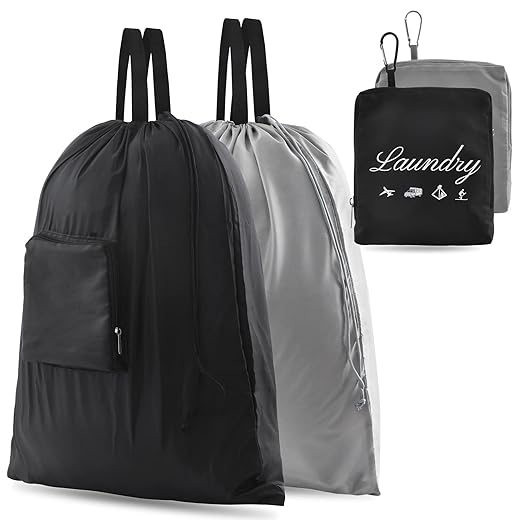
Reserve one cube as your travel laundry bag. As the trip goes on, transfer worn clothes into that cube and compress it to contain odors and save space.
Because many cubes use nylon or polyester, which are often water resistant, they add a little extra protection against damp items, although you will still want a true waterproof bag for really wet gear.
Group outfits by day or activity
If you like not having to think about what to wear, pack complete outfits into individual cubes:
- One cube for travel days
- One for sightseeing
- One for gym or yoga clothes
- One for evenings out
You can also tailor this by person. Many travelers use one color cube per person, or separate systems such as packing cubes for women or packing cubes for kids to keep everything straight when sharing a suitcase.
Protect delicate or bulky items
Compression cubes are excellent for:
- Bulky but soft items like hoodies, sweatpants, and fleeces
- Spare base layers for colder climates
- Towels or sarongs
For more delicate tech gear, look for dedicated packing cubes for electronics that provide extra padding and organization, then use compression cubes for the softer, more forgiving items.
Use them at your destination
Once you arrive, your cubes do not have to stay in your suitcase.
You can:
- Slide cubes straight into hotel drawers to create instant shelves
- Keep nightwear and toiletries in a cube on top of your bag for easy access
- Use a dedicated cube for “plane items” so you can repack quickly for your flight home
Treat your cubes as modular drawers that move with you.
Real world product examples from testing
While you might not buy these exact models, looking at how specific cubes performed in real world testing can help you know what to look for.
Thule Compression Cube Set
In 2024 testing, the Thule Compression Cube Set:
- Used heavy duty compression zippers to flatten clothes effectively
- Held 10 pairs of boxer briefs compressed to the size of a hardback book
- Survived stress tests on zippers and seams without failure
Reviewers praised its durable ripstop nylon and YKK zippers and gave it a strong compression rating, noting that it fit well in most travel backpacks.
This kind of performance shows what well designed compression cubes should handle without tearing or jamming.
Eagle Creek Pack It compression cubes
Eagle Creek’s Pack It compression cubes are another well known example.
They:
- Use a two zipper design, one to close the cube and one to compress
- Come in different sizes, including small and medium cubes that work well in duffles, carry ons, and checked bags
- Focus on durable materials and long term reliability
Travelers often choose these cubes to navigate tight carry on limits or to pack efficiently for both short and extended trips. They highlight how compression cubes can serve as a dependable part of your core travel kit.
Other styles and tradeoffs
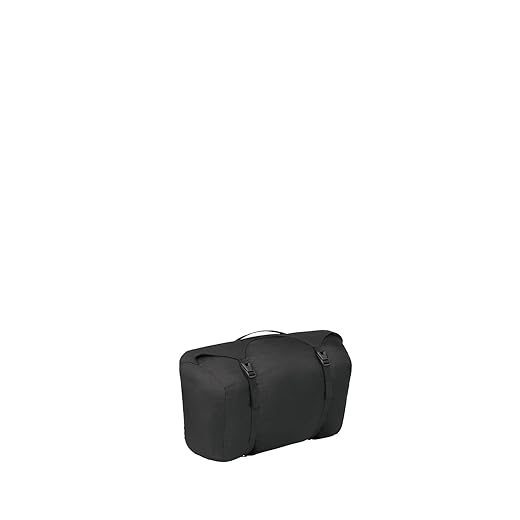
Not every product uses a zipper to compress. For example, the Osprey StraightJacket Compression Sack uses two buckles instead of zippers and earned a high compression rating for space saving, although it is less organized for sorting clothes.
Budget sets, such as options around $30 for four cubes, may work well at first, but testers sometimes report non branded zippers catching on internal liners or raising questions about long term durability. Reading detailed packing cube reviews can help you decide whether to prioritize price, compression strength, or longevity.
Avoiding common mistakes
A few simple habits will help you get all the benefits of compression cubes without the frustration.
Do not rely on cubes to fix overpacking
Compression cubes can make it easier to add extra items, but your suitcase still has a fixed weight limit. Since cubes have their own weight, even if it is small, you might unintentionally pack more than you can comfortably carry.
If you notice yourself using every cube to the max, do a quick edit and remove items you rarely wear. You can also shift some of your system to affordable packing cubes or ultra lightweight packing cubes to keep the overall load manageable.
Be gentle with zippers and fabric
If the compression zipper will not move, forcing it can:
- Strip zipper teeth
- Break the slider
- Tear the seams or outer fabric
A useful trick when a zipper feels stubborn is to run your finger along the center of the cube’s side to create a small indentation in the fabric. This takes tension off the zipper path and often lets it close more smoothly.
If snags are frequent, check whether the cube is underfilled or whether fabric edges are getting folded into the zipper track.
Store cubes properly between trips
After each trip:
- Empty your cubes and let them air out.
- Spot clean any spills or dirt with a mild soap solution if needed.
- Store them uncompressed so the fabric can relax and the zippers stay unstressed.
Good care helps any packing tool last longer, especially items with moving parts like zippers and buckles.
Choosing the right set for you
Your ideal setup depends on how you travel, how much you carry, and how often you are on the move.
You might:
- Build a small system of 2 to 3 compression cubes for a personal item and carry on combination
- Combine one compression set with regular packing cubes for women or uncompressed cubes for wrinkle prone clothes
- Opt for a larger travel packing cubes set if you share luggage with family or move between climates frequently
If you prioritize sustainability, you can mix compression options with eco-friendly packing cubes that match your values. If budget is your main concern, browsing affordable packing cubes and focusing on one or two compression cubes for your bulkiest items might be enough.
You do not need a perfect system on day one. Start with a couple of cubes, pay attention to what works for you on your next trip, and refine from there.
Final thoughts
Packing cubes with compression zippers are a simple upgrade that can make travel feel calmer and more controlled. You get:
- Extra space from compressed clothing
- Clear categories so you can find what you need fast
- Flexible options for everything from solo backpacking to family trips
Try using one compression cube on your next journey for your bulkiest items, such as hoodies or jeans, and see how much space it frees up in your bag. From there, you can decide whether expanding your collection, exploring packing cubes for backpackers, or sticking with a small, focused set is the right fit for the way you travel.
FAQs
Do compression packing cubes actually save space?
Yes—by tightening the cube and reducing empty air gaps between layers, they can reduce bulk compared to standard cubes, especially for soft items.
Will compression cubes wrinkle my clothes?
They can. Compression applies pressure, which is great for space saving but can crease dress shirts and delicate fabrics.
What’s the difference between compression cubes and vacuum bags?
Compression cubes compress mechanically (zip/strap), while vacuum bags remove air more aggressively. Cubes are faster to access and better for daily organization.
Are YKK zippers worth paying for?
Often, yes—compression zippers face higher stress, and YKK is widely cited as a reliability signal in luggage hardware discussions.
How many packing cubes do I need for a carry-on?
Most travelers do well with 3–5 cubes: 1 medium for tops, 1 medium for bottoms, 1 small for underwear/socks, plus a laundry/odds cube.
Can I use compression cubes in a backpack?
Absolutely. They create stackable “blocks” and can reduce dead space in tall packs (especially clamshell backpacks).
What should I pack in compression cubes vs regular cubes?
Use compression cubes for bulky soft items (hoodies, knits, activewear). Use regular cubes/garment folders for wrinkle-prone pieces.
How do I stop the compression zipper from snagging?
Pack evenly, compress on a flat surface, and guide fabric inward as you zip. If it resists, stop and redistribute—don’t force it.