
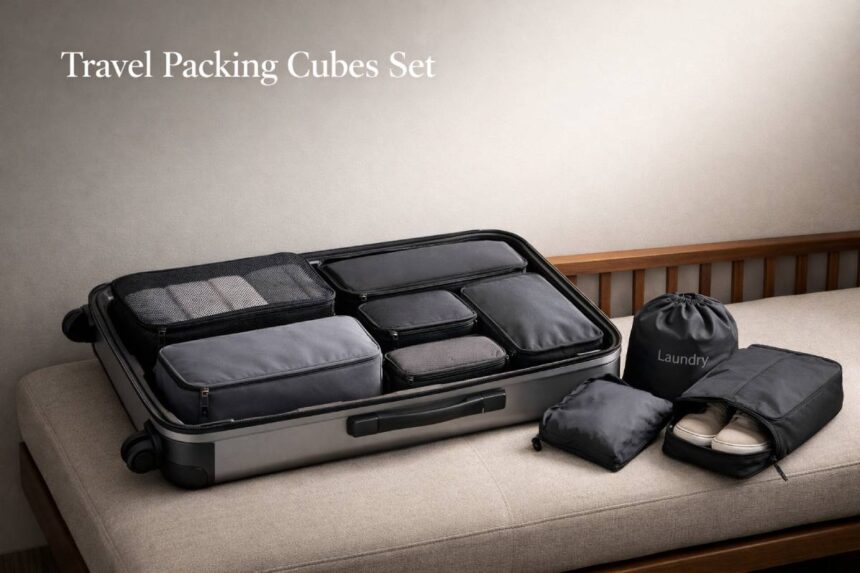
A travel packing cubes set can turn chaotic packing into a simple, repeatable routine. Instead of sitting on your suitcase to zip it shut, you sort your clothes and gear into neat, labeled pouches that slide into your luggage like Tetris pieces. With the right set, you pack faster, find what you need in seconds, and arrive with fewer wrinkles and less stress.
This guide walks you through how a travel packing cubes set works, who benefits most, which features matter, and how to actually use cubes for different types of trips. By the end, you will know exactly what to look for before you buy and how to put every cube in your set to work.
Understand what a travel packing cubes set actually does
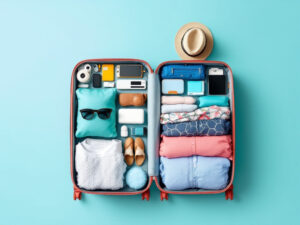
A travel packing cubes set usually includes several fabric pouches in different sizes that fit together inside your suitcase, backpack, or duffel. Each cube holds a category of items so your bag stays organized from day one to your return flight.
As Shannon from A Little Adrift explains, travel packing cubes are typically rectangular or square containers made from lightweight materials like nylon or polyester that help you pack clothes and gear more efficiently inside your luggage. Think of them as drawers inside your suitcase.
Instead of stuffing everything into one big compartment, you might dedicate:
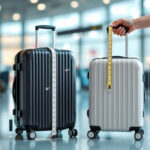
- One medium cube for tops
- One large cube for pants and dresses
- One slim cube for underwear and socks
- One small cube for chargers or toiletries
You zip each up, then stack or line them up. Nothing floats loose, and nothing explodes out when you open your bag in a tight hotel room or hostel dorm.
See how packing cubes reduce stress on every trip
Travel stress usually shows up in the same ways. You cannot find what you need, your clothes are wrinkled, your bag feels overfull, and repacking between stops is a chore. A travel packing cubes set calms each of those pain points.
Faster packing and unpacking
With cubes, you are not starting from scratch every trip. Once you build a simple system, you repeat it.
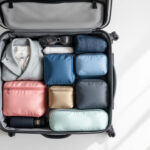
You might always use:
- Large cube for bottoms
- Medium cube for tops
- Small cube for underwear and sleepwear
- Flat cube for work documents or tech
When it is time to pack, you simply fill each cube instead of making a new layout in your suitcase.
On arrival, you can lift each cube into drawers or onto a shelf. No need to fully unpack if you are only staying a night. When you move to your next stop, cubes go straight back into your suitcase in seconds.
Easier access while you travel
Packing cubes make it simple to find specific items without digging through your entire bag. Travelers often group items so they can grab what they need quickly:
- Airport outfit and an extra sweater in one cube
- Gym clothes in another
- Sleepwear and a fresh t-shirt in a small cube near the top
Travel guides highlight that packing cubes help you group similar items, like pants, tops, and socks, so you can find clothing without unpacking the entire suitcase. That means fewer frustrated searches and less mess on hotel floors.
Better use of luggage space
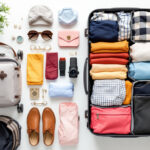
Because cubes are rectangular and flexible, they fit together efficiently. Carl Friedrik describes packing cubes as rectangular pouches that fit into luggage like Tetris pieces and save meaningful space.
Many sets take this further with compression features. Compression packing cubes have a second zipper that presses down the contents once you close the main zip. This helps you fit more clothing, especially bulky items, into the same space. Guides on packing cubes note that compression cubes are especially useful for bulkier clothing, although they can wrinkle items like sweaters and strain zippers if overfilled.
If you know you are an overpacker, a set that includes compression packing cubes or packing cubes with compression zippers can be a simple way to buy yourself extra room.
Less wrinkling and cleaner clothes
When clothes are jammed loosely into a bag, they twist, crease, and pick up dirt from shoes or toiletries. Packing cubes help your clothes stay folded or rolled and separated into clear categories.
Travel guides point out that using cubes keeps clothes less wrinkled and cleaner, because garments are protected from shoes, toiletry leaks, and general suitcase friction. Many travelers also keep a dedicated cube for dirty clothes, so clean and worn items never mix.
If you care about keeping dress shirts or office outfits crisp, look for packing cubes for clothes in structured or compression styles that hold folds in place.
More control for multi-stop or family trips
If your itinerary includes several cities or if you are packing for multiple people, the real magic is not just space. It is control.
You can:
- Assign a cube color to each family member so kids know exactly where their clothes are
- Use one cube per destination or climate section, such as beachwear in one, workwear in another
- Keep a grab-and-go “overnight” cube at the top of your bag for late arrivals
This turns repacking from a full-room project into a quick shuffle of cubes.
Choose the right type of travel packing cubes set
Not all sets are built for the same traveler. Some prioritize durability and structure, others aim to be as light as possible. Understanding the main types helps you avoid buying cubes that do not fit your style of travel.
Regular vs compression packing cubes
A basic travel packing cubes set includes standard cubes that zip shut but do not compress. These are ideal if you:
- Want clear organization without overstuffing
- Care more about keeping items separated than shrinking volume
- Prefer less pressure on zippers and seams for long-term durability
Compression cubes have an extra zipper to tighten everything after you close the main compartment. Comparisons of compression designs note that this added zipper can squeeze contents down effectively, especially for bulkier clothing, although it is not ideal for delicate knits and can stress zippers if overfilled.
If you are a chronic overpacker, fly with only a carry-on, or pack for long trips, a hybrid set that mixes standard cubes and a few compression pieces gives you flexibility.
Ultralight vs more structured cubes
Ultralight cubes use low denier fabrics like 30D or 40D ripstop nylon. They barely add weight and pack nearly flat when not in use. Testing shows that ultralight cubes with ripstop reinforcement offer solid tear resistance and save weight, although they provide less structure and can allow clothing to crease more easily.
More structured cubes use slightly heavier fabrics or reinforced panels. They hold a boxy shape and can act like soft drawers in your suitcase. They are great if:
- You like your bag to stay neatly segmented
- You often travel with fragile items, like camera gear, around your clothes
- You prefer a tidier look when you open your luggage
Backpackers and digital nomads usually favor lighter options. Business travelers and families might appreciate the structure.
Sustainable and eco friendly options
If you want to reduce waste, look for eco friendly packing cubes made from recycled fabrics or remnant materials.
For example:
- The Eagle Creek Pack-It Reveal Cube Set was relaunched in 2024 with 100 percent recycled fabric and improved water repellency. Testers found it durable enough for organizing up to a week of clothing with no zipper or mesh issues over the years of monthly travel.
- The Cotopaxi Cubo Packing Travel Bundle Del Día uses repurposed remnant fabrics in bright, one-of-a-kind color combinations and is produced by a Certified B Corp. It combines durability with a cheerful look and a sustainability focus.
Carl Friedrik also offers a set of four travel packing cubes made from recycled PET sourced from plastic bottles, with mesh tops and nylon zippers, designed to hold socks, shoes, shirts, and other essentials, and pair well with their luggage.
If you care about both function and footprint, these kinds of sets give you long-lasting organization with less environmental impact.
Know the key features that actually matter
Once you start shopping, you will see endless specs. To avoid overwhelm, focus on a few details that make the biggest difference in daily use.
Fabric and durability
Most quality travel packing cubes sets use nylon or polyester, often with ripstop reinforcement to prevent small tears spreading. Good sets balance light weight with strength.
Some standouts from testing include:
- Eagle Creek Pack-It Isolate cubes, made from 100 percent recycled 70D ripstop nylon that is lightweight, stronger than many basic fabrics, and water-resistant. They offer sizes from extra small to laundry bag, and their paracord zipper pulls are easy to grip in travel scenarios.
- Osprey Ultralight Packing Cube Set, made from bluesign approved recycled 40D ripstop nylon. This set covers small, medium, and large sizes and is durable and budget-friendly for warm weather weeks of clothing.
Ultralight materials make sense for backpacking and carry-on only trips. For rougher travel, like camping or rugged road trips, more robust cubes like the Patagonia Black Hole Cube, which uses recycled polyester ripstop with a weather resistant TPU-film laminate and corrosion resistant zippers, can be ideal for bulkier items and tougher conditions.
Zippers and pulls
Zippers are what fail first on cheap cubes. Reliable brands often use YKK zippers in size three to five range, with dual sliders so you can open from either side and still use the cube if one slider breaks.
Dual zippers and easy-to-grab pulls make a big difference in a crowded overhead bin or dark hostel. Some sets, like the Eagle Creek Pack-It Isolate cubes, use paracord zipper pulls that are comfortable to grab even with cold or tired hands.
If you want backup and flexibility, consider packing cubes with handles. Handles make it simple to grab one cube and carry it like a mini bag to the bathroom or a shared changing area.
Mesh panels, visibility, and separation
Mesh tops let you see what is inside at a glance. This is helpful when several cubes are the same size and color. Key features identified in travel guides include mesh or transparent tops for easy visibility, dual zipper compression systems, and internal splits to separate clean and dirty clothes.
Some cubes, such as Peak Design Packing Cubes, include a separate compartment for dirty clothing. Their stretchy, self-healing 70D nylon and polyester blend helps with compression and can even recover from small punctures over time.
If you like clear separation between clean and worn clothes, a set with split compartments or an included laundry cube is worth seeking out.
Water resistance
You do not need waterproof cubes for everything, but some level of water resistance can protect your clothes from light spills or damp environments. Ultralight and performance oriented sets often use water resistant coatings so they repel splashes and light rain.
If you frequently deal with wet swimsuits, gym clothes, or toiletries, a dedicated set of waterproof packing cubes or at least highly water resistant pouches will protect the rest of your things.
Pick the right sizes and configuration for your trips
A travel packing cubes set is not just about quality. The mix of sizes needs to match the way you travel.
Typical cubes in a set
Most sets include a combination like:
- 1 extra-large cube for bulky items or outerwear
- 1 or 2 large cubes for pants, dresses, or sweaters
- 1 or 2 medium cubes for tops and lighter layers
- 1 or 2 small cubes for underwear, socks, or accessories
Some sets add a laundry bag or shoe bag.
Brands such as Shacke Pak offer five piece sets including extra large to small cubes plus a laundry bag, which testers found effective for organizing trips up to 14 days while staying durable and easy to use after repeated journeys.
If you use a carry-on suitcase, focus on two or three cubes that fit the footprint of your bag. For a backpack, opt for a few narrower cubes that fit the depth and curve of your pack, like those featured in packing cubes for backpacking.
Small cubes and specialty uses
Small packing cubes are some of the most versatile pieces in any set. You can use them for:
- Underwear and socks
- Charging cables and adapters
- Snacks or medication
- Swimwear or gym clothes
There are also narrower or tube-shaped cubes that fit shoes, which you can explore in more detail in guides on packing cubes for shoes. Shoe cubes keep dirt away from your clothes and can also store flip flops or slippers.
For grooming and hygiene, packing cubes for toiletries provide extra water resistance, pockets for small items, and easy grab handles for bathroom runs.
Matching cubes to the traveler
You do not have to share one style of cube across the entire family.
- Adults with business travel might benefit from more structured cubes and dedicated packing cubes for men that fit suits, shirts, and gym clothes.
- Families can assign colors and sizes from sets like Gonex Compression Packing Cubes, which include several large cubes suitable for couples or kids and feature water resistant nylon that repels light splashes, handles, and multiple size options.
- Parents can simplify kids’ trips with packing cubes for kids. Pack outfits by day so children can just grab “Monday” without hunting for missing socks.
If you camp or stay in cabins, packing cubes for camping and rugged models like the Patagonia Black Hole Cube are especially useful. They handle rough surfaces, damp tents, and repeated shuffling in and out of vehicles.
Learn how different travelers actually use packing cubes
A travel packing cubes set works a little differently for each type of traveler. Adjust the mix and packing method to match your itinerary.
First-time international travelers
If you are preparing for your first long-haul trip, a cube system can save you from the usual rookie mistakes, like overpacking random “just in case” items or losing track of important documents.
You might try:
- One large cube for bottoms
- One medium cube for tops
- One small cube for underwear and sleepwear
- One slim pouch for chargers, adapters, and a spare set of clothes for longer flights
Budget-friendly options, like Shacke Pak five cube sets or Gonex Compression Packing Cubes, have tested well for durability and are usually enough to cover trips up to two weeks without overcomplicating things.
Frequent business travelers
If you fly often for work, you probably rely on a carry-on and need your bag to function like a mobile closet and office.
A simple setup might be:
- Structured cube for shirts and blouses, folded in a consistent pattern
- Slim compression cube for slacks or skirts
- Small cube for workout clothes
- Flat cube for undergarments and socks
- Cable and tech cube for chargers, adapters, and a compact keyboard or mouse
High quality sets like the Eagle Creek Pack-It Reveal or Isolate lines have been tested over years of monthly use without zipper or mesh failures, making them reliable for frequent travel.
You can also consult roundups of the best packing cubes and in-depth packing cube reviews to see what other frequent flyers find dependable.
Backpackers and digital nomads
If you carry everything on your back, every ounce and inch matters. Ultralight and compressible cubes are your friends.
For this style of travel:
- Use two or three ultralight cubes that match your pack’s footprint rather than a full bulky set
- Pick water resistant fabrics so your clothes stay drier in sudden rain
- Use a dedicated tech cube or small pouch for cables and adapters
- Consider split cubes that separate clean and dirty clothing without a separate bag
Ultralight cubes, like those in the Eagle Creek Isolate or Osprey Ultralight sets, use low denier ripstop nylon to balance toughness and weight. According to testing, these materials are strong and water resistant while remaining light and packable, although you will get less structure.
If you mostly move between hostels, coliving spaces, and buses, you can also look into packing cubes for backpacking that are designed to slide into common pack shapes.
Families and group travel
Packing cubes can transform family packing from a dreaded puzzle into a simple bookkeeping exercise.
One effective method is:
- Assign one color or pattern per family member
- Use one cube per person for tops and one cube for bottoms
- Keep a shared cube for pajamas and another for swimwear
- Use a labeled compression cube as a shared dirty laundry bag
Family focused sets like Shacke Pak or Gonex Compression Packing Cubes have sizes large enough to share, with handles for kids to grab and carry. Testers found that these larger sets help organize clothing for up to 14 days and stand up well to repeated trips.
When you use cubes this way, every hotel or Airbnb stop turns into a quick distribution, not an unpacking event.
Learn simple packing methods that work with cubes
Even the best travel packing cubes set will not help if you throw things in randomly. Combine your cubes with a simple folding or rolling approach.
Roll vs fold
Rolling is great for casual clothes like t-shirts, leggings, and lightweight pants. It helps reduce wrinkles and makes it easy to see each item side by side inside a cube.
Folding works better for structured office wear, button-down shirts, or anything that needs a crisp look. For work clothes, fold along seams, stack shirts together in a cube, and do not overfill so the fabric is not crushed.
Many travelers use a mix:
- Roll soft items into one cube
- Fold stiffer garments into another
Use compression cubes for rolled items, which can tolerate more squishing, and regular cubes for folded pieces.
Pack by outfit or by category
You have two main strategies:
- By category. All shirts in one cube, all pants in another, underwear and socks in a small cube. This makes sense for trips with changing weather because you can easily adjust daily outfits.
- By outfit. Pack one or two full outfits per cube. This works very well for kids or very short trips where you know each day’s plan.
If your travel is fast paced with several one or two night stops, outfit-based packing can save a lot of time in the morning. For longer stays in one place, category-based cubes are more flexible.
Use compression thoughtfully
Compression cubes are tempting because they create more space, but it helps to use them strategically.
You might compress:
- Bulky but not delicate items, like jeans, hoodies, or puffer vests
- Clothing you will not need until later in the trip
- Spare outfits that are truly “just in case”
Avoid heavy compression for:
- Linen, tailored items, or sweaters that wrinkle or can get misshapen
- Items you need on arrival, such as your first day’s outfit
Some testing found that cubes like BAGSMART Blast Compression and Thule Compression Cubes can significantly reduce depth, often by about a third, but they work best when not completely overstuffed so zippers are not overstressed. Budget friendly compression options like Gonex cubes offer good value but may have slightly less robust zippers, so gentle use is smart.
Match your cubes to different bag types
The same travel packing cubes set can work differently depending on the luggage you use.
Hard-shell and soft-sided suitcases
For rolling suitcases, especially hard-shell cases with a clamshell design, it helps to:
- Fill one side with cubes for clothing
- Use the other side for shoes, toiletries, and bulkier items, with one or two cubes to tame smaller pieces
Compression cubes shine here. You can zip down soft items on one side of the case and leave the other side for structured or fragile pieces.
Travel backpacks
Backpacks benefit from slim or rectangular cubes that match the depth of the pack. Aim for:
- One long cube at the bottom for less frequently needed clothes
- One or two mid-sized cubes stacked above for daily wear
- A small cube on top for sleepwear or a change of clothes for long travel days
This helps you avoid unpacking your entire backpack when you only need one item.
Duffels and weekender bags
Duffels become infinitely more manageable with cubes. The key is to create layers:
- Pack two or three cubes as a base
- Fill gaps with shoes or a toiletry bag
- Place a small cube with essentials on top for quick access
Because duffels are floppy, slightly more structured cubes can make it easier to zip everything closed and keep the bag from collapsing.
Decide what to buy in your first travel packing cubes set
If this is your first time buying cubes, you do not have to get every variation at once. Start with a small but flexible set.
A solid first set usually includes:
- 1 large cube
- 2 medium cubes
- 1 or 2 small cubes
- Optional laundry bag or shoe bag
You can expand later with specialty cubes, such as dedicated packing cubes for shoes or a more rugged piece for packing cubes for camping.
When you compare options, check:
- Materials. Look for ripstop nylon or polyester and, if important to you, recycled fabrics highlighted in eco friendly packing cubes.
- Zippers. YKK or similarly rated zippers in size three to five, with dual pulls.
- Weight. Ultralight if you carry everything on your back, slightly heavier but more structured if you travel with a suitcase.
- Layout. Mix of sizes that matches your usual trip length and bag size.
- Reviews. Browse packing cube reviews so you can see real feedback from travelers like you.
If you know you always travel carry-on only, take a look at compression packing cubes and packing cubes with compression zippers to get more outfits into the same bag.
Quick rule of thumb: choose your cubes to match your longest typical trip, not your rare once-in-a-decade expedition. You can always add a second set later if your travel style changes.
Put your travel packing cubes set to work on your next trip
The first time you use a travel packing cubes set, give yourself an extra 10 minutes to experiment. Try different combinations of rolling and folding, and test how the cubes fit in your luggage. After a trip or two, the routine will become almost automatic.
With a few well chosen cubes, you will:
- Pack and repack faster
- Spend less time digging through your bag
- Keep clothes cleaner and less wrinkled
- Make family or multi-stop trips feel less chaotic
Start with a simple set that fits your main bag and travel style. As you get used to cubes and see what works best, you can add more specialized pieces, like small packing cubes, packing cubes for toiletries, or rugged options for packing cubes for backpacking.
Your next trip does not have to start with a stressful packing session. With the right travel packing cubes set, you simply fill your cubes, slide them into place, and zip up your bag.
FAQs
Do packing cubes really save space, or just organize?
They do both. Standard cubes mainly organize, while compression cubes can reduce volume for soft/bulky clothing—especially helpful for carry-on travel.
Are compression packing cubes worth it for carry-on only?
Yes, if you pack layers (hoodies, jeans) or tend to overpack. Use compression for sturdy items and avoid crushing delicate knits or “first-day” outfits.
Will packing cubes reduce wrinkles?
They can help by keeping folds stable and preventing items from shifting. Pair cubes with smart rolling/folding and avoid overstuffing. (Rolling + cubes is a common recommended combo.)
What sizes should a first travel packing cubes set include?
A great starter mix is 1 large + 2 medium + 1–2 small, plus an optional laundry/shoe bag. This covers most 3–10 day trips without overcomplicating.
Mesh-top or solid cubes—what’s better?
Mesh-top cubes are better for speed: you can spot items instantly. Solid tops offer more privacy and slightly more “structure” depending on the build.
Which type is best for backpacks and digital nomads?
Go ultralight and right-sized to your pack footprint (fewer cubes, better fit). Prioritize low weight, simple shapes, and quick access.
How do I keep clean and dirty clothes separated?
Either pack a dedicated laundry cube/bag or choose a cube with a divider that splits clean vs. dirty sections.






 for any trip.)