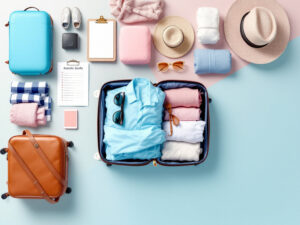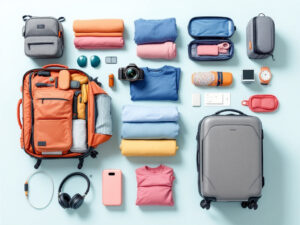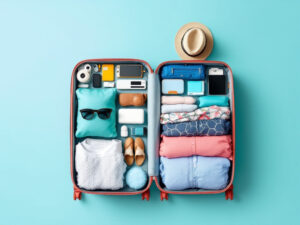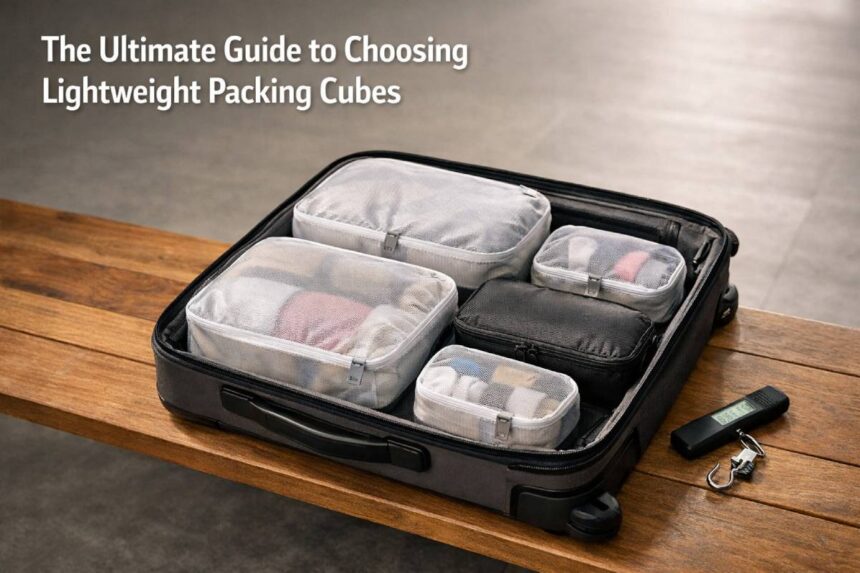
A good set of lightweight packing cubes can make your bag feel bigger, your outfits easier to find, and your travel days a lot less stressful. The trick is knowing which cubes actually earn their space and which ones just add extra ounces.
This guide walks you through how to choose lightweight packing cubes that fit your style of travel, from first-time international trips to long-term backpacking.
Understand what lightweight packing cubes do
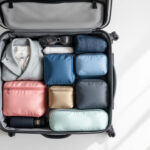
Lightweight packing cubes are soft organizers that keep your clothes and gear sorted inside your suitcase or backpack, without adding much weight. Most are made from thin but durable nylon or polyester, often with ripstop reinforcement to prevent tears.
You might already know you want lightweight cubes, but it helps to be clear on what they can and cannot do for you.
What lightweight cubes are great for
Lightweight packing cubes shine when you want to:
- Keep clothes neatly grouped, for example tops in one cube, pants in another
- Pull out only what you need, instead of digging through your entire bag
- See at a glance where everything is, especially with translucent fabric
- Transfer outfits straight from suitcase to drawer or shelf
- Minimize bag weight, especially if you fly carry on only or travel with a backpack
Ultralight options like Eagle Creek’s Pack It Isolate cubes use thin 70 denier ripstop nylon that is water resistant and semi translucent, so you can identify contents without mesh, while keeping the cube weight as low as about 1.3 ounces for their largest size as of 2024, according to Eagle Creek’s product details.
What lightweight cubes are not so good at
Lightweight cubes are not magic space creators. They help you pack more efficiently, but they do not reduce volume on their own unless they are compression cubes.
They can also:
- Crease clothes more, because the fabric has less structure
- Feel flimsier to the touch compared to heavier, boxy cubes
- Puncture more easily if you pack sharp objects or overstuff them
If you want both organization and serious space saving, you might look at compression packing cubes or cubes with compression zippers, which we will cover later.
Decide if lightweight cubes are right for your trip
Before you compare fabrics and features, think about how you travel. Your ideal lightweight packing cubes will look very different if you are backpacking through Southeast Asia, attending a week of conferences, or packing for a family of four.
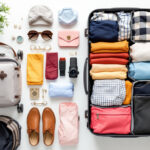
For first time international travelers
If this is your first big trip overseas, you probably want three things from your packing cubes: simplicity, reliability, and light weight.
You will do well with:
- A basic three piece set in small, medium, and large
- Semi translucent or mesh panels so you can see what is inside
- Water resistant fabric to protect clothes from minor spills
The Eagle Creek Pack It Isolate Cube Set is a good example of this style. It uses 100 percent recycled, 70 denier ripstop nylon that is lightweight, water resistant, and guaranteed for life, and the entire set squishes down to the size of an ankle sock when empty as of 2024. This kind of set gives you organization without a steep learning curve.
You can pair these with packing cubes for clothes and packing cubes for toiletries if you prefer more dedicated organizers.
For frequent business travelers
If you travel frequently for work and rely on a carry on, you likely care about:
- Keeping shirts and trousers presentable
- Separating workwear from casual clothes
- Moving fast through security and hotel check in
A mix of lightweight standard cubes and one or two compression cubes works well here. Lightweight cubes keep your daily outfits separated, while compression cubes help you fit workout gear, underlayers, or casual clothes into tight spaces.
Cubed sets with clamshell openings and quality zippers, such as Peak Design’s packing cubes made from self healing 70 denier nylon and polyester, make it easier to access a single shirt without exploding your entire bag. These also offer separate compartments for clean and dirty laundry, which is useful on multi day trips.
For backpackers and digital nomads
If you carry everything on your back, every gram matters. Ultralight packing cubes are your friend.
Look for:
- Low denier fabrics like 30D or 40D nylon with ripstop reinforcement
- Minimal hardware and slim, non bulky zippers
- A size that matches the width of your backpack to avoid wasted space
The Osprey Ultralight Packing Cube Set uses bluesign approved recycled 40D ripstop nylon, has two zippers per cube for easy closing even when overpacked, and fits about a week of warm weather gear efficiently. For even more weight savings, Zpacks packing cubes use Dyneema Composite Fabric and weigh as little as 0.6 ounces for their smallest size while remaining waterproof and extremely strong, thanks to bio based Dyneema fibers made from renewable feedstock.
If you are heading into the backcountry or living from a single backpack, you might also want to explore packing cubes for backpacking and packing cubes for camping.
For family travelers
When you pack for multiple people, chaos is your main enemy. Lightweight cubes help you separate everyone’s gear without making suitcases too heavy.
In this case you might:
- Assign a color and cube size to each person
- Use large ultralight cubes as “drawers” for kids’ outfits
- Add a dedicated cube for shared items like pajamas or swimwear
You can organize by person or by category, and smaller sets like packing cubes for kids make it easier for children to manage their own clothes. Handles become particularly helpful here because you can hand each child their cube directly.
Know the materials and why they matter
The fabric and construction of your lightweight packing cubes play a big role in durability and performance. Understanding a few key terms helps you compare options confidently.
Nylon vs polyester vs Dyneema
Most lightweight packing cubes use one of three materials:
- Nylon is common for ultralight travel gear. The denier rating, such as 30D, 40D, or 70D, tells you how thick the fibers are. Lower numbers mean lighter but usually less structured fabric. Many ultralight cubes use ripstop nylon with a grid pattern that helps stop tears from spreading.
- Polyester can be a bit less stretchy and is often used in blends or for cubes that prioritize water resistance and colorfastness. Eagle Creek’s Pack It Isolate line uses lightweight polyester ripstop that is water resistant, washable, and durable.
- Dyneema Composite Fabric (DCF) is found in premium ultralight gear. Zpacks uses bio based Dyneema fibers in their cubes, which are extremely strong for their weight, waterproof without extra coatings, and do not stretch. The fabric’s membrane is thicker in their 1 ounce per square yard version to improve abrasion resistance.
For most travelers, ripstop nylon or polyester offers the best balance of price, weight, and strength. Dyneema cubes are ideal if you are ultralight focused and comfortable paying more.
Features that keep weight low
When you compare lightweight cubes, pay attention to details that reduce bulk:
- Thin, strong fabric instead of heavy canvas
- Simple pull tabs or paracord zipper pulls instead of rigid plastic handles
- Minimal internal padding since structure adds weight
- Mesh panels only where needed rather than all over
Ultralight cubes like Osprey’s and Eagle Creek’s Isolate series place fabric weight and ripstop construction front and center, while keeping extras to a minimum.
Compare standard vs compression lightweight cubes
You will see two main styles when you browse lightweight packing cubes: standard cubes and compression cubes. Both can be made from lightweight materials, but they behave differently.
Standard lightweight packing cubes
Standard cubes have one set of walls and a zipper around the top. They keep your clothes grouped and tidy, and they are usually the lightest option.
These are best when you:
- Want to avoid wrinkles as much as possible
- Frequently repack or rearrange clothes during your trip
- Care more about organization than maximum compression
Eagle Creek’s Pack It Isolate cubes and many small packing cubes fall into this category. Their focus is on simplicity and keeping your bag sorted.
Lightweight compression packing cubes
Compression cubes add a second zipper track around the outside. After you zip them closed normally, you run the compression zipper to “squeeze” the cube thinner.
Brands like Peak Design, Gonex, Eagle Creek, and Thule all offer compression cubes that emphasize both light weight and space savings:
- Peak Design Packing Cubes use a stretchy, self healing 70D nylon polyester blend, YKK zippers, and clamshell openings, with separate sections for dirty clothes. They scored a compression rating of about 6 in practical tests.
- Gonex Compression Packing Cubes use lightweight nylon with SBS zippers and water resistant fabric. They are budget-friendly and come as a four piece set, although the very light material can bulge when fully packed, giving them a moderate compression rating around 5.
- Eagle Creek Pack It Isolate Compression Cubes use 100 percent ocean recycled fabrics and offer a solid compression rating of 6, while staying very light and slightly translucent.
- Thule Compression Cubes are made from ripstop nylon that feels light but tough. With YKK zippers and a sleek design, they reached a compression rating of 7 in tests, making them one of the stronger options.
Compression cubes really shine with softer items like t shirts, underwear, or synthetic layers. They are less ideal for thick sweaters or delicate fabrics, which can wrinkle or even damage if you over compress them.
If you are curious about how different options compare, you can also review compression packing cubes and packing cubes with compression zippers for more detail.
Choose the right sizes and shapes
Even the lightest cube will frustrate you if it does not fit your bag or your packing style. A little planning goes a long way here.
Match cube sizes to what you pack
Think about what you bring on a typical trip:
- Large cubes are best for bulkier clothes like jeans, hoodies, or multiple outfits for longer trips.
- Medium cubes handle t shirts, shorts, and everyday outfits well.
- Small and extra small cubes shine for underwear, socks, swimwear, or small accessories.
This is where sets like Eagle Creek’s Pack It Isolate, which range from extra small cubes to laundry bags, become useful. You can mix and match to cover everything from a weekend city break to an extended stay.
If you tend to travel light, reading through best packing cubes or packing cube reviews can help you see how other travelers combine sizes.
Consider shape and layout
Beyond size, the footprint of the cube matters.
You might prefer:
- Rectangular cubes that align neatly inside rolling luggage
- Slim cubes that fill gaps along the sides of a suitcase or in a backpack
- Taller cubes or sacks like Osprey’s StraightJacket compression sacks, which cinch vertically and fit well in trekking packs
The Osprey StraightJacket Compression Sack, for example, uses bluesign approved 40D high tenacity nylon and straps that compress the sack tightly. In tests from New York City to Michigan’s Keweenaw Peninsula it scored a compressibility rating of 7 while staying very lightweight.
If you travel with specific gear like shoes or toiletries, purpose-built options such as packing cubes for shoes and packing cubes for toiletries can fit awkward items more efficiently than general cubes.
Pay attention to weight, durability, and zippers
Lightweight packing cubes should still feel trustworthy. You do not want zippers failing the night before a flight or fabric tearing on a road trip.
Balancing weight and toughness
Ultralight materials always involve some give and take. Here is how to evaluate that balance:
- Lower denier fabrics like 30D and 40D nylon are very light but less structured. They can crease clothes more yet keep your bag weight down.
- Slightly heavier 70D ripstop nylon, like in Eagle Creek’s updated Isolate Cube Set, offers more durability while still being impressively light.
- Dyneema Composite Fabric in Zpacks cubes is both extremely light and very strong, although you may notice a crinkly texture and premium pricing.
The key is to decide your priority. If you count every ounce, ultralight materials make sense. If you want cubes that survive rough handling by kids, airport security, and years of trips, you might accept a small weight increase.
Zippers, pulls, and stitching
Small design choices can make or break your experience:
- Look for dual zippers on each cube so you can open just a corner if needed. Osprey’s small, medium, and large cubes all feature two zippers, which makes closing an overstuffed cube easier.
- Check for easy grip pulls, such as Eagle Creek’s Zoom zippers with paracord pulls, which work well even when you are tired or your fingers are cold.
- Inspect stitching and seams for reinforcement, especially at the corners and around handles. Lightweight fabric needs solid sewing to resist stress.
When you care about convenience along with durability, features like these matter just as much as fabric choice.
Decide which special features you actually need
Not every traveler needs every feature. Focusing on what will genuinely help you keeps your setup light and simple.
Mesh panels, translucency, and ventilation
Many lightweight packing cubes offer some way to see the contents without opening them fully:
- Mesh panels allow airflow and quick identification of what is inside.
- Semi translucent nylon, like the fabric in Eagle Creek’s Isolate series, offers visibility without using mesh, while still being water resistant.
- Fully opaque cubes can work if you are happy to label them or remember what goes where.
If you are packing for longer trips or humid destinations, a little ventilation helps clothes stay fresher. Lightweight cubes with mesh or breathable panels are especially useful for this.
Handles, straps, and load management
Handles and straps add a small amount of weight, but they can be worth it if you:
- Often pull cubes in and out of overhead bins
- Share a suitcase and need to hand someone their cube quickly
- Use cubes like drawers in hostels or rentals
You can find plenty of packing cubes with handles if you value this kind of convenience. Some designs, like Zpacks cubes, feature a unique wrap around webbing and cinch strap that lets you compress contents while maintaining a neat cube shape when tightened.
Water resistance and special purpose cubes
Lightweight cubes will not turn your suitcase into a dry bag, but a bit of water resistance is handy. Water resistant ripstop nylon or polyester keeps minor spills from soaking in, and helps isolate damp items.
You can also look into:
- Waterproof packing cubes if you regularly travel in wet climates or go boating
- Eco friendly packing cubes if you prefer recycled fibers like those in Eagle Creek’s 100 percent recycled Isolate line
- Clean and dirty cubes or shoe sacks for hygiene, like the expanded silhouettes Eagle Creek introduced in 2024
If you usually pack cosmetics or liquids, a separate toiletries cube helps protect your clothes and keeps everything contained in case of leaks.
Match cubes to your packing style
How you like to organize your bag should guide your final choices. There is no single “right” way, only what works for you.
By outfit vs by category
You might prefer to:
- Pack by outfit, with each day’s clothes in a separate small cube. This is great for family trips or short city breaks where your schedule is clear.
- Pack by category, for example shirts together, pants together, sleepwear together. This works well if you often mix and match outfits on the fly.
If you are particular about keeping items separate for each person, packing cubes for men, packing cubes for kids, and similar options can help tailor sizes and colors to each traveler.
Rolling vs folding inside cubes
Lightweight cubes do not dictate how you pack inside them, but they do work especially well with a couple of techniques:
- Rolling clothes can reduce some wrinkles and make it easier to see every item at once. Thin fabrics like t shirts and leggings roll particularly well.
- Folding might be better for stiffer fabrics or business wear that you want to keep as flat as possible inside a slightly structured cube.
You can mix both methods in different cubes. For example, roll casual clothes in compression cubes and fold workwear in standard ones.
Build a simple lightweight packing cube kit
Rather than buying a large multi piece set you might never use fully, you can start with a basic kit and adjust over time.
Here is a straightforward starting point for many travelers:
| Traveler type | Suggested lightweight cube kit |
|---|---|
| First time international traveler | 1 large standard cube for main clothes, 1 medium compression cube for soft items, 1 small cube for underwear and socks |
| Frequent business traveler | 1 medium standard cube for shirts, 1 slim cube for trousers or skirts, 1 small cube for undergarments, 1 compression cube for gym clothes |
| Backpacker or digital nomad | 2 medium ultralight cubes for clothes, 1 small cube for underlayers, 1 ultralight compression sack for bulky layers |
| Family traveler (per person) | 1 large ultralight cube for outfits, 1 small cube for pajamas and underwear, plus 1 shared laundry or shoe sack for the family |
You can later expand with more specialized items like small packing cubes or dedicated shoe cubes if you see a clear need.
Make your lightweight cubes last longer
Even ultralight packing cubes can last for years if you treat them well, which keeps waste and replacement costs low.
A few simple habits help:
- Do not overstuff cubes to the point where seams strain and zippers warp. Compression cubes are meant to be snug, but if you struggle to close them, lighten the load a bit.
- Keep sharp objects like belt buckles or chargers in separate pouches so they do not puncture the thin fabric.
- Wash cubes following the manufacturer’s instructions, usually gentle cycle or hand wash and air dry. Eagle Creek’s Isolate cubes, for example, are designed to be washable.
- Store them uncompressed when you are home, so the fabric and zippers are relaxed rather than under constant tension.
If you pick cubes with strong warranties, such as Eagle Creek’s lifetime guarantee for original owners of the Pack It Isolate Cube Set, you also get peace of mind for heavy travel use.
Putting it all together
Lightweight packing cubes work best when they are chosen for your specific travel reality, rather than just because they look clever.
To recap, you will be in good shape if you:
- Decide how you travel most often and what you pack
- Choose fabrics that balance weight and durability for your needs
- Pick a mix of standard and compression cubes where that makes sense
- Match cube sizes and shapes to your bag and clothing
- Add only the extra features that truly make your trips easier
Once you try a simple setup that fits your trips, you can refine it using resources like best packing cubes and detailed packing cube reviews to fill any gaps.
Start with one or two lightweight cubes on your next journey, notice what feels easier or more annoying, and build from there. In a few trips, you will have a dialed in, featherlight cube system that makes packing and unpacking feel almost automatic.
FAQs
What makes packing cubes “lightweight”?
Lightweight cubes use thinner fabrics (often ripstop) and minimal hardware so organization doesn’t add noticeable bag weight. Example: ultralight sets can be under a few ounces total.
Do lightweight packing cubes save space?
They save space by organization (less wasted gaps), but true volume reduction mainly comes from compression cubes with a second zipper track.
Are mesh panels better than translucent fabric?
Mesh gives ventilation and visibility, but translucent water-resistant fabric can show contents without mesh (useful in damp trips).
Which fabric is best: nylon, polyester, or Dyneema (DCF)?
Ripstop nylon/polyester is the best value balance. Dyneema/DCF is premium: extremely strong for weight and can be bio-based / renewable feedstock depending on the fiber supply chain.
Will packing cubes wrinkle my clothes?
They can if overstuffed or if the fabric is very floppy. Use standard cubes for dress shirts, and don’t over-compress structured garments.
How many packing cubes do I actually need?
Most travelers do great with 3 cubes: large (main clothes), medium (daily outfits), small (underwear/socks). Add one compression cube only if you routinely run out of space.
Are waterproof packing cubes worth it?
If you travel in wet climates, boats, or toss bags on damp surfaces, waterproof or highly water-resistant cubes help protect clothes. DCF cubes are a common ultralight waterproof option.
How do I clean packing cubes without ruining them?
Wash gently (hand wash or delicate cycle if allowed), air dry, and clean more often if used for dirty laundry—this extends life and hygiene.