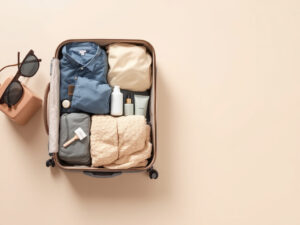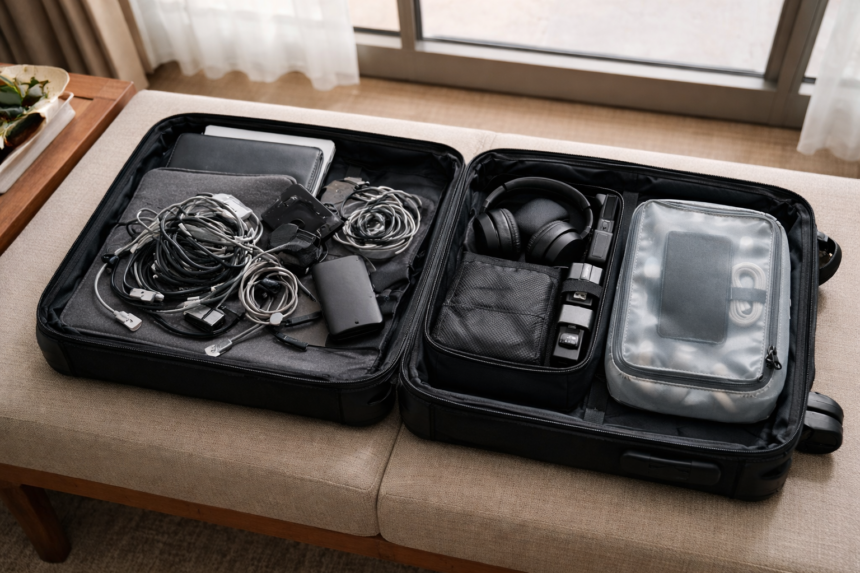
Packing cubes for electronics can turn a chaotic carry-on into a calm, easy-to-navigate setup. Instead of cables knotted around your toiletries or a tablet buried under jeans, every gadget has a clear home and stays protected in transit.
Below, you will find how to choose the right packing cubes for electronics, plus a roundup of specific cube styles that work well for business trips, backpacking, family travel, and everything in between.



Why use packing cubes for electronics
If you travel with a phone, laptop, headphones, camera, or e-reader, you are already carrying enough tech to justify a dedicated system. Tech organizers and packing cubes do three important jobs during travel, as highlighted in a 2026 travel guide by Brouk & Co.:
- They keep cables and accessories sorted so you are not digging through your bag at the gate.
- They protect delicate devices from pressure, impact, and spills.
- They help you use every inch of your carry-on efficiently.
When you combine a good tech organizer with well chosen packing cubes, you reduce stress and make it much easier to live out of a suitcase on longer trips. This is especially helpful if you already rely on packing cubes for carry-on luggage and want to extend that same structure to your electronics.
What to look for in electronics packing cubes
Not every cube works well for tech. Clothing cubes are designed to compress soft items, while electronics need separation, visibility, and a bit more structure. As you evaluate options, focus on these key features.

Size and layout
You want cubes that are small and segmented enough to keep accessories from becoming one big jumble. This is where small packing cubes really shine, especially for:
- Charging bricks and cables
- Earbuds and adapters
- Power banks and hard drives
- Travel mice, styluses, and small cameras
For larger items like noise canceling headphones or game consoles, look for medium cubes or tech pouches with enough depth and a clamshell opening. Packing cubes like the Cotopaxi Cubo Travel Bundle and Eagle Creek Pack-It Reveal Set both use mesh and clamshell designs to make it easy to see and access contents without dumping everything out.
Protection and material
If you are putting electronics into general purpose cubes, pay attention to structure and fabric:
- Stiffer fabrics, like those used in Cotopaxi Cubo packing cubes, give more shape and light protection. Wirecutter staff note they prefer these cubes for tech because the firmer construction keeps gear from being crushed compared to flimsier textile variants.
- Semi-structured sides and quality mesh, as in the Eagle Creek Pack-It Reveal Cube Set, make it easier to store delicate accessories without them feeling flimsy or exposed.
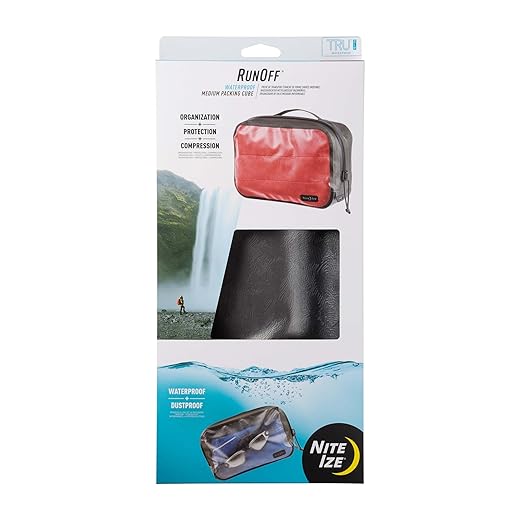
- Water resistance matters if you are carrying your tech in a backpack or soft suitcase that might see rain. Waterproof options like the RunOff Waterproof Packing Cubes by Nite Ize use TPU fabric and RF welded seams with a TRU Zip closure to keep contents protected to IP67 standards, which means they can even handle brief submersion.
If water exposure is a big concern for you, it is worth pairing a general set of cubes with a dedicated waterproof packing cubes option for your most valuable electronics.
Zippers and durability
A broken zipper in transit can undo all your careful organizing. Reviews of compression cubes highlight YKK zippers as a top choice for durability and snag resistance, especially for items that will be opened and closed often. When you are packing electronics, a rough or flimsy zipper can also scratch screens if things shift around.
Look for:
- High quality zippers such as YKK
- Smooth gliding pulls that do not catch on mesh
- Reinforced seams and grab handles, similar to those on Eagle Creek Gear cubes or Nite Ize RunOff cubes
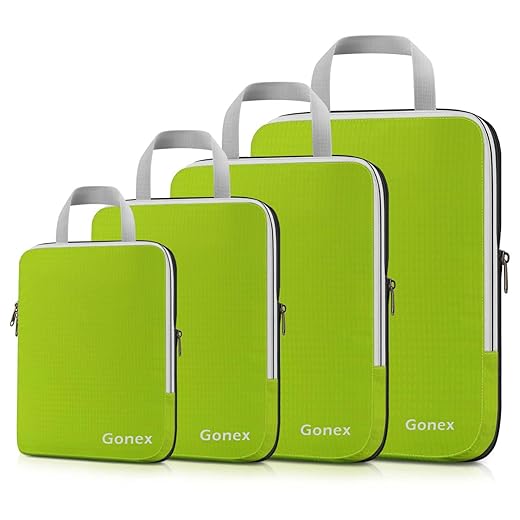
If you are shopping within a budget, options like the Gonex Compression Packing Cubes offer good value, but reviews note some issues with zipper snagging. For your most expensive tech, it is usually worth spending a bit more to avoid that risk.
Compression versus access
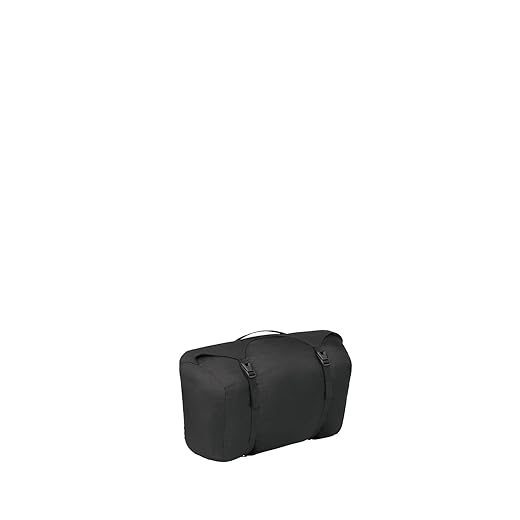
Compression cubes are incredibly helpful for saving space in small carry-ons or backpacks. Models like the Osprey StraightJacket Compression Sack use straps and buckles rather than zippers to tighten bulky contents and are ideal for soft items such as clothes.
For electronics, compression is a “sometimes” feature:

- Compression works well for padded headphones cases, soft sleeves, or bundled cords.
- Heavily compressing bare devices or hard drives can increase pressure on screens and ports.
A good compromise is to rely on packing cubes with compression zippers for clothing, then keep electronics in non compressed or lightly compressed cubes so you maintain both protection and quick access.
Visibility and easy identification
On travel days you often need to grab a single cord quickly. Mesh front panels, translucent windows, or color coding make this simple. For example:
- Cotopaxi Cubo cubes use a mix of mesh and nylon panels so you can see part of what is inside.
- Eagle Creek Pack-It Reveal cubes have a mesh front for full visibility.
- RunOff Waterproof cubes use a translucent front panel that lets you identify electronics while still keeping them safe from water.
Color coding can also help if you share tech with family members or travel with multiple devices. You might assign one color to work gear, another to entertainment, and a third to kids electronics, similar to how you might use packing cubes for kids to separate their clothes and toys.
Best packing cube styles for electronics
You can choose between tech organizers built specifically for gadgets and more general purpose packing cubes that happen to be great for electronics. The list below covers both, so you can mix and match according to how you travel.
1. Structured cubes for dedicated tech kits
If you like knowing that every charger and adapter lives in one spot, a structured cube or tech specific pouch is ideal. Many travelers consider this one of the smartest items to buy for their kit, because you can just grab it and go any time you pack.
Stiff materials like those found in Cotopaxi Cubo packing cubes keep your gear from shifting or getting crushed at the bottom of a backpack. Travelers and product testers have found that the slightly bulkier fabric offers a protective shell that works particularly well for:
- Over ear headphones
- Compact cameras or action cams
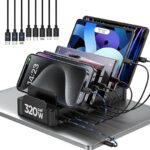
- External batteries and multi port charging hubs
- Travel routers or small streaming devices
This type of cube is especially useful if you travel with fewer clothes and more tech, such as digital nomads or business travelers who carry multiple devices.
2. Mesh front cubes for visibility
When speed matters, being able to see cables and accessories instantly is a major advantage. The Eagle Creek Pack-It Reveal Cube Set uses high quality mesh and a clamshell design so that when you unzip the cube, it opens flat and every item is laid out in front of you.
That design works beautifully for electronics because you can:
- Lay out cords, chargers, and adapters in low stacks
- Keep a travel mouse, power bank, and headphones on one side
- Tuck smaller items like SD cards into small pouches inside the cube
The mesh not only helps you identify what is inside, it also allows for a bit of airflow if you pack any devices that can warm up slightly while charging before you leave for the airport.
3. Waterproof cubes for high risk situations
If you expect rain, boat rides, or wet conditions, waterproof storage for electronics is non negotiable. The RunOff Waterproof Packing Cubes by Nite Ize use a toothless TRU Zip zipper that is snag proof, silent, and designed to maintain an IP67 waterproof and dustproof seal even when submerged.
Features that make these particularly appealing for electronics:
- Durable TPU construction that resists punctures and abrasions
- RF welded seams and reinforced handles with anchor points, ideal for clipping into rafting bags or hiking packs
- A translucent front panel so you can confirm your camera, phone, or battery pack is where you expect without opening the cube
- A TRU Zip High Performance Lubricant Wipe included with each cube to keep the zipper sealing reliably over time
If you already use waterproof packing cubes for toiletries or swim gear, adding one waterproof cube specifically for tech gives you peace of mind even on more rugged trips.
4. Compression friendly cubes for hybrid loads
Some cubes are optimized for compression and durability, which can still play a role in your electronics strategy when used carefully. Reviews of compression packing cubes highlight several standouts:
- The Osprey StraightJacket Compression Sack uses buckle straps instead of compression zippers, which lets you control how tightly you cinch the cube. You may pack cables, headphones in a hard case, and a hoodie together without over squashing the electronics.
- The Gonex Compression Packing Cubes offer strong value on a budget, with multiple sizes for different items, though they have a lower compression rating and some concerns regarding zipper durability.
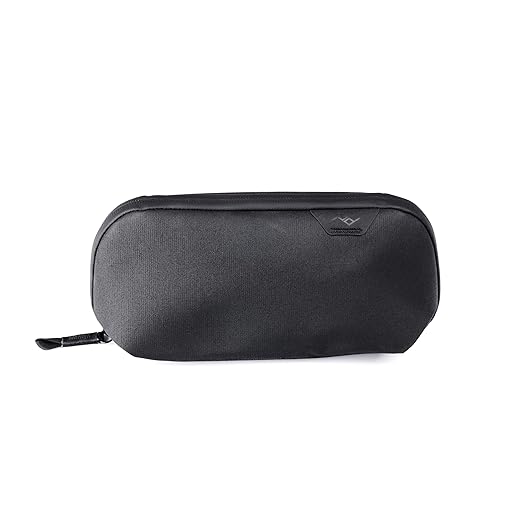
- Peak Design Packing Cubes use robust nylon, polyester, and Hypalon, along with a quick access design, and they balance compression with ease of use for flexible gear setups.
For digital nomads or backpackers who live out of a single bag, compression cubes make it possible to fit both clothes and tech without feeling overstuffed. The key is to separate delicate electronics into their own non compressed pouches, and then place those inside a partially compressed cube to keep your overall pack slim.
If you generally prefer traveling light, this approach pairs nicely with lightweight packing cubes so your organization system does not add unnecessary ounces.
5. Small cubes and cord pouches
A small dedicated bag just for cords is one of the most helpful tools for frequent travelers. Travel experts recommend keeping:
- Phone charging cable and wall charger
- Laptop charging brick and cable
- USB C and Lightning adapters
- Earbuds and a small backup pair
- Power bank and any special cables
all in a single pouch, so you always know where your “charging kit” is.
Several products work well in this category:
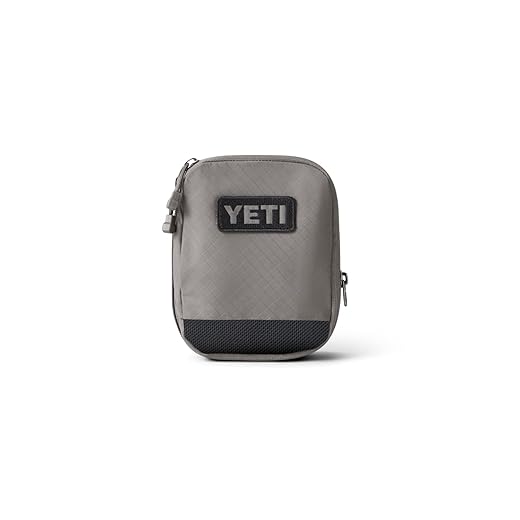
- The smallest size of Yeti Crossroads Packing Cubes is particularly suited for cords and tiny electronic items, with enough structure and durability to handle heavy use.
- Eagle Creek XS or S cubes from the Pack-It Reveal or Pack-It Isolate collections are just the right size for separating cords from other tech, with mesh or splash resistant materials depending on your preference.
- Any compact small packing cubes you already own can be repurposed as a tech pouch if they have a good zipper and a clamshell or wide opening.
If you are traveling with others, you can also give each person in your group a small cord pouch. That way everyone is responsible for their own chargers instead of mixing them into one confusing pile.
6. Modular systems for complex setups
Some brands, like Eagle Creek, have turned packing cubes into a full modular ecosystem. Eagle Creek invented the concept of packing cubes in 1992 and has grown it into a set of Gear cubes, Reveal cubes, Isolate cubes, Compression cubes, and Expansion cubes that all mix and match across XS, S, M, and L sizes.
For electronics, this is helpful because you can:
- Use Gear cubes, which are durable and water resistant, for bulkier or more rugged tech like action cameras, headlamps, or power strips.
- Use Reveal cubes with mesh windows to store visible everyday items like headphones, batteries, and travel mice.
- Use ultra light Isolate cubes for lighter accessories that you still want to keep contained and splash protected, such as cables or USB hubs.
- Use Expansion cubes when you know you will acquire extra tech accessories or souvenirs, and compress them on the way out, then expand them to make room on the way back.
This kind of modular system makes it easier to scale your setup up or down, depending on whether you are on a quick business trip or an extended family vacation. It also fits neatly into different bag styles, from carry-ons to duffels.
How to organize electronics inside your cubes
Having good cubes is only half the solution. How you arrange your electronics inside them is what really maximizes your carry-on space and reduces hassles at security or in transit.
Create a clear “tech hierarchy”
Think about your tech in three layers:
- Daily access items that you will use on travel days, such as phone charger, earbuds, and laptop charger.
- Trip essentials that you will use at your destination, such as adapters, camera gear, or a portable keyboard.
- Rarely used backups, like spare batteries or an extra charging cable.
Store daily access items in the most reachable cube, usually at the top of your personal item or carry-on front pocket. Trip essentials can live in a slightly deeper cube. Backups go into a less accessible area, such as the bottom of your suitcase or under clothing in a travel packing cubes set.
This way you are not unpacking half your bag just to charge your phone during a layover.
Separate by function or by device
You can group electronics in one of two main ways:
- By function. For example, a “charging cube,” a “work cube,” and an “entertainment cube.”
- By device. For example, everything related to your laptop in one cube, everything for your camera in another.
Function based organization is easiest for most travelers because you automatically know that if you need power, you reach for the charging cube, not the camera cube.
Use simple cable management inside cubes
Even with cubes, cords can tangle if you just toss them in. A few quick habits help:
- Coil each cable loosely and secure it with a small Velcro tie or reuse soft twist ties from product packaging.
- Place heavy charging bricks at the bottom of the cube and lighter cables on top, so the weight does not crush connectors.
- Store fragile items like SD cards in small cases or zip top bags, then place those in your main tech cube.
Over time, you will refine a setup that you can pack in minutes before each trip.
Matching electronics cubes to your travel style
Different travelers have different packing priorities, and your electronics setup should reflect that.
Frequent business travelers
You likely want:
- A slim, structured tech cube that fits neatly in your briefcase or personal item.
- Fast access to laptop and phone chargers, plus adapters for conference rooms or client offices.
- A discreet look that matches packing cubes for men or packing cubes for women in your luggage.
Water resistant yet professional looking cubes, paired with a dedicated cord pouch, will keep your workday running smoothly even when flights are delayed.
Backpackers and digital nomads
Space and weight are your main constraints. Your tech setup might include a laptop, tablet, camera, and accessories, all in a single pack. For you, a combination of:
- Packing cubes for backpackers
- Lightweight packing cubes
- One waterproof tech cube for your most important devices
gives you structure without feeling weighed down. Compression cubes like Osprey StraightJacket can help with clothes, while sturdy, small cubes protect your tech.
Family travelers
When you travel as a family, electronics multiply quickly. Tablets, handheld consoles, kid headphones, and everyone’s chargers can turn into a mess unless you give each category a place.
You might:
- Assign one cube to “family charging” with a multi port USB hub and common cables.
- Give each child a small cube for their own headphones and gadgets, similar to how you would use packing cubes for kids for clothing.
- Use larger cubes for shared entertainment devices and backup power banks.
Color coded or patterned cubes are especially helpful here so you can spot who owns what at a glance.
Budget or eco conscious travelers
If you want to keep costs low or prioritize sustainability, look for affordable packing cubes that still offer decent structure, or invest in eco friendly packing cubes made from recycled materials.
For electronics, prioritize:
- At least one higher quality waterproof or semi structured cube for your most valuable gear.
- Simple, lower cost cubes for less fragile accessories.
This mix lets you protect what matters most while keeping your overall spend in check.
Integrating electronics cubes into your whole packing system
Packing cubes for electronics work best when they are part of a unified approach, not an add on afterthought.
If you already use:
- Packing cubes for shoes to keep soles away from clothes
- Packing cubes with handles to make it easy to grab specific categories
- Travel packing cubes set that covers clothes, toiletries, and more
then adding a small tech focused set will feel natural. Electronics cubes simply become one more labeled “drawer” in your portable dresser.
You can also lean on detailed packing cube reviews to compare different brands, materials, and features, especially if you want a set that serves both clothing and electronics.
A simple rule of thumb: if an item would ruin your day or trip if it broke or got wet, it deserves its own spot in a well made cube or organizer.
Final tips for stress free tech packing
To make the most of packing cubes for electronics, keep these habits in mind:
- Keep a pre packed cord cube ready at home with duplicates of your most used cables.
- After each trip, take 2 minutes to untangle, reorganize, and restock your tech cubes.
- Store your electronics cubes near your suitcase so packing them becomes automatic.
- If you often fly internationally, tape a small list of contents inside each cube so you know exactly what is where.
With a thoughtful setup, you will spend less time hunting for chargers and more time actually enjoying your trip. Your carry-on becomes easier to manage, your devices stay safer, and every journey starts with a bit less chaos.
FAQs
Do packing cubes protect electronics or just organize them?
They do both—if you choose cubes with some structure and smart layouts. Mesh visibility prevents digging, while firmer fabric reduces crushing pressure. For wet conditions, waterproof cubes add real protection.
Are compression packing cubes safe for electronics?
Sometimes. Compression is great for clothes, but compressing bare devices can stress screens/ports. Use compression lightly for soft sleeves or hard cases, and keep delicate electronics in non-compressed pouches.
What size cube is best for chargers and cables?
Small cubes or compact tech pouches are ideal because they prevent “one big tangled pocket.” Look for segmented interiors and a wide opening for fast access.
How do I organize electronics for security checks?
Keep your “daily access” tech cube near the top of your personal item. If you carry power banks/spare batteries, keep them in carry-on (not checked), and be ready to remove them if your bag is gate-checked.
Do waterproof packing cubes really work for electronics?
Some do—especially IP-tested models with sealed seams and waterproof zippers. For example, certain waterproof cubes are tested to IP67 (dustproof and brief submersion).
What’s the simplest “one-cube” setup for tech?
One tech cube + one tiny pouch:
- Tech cube: chargers, power bank, travel mouse, headphones
- Tiny pouch: adapters, SIM tool, SD cards, spare cable ties