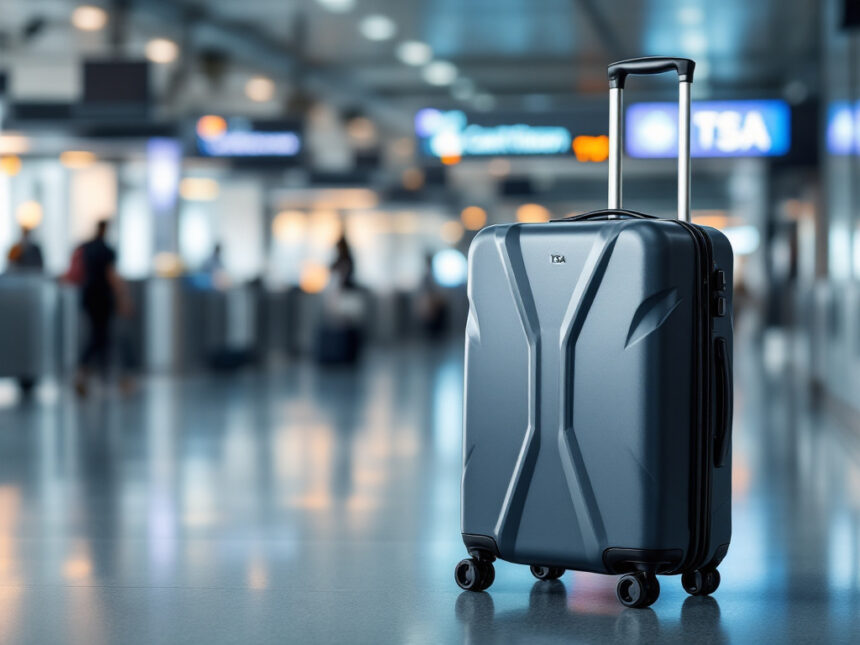
Travel is a lot easier when your suitcase glides through the airport, fits every overhead bin, and clears TSA without a second thought. The right carry-on luggage TSA approved for size and security, can save you from surprise gate checks, broken zippers, and awkward repacking at the checkpoint.
Below, you will find a curated list of smart and stylish carry-ons that balance airline compliance, durability, and everyday usability. You will also get a quick guide to TSA rules, carry-on dimensions, and how to match a bag to your travel style, whether you fly weekly for work or once a year for vacation.
What “carry-on luggage TSA approved” really means
TSA does not officially approve specific brands of carry-on luggage. Instead, it sets screening rules for what you can put in your bag and how locks and batteries are handled. Airlines decide which bag sizes are allowed on board.
When you see “carry-on luggage TSA approved” used online, it typically refers to bags that:
- Fit common airline size limits, usually around 22 x 14 x 9 inches, including wheels and handles
- Have TSA accepted locks that can be opened by security with a master key
- Make it easier to comply with TSA rules for liquids, electronics, and batteries
The Transportation Security Administration recommends that your carry-on meet your airline’s size restrictions, which are often close to 22 x 14 x 9 inches, and it encourages you to check those exact dimensions before you fly so you avoid issues at the gate or security checkpoint.
If you want more detail on typical cabin sizes before you shop, you can review general carry-on luggage dimensions and how they vary by carrier.
Key TSA rules that affect your carry-on
A good suitcase does not change the rules, but it makes them easier to follow. When you compare carry-on luggage that is TSA friendly, keep these regulations in mind.
Liquids and toiletries
TSA’s liquids rule allows you to bring a quart-sized bag of liquids, aerosols, gels, creams, and pastes in your carry-on, as long as each container is 3.4 ounces, or 100 milliliters, or less. Those items must fit comfortably in a single clear bag during screening.
Anything larger than 3.4 ounces needs to go in checked baggage unless it qualifies as an exemption. For example, formula, breast milk, toddler drinks, and baby or toddler food, including puree pouches, are considered medically necessary liquids. You can bring them in quantities greater than 3.4 ounces in your carry-on, and they do not need to fit in your quart-sized liquids bag, but they must be removed and screened separately at the checkpoint.
Duty free liquids in larger containers are sometimes allowed in your carry-on if they are in a secure, tamper-evident bag and are screened and cleared by TSA. The agency still recommends that you pack liquids over 3.4 ounces in checked luggage when possible to avoid complications during screening.
Mini bottles of alcohol are allowed in your carry-on as long as each bottle is 3.4 ounces or less, and all of them fit inside your single quart-sized liquids bag.
Any liquid, gel, cream, or paste that triggers an alarm during screening will need extra inspection, which is another reason to keep your bag tidy and easy to open.
Electronics and batteries
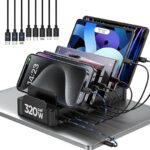
Devices with lithium metal or lithium ion batteries must travel in your carry-on, not in checked bags, for safety reasons. That includes phones, laptops, tablets, cameras, and many modern suitcases that have integrated battery packs.
TSA officers can ask you to power up your electronic devices at the checkpoint. A device that will not turn on may not be allowed on board. If you choose a bag with a built in charger, make sure the power bank is removable so you can comply with airline and TSA guidance without giving up your suitcase.
Electronic smoking devices and cordless curling irons that contain lithium metal or lithium ion batteries or that use gas or butane are only allowed in carry-on bags. Safety covers are required to prevent accidental activation.
TSA accepted locks
TSA accepted locks are designed so that authorized airport security officers can open them with a master key without breaking your lock or damaging your suitcase. These locks usually display the Travel Sentry red diamond logo, which is recognized in 44 countries and more than 650 airports through the Travel Sentry program. That program covers roughly two billion travelers a year and helps streamline inspections for both you and security officers.
TSA Locks are strongly recommended for checked bags during international travel, since non TSA locks may be cut off for inspection, but they also matter for carry-ons that you sometimes gate check. They offer a practical balance between convenience and security. They deter casual tampering and keep your bag relockable after inspection, but they do not completely eliminate the risk of theft.
If you want a bag that feels futureproof and convenient, shopping within the category of carry-on luggage with TSA lock is a smart starting point.
How to choose TSA friendly carry-on luggage
Before you dive into specific picks, it helps to decide what you want your carry-on to solve for. Size, weight, materials, and organization will affect every trip you take with it.
1. Confirm airline size and weight rules
Most major U.S. airlines accept carry-on luggage around 22 x 14 x 9 inches including wheels and handles. The TSA accepts bags that meet these airline restrictions, but the exact numbers vary by carrier and even ticket type.
For example, American Airlines allows one carry-on plus one personal item. The carry-on cannot exceed 22 x 14 x 9 inches and must fit in the overhead bin. Personal items, such as a purse or small handbag, need to fit under the seat in front of you and should not exceed 18 x 14 x 8 inches according to American Airlines policy. You can double check those details and find more context in this guide to carry-on luggage size for American Airlines.
Southwest allows slightly larger carry-ons, up to 24 x 16 x 10 inches, which gives some 24 inch bags a pass on that airline. If you often fly with Southwest, you might want to read more about carry-on luggage size for Southwest. Even then, if you want a bag that works with many airlines, you are usually better off buying something within the more common 22 x 14 x 9 standard.
United adds another layer. Many United domestic basic economy tickets only include a personal item, not a full carry-on. When carry-ons are allowed, that same 22 x 14 x 9 inch threshold applies. If you travel frequently with United, it is useful to review how carry-on luggage size for United Airlines interacts with fare type and overhead space.
Weight limits also matter. Many U.S. carriers do not publish specific carry-on weight limits, but international airlines often do, and some apply that limit to both your carry-on and personal item together. A detailed overview of carry-on luggage weight limit rules can help you understand how much your bag can weigh when it is packed.
If you want a single suitcase to work almost everywhere, choosing from standard carry-on luggage around 22 x 14 x 9 inches keeps you on the safe side.
2. Decide on hard shell versus softside
Hard shell and softside bags can both be TSA friendly. The choice is about how you travel, what you pack, and how much flexibility you want.
Hard shell carry-ons tend to:
- Protect delicate items better
- Offer a clean, modern look
- Resist rain and spills more effectively
- Work well with spinner wheels and compression panels
Softside carry-ons usually:
- Offer exterior pockets that are easy to access
- Flex slightly, which can help in tighter overhead bins
- Are more forgiving when you overpack a little
If you like the structure and style of polycarbonate or ABS shells, browsing carry-on luggage hard shell options will give you a sense of what materials and wheel systems perform best for frequent flyers.
For many travelers, the decision comes down to access. If you need an outside laptop pocket and quick access to documents, softside or hybrid bags still have the edge.
3. Prioritize wheels, handle, and maneuverability
When you focus on carry-on luggage TSA approved for real world use, wheels and handles matter more than marketing terms. Spinner wheels that glide smoothly and a telescoping handle that does not wobble will save your wrists and shoulders on long airport days.
Look for:
- Four double spinner wheels that roll quietly across tile and carpet
- A handle with multiple height stops so you are not dragging the bag behind you
- Reinforced corners and sturdy zippers that can handle years of travel
If you want a quick way to compare mobility and wheel systems, check out carry-on luggage with wheels and pay attention to customer feedback about rolling performance.
4. Balance durability with weight
Airlines may not weigh your bag on every flight, but you will feel every pound when you lift it into the overhead bin.
Many travelers now prioritize lightweight carry-on luggage, especially if they often fly with international carriers that enforce strict weight limits.
Ultra light bags in the carry-on luggage lightest weight category are great for squeezing under a weight cap. Just make sure you are not trading away too much durability. Reinforced corners, robust fabrics, and quality zippers make the difference between a bag that lasts two years and one that lasts ten.
If you know you are hard on luggage or often connect through busy hubs, it can be worth prioritizing durable carry-on luggage even if you add a pound or two.
5. Think about how you organize and work
Business travelers and digital nomads benefit most from bags with clear internal organization and fast laptop access. Vacation travelers may care more about a simple interior and expansion zippers.
Look for features like:
- Dedicated padded laptop pockets
- Separate compartments for shoes or laundry
- Tie down straps and integrated carry-on luggage packing cubes
- Quick access exterior pockets for passports and chargers
If your laptop is your most important item, compare carry-on luggage with laptop compartment and carry-on luggage for laptop so your main device always has a safe, accessible spot.
Top smart and stylish TSA friendly carry-on types
Instead of focusing on single brand names, it helps to think in categories. Below are the main types of carry-ons that work well with TSA rules and common airline standards, along with who they are best for.
Classic 22 inch hard shell spinner
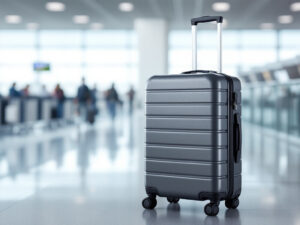
This is the modern standard cabin bag: four spinner wheels, a telescoping handle, and a clamshell opening with two main compartments.
You will like this type if you:
- Fly often and want a stylish, minimalist look
- Pack in outfits and like to see everything laid out when you open your bag
- Need a shell that can handle overhead bin bumps and tight squeezes
Many of the best options include integrated TSA accepted combination locks. That means TSA officers can open your bag using special master keys if needed, then relock it without cutting anything. The red Travel Sentry diamond lets them recognize the lock instantly.
When you compare models in this category, use customer carry-on luggage reviews to see how they hold up over time and whether the shell scuffs easily.
Softside business carry-on with laptop pocket
These bags look more like understated business gear, with multiple exterior pockets, a padded laptop section, and organized interior panels for work essentials.
You will prefer this style if you:
- Bring a laptop, tablet, and accessories on every trip
- Like keeping documents and chargers in exterior pockets you can reach without opening the whole case
- Travel often for work and want a bag that looks professional in meetings
Look for models that are marketed as carry-on luggage with laptop compartment. Many use TSA accepted zippers and locks or integrate a carry-on luggage with TSA lock so you can secure your devices if the bag leaves your side.
Because softside fabric can flex, these bags sometimes slide into overhead bins that hard shells struggle with, which is useful on smaller jets.
Lightweight minimalist carry-on
If you care more about weight and simplicity than extra pockets, minimalist carry-ons are a great option. They typically use lightweight fabrics or lean polycarbonate shells to keep the empty weight as low as possible.
These bags are ideal if you:
- Fly on airlines with strict carry-on luggage restrictions
- Want to maximize how much you can pack without paying checked bag fees
- Prefer a clean interior where you can use your own packing cubes
Models in the lightweight carry-on luggage and carry-on luggage lightest weight categories are strong contenders here. Many still offer TSA friendly locks and sturdy wheels, they just leave out some of the heavier extras.
Underseat carry-on or personal item
Underseat bags give you more storage in that personal item space that most airlines include for free. They are especially helpful if you fly on fares that limit overhead bin use.
You might choose one if you:
- Often fly basic economy where a standard carry-on is not allowed
- Want a rolling bag that can also count as your personal item
- Pack light for short trips and want everything under the seat in front of you
Underseat bags need to stay within smaller dimensions, but they still benefit from TSA friendly features like removable power banks and well organized interiors. When you shop, compare them with guides to carry-on luggage size so you do not accidentally buy something too large.
Travel backpack as carry-on
A sleek travel backpack can be your main carry-on instead of a rolling suitcase. It should still follow airline dimensional limits and TSA guidance.
You will prefer this option if you:
- Move quickly through cities and do not want to drag wheels behind you
- Frequently climb stairs, use public transit, or walk long distances
- Like having your hands free
Look for carry-on luggage backpack designs that open like a suitcase, not just from the top. Padding for your laptop, internal compartments, and a sleeve to slip over a suitcase handle are all helpful.
Since lithium battery rules apply here as well, any built in charger should be removable and easy to show at security.
Expandable carry-on for flexible trips
Expandable carry-ons have a zipper that lets the bag grow by an inch or two. This is useful on the way home when souvenirs appear, but you need to stay careful with size limits.
You might like this style if you:
- Take a mix of short and medium length trips
- Want one bag that can handle both business and vacation packing
- Sometimes check your bag and sometimes carry it on
When your expansion zipper is closed, the bag should fit within the common 22 x 14 x 9 inch standard so it qualifies as cabin size. You can compare features and limitations in carry-on luggage expandable options and decide how much extra capacity you really need.
Smart carry-on with built in charger
Smart luggage often includes integrated power banks and sometimes Bluetooth tracking. These features are helpful, but they need to comply with TSA and airline rules about lithium batteries.
Choose this style if you:
- Work on the go and need to keep phones, tablets, and headphones charged
- Want a clean, cable free setup with charging ports in the bag itself
- Are willing to do a little extra homework about each airline’s rules
The key is removability: your power bank should be easy to remove if the airline or TSA asks you to. Some carriers require you to remove smart batteries when checking in your bag. Since devices with lithium metal or lithium ion batteries must travel in carry-on baggage for safety, a removable pack is your best bet.
You can compare options in the carry-on luggage with charger category and pay attention to how each model handles battery removal and access.
Special carry-on options for specific travelers
Not everyone uses a carry-on the same way. Below are a few niche options that are worth considering if they match how you travel.
Carry-on luggage for men
In practice, most carry-ons are unisex. However, some collections marketed as carry-on luggage for men focus on darker colors, slightly more rugged styling, and internal layouts that favor shoes, suits, and business accessories.
You might prefer these if your packing list includes dress shoes, sport coats, and tech gear, and you want a bag that visually matches a more tailored wardrobe.
Carry-on for toddlers and families
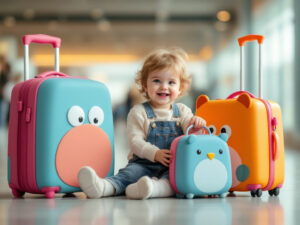
Traveling with kids changes what “smart” luggage means. For families, the best carry-on luggage for toddlers often doubles as entertainment, storage, and sometimes a ride on toy.
A toddler sized carry-on can:
- Hold clothes, snacks, and small toys
- Give your child a sense of ownership and independence
- Make long airport walks easier if they can sit on or pull their own bag
Parents still need to follow TSA liquid and food rules. Liquid or gel food items larger than 3.4 ounces must go in checked bags, but toddler drinks, formula, breast milk, and baby food in larger quantities are allowed in your carry-on as medically necessary liquids and are screened separately.
Personalized and gift worthy carry-ons
If you love to spot your bag instantly on a carousel or want a memorable gift, carry-on luggage personalized with initials or custom colors can be a good fit. Many of these bags still integrate TSA accepted locks and follow standard cabin sizes.
The personalization does not affect airline or TSA rules, but it does help prevent mix ups with similar looking bags at the gate.
Where value and deals fit in
A smart carry-on does not have to be expensive. What matters most is that it fits airline rules and stands up to your travel patterns.
You can often find good value by:
- Shopping seasonal carry-on luggage sale events
- Comparing different carry-on luggage brands rather than fixating on one logo
- Looking at carry-on luggage deals for last year’s colors or slightly older models
If you want a single shortlist that already balances price, durability, and TSA friendliness, curated guides to the best carry-on luggage are a useful place to start.
Here is a simple way to think about value at each budget tier:
| Budget level | What you typically get | Good for |
|---|---|---|
| Entry | Basic spinner wheels, fabric or ABS shell, limited organization | Occasional vacation trips, backup bag |
| Midrange | Stronger materials, TSA accepted locks, better wheels, more pockets | Frequent leisure travelers, light business travel |
| Premium | High end polycarbonate or ballistic nylon, excellent wheels, refined organization | Weekly flyers, business travelers, one bag for years |
Whatever your budget, pay attention to customer reviews about zipper quality, wheel performance, and how the bag holds up after real trips.
Packing smarter for TSA and overhead bins
Even the best suitcase can feel awkward if you pack in a rush. A few small habits can keep your carry-on TSA friendly and easy to manage.
- Keep your quart sized liquids bag and major electronics near the top of your suitcase or in an exterior pocket so you can remove them quickly at security.
- Use compression straps and packing cubes to keep clothes from shifting, which makes extra screening easier if TSA needs to open your bag.
- Store cords, chargers, and small gadgets in one pouch so they do not look like a tangle of wires on the X ray.
- Avoid overstuffing expansion zippers if you plan to carry the bag on. When expanded, some bags no longer meet common carry-on luggage dimensions.
- Keep your carry-on uncluttered. TSA specifically encourages neatly organized bags because they create clearer X-ray images and speed up the screening process.
If you sometimes check your carry-on at the gate, remember that TSA-accepted locks are especially useful. Security officers in the United States, Canada, the UK, much of Europe, Australia, and parts of Asia can open and relock those bags as needed with special master keys instead of cutting your lock.
Putting it all together: your ideal TSA-friendly carry-on
You do not need the most expensive suitcase on the carousel. You need one that fits your airline’s rules, supports TSA screening, and matches how you actually travel.
To narrow your options, start by answering three questions:
- Which airlines and fare types do you fly most, and what carry-on luggage restrictions apply to them?
- Do you prioritize durability, light weight, or organization, and in what order?
- How often do you pack laptops, liquids, or kids’ essentials that affect TSA screening?
Then, choose a style that fits those answers, whether that is a sleek hard shell spinner with a TSA lock, a business-ready softside with a laptop pocket, a versatile travel backpack, or an ultra-light cabin bag.
From there, you can fine-tune things like color, brand, and extra features. And if you want a head start, browse curated collections of carry-on luggage that are already filtered by size, weight, laptop storage, and TSA friendly details. You will spend less time wrestling suitcases at the gate and more time focusing on the trip itself.
FAQs
What does “carry-on luggage TSA approved” actually mean?
It usually means the bag is designed to help you comply with TSA screening rules and common airline cabin limits. TSA does not publish an official list of approved luggage brands; airlines decide size allowances, while TSA governs screening requirements.
What size carry-on is safest for most flights?
A carry-on around 22 x 14 x 9 inches, including wheels and handles, is the safest general target because it aligns with American Airlines and United rules. Southwest is more generous, but that larger allowance is not universal.
Are TSA locks worth it on a carry-on?
Yes, especially if your carry-on may be gate-checked. TSA-recognized locks let authorized security officers open and relock your bag without cutting the lock.
Can I bring a power bank in my carry-on?
Yes. In fact, power banks and spare lithium batteries must be packed in carry-on baggage, not checked luggage.
Do I need to remove my laptop at security?
That can depend on the checkpoint setup and whether you have TSA PreCheck, but TSA can require electronics screening and can ask you to power devices on. A carry-on with fast laptop access is still useful.
Can I bring baby food or medically necessary liquids over 3.4 ounces?
Yes. TSA allows medically necessary liquids in reasonable quantities, and child-related liquids such as formula and baby food may be allowed in larger amounts with separate screening.
Is a hard shell or a softside better for TSA?
Neither is inherently “more TSA approved.” Hard shell is often better for structure and spill resistance, while softside can offer exterior pockets and a bit more squeeze in overhead bins.