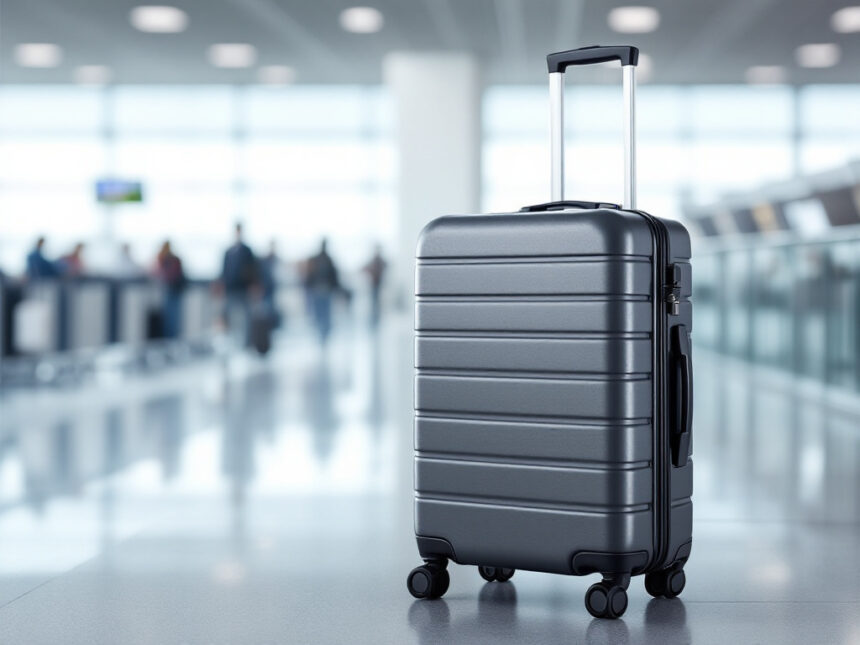
A carry-on that glides easily, survives rough treatment, and keeps your stuff secure makes every trip less stressful. When you look for carry-on luggage with TSA lock features, you want that mix of durability, smooth rolling, and airport-friendly security so you can skip the drama at the gate and at the carousel.
This guide walks you through everything you need to know, from how TSA locks actually work to what makes a bag tough enough for years of flights. By the end, you will know exactly which features to prioritize for your travel style and how to choose a carry-on that stays out of the gate-check pile.
Why choose carry-on luggage with TSA lock
If you are comparing different types of carry-on luggage, it helps to understand what TSA locks actually do for you.
A TSA-approved lock is designed so airport security agents can open your bag with a special tool, inspect it, then relock it without cutting anything. This system, known as TSA LOCK®, is now used in dozens of countries and allows security agencies to open, inspect, and re-lock luggage without damage so your lock and bag survive routine screenings.
You are not required to lock your bag, and TSA does not mandate TSA locks. However, they do recommend TSA-approved locks because non-TSA locks may be cut off if your bag needs inspection. With a TSA lock, your suitcase is less likely to come off the belt with a broken zipper or dangling hasp.

For you as a traveler, the benefits are simple:
- Extra layer of protection against casual theft and accidental openings
- Less risk of lock or luggage damage during inspections
- Smoother security checks when agents need to look inside
A TSA lock will not stop a determined thief, and master keys are widely available online. Many zippered bags can also be opened with something as basic as a ballpoint pen. That means your TSA lock should be part of a broader security strategy, not your only line of defense.
How TSA locks on carry-on work
When you shop for carry-on luggage with TSA lock features, you will see different types: built-in combination locks, small padlocks, and flexible cable locks that can secure multiple zippers together. Regardless of style, they all share one core trait: they have a special mechanism that TSA agents and other authorized security staff can open with a master key.
The red diamond logo
To confirm a lock is TSA accepted, look for the Travel Sentry Red Diamond logo. This is the mark that lets you know:
- The lock is part of the TSA LOCK® system
- Security agents in the United States and other participating countries can open and relock it without causing damage
- It complies with international screening rules that require luggage to be inspected before loading onto passenger planes
If you see a padlock claiming to be “TSA approved” but there is no red diamond, skip it.
Where TSA locks are recognized
TSA locks started in the United States, but the system has expanded. TSA LOCKS are now accepted by security agencies in many countries including the USA, Canada, Japan, Israel, several European nations, South Korea, and New Zealand. That means the same locked carry-on can pass through different airports while still being accessible to security for inspection.
If you are flying with international carriers, it is still smart to check specific carry-on luggage restrictions and country rules before you leave, but in general TSA locks are widely recognized and convenient for global travel.
Pros and cons of TSA locks on carry-on
You might be wondering if TSA locks are really worth it on a carry-on that rarely leaves your sight. Understanding the tradeoffs helps you decide.
Advantages
TSA locks on carry-ons offer several practical benefits:
- Agents can inspect your bag without breaking the lock, which prevents damage and saves you from buying a replacement mid-trip
- Opportunistic thieves are less likely to target a locked bag than an open or loosely zipped one
- Zippers are less likely to work open mid-flight, especially if you stuff your bag or use an expandable shell
- You can keep pockets with medicines, cords, or small accessories closed while the bag is in an overhead bin or hotel storage
Because carry-ons spend time in overhead bins, under seats, and sometimes in gate-check areas, even a simple deterrent can make a difference.
Limitations
It is just as important to be clear about what TSA locks cannot do:
- A TSA lock does not guarantee security, since master keys and bypass tricks are easy to find online
- Many zippered suitcases can be forced open with a small tool, even if the zippers are locked together
- Expensive items are still better off close to you, such as in a personal item bag you can keep under the seat
Think of TSA locks as a way to deter casual interference and keep your stuff organized, not as a vault-like solution. You should still keep valuables in your personal item or carry-on that never leaves your side and avoid putting anything irreplaceable in checked luggage, with or without a lock.
Types of TSA locks you will see on carry-ons
When you compare carry-on luggage brands, you will see a few main TSA lock styles. The best option for you depends on how you pack and how much flexibility you want.
Built-in combination locks
Many hard shell bags, especially carry-on luggage hard shell models, come with an integrated TSA combination lock on the top or side. You slide the zipper pulls into the lock and spin the dials to your code.
Pros:
- Always attached to the bag so you will not misplace it
- Clean, streamlined look for business and minimalist travelers
- Simple to use, no key to carry
Cons:
- If the mechanism fails, you may need repair service instead of simply replacing a padlock
- You are limited to locking the main compartment, not extra pockets
This style is common on premium bags like the Briggs & Riley Baseline Essential Spinner, which pairs a TSA-approved lock with durable construction, reinforced edging, robust zippers, and thoughtful details like multiple handles and a hidden ID tag. That sort of integrated setup is ideal if you want security and design to work together out of the box.
TSA padlocks
A small TSA-approved padlock lets you secure zipper pulls or a latch. This works well if your bag does not have a built-in lock or you want the flexibility to lock different compartments.
Pros:
- Inexpensive and easy to replace
- Can be moved between bags
- Works on both carry-on and checked luggage
Cons:
- Easier to lose
- Not as sleek as an integrated lock
To confirm a padlock is TSA accepted, look again for the Travel Sentry Red Diamond logo. If you fly frequently, consider buying a set of two or three identical locks so you always have a backup.
TSA cable locks
Cable locks use a flexible steel cable that loops through multiple zippers, or even between two bags. They are also available as TSA-approved models.
Pros:
- Can secure more than one compartment at a time
- Cable offers more reach than a short shackle
- Handy if you want to tether smaller bags together briefly in hotels or train stations
Cons:
- Slightly bulkier than a simple padlock
- Not necessary for every traveler
If you tend to travel with a carry-on luggage backpack plus a rolling suitcase, a TSA cable lock can be a helpful way to keep everything connected when you cannot keep things in your hands.
How to set and use a TSA lock
Once you choose carry-on luggage with TSA lock features, you will want to set your own code instead of leaving it at the default.
Most TSA combination locks follow a similar pattern:
- Start with the default code, usually 0-0-0.
- Insert the shackle into the lock body or push the reset button or switch with a pen tip according to the manufacturer instructions.
- While holding or keeping the reset engaged, set your new three or four digit code.
- Release the shackle or reset switch.
- Scramble the dials to lock it.
To open the lock, you simply line up your code on the dials then pull up the shackle or slide the unlocking button. If it is a built-in lock, you usually push or slide the mechanism near the zipper pulls.
Choose a code you can remember but others will not guess easily. Avoid obvious picks like 1-2-3 or 0-0-0, birthdays, or your street number. If you tend to forget codes, store it in a password manager or in a secure note on your phone, not on a sticky note in your suitcase.
How durable carry-on luggage protects your lock and your trip
A TSA lock is only as reliable as the bag it is attached to. If the shell cracks or zippers fail, security and convenience go out the window. When you shop for durable carry-on luggage, you want materials and construction that can handle crowded overhead bins, rough handling, and frequent rolling across sidewalks and cobblestones.
Key durability features to look for
Material: Polycarbonate or high-quality ABS blends for hard shells, and ballistic or high denier nylon for soft shells. These materials resist scuffs, punctures, and fabric tears.
Zippers: Look for smooth, self-repairing zippers and double-coil designs where possible. Weak zippers are often the first point of failure, and even the best TSA lock cannot help if the zipper track splits open.
Corners and edging: Reinforced corners and edging, like what you see on premium models such as the Briggs & Riley Baseline series, absorb impact from drops or bumps and help the frame hold its shape.
Handles: Multiple load handles, especially on the top and side, make it easier to lift your bag into overhead bins without twisting stress on the seams.
Wheels: Quality carry-on luggage with wheels glides more smoothly and puts less strain on the frame. Spinner wheels that roll well can help you avoid dragging the bag, which over time can tear fabric or warp the shell.
When everything works together, your carry-on is more likely to stay looking clean and feeling solid even after a lot of trips. That is especially important if you rely on your bag for work travel and want it to maintain a professional appearance.
Balancing durability and weight
If you fly often, you already know weight matters. Airlines set carry-on luggage weight limit rules, and a heavy bag eats into your allowance before you even start packing. At the same time, ultra-light bags can sometimes sacrifice sturdier materials and hardware that keep your TSA lock and zippers stable over the long term.
Your goal is to find a sweet spot:
- Light enough to lift comfortably into an overhead bin
- Strong enough that the frame will not flex, crack, or twist around the lock
- Balanced so wheels and handles feel solid when fully packed
You can explore options branded as lightweight carry-on luggage or carry-on luggage lightest weight, but always read reviews closely to see how those bags hold up over time. Checking real-world carry-on luggage reviews will give you insight into long-term durability, not just initial impressions.
Size, dimensions, and airline rules
Security features only help if you are allowed to bring your bag onboard in the first place. Before you commit to any carry-on luggage with TSA lock, make sure it fits airline size and weight requirements.
Most US airlines allow carry-ons up to around 22 x 14 x 9 inches, including wheels and handles, but specific limits vary. Use a detailed guide to carry-on luggage dimensions to confirm the size you need.
Because rules vary by airline, check:
- Carry-on luggage size in general
- Carry-on luggage size for American Airlines
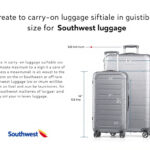
- Carry-on luggage size for Southwest
- Carry-on luggage size for United Airlines
Sticking to a size that works across most carry-on luggage airlines gives you more flexibility and reduces gate-check surprises. A durable, TSA-locked bag is most useful when you actually get to keep it with you in the cabin.
Wheels, handles, and how your bag moves
Durability is not just about the shell. How your carry-on moves through airports makes a big difference in how long it lasts, especially at stress points where your TSA lock, zippers, and handles connect.
Spinner vs two-wheel
When you compare best carry-on luggage, you will see two main wheel setups:
- Four-wheel spinners, which roll upright beside you and pivot easily in tight spaces
- Two-wheel rollers, which tilt and drag behind you like a traditional suitcase
Spinners are great for crowded terminals and smooth floors. Two-wheel bags often fare better on uneven surfaces like cobblestones or cracked sidewalks. Both can be durable if the wheel housings are strong and the axles are protected.
Handle comfort and stability
A sturdy telescoping handle that does not wobble reduces strain on the bag’s frame, which in turn keeps your TSA lock aligned with the zipper pulls. Check for:
- A handle that extends to a comfortable height for you
- Minimal side-to-side play
- Smooth retraction that does not jam easily
If you often carry a laptop bag or tote on top of your suitcase, look for bags with flat tops and stabilizing straps so your extra bag does not twist and pull at the handle when you roll.
Organization, laptop access, and business travel needs
If you travel for work, you probably want more from your carry-on than just a tough shell and a TSA lock. You also want organization that supports your daily routine.
Laptop compartments and quick-access pockets
Many modern carry-ons include a front compartment or a built-in laptop sleeve. Options to consider:
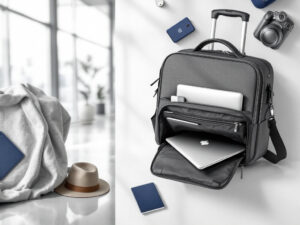
- Carry-on luggage with laptop compartment that allows you to slide your device out quickly at security
- Carry-on luggage for laptop with padding and straps so your computer stays secure even if the bag tips over
- External pockets for chargers, documents, and small essentials that you want separate from your main packing area
For business travelers who prefer a clean look, premium bags like the Travelpro Platinum Elite 21 inch spinner offer thoughtful features such as refined zipper pulls, leather handles, and quality fabrics. In some cases they also include TSA-compliant accessories, like removable wet cases for liquids that help you get through security faster.
Interior organization
Good interior layout makes it easier to use your TSA lock strategically. For example, you might keep valuables and important documents in locked sections while leaving clothing in easier-to-access areas.
You can also use carry-on luggage packing cubes to segment your clothing, tech, and toiletries. This makes it less obvious where valuables are stored and keeps everything tighter so items are less likely to shift and strain the zippers.
Hard shell vs soft shell for TSA locks
Both hard shell and soft shell bags can work well with TSA locks, but they behave differently under pressure.
Hard shell benefits
Hard shells, especially the best carry-on luggage hard shell options, typically:
- Integrate TSA locks neatly into the shell
- Provide a rigid frame that keeps zippers aligned with the lock
- Offer more crush resistance if other bags are stacked on top
This is a popular choice if you value a sleek look, are concerned about impacts, or plan to use your carry-on as your main luggage for longer trips.
Soft shell advantages
Soft shell bags, often made of ballistic nylon or polyester, can:
- Be slightly more forgiving when gate agents try to fit them into sizers
- Offer more exterior pockets for quick access items
- Sometimes weigh a bit less than equivalent hard shells
The key with soft shells is to look for strong fabric, reinforced seams, and high quality zippers, because those are what keep the TSA lock functional over years of use.
Extra features that complement a TSA lock
Your carry-on does not need every possible upgrade, but a few thoughtful extras can make your TSA lock even more effective and your travel day smoother.
- Expansion zippers: Carry-on luggage expandable designs let you add a little extra space. If you use expansion often, be sure the lock and zippers are rated for the added strain.
- Built-in chargers: Carry-on luggage with charger can keep your phone powered up in terminals, but make sure the battery is removable so you can comply with airline rules.
- Personalization: Carry-on luggage personalized with monograms or bright colors makes your bag easier to identify and less likely to be grabbed by mistake.
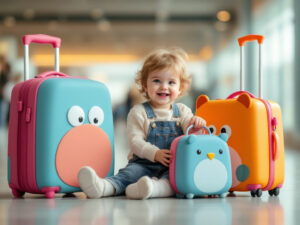
- Kid-friendly options: If you travel with children, carry-on luggage for toddlers with simple closures can keep their things contained, even if you only use a TSA lock on your main bag.
None of these are mandatory, but they can round out your setup and help your TSA lock fit seamlessly into your travel routine.
Quick rule of thumb: let security and durability drive your choice first, then layer on conveniences like chargers, organizers, and expansion.
Security beyond TSA locks
Because TSA locks are not foolproof, it pays to think about overall security.
Here are low-effort, high-impact habits:
- Keep valuables such as electronics, jewelry, and important documents in a personal item under the seat, not in your carry-on overhead, even if it has a TSA lock.
- Use packing cubes or internal pouches so items are not loose near the zipper. That makes “quick grabs” much harder.
- In hotel rooms, lock your carry-on and place it in a less obvious spot rather than right by the door.
- Consider simple add-ons like zip ties on exterior pockets if you are especially concerned. These are not high security, but they show if someone has opened the bag.
Some travelers also use luggage covers to make bags harder to access quickly, especially when combined with TSA-compliant locks. While no single step guarantees safety, these layers work together to reduce risk.
How to shop smarter for carry-on luggage with TSA lock
When you are ready to buy, it helps to approach your search methodically so you get the best mix of features for the price.
- Confirm your airline size and weight needs using a guide to carry-on luggage size and airline specific pages.
- Decide if you prefer hard shell or soft shell based on how you pack and where you travel.
- Choose between built-in TSA combination locks and separate padlocks or cable locks.
- Compare options in your budget using carry-on luggage reviews to check for real-world durability feedback.
- Look for sales or bundles on a carry-on luggage sale or carry-on luggage deals page so you can stretch your budget further.
If you want more tailored suggestions, you can also explore:
- Carry-on luggage for men if you prefer more traditionally masculine styles
- Lightweight carry-on luggage if lifting overhead bins is your main concern
- Carry-on luggage tsa approved collections that already filter for TSA-friendly options
The more specific you are with your needs, the easier it is to ignore distracting features that do not really matter to you.
Putting it all together
With the right carry-on luggage with TSA lock, you get a bag that:
- Meets airline rules so it actually travels with you
- Rolls smoothly and feels comfortable in your hand
- Stands up to years of flights without broken zippers or cracked shells
- Lets security inspect it without destroying your lock or luggage
- Adds just enough security to discourage casual tampering
You do not need to overcomplicate the choice. Start with size and durability, confirm that the lock carries the Travel Sentry Red Diamond logo, then pick the design and interior layout that fits the way you travel.
If you are ready to upgrade, begin by checking airline specific size rules and then narrow your options from there. Investing once in a solid, TSA-ready carry-on can save you many frustrated gate checks and broken locks in the years ahead.
FAQs
Do I need a TSA lock on a carry-on?
Not required, but it’s useful for deterring casual tampering and preventing accidental zipper pops—especially if your bag gets gate-checked occasionally.
Does TSA require TSA locks?
No. But TSA notes that if a locked bag can’t be opened during inspection, the lock may be cut.
How do I confirm a lock is TSA accepted?
Look for the Travel Sentry Red Diamond logo on the lock or built-in mechanism.
Are TSA locks secure from theft?
They help with basic deterrence, but they’re not theft-proof. Use layers: valuables in your under-seat personal item, packing cubes, and smart placement.
What carry-on size works for most U.S. airlines?
Many airlines commonly use around 22 x 14 x 9 inches (including wheels/handles), but rules vary by carrier and route.