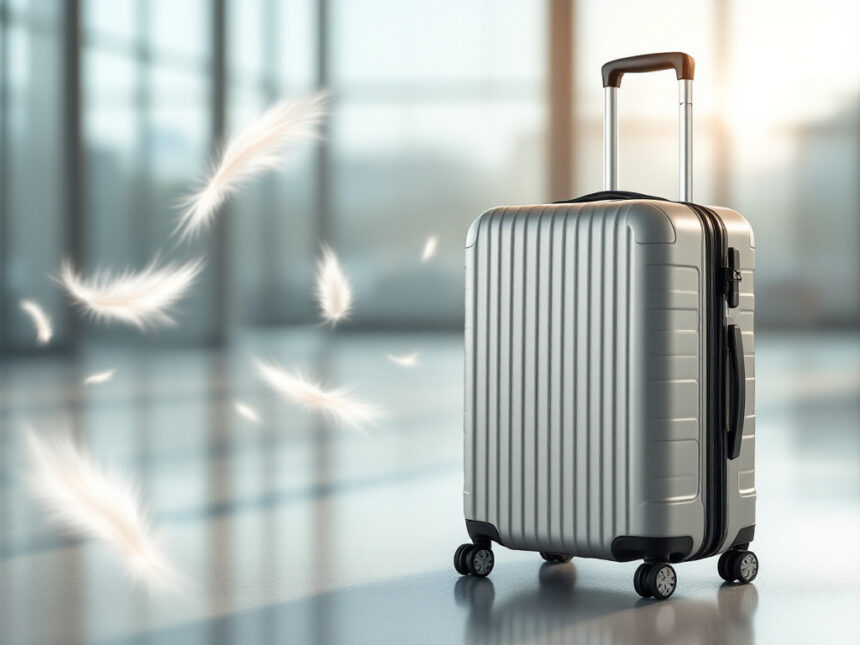
A great piece of lightweight carry-on luggage quietly solves a lot of travel stress for you. It keeps your bag out of the gate-check pile, glides beside you with almost no effort, and still has enough structure and organization to handle business trips or last-minute getaways.
This guide walks you through what actually matters in lightweight carry-on luggage, how to decode materials and features, and which types of bags fit different kinds of travelers. You will also see examples of standout models so you can picture what “powerhouse” performance looks like in real life.
Why lightweight carry-on luggage matters
When you choose lightweight carry-on luggage, you are really choosing freedom. A few pounds off your bag weight means easier lifts into overhead bins, less fatigue on long connections, and more room for actual belongings instead of heavy hardware.
Lightweight carry-ons typically fall between 4 and 6 pounds, which is a big help if you fly airlines with strict carry-on luggage weight limit rules. Even if you usually fly carriers that do not weigh cabin bags, a lighter suitcase gives you flexibility if a gate agent decides to check.
Lightweight does not have to mean flimsy. Many modern bags hit that 4 to 6 pound sweet spot and still roll smoothly, protect your gear, and look pulled together at the hotel lobby check in.

What “lightweight” looks like in real products
The research on current standouts gives you a feel for real-world numbers:
- Samsonite C Lite Carry on Spinner weighs only 4.5 pounds and uses tough Curv Recyclex material
- Samsonite Uplift Hardside Carry on is 5.1 pounds and still offers expandability by 1 inch
- Osprey Daylite Wheeled Duffel 40 comes in at 5.2 pounds and packs a big 42.2 liter volume
- Travelpro Maxlite 5 Carry On Spinner weighs 5.4 pounds but offers a huge 46 liter capacity
- Rockland Melrose Underseater is only 3.99 pounds and fits under most seats
You can see that your ideal “powerhouse” bag can be both light on the scale and heavy on useful features.
Know your airline rules first
Before you fall in love with any suitcase, double check that it fits the airlines you actually fly.
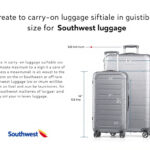
Each carrier sets its own carry-on luggage dimensions and sometimes even different rules by route. If you regularly fly one brand, look at guides like carry-on luggage size for southwest or carry-on luggage size for united airlines. If you bounce between carriers, compare those to carry-on luggage size for american airlines and look for the most restrictive.
Most standard rolling bags marketed simply as carry-on luggage will fall close to these limits, but some “21 inch” or “22 inch” models measure slightly larger once you include wheels and handles. That is where a truly lightweight carry-on helps. If you keep the outer size conservative, you can still maximize capacity with smart internal design and materials that do not add bulk.
If you often fly budget or international carry-on luggage airlines, treat their rules as your baseline. That way you avoid surprise carry-on luggage restrictions or last minute gate checks.
Materials that keep weight down without feeling cheap
The shell material of your suitcase is one of the biggest factors in how heavy or durable it feels. Understanding the differences helps you decide what “lightweight” means for you.
Hard shell options
If you are leaning toward carry-on luggage hard shell, you will see a few common materials.
Polypropylene
Polypropylene is lighter than polycarbonate, which is why you see it in models like the Samsonite Freeform Spinner. That bag weighs just 6.6 pounds yet offers 41.2 liters of space and a shell that resists cracks and bruises. You get a forgiving exterior that flexes and bounces, so it works well if you are rough on bags but still want a low weight.
Polycarbonate
Polycarbonate gives you more sturdiness and rigidity. It is slightly heavier than polypropylene, but it excels at impact and scratch resistance, and it has very good water resistance. Polycarbonate flexes under pressure so it is less likely to crack, which makes it a strong choice if you want durable carry-on luggage that can handle frequent trips and lots of baggage handlers (Travelpro highlights this material in its Maxlite Air spinners).
Aluminum
Aluminum looks and feels premium. It ranks at the top for impact and water resistance, but you pay for that with weight. For a traveler focused on lightweight carry-on luggage, aluminum often tips the scale too far, especially if you are already trying to avoid checked baggage fees. If you mostly take long haul trips where protection matters more than ounces, it is an option, but otherwise you will probably prefer modern plastics.
Soft shell fabrics
Softside bags still dominate many carry-on luggage sale sections because they are easier to compress into overhead bins and often weigh less than their hard shell siblings.
Polyester
Polyester soft-side cases, like the Travelpro Maxlite 5 21 inch Carry On Spinner, are very light and flexible. When treated with protective coatings such as DuraGuard, they resist water and scuffs reasonably well. For occasional vacation trips and weekend getaways, they hit a nice balance of weight, price, and performance.
Nylon and ballistic nylon
Nylon, especially ballistic nylon, offers superior tear and abrasion resistance. Travelpro’s Platinum Elite series, for example, uses ballistic nylon for a suitcase that feels upscale and tough without being as heavy as aluminum. You get medium weight with strong zippers and hardware, which suits business travelers who want a polished look plus durability.
If you are tempted by extremely cheap polyester, keep in mind that very thin fabrics can have lower impact and water resistance. You save a few ounces and a bit of money, but you may give up long term reliability.
Eco conscious fabrics
Some newer designs, such as the Soft Stripe 2.0 Expandable Carry on, use 100 percent recycled polyester. That bag emphasizes sustainability, ultra light construction, and smooth 360 degree wheels. If you want to travel lighter on your shoulders and on the planet, options like this help you line up your values and your packing style.
Wheels, handles, and the way your bag feels in motion
You probably notice the weight of your suitcase most when you are in motion, not on a scale. That is why wheels and handles matter as much as the empty weight.
Spinner versus two wheel
Four wheel spinner bags dominate airport terminals for a reason. They glide beside you on multi directional wheels, which eases strain on your arms and shoulders. Travelers who walk long concourses appreciate that spinning, almost fingertip control, especially in carry-on luggage with wheels that are engineered for low friction.
There is a tradeoff. More wheels and hardware add weight. Two wheel rolling models tend to be lighter, smaller, and often less expensive. They drag behind you instead of gliding upright, which can feel more tiring in tight spaces, but if your main goal is the absolute lightest weight carry-on luggage, they can be a smart choice. The Patagonia Black Hole Wheeled Duffel Bag 40L, for example, uses a two wheel design and lightweight materials that help it weigh noticeably less than many padded spinners, making it a fast mover through airports and streets.
Handles that make lifting easier
Look for telescoping handles that feel sturdy, do not wobble, and extend high enough that you are not hunching your shoulders. Lightweight does not help you much if you constantly strain to pull the bag.
Side and top hand grips also matter. You will use them every time you lift the bag into an overhead bin. Well padded grips, placed so they balance the weight, make quick lifts feel safer and smoother. Multi directional wheels plus ergonomic handles give you better maneuverability and a more relaxed trip from car to gate.
Smart space: capacity, organization, and expansion
A standout lightweight carry-on luggage powerhouse gives you more usable space, not just a lower number on the product specs.
How liters and layout work together
Two bags with the same external carry-on luggage size can feel very different inside. The Samsonite Freeform Spinner offers 41.2 liters, while the Travelpro Maxlite 5 Carry On Spinner stretches capacity to about 46 liters. Both fit a typical carry-on profile, but the internal layout, shell thickness, and frame structure change how much you can realistically pack.
The Gregory Quadro Pro 22 inch is another interesting example. It weighs 7.1 pounds yet offers 43.5 liters of space and one of the best weight-to-volume ratios among hardshell luggage. Its secret is smarter internal design, including an ActiveShield compartment that isolates muddy or wet items from clean clothes. You get more real world utility per pound, not just theoretical capacity.
Expansion without bulk
An expandable bag, such as the Soft Stripe 2.0 that adds 5 centimeters of depth, or the Samsonite Uplift Hardside with 1 inch of expansion, can be a lifesaver on the return trip when you suddenly have extra souvenirs. Carry-on luggage expandable designs let you compress down to a sleeker profile on the way out and then open up if you need breathing room later.
Just remember expansion can push your bag beyond stricter overhead limits if you really over pack. Treat expandability as a flexible bonus, not an excuse to load to the maximum every time.
Built in organization
Good organization helps a lightweight bag function like a larger one. Look for features such as:
- Compression straps that cinch clothes flatter
- Internal zipper pockets for socks, chargers, and small items
- Separate compartments for shoes or dirty laundry
- Removable or dedicated sections for wet gear
The Gregory Quadro Pro’s waterproof ActiveShield area is a clear example. If you hike, hit the gym, or travel in rainy climates, this contained space lets you carry muddy items without sacrificing the rest of your packing.
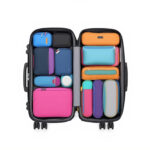
If you rely on carry-on luggage packing cubes, make sure the main compartment opens flat and offers enough depth to stack cubes without bulging. A simple, open layout often works better with cubes than lots of small fixed pockets.
Business travel needs: laptop access and clean lines
If you are flying for work, your lightweight carry-on is basically a mobile office. You need laptop access, clean exterior lines, and storage that helps you breeze through security and meetings.
Dedicated tech compartments
Bags labeled as carry-on luggage with laptop compartment or carry-on luggage for laptop usually include padded sleeves and quick access pockets for your computer and tablet. Some even open book style so you can lay your laptop compartment flat for TSA screenings, similar to carry-on luggage tsa approved designs for electronics.
If you often roll directly into conferences, look for separate front pockets to stash cables, a mouse, and work documents. That way, you are not digging through clothes in the middle of a client lobby.
Polished style and durability
Ballistic nylon exteriors, like those on the Travelpro Platinum Elite 21 inch Spinner, give you a tailored, professional look that also resists tears. At roughly 7 pounds, it is not the lightest option available, but you gain refined organizational features and strong wheels and zippers that can withstand weekly travel.
If you lean more minimalist but still want solidity, models like the Away Carry On use dense polycarbonate shells and simple, modern lines. The built in compression panel inside helps cinch clothing flat, which keeps your wardrobe sharp for meetings even when you pack tight.
Vacation travel: simple, reliable, not fussy
If you travel a few times a year for fun, your ideal lightweight carry-on luggage probably looks a bit different. You want simple, reliable construction and a price that does not sting, without a forest of pockets you never use.
Value focused standouts
The Samsonite Uplift Hardside Carry on is a good blueprint. At 5.1 pounds with durable construction, smooth wheels, and sub 200 dollar pricing in many stores, it hits that “good enough for every trip” sweet spot. You get expandability, basic organization, and a brand that is known in almost any airport.
The Rockland Melrose Upright Wheeled Underseater plays a different role. At just under 4 pounds and compact dimensions of 15 by 14 by 9 inches, it fits under most airplane seats. If you prefer to travel with a personal item only or want a small companion to your main suitcase, an underseat bag like this keeps essentials within reach and avoids the overhead bin scramble.
Budget options like the BAGSMART Roamer Expandable 20 inch Carry On often come in light and affordable, but usually with slightly less refined wheels and hardware. If your trips are occasional and you are gentle with your bags, that tradeoff might be acceptable. If you expect heavy use, spending a bit more can save you replacement costs later.
Active travel: duffels, backpacks, and hybrids
You might not want a rigid suitcase at all. For some trips, carry-on luggage backpack or duffel styles fit better in cars, trains, and overhead bins.
The Osprey Daylite Wheeled Duffel 40 is a good example of a hybrid powerhouse. It is one of the lightest rolling carry-ons at around 5.2 pounds, yet it offers a generous 42.2 liter capacity. You can roll it through smooth airports, then convert it to a backpack when you hit cobblestones or rougher terrain.
Carry-on duffels and garment bags can also play a role. Garment bag styles help keep suits and dresses hung and folded to reduce wrinkles, which is useful if you prefer not to rely on hotel irons. Just verify they still meet common carry-on luggage dimensions once filled.
Comfort and safety features worth having
Once you are comparing a handful of lightweight models, smaller comfort and security features can break the tie.
Locks and zippers
Built in TSA approved locks, like those on the Soft Stripe 2.0, give you a simple way to keep your main compartment secure. Look specifically for carry-on luggage with tsa lock or external locks marked as TSA compliant, which lets security agents open and relock your bag if necessary without cutting.
Ballistic nylon bags often advertise excellent zipper integrity, and that is not a minor detail. Zippers are one of the most common failure points on luggage. If you travel often or pack tightly, reinforced zippers are worth the slight weight tradeoff.
Charging and tech
Some modern suitcases integrate USB ports so you can charge your phone from a power bank tucked inside, similar to options listed as carry-on luggage with charger. The Samsonite C Lite, for example, includes an integrated USB charging feature in an ultra light frame.
If you rely on your phone for boarding passes, hotel keys, and navigation, a convenient charging setup can make a long day of travel feel much easier. Just confirm whether the battery is removable so you comply with carry-on luggage restrictions around lithium batteries.
Matching the bag to the traveler
There is no single “best” lightweight carry-on luggage for everyone. Instead, you are looking to line up your habits and preferences with the right feature mix.
To make that easier, here is a simple comparison of who tends to benefit from different styles:
| Traveler type | Best lightweight style | Why it works |
|---|---|---|
| Weekly business flyer | Medium weight spinner made from ballistic nylon or polycarbonate | Polished look, strong organization, smooth wheels, decent but not ultra minimal weight |
| Occasional vacationer | Value oriented softside or basic hardside spinner | Lower price, simple pockets, enough durability for a few trips a year |
| One bag minimalist | Slightly smaller hard or soft carry-on plus tight packing system | Avoids checks, easier to lift, works across multiple airlines |
| Adventure traveler | Wheeled duffel or hybrid backpack wheeler | Handles rough terrain, flexible packing for odd shaped gear |
| Parent with toddlers | Wide opening softside or wheeled duffel plus personal item | Easy to access snacks and clothes, forgiving materials |
When you read carry-on luggage reviews, try filtering your choices by which of these traveler types sounds most like you. That way, you avoid being swayed by features that look cool but do not fit your reality.
How to shop confidently for your next lightweight carry-on
When you are ready to pick your own “powerhouse” bag, it helps to approach shopping in a simple order so you do not get lost in endless specs.
- Confirm size and airline fit
Start with the carry-on luggage dimensions that work across your usual carriers. If you mainly fly one airline, zero in on guides like carry-on luggage size for united airlines so your new bag does not get flagged on your very first trip. - Decide hard shell or soft side
Think about where you travel and how you pack. Hard shells offer better impact and water resistance, while softside bags are often lighter and more forgiving in cramped overhead bins. - Set your weight target
If absolute lightness is your top priority, look specifically for carry-on luggage lightest weight options in the 4 to 5 pound range. If you are willing to trade an extra pound for better wheels and organization, widen your search to 6 or even 7 pounds. - Prioritize your must have features
Make a short list: laptop compartment, underseat size, expansion, TSA lock, USB charging, or special uses like carry-on luggage for toddlers. Match bags to that list instead of getting distracted by extras you will not use. - Look for real world feedback
Browse trusted carry-on luggage brands and dig into best carry-on luggage roundups or manufacturer testing notes like those from Travel + Leisure on features such as spinner wheels and handle comfort (Travel + Leisure highlights lightweight spinners as key to easier travel). This outside perspective catches issues like noisy wheels or fragile handles that specs alone will not show.
If budget is a factor, keep an eye on carry-on luggage deals and carry-on luggage sale pages. A midrange bag that fits you well is usually a better investment than the cheapest model that happens to be light.
Bringing it all together
Your next trip really can feel easier with the right lightweight carry-on luggage. Once you nail your size requirements, choose a material and wheel setup that match how you travel, and focus on smart internal space instead of gimmicks, your suitcase stops being something you fight and starts being something that quietly helps.
If you want to dive deeper, explore guides on durable carry-on luggage or specialized picks like carry-on luggage personalized for easy spotting at the carousel, carry-on luggage for men for more tailored styling, or carry-on luggage with wheels to compare rolling performance.
Start by deciding what you want your next trip to feel like, not just what you want your bag to look like. Then choose the lightweight carry-on that supports that experience every step, gate, and overhead bin along the way.
FAQs
What is considered lightweight carry-on luggage?
Most lightweight carry-ons land around the “easy lift” zone—light enough to get into overhead bins without strain. Prioritize fit, wheels, and layout over chasing the lowest number.
Spinner vs two-wheel: which is better for lightweight carry-ons?
Spinners feel effortless on smooth airport floors. Two-wheel bags often weigh less and roll better on rough sidewalks or cobblestones—great for mixed-terrain travel.
Do USB charging carry-ons have restrictions?
Yes. Power banks/spare lithium batteries must be in your carry-on, not checked. If the battery is removable, remove it when required by airline policy.
Are TSA locks required for carry-on luggage?
Not required, but helpful. Use TSA-accepted locks (often marked with the Travel Sentry red diamond) so security can open and re-lock without cutting your lock.
What carry-on size works for most U.S. airlines?
Many major U.S. carriers commonly use 22 x 14 x 9 inches, but always confirm your airline and route because limits vary.
How do I maximize space in a lightweight carry-on?
Use packing cubes, compression straps, and a flatter “clamshell” interior. Expansion is great for return trips—just don’t exceed airline limits when expanded.