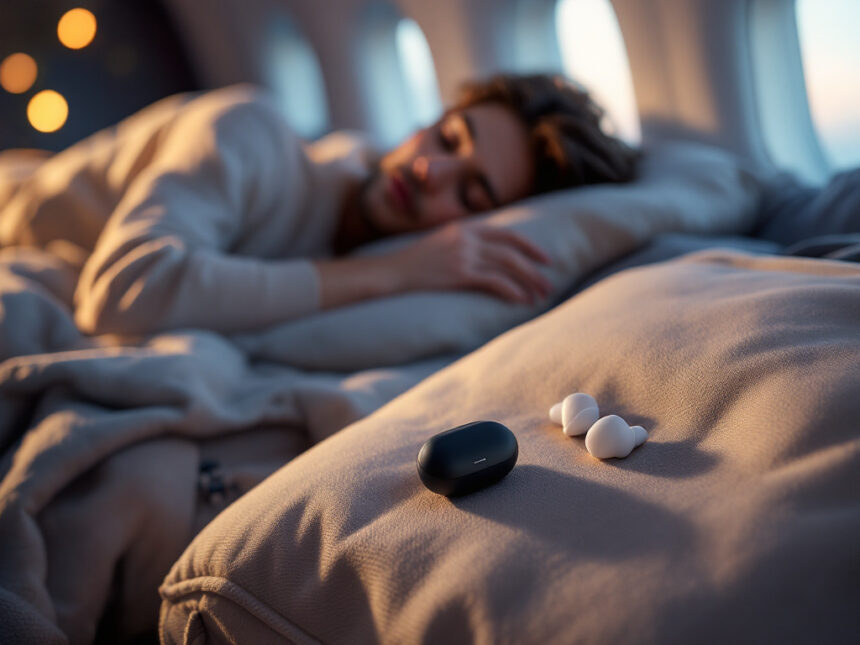
A peaceful flight or train ride often starts with one small item: comfortable travel earplugs. When your ears feel good, and the noise fades to a gentle hush, you can nap, work, or unwind without feeling drained when you arrive.
Below, you will learn what actually makes earplugs comfortable, how different materials perform, and how to choose the right pair for your specific trips, whether you are a frequent flyer, a business traveler, or sharing a room with family.
Why comfortable travel earplugs matter
Travel noise is not just annoying, it is exhausting. Engines drone, people talk, carts rattle, and hotel hallways stay active long after you want to sleep. Comfortable travel earplugs lower that constant sound so your body can relax.
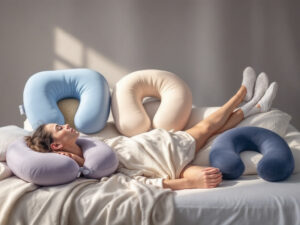
You may already use travel sleep accessories such as a neck pillow, eye mask, or blanket. Earplugs are the missing piece that helps calm your nervous system. When you cut the noise to a gentler level, you fall asleep faster on red-eyes, stay asleep longer in hotels, and wake up more refreshed and presentable for meetings or time with family.
The key word here is comfortable. If earplugs hurt, itch, or keep popping out, you will not wear them long enough to get real benefits.
Understand what “comfortable” really means
Comfortable travel earplugs are about more than softness. Several factors work together to create that “I can forget I am wearing these” feeling.
Fit and seal
You want a snug seal that blocks sound, but not a plug that feels like pressure deep in your ear canal. Comfortable earplugs usually:
- Seal at or near the entrance of your ear, not too deep
- Come with several tip sizes so you can match your ear canal
- Stay put when you talk, yawn, or turn your head
Products like Loop earplugs use super soft silicone tips in multiple sizes so you can fine tune the fit and keep them stable on subways or buses.

Material and skin feel
Material plays a huge role in comfort. Flexible, medical grade silicone is popular because it molds to your ear shape, is easy to wash, and is less likely to cause irritation or allergic reactions compared with some foams. Silicone earplugs keep their shape and noise reduction over time, so they stay consistent from trip to trip.
Natural beeswax earplugs offer another comfort advantage. They rest gently at the ear opening instead of expanding inside the canal. The beeswax molds to your ear, remains breathable, and avoids painful pressure during altitude changes, which can be especially helpful if you are sensitive to in flight pressure changes.
Noise reduction level
More is not always better. Foam earplugs can reach an NRR of 28 to 33 dB when inserted deeply, which is excellent for noise blocking, but can feel isolating and uncomfortable for some travelers. Many frequent flyers prefer moderate noise reduction that softens the roar of engines while still allowing you to hear important announcements or a child needing you.
Reusable silicone models often sit in the 20 to 26 dB range, which is easier on your ears for long wear and still enough to turn a loud cabin into a background hum.
Ease of use on the go
When you are boarding late, juggling a carry on, and trying not to drop your boarding pass, you do not want a fiddly pair of earplugs. Comfortable travel earplugs should be:
- Quick to insert without a mirror
- Easy to clean in a hotel sink
- Simple to store in a small case or on a keychain
Reusable designs like Loop and AXIL include compact carry cases so you can keep them in your pocket, computer bag, or travel comfort kit without hunting for them.

Compare the main earplug materials
You have four main categories to choose from for comfortable travel earplugs: foam, silicone, moldable wax or silicone putty, and beeswax. Each has tradeoffs for noise reduction, comfort, and cost.
| Material type | Typical noise reduction | Comfort highlights | Best for |
|---|---|---|---|
| Foam plugs | 28–33 dB NRR | Strong noise blocking, but can cause ear pressure, itching, or pain during long wear | Very loud flights, occasional use, budget needs |
| Silicone plugs (shaped) | 20–26 dB NRR | Flexible, medical grade silicone molds to ear, reusable and cleanable, less irritation | Frequent flyers, business travel, daily commuting |
| Moldable wax or silicone putty | 22–23 dB NRR | Seal at ear opening only, excellent comfort for sensitive ears, remoldable | Sleeping on planes or in hotels, side sleepers |
| Natural beeswax plugs | Moderate but effective reduction | Hypoallergenic, antimicrobial, gentle at ear opening, maintains comfort through temperature changes | Sensitive skin, long haul flights, camping and mixed travel |
Foam earplugs remain the most popular and most effective for pure noise blocking. However, they often need to be inserted deep, which causes discomfort for many people over longer periods. They can also contain PVC with additives that are not ideal for the environment.
Silicone earplugs, especially medical grade versions, are reusable, durable, and easier on your skin. They do not degrade quickly, so they are more cost effective over time and generate less waste.
Moldable wax or silicone putty plugs, like those from Ohropax or Mack’s, seal only at the entrance to your ear canal. This can be a big relief if you cannot tolerate deep insertion. You simply press them into place and they conform to the shape of your ear opening.
Beeswax earplugs add another layer of comfort. They are hypoallergenic and antimicrobial, which reduces the chance of irritation during long trips. Their pliable consistency keeps a gentle but secure seal, and they do not harden or shrink with temperature changes in airplanes or outdoor conditions.
Match noise reduction to your travel style
The right level of noise reduction depends on how and where you travel, and what you need to stay comfortable.
For frequent flyers and red eyes
If you often take overnight flights or long hauls in economy, you probably want a pair that can handle hours of engine noise without feeling like they are drilling into your ears. Comfortable travel earplugs in the silicone category work well here.
Loop Quiet 2 earplugs, for example, reduce sound by up to 24 dB and come with four sizes of removable ear tips from extra small to large. Their hypoallergenic silicone is easy to clean and gentle for repeated use. That balance of good noise reduction and soft material makes them a solid fit for long flights.
AXIL’s X30i and X20 models are also travel focused. The X30i offers dual mode noise protection, which helps with both steady engine noise and impulse sounds such as announcements. The instant sound control lets you switch between full protection and a hear through mode so you stay aware of your surroundings without removing them. The X20 delivers straightforward dual noise protection and can help regulate air pressure changes during takeoff and landing, which is valuable if your ears tend to hurt during altitude shifts.
For business travelers who need to arrive “meeting ready”
If you land and go directly to meetings, you need sleep rather than total silence. Earplugs that bring noise down to a soft whoosh while letting you hear your alarm are ideal.
Moderate reduction options like Loop Engage or Loop Experience reduce noise by around 16 to 18 dB, with Plus versions adding about 5 dB more. They are designed so you can still follow conversations, which is useful if you need to speak with cabin crew or colleagues during the flight. Combine them with comfortable travel eye masks and a supportive travel neck support pillow so you can sleep upright without a sore neck.
If you prefer to listen to calming music or white noise, consider alternating earplugs with noise canceling sleep earbuds. Some ANC earbuds, such as the 1More Dual Driver ANC Pro, use shallow ear canal seals and multiple noise canceling levels. This gives you flexibility to block cabin noise while still accessing your audio.
For families and couples sharing rooms
When you are in a shared hotel room, your goal is usually harmony. That might mean blocking a partner’s snoring, hallway noise, or early morning traffic.
Silicone earplugs like the Loop Dream model are tailored for sleep comfort. They are designed specifically for side sleepers and use ultrasoft silicone in a closed loop shape that reduces ear pressure on your pillow. With about 27 dB of noise reduction, they are effective at softening snoring or hotel noise without resorting to bulky headbands.
If you have small ears, Anbow silicone earplugs are worth a look. Their twist insertion design helps create a secure fit in smaller canals and they are tuned to block disruptive sounds like snoring while still allowing important sounds, such as alarms, to get through. That can be reassuring if you are responsible for waking up with kids.
Consider your sleeping position and sensitivity
Even the best earplug will feel wrong if it does not match your sleeping position or sensory needs.
Side sleepers
Side sleepers often feel pressure from the pillow pushing the plug into their ear. Look for:
- Low profile designs that do not protrude
- Moldable wax or silicone that you can flatten slightly
- Models marketed specifically for side sleepers, such as Loop Dream earplugs
Moldable wax and silicone plugs press gently against the ear opening instead of sitting deep in the canal. This makes them much more comfortable when your ear is against a pillow, whether you are on a plane, train, or hotel bed.
Noise sensitive travelers
If you are sensitive to sound or easily overwhelmed in noisy environments, you may benefit from carrying two types of earplugs. Audiologists and hearing specialists suggest using moderate reduction earplugs during the day so you can stay aware and communicative, then switching to higher reduction models for very loud situations or meditation.
High reduction models like 3M Push Ins, which offer an NRR of about 28 and a natural, even reduction, can be helpful on particularly loud flights or in bustling terminals. Moderate options such as Vibes earplugs, with an NRR of around 15, are designed for coffee shops, urban walking, airports, and train stations. Their treble roll off makes harsh sounds less sharp without completely muting the world.
Sensitive skin or allergy prone ears
If your ears react easily, prioritize hypoallergenic materials. Beeswax earplugs are both hypoallergenic and antimicrobial, which helps reduce the risk of irritation and infection. Silicone earplugs made from medical grade silicone are another good choice, because they are smoother, easier to wash, and less likely to harbor bacteria.
Foam earplugs, while effective, may cause itching or discomfort for some users, especially if worn for many hours in warm environments.
Balance cost, durability, and sustainability
Comfortable travel earplugs are one of those items where paying a bit more up front can save you money and frustration later.
Disposable foam earplugs can be very inexpensive on a per pair basis and work well if you only travel occasionally. However, they lose resilience after compression, their noise blocking degrades with reuse, and they are typically single use. That means more waste and frequent repurchases.
Reusable silicone earplugs cost more initially, often around the price of a simple travel accessory, but they can last six months or longer with proper care. You can wash them, dry them, and put them back in their case, which is better for both your wallet and the environment. Since they maintain consistent noise reduction over time, you also avoid the “are these still working?” guessing game you can get with very worn foam plugs.
If you travel regularly and already invest in items like comfortable travel socks, memory foam travel cushions, or a travel pillow with washable cover, a reusable set of comfortable travel earplugs fits naturally into that same category of long term essentials.
Pair earplugs with other comfort gear
Earplugs work even better as part of a small, thought through comfort kit. With just a few pieces, you can turn almost any seat or room into a more restful space.
You might combine your earplugs with:
- A supportive travel head support pillow or ergonomic travel pillow so your neck stays neutral while you sleep
- A travel pillow for side sleepers if you prefer leaning against the window
- A soft lightweight travel blanket or compact travel blanket when cabin temperatures drop
- A travel pillow and blanket set or travel blanket with built-in pillow for all in one coziness
- A compact travel sleep mask or comfortable travel eye mask to block overhead lights
If you are building a full kit, you can also explore travel comfort kit essentials or compact travel sleep kits to see how earplugs fit with your other gear. The more of your senses you calm, the easier it becomes to fall asleep even in economy.
Use earplugs safely and strategically
Otolaryngologists advise using earplugs primarily for occasional noisy environments, such as flights or very loud hotels, rather than as a nightly habit at home. Regular continuous use can interfere with the ear’s natural defense and cleaning mechanisms.
A few simple habits help you stay comfortable and safe:
- Alternate earplug types on very long trips, for example switch between foam and silicone or different shapes to avoid pressure points
- Insert only as deep as necessary to create a seal, especially with foam plugs
- Clean reusable silicone or beeswax earplugs regularly according to the manufacturer’s instructions
- Give your ears a break between segments when possible
If you need additional help dozing off, look into sleep aids for airplane travel that do not rely solely on blocking noise. Breathing exercises, gentle stretches, and a supportive travel lumbar support pillow or travel footrest for airplanes can ease physical tension while your earplugs handle the sound.
How to choose the best comfortable travel earplugs for you
When you are ready to pick a pair, use this quick framework. Think about:
- Your main use case
Are you flying red eyes, commuting daily, sharing hotel rooms, or all three - Your noise tolerance
Do you want to soften noise or nearly block it - Your ears and skin
Do you have small ear canals, sensitive skin, or a history of irritation - Your sleeping style
Are you a side sleeper, back sleeper, or someone who changes positions often - Your travel frequency and budget
Do you fly monthly, quarterly, or once a year
If you travel frequently and value long term comfort, a reusable silicone option with multiple tip sizes, such as Loop Quiet 2 or similar models, is often the best starting point. Add a moldable wax or beeswax pair if you are a side sleeper or very sensitive to pressure. Keep a few foam pairs on hand as backup for extremely loud situations.
Combined with the right comfortable travel sleeping gear, including inflatable neck pillows for travel or comfortable inflatable travel pillows, you will have a simple, compact setup that makes red eyes, long hauls, and busy family trips feel much more manageable.
Try wearing your new earplugs for an hour at home before your next trip. If you can forget about them while you read or watch a show, you have likely found a comfortable travel earplug that will work just as well at 35,000 feet.
FAQs
Do comfortable travel earplugs block all noise on a plane?
No—most reduce noise so it becomes a softer “hum.” For example, Loop Quiet 2 is positioned as reducing noise rather than eliminating it.
What’s better for flights: foam or silicone earplugs?
Foam can provide very strong noise reduction (great for loud cabins), while reusable silicone is often easier on the skin and more comfortable for long wear. Pick based on comfort + your noise tolerance.
Which earplugs are best for side sleepers in hotels?
Moldable silicone putty and low-profile sleep-focused designs tend to reduce pillow pressure on the ear.
How do I know if my earplugs fit correctly?
NIOSH suggests a simple check: count out loud while cupping/uncupping your hands over your ears—your voice should sound similar to a good fit.
Is it safe to wear earplugs for long periods?
For travel use, it’s generally fine for most people, but prolonged in-ear use can trap moisture and contribute to irritation or infection risk—keep ears dry and clean your gear.