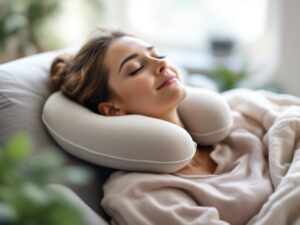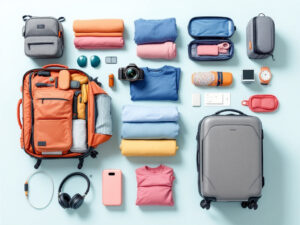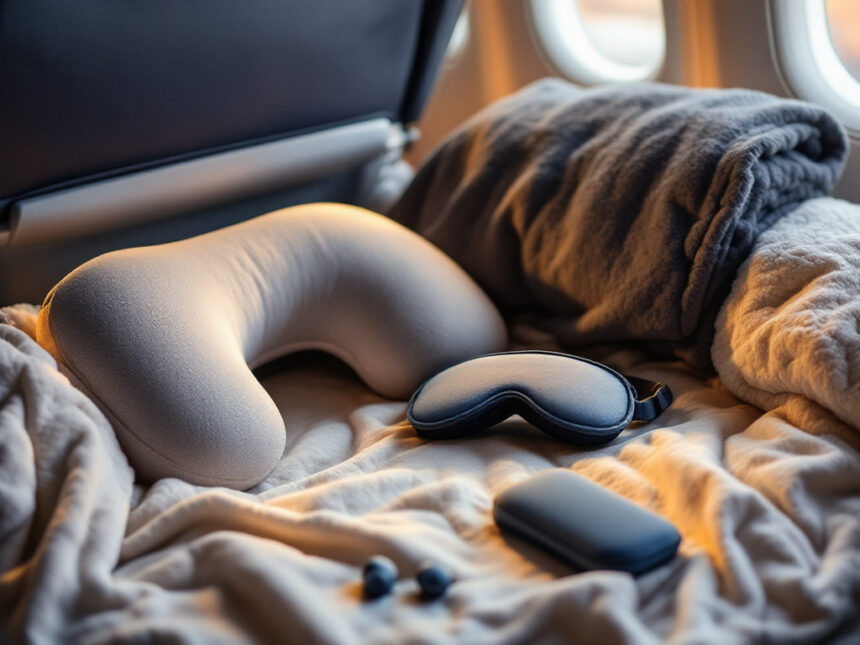
Traveling well rested is not a luxury; it is the difference between arriving foggy and losing a day, or stepping off the plane ready to go. The right travel sleep accessories help you turn bright cabins, noisy neighbors, and cramped seats into a space where you can actually relax. With a few smart picks, you can build a compact kit that makes red-eyes, road trips, and shared hotel rooms much easier on your body and your sleep schedule.
Below, you will find a curated roundup of travel pillows, blankets, masks, sound machines, and more, all designed to boost your rest on the go. Use it to upgrade a single item or build your own complete comfortable travel sleeping gear setup.
How to choose the right travel sleep accessories
Before you add anything to your cart, it helps to be clear about how you usually travel and what tends to disturb your sleep.
Ask yourself:
- Do you mostly fly long-haul economy, drive for hours, or take trains and buses?
- Are you sensitive to noise, light, temperature, or neck pain?
- How much space do you actually have in your personal item or carry on?
If neck pain is your biggest issue, focus on travel neck support pillows and ergonomic travel pillows. If noise and light keep you awake, prioritize comfortable travel earplugs, sound machines, and compact travel sleep masks. For families or shared rooms, look at accessories that help one person sleep without disturbing everyone else, such as masks, white noise, and blankets that do not slip.
You do not need to carry everything. Aim for a core kit that fits easily in your under seat bag, then add or subtract based on each trip.
Best travel pillows for real support
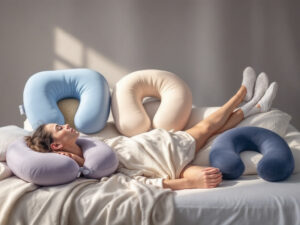
A good pillow is the foundation of any travel sleep kit. It keeps your head from bobbing, reduces neck strain, and makes it easier to doze even in an upright seat. The picks below cover different sleeping styles, from side leaners to those who like wraparound support.
Trtl Travel Pillow: Best for side leaners and light packers
The Trtl Travel Pillow looks more like a scarf than a traditional U-shaped pillow. Inside the fleece is a plastic internal structure that holds your head upright on one side. This design scored a 6 out of 10 for comfort and 7 out of 10 for stability in 2024 testing, which means you get solid neck support in a compact package. National Geographic, the Washington Post, and CNET have all praised it, and in a June 2025 long-flight test it achieved the highest PACES score of 46 out of 50 for neck and head support.

You simply wrap it around your neck, choose which side you want to lean on, and secure it with the Velcro. Because it packs down to roughly the size of a large sandwich, it barely takes up space in your bag, which is ideal if you prefer compact travel sleep kits. It is especially comfortable if you are a side sleeper who likes to lean against the window.
Ostrichpillow Go Neck Pillow: Best overall comfort and support in 2026
If you want plush, wraparound support and do not mind a slightly larger pillow, the Ostrichpillow Go is a strong choice. Travel + Leisure editors selected it as the best overall travel pillow in 2026 thanks to its marshmallow like BASF memory foam core, compact wraparound design, and easy Velcro adjustment. It scored 42 out of 50 in testing and was praised by CNN, Travel + Leisure, and NBC News for providing firm yet comfortable neck support.
You get 360 degree cushioning, which is helpful if you tend to nod forward or roll your head from side to side. The pillow includes a machine washable cover and carrying case, and weighs about 12 ounces. The trade off is packability. It does not compress as much as inflatable models or the Trtl, so you will want to clip it to your bag or reserve space in your personal item.
If you like this style but want to compare similar options, take a look at other travel neck pillow memory foam designs too.
Travelrest Nest Ultimate Memory Foam: Best for upright sleepers and most travelers
The Travelrest Nest Ultimate Memory Foam Travel Pillow consistently ranks as one of the best pillows for most travelers. It scored 42 out of 50 in testing and is recommended by the New York Times, CNET, and Wired for its tall memory foam walls and flat, non slip back that fits flush against airplane headrests.
If you often sit fully upright and struggle with your head tipping to the side, this pillow creates a supportive frame around your neck. The Velcro front strap keeps your head from falling forward when you doze. It compresses down to roughly a quarter of its size when rolled, which makes it a good fit for compact travel blankets or kits where space matters. The only drawback is that the high sides can make it harder to wear large over ear headphones.

Coop Sleep Goods AirJustable: Best inflatable and adjustable option
For frequent flyers who want support and flexibility without bulk, the Coop Sleep Goods AirJustable Travel Neck Pillow is worth a look. In 2026 it was named the best inflatable travel pillow because you can wear it in six different ways, from classic U shape to more creative configurations that support your chin or side leaning.
Inside is a blend of memory foam and microfiber that sits around the inflatable core. This hybrid approach gives you a more natural feel than straight air, plus the benefit of quick packability. It inflates through a small valve and then packs into a compact pouch, similar to other comfortable inflatable travel pillows. If you have had bad experiences with crunchy plastic inflatable pillows in the past, this feels like a major upgrade.
Cabeau Evolution S3: Best for stability and fidgety sleepers
The Cabeau Evolution S3 Airplane Travel Neck Pillow is built for stability. It scored an 8 out of 10 for stability and a 6 out of 10 for comfort in 2024 tests, and has been praised by Condé Nast Traveler, National Geographic, and CNN for its supportive memory foam and side supports. What sets it apart is the seat attachment strap. You can fasten it to the airplane headrest to prevent backward slouching and limit side to side head movement.
If you tend to slide down in your seat or wake up every time your head tilts, this design helps keep you in place. The strap system can feel a bit fiddly at first, and it is larger than many pillows, but for chronic neck pain or long overnight flights it may be worth the space. It is a useful reference point if you are comparing options in the category of best travel pillows for neck pain.
When to pick inflatable vs memory foam
To quickly compare your options, use this simple guide:
| If you prioritize | Consider |
|---|---|
| Minimum packed size | inflatable neck pillows for travel such as the Coop AirJustable or Cabeau Air TNE |
| Maximum comfort and support | Memory foam options like the Ostrichpillow Go or Travelrest Nest |
| Side-leaning comfort | Trtl Travel Pillow or a dedicated travel pillow for side sleepers |
| Flexible positioning | adjustable travel pillows with straps or hybrid designs |
Smart travel blankets and wraps
Even in summer, cabins can be chilly and thin airline blankets are not always available or comfortable. A good travel blanket adds warmth without taking over your entire bag.
Travelrest 4-in-1 Travel Blanket: Best overall travel blanket
Travel + Leisure testers picked the Travelrest 4-in-1 Travel Blanket as the best overall travel blanket in 2024. It has zippered arm holes so you can wear it like a poncho on flights, and it compresses into a pouch roughly the size of a 13 inch laptop for easy packing.
You can use it in four ways, as a traditional blanket, a wrap with arm openings, a lumbar support when folded, or as a pillow when stored in its pouch. That versatility makes it ideal if you want a simple travel pillow and blanket set without adding extra pieces. If you usually get cold on flights or like to arrive in a cooler destination ready for the temperature change, this is a practical pick.
Eddie Bauer PonchoPuff: Best wearable warmth for cold trips
If you are headed somewhere genuinely cold or you are always freezing on planes, the Eddie Bauer PonchoPuff offers more insulation than typical lightweight travel blankets. It works as both a wearable poncho and a puffer style blanket, so it stays in place without constantly sliding off your shoulders.
The puffy insulation traps warmth effectively, which makes it well suited for arctic destinations, overnight trains, or bus rides with aggressive air conditioning. You sacrifice some compactness, but you gain a wearable layer that doubles as outerwear once you land.
Pink Lemonade Riti Organic Cotton: Best breathable blanket for moderate climates
For milder conditions or travelers who run warm, the Pink Lemonade Riti Organic Cotton Travel Blanket leans into breathability. Made from organic combed cotton, it offers a soft, natural feel and stays comfortable on long flights or train rides without overheating you. It also retains its softness after washing, which is helpful if you use it regularly.
This is a good match if you prefer natural fibers and travel frequently in slightly cool but not freezing conditions. You can also pair it with a travel blanket with built-in pillow or keep it inside your travel comfort kit essentials for hotel use.
Unikome Puffy Down Alternative: Best for camping and outdoor travel
If you camp, road trip, or sleep in cabins and hostels, you will appreciate a blanket that can handle a bit of rough use. The Unikome Puffy Down Alternative Camping Blanket has a waterproof shell and durable polyester exterior, so it stands up to moisture, spills, or damp ground while still delivering solid warmth.
It is not as compact as the lightest compact travel blankets, but it bridges the gap between camping gear and travel comfort. You can throw it over yourself on a cold flight, then use it around a campfire that night without worrying about damage.
BlueHills Premium Travel Blanket Pillow: Best for minimalists
If you prefer to carry as little as possible, the BlueHills Premium Travel Blanket Pillow combines a thin, lightweight blanket with a pillow and carrying case. The case itself can serve as a cushion, which makes it a simple entry into the world of travel blanket with built-in pillow gear.
This is ideal if you want a single item that lives in your carry on and covers multiple needs at once. It will not be as plush as a full puffer blanket or as supportive as a dedicated pillow, but for occasional travelers and kids it can be a smart all in one solution.
Eye masks that actually stay comfortable
Blocking light is one of the quickest ways to cue your body that it is time to sleep. The challenge is finding a mask that stays put without pressing into your eyes or ears, especially if you sleep on your side.
Why side sleepers need thinner masks
For side sleepers, the key is a thinner mask and strap. Thicker, heavily padded masks often feel luxurious at first, but once you lie on your side they push into your temples, pinch your ears, and trap heat. In 2024, side sleepers rated thinner masks with low profile straps as the most comfortable because they avoid pressure points and sleep cooler during summer.
Silk covered masks in particular feel cooler and smoother against your skin than synthetic fabrics. If you are a frequent traveler or a light sleeper, investing in a well fitting mask pays off quickly.
Alaska Bear Silk Contoured and ALASKA BEAR Sleep Mask: Best for side sleepers
The Alaska Bear Silk Contoured Sleep Mask is a favorite for side sleepers. It provides effective light blocking with minimal pressure, and its design handles deformation against pillows well without losing shape. Contoured memory foam eye cups keep the fabric off your eyelashes so your eyes can move naturally.
The ALASKA BEAR Sleep Mask is specifically designed for side sleepers as well. It uses soft, stretchy fabric that fits snugly without causing headaches, and it features contoured eye cups plus a tiny adjustment slide that is almost unnoticeable. This combination of light blocking, comfort, and unobtrusive adjustment works especially well for travel days, new hotel rooms, and adjusting to different time zones.
Both masks pair nicely with comfortable travel eye masks that prioritize side sleeping.
Dual strap designs: Better stability, less shifting
Dual strap sleep masks are generally preferred by side sleepers because they sit farther from your ears, stay in place better, and reduce mask shifting while you sleep. Compared with single strap styles, they distribute pressure across a wider area, which helps if you wear them for several hours on a long flight or bus ride.
Masks like the Matador Blackout Sleep Mask use broader bands that can also cover your ears, and the band itself acts like a mini weighted blanket across your forehead and ears. This can add a sense of security and help dampen cabin noise.
Manta Pro, Matador Blackout, MZOO, and IMAK: Specialized picks
Different masks shine in different situations:
- The Manta Pro Sleep Mask is a premium option that excels at total light blocking. Its large individual eye covers, aerated mesh, and foam construction keep things breathable, while the rubber gripped strap reduces slipping. It is a strong option for red-eyes, bright hotel rooms, and people who need complete darkness.
- The Matador Blackout Sleep Mask packs down into a very small pouch, then expands into a wide, weighted blanket like band that covers your eyes and ears. It even stores earplugs in a built in pocket, which makes it a great value option for travelers who want both light and noise reduction in a single accessory.
- The MZOO Sleep Eye Mask is a budget friendly pick with memory foam like elevated eye cups that avoid eyelash pressure. It offers good cushioning, although some light can enter around the nose and the strap may slip on planes. If you rarely travel but want something better than a flimsy airline mask, this is an upgrade without a big investment.
- The IMAK Compression Eye Pillow is helpful if you struggle with sinus pressure, headaches, or allergies when traveling. It uses breathable cotton filled with ergoBeads that provide gentle pressure and massage. You can cool it in the freezer before a trip to reduce puffiness and ease discomfort caused by dry cabin air or environmental changes.
If you prefer the smallest possible option, look at compact travel sleep masks and pick one with a slim strap profile.
Sound machines and earplugs for noise control
Noise is one of the most common travel sleep disruptors. Loud conversations in the row behind you, hallway doors slamming, unfamiliar city sounds outside a hotel window, or a partner watching TV while you try to sleep all make it harder to rest.
You can approach noise control in two ways, by physically blocking sound, or by masking it with consistent background noise.
Yogasleep portable sound machines: Best for familiar, soothing noise
Yogasleep offers a collection of 10 travel sound machines specifically designed for portability and travel. Models like the Travel Mini Portable Sound Machine, Rohm+ Portable Sound Machine, and Hushh+ Portable Sound Machine provide soothing sounds that help you fall asleep more easily in unfamiliar environments.
Some of the devices are fan based, which means they simulate the soft whir of a fan. This is especially comforting if you are used to sleeping with a fan at home. Yogasleep also sells bundles such as the Rohm + Travel Case Bundle or the Hushh + Travel Case Bundle that include protective cases for easier packing.
Prices for these travel sound machines go up to around 60.99 dollars as of the current listing, and the company emphasizes sustainability by calculating the carbon footprint of each ecommerce delivery and offsetting emissions through carbon removal credits. If you are eco conscious and want a reusable solution that works for hotel rooms, rentals, and even kids’ rooms, this is a smart addition to your travel sleep accessories.
You can pair a sound machine with comfortable travel earplugs if you are especially sensitive, using the machine as a gentle base layer and the earplugs to soften sharp noises.
Earplugs versus sleep earbuds
Foam or silicone earplugs are simple, cheap, and effective in many situations. For more controlled noise, noise canceling sleep earbuds can stream white noise or soothing sounds while also actively reducing outside noise. If you are on a long-haul flight next to a crying baby or a loud group, earbuds can make a big difference, although you will need to keep them charged.
Earplugs are lighter and easier to pack for families, since you can toss a few pairs into your compact travel sleep kits. Sleep earbuds suit business travelers and frequent flyers who already carry electronics and want more custom sound control.
Extra comfort boosters you will actually use
Once pillows, blankets, masks, and noise are covered, a few small accessories can dramatically improve your comfort and your chance of dozing off.
Footrests, lumbar cushions, and socks
If your legs and lower back are uncomfortable, you will find it harder to relax enough for sleep. A compact travel footrests for airplanes setup helps you elevate your feet, reducing swelling and leg fatigue during long flights. Look for designs that fold flat and attach easily to the seat tray.
For your back, travel lumbar support pillows fill the gap between your lower spine and the seat, keeping your posture more neutral. This reduces the urge to fidget and can relieve pressure that keeps you awake.
Do not overlook comfortable travel socks either. Warm, non restrictive socks that still allow some airflow help your body relax, which is especially helpful on overnight flights or train rides where floors feel cold and you do not want to be barefoot.
Cooling and washable covers
If you tend to sleep hot or travel in warm climates, choosing a travel pillow with cooling gel or vented designs like the Cabeau Evolution Cool can keep your neck from overheating. Vented memory foam and breathable fabric covers make a noticeable difference on summer flights or buses.
A travel pillow with washable cover is also worth prioritizing. You will be pressing your face and neck into the pillow for hours in shared spaces, so being able to remove and wash the cover after each trip keeps things fresher and more hygienic.
Hoods, privacy pods, and cocoon setups
If you like the idea of a personal cocoon, consider a travel pillow with hood or accessories like the Pluto POD. The Pluto POD combines a hood, pillow, and eye mask into one travel accessory that creates a sensory deprivation like experience. It has heavy neck padding and several adjustable features, making it ideal if you want privacy and deep rest even in a busy cabin.
It is on the larger and more expensive side, so it suits frequent travelers who value that cocoon feeling. For a lighter option, some memory foam pillows pair with attachable hoods that dim light and offer a bit of privacy without adding a lot of bulk.
How to build your personalized travel sleep kit
You do not need every accessory, but combining a few targeted items usually makes the biggest difference. Use your typical travel situation as a guide.
For frequent flyers on red-eyes
If you routinely fly overnight in economy, focus on:
- One supportive pillow, either a memory foam option like the Ostrichpillow Go or Travelrest Nest, or a compact solution like Trtl or other ergonomic travel pillows
- A reliable mask, ideally a dual strap model that can handle side sleeping such as the Alaska Bear options or Manta Pro
- Noise control, either a Yogasleep portable sound machine or noise canceling sleep earbuds plus earplugs
- A compact blanket or wrap, for example the Travelrest 4 in 1 or a thin cotton blanket, especially if you fly airlines that no longer stock blankets
Add in travel sleep comfort tips such as choosing a window seat when possible, avoiding heavy meals before takeoff, and keeping caffeine timing in mind.
For business travelers who need to arrive “meeting ready”
If you often land and head straight to meetings:
- Choose a pillow that minimizes neck creases and pressure, like the Travelrest Nest or a well fitted memory foam option from the memory foam travel cushions category
- Use a light blocking mask that does not leave deep marks on your face, such as a silk covered ALASKA BEAR mask
- Carry a compact Yogasleep sound machine or use sleep earbuds in your hotel to block hallway noise
- Pack comfortable travel socks and a soft layer like the Pink Lemonade blanket or a poncho style wrap so you can sleep without arriving wrinkled
For shared hotel rooms or thin walls, your sound machine and mask quickly become the most valuable items in your travel comfort kit essentials.
For families and couples sharing rooms
If you are traveling with kids or sharing a single room:
- Prioritize individual masks for each sleeper so one person can read or watch TV without keeping everyone else awake
- Use a portable sound machine such as the Yogasleep Travel Mini to create a consistent backdrop for naps and early bedtimes
- Assign a dedicated travel blanket with built-in pillow or lightweight blanket to each child so there are fewer fights over covers
- Pack at least one supportive pillow, like a travel head support pillow, that adults can trade off using on long flights or drives
For children who are sensitive to noise or light, combining a soft mask, small sound machine, and their own small pillow can make unfamiliar hotel rooms feel more predictable and safe.
Putting it all together
The best travel sleep accessories are the ones you will actually carry and use. Start with your biggest pain point, whether that is neck strain, bright cabins, or hallway noise, and invest in one or two upgrades in that category. Then round out your kit with a few small extras, such as a breathable mask or comfortable travel earplugs.
Over time, you can refine your setup based on what truly makes a difference for you. Maybe you discover that a supportive memory foam pillow plus a good mask gives you 80 percent of the benefit, or that adding a portable sound machine transforms noisy hotel nights. With a bit of experimentation, you can build a compact set of travel sleep gear that fits your bag, your budget, and your body, so wherever you go, better rest comes with you.
FAQs
What are the most important travel sleep accessories to buy first?
Start with the thing that wakes you up most: neck support (pillow), darkness (sleep mask), noise control (earplugs/earbuds/white noise), then warmth (packable blanket). Sleep Foundation also recommends combining an eye mask, earplugs/headphones, and layers for plane sleep.
Is memory foam or inflatable better for a travel neck pillow?
Memory foam usually wins for “set it and forget it” comfort; inflatable wins for minimum packed size. Hybrid inflatables (air core + foam fill) aim to give you both.
Which travel pillow is best for side sleepers on planes?
Side sleepers often do well with a structured, side-lean design (like scarf-style support) or a pillow with taller side walls that stop your head from collapsing sideways.
What’s the best way to block light in bright cabins or hotels?
Use a contoured blackout mask so fabric doesn’t press on your eyes, and consider dual-strap styles for better stability. Pairing light-blocking with noise reduction is the fastest “sleep cue.”
Earplugs or white-noise machine: which works better?
Earplugs block sound directly; white noise masks disruptive peaks (hallway doors, chatter). Many travelers combine both—white noise as a base layer, earplugs for sharp spikes.
How do I reduce jet lag on arrival?
If you cross multiple time zones, switch to the destination’s sleep/wake routine as soon as you arrive and use smart light exposure to help reset your clock.