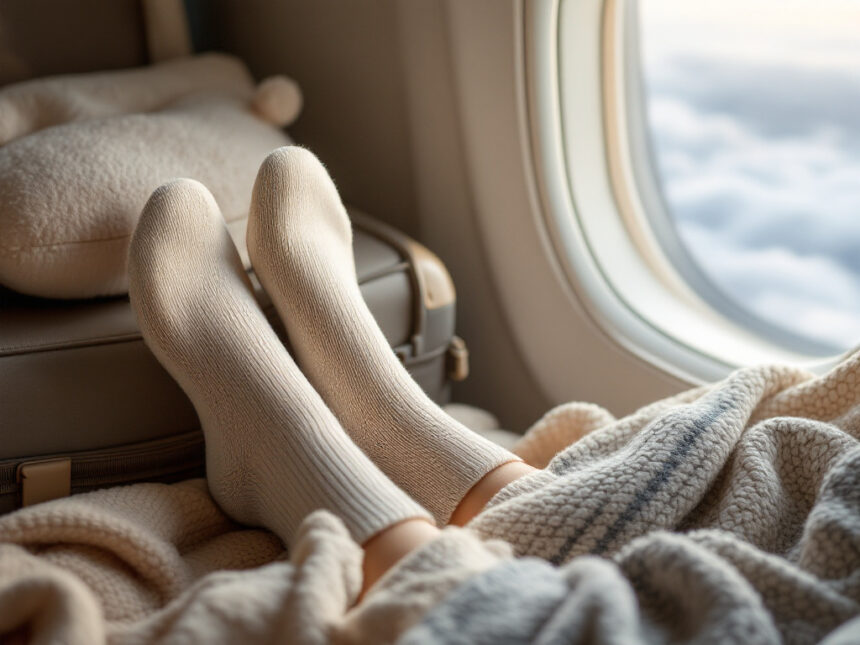
A pair of comfortable travel socks can quietly change how you feel on long flights, train rides, and hotel nights. When your feet stay dry, warm, and supported, you are more likely to sleep, avoid swelling, and actually arrive feeling refreshed instead of wrecked.
This guide walks you through what makes comfortable travel socks different from regular pairs, how to choose the right ones for your trips, and how to combine them with other smart travel sleep accessories so your whole body gets a break, not just your feet.
Why travel socks matter more than you think
If you have ever peeled off damp cotton socks after a red eye, you already know that what you wear on your feet can make or break a journey. Comfortable travel socks are designed to solve three problems that ordinary socks ignore.
They help your feet stay dry, they reduce odor, and they cushion and support your feet over hours of standing or sitting. When you get those three right, it is easier to walk the terminal without sore arches, fall asleep upright, and slip into your shoes the next morning without that swollen, tight feeling.
Travel is also one of the few times when you really push your socks. You might wear the same pair through security lines, on a long-haul flight, on airport floors, then into a taxi and a late check in. Choosing socks built to handle that workload means you can pack less and still feel more comfortable.
What makes socks “comfortable” for travel
Not every cozy sock at home will perform well at 35,000 feet. Comfortable travel socks share a few specific features that directly affect how you feel when you move, sit, and sleep on the go.
Moisture control and quick drying
Your feet sweat, even when you are sitting still. If that moisture gets trapped in your socks, it leads to blisters, chills when the cabin cools down, and that sticky feeling that makes you kick your shoes off under the seat.
According to outdoor experts at REI, high tech socks designed for hiking and running keep feet drier and more comfortable than traditional cotton because they move moisture away from your skin and dry faster. For travel, this means you can wash a pair in a hotel sink and have them ready again by morning, or even wear them on consecutive flights without them feeling soggy.

Odor resistance
You may not plan to take your shoes off, but on a 10 hour flight you probably will. That is when odor control matters.
Research from retailers like REI notes that merino wool can absorb a significant amount of moisture relative to its weight while still feeling dry, and that helps keep odor-causing bacteria in check. For you, that means less smell, fewer self conscious moments in shared hotel rooms, and more confidence stretching your feet on a long ride.
Cushioning and fit
Comfortable travel socks should give you enough padding to soften long walks across terminals and city streets, but not so much that your shoes suddenly feel too tight. Padding is especially important at the heel and ball of the foot, where most of your weight lands.
REI recommends that socks fit smoothly in the heel and toe without bunching or sliding, because wrinkles in the fabric lead to hot spots and blisters over time. A snug, not constricting, fit is what lets you forget you are even wearing them.
Why merino wool is a game changer
When you start looking at comfortable travel socks, you will see merino wool again and again. There are good reasons for that.
Merino wool, which comes from merino sheep, behaves differently from the itchy wool sweaters you might remember. Outdoors experts describe it as itch free, temperature regulating, and capable of absorbing up to around 30 percent of its weight in water while still feeling dry to the touch. For travel, this adds up to a sock that stays comfortable across hot terminals, chilly cabins, and cool hotel rooms.

You also get:
- Natural odor resistance for multiple wears
- Soft fibers that work for sensitive skin in most cases
- A good balance of warmth and breathability
Many of the best rated travel socks now use high merino content blends to combine those benefits with added durability from nylon or elastane.
Standout brands and styles to know
You have many choices, but a few names appear consistently in travel and outdoor recommendations. Knowing what each one does best makes it easier to match them to your trips.
Darn Tough Vermont: lifetime comfort
Darn Tough Vermont is frequently highlighted as a top pick for comfortable travel socks because of a simple promise: their socks are unconditionally guaranteed for life. If they are not the most comfortable, durable, or best fitting socks you own, they will replace them.
Their styles use high merino wool content, which means you get:
- Strong odor resistance for multi wear trips
- Fast drying performance
- Cushioned, supportive weaves that hold their shape
Darn Tough manufactures in its own mills in Vermont, which gives you a level of quality control that is increasingly rare. As of late 2024, they are often ranked as the best overall travel sock option, including more polished dress sock styles that transition from the plane straight into a business meeting.
Boardroom Socks: best no show for city trips
If you travel with loafers, boat shoes, or dress shoes and prefer a bare ankle look, Boardroom’s no show socks are worth a look. They are made in North Carolina with over 70 percent merino wool, giving you the odor control and comfort you want without visible fabric above the shoe line.
Because they are a dress sock thickness rather than a thick athletic knit, they slide into slimmer shoes easily and work well for business travel where you want to look put together right off the plane.
Injinji: toe socks to fight blisters
For hiking heavy trips or long walking tours, Injinji’s toe socks use a proprietary merino blend called NuWool, about 40 percent merino wool wrapped into each design. The unique structure separates each toe, which cuts down on skin to skin friction.
That simple change can prevent blisters between toes and reduce sweating in those tight spaces, which is especially helpful when you are logging 15,000 steps a day on cobblestones or trail and still need your feet to feel normal enough to sleep.
Compression socks for long flights
Comfort is not just about your feet. On long haul flights, your lower legs and calves take a beating from hours of sitting still. That is where compression socks come in.
How compression socks help
Health sources like Healthline describe compression socks as a way to gently squeeze your legs, which helps blood move back toward your heart instead of pooling in your lower legs. For travel, this has two big benefits:
- Reduced swelling in your feet and ankles after long periods of sitting
- Lower risk of blood clots, including serious conditions like deep vein thrombosis (DVT), on very long flights
Graduated compression socks are designed with the highest pressure at your ankles that gradually decreases up the leg. This pattern supports your blood vessels and makes circulation more efficient while you sit.
For most travelers, moderate compression of around 15 to 20 mmHg is enough support for long flights, as long as you do not have specific medical conditions that require a doctor’s guidance.
When you should consider them
You might want to pack compression socks if you:
- Take long haul or overnight flights in economy
- Frequently notice swollen feet and tight shoes after travel
- Have a history of circulation issues or blood clots and your doctor approves
- Stand all day at your destination once you land
Healthline notes that people with venous insufficiency, a history of clots, or repeated swelling often benefit from adding compression socks to their routine on long flights.
How to use them correctly
To get the full benefit, slide compression socks on before you board your flight while you can still move easily. Smooth them so there are no wrinkles, since bunching can create pressure points on your skin.
Keep them on for the entire journey and for a bit after landing if you are prone to swelling. If you are unsure about compression levels, your healthcare provider can help you choose the right strength and length.
Popular compression sock options for travelers
You will find everything from medical grade stockings to casual travel pairs. A few brands stand out for comfort and ease of use on trips.
Copper Fit Energy Compression Socks
Copper Fit’s Energy Compression Socks are often praised for giving your legs support without feeling like medical gear. Reviewers highlight:
- A snug but breathable knit that works well for long flights
- Minimal toe seam irritation, which matters when you are wearing them for hours
- A top band that hits just below the knee on most legs under about 15 inches in length, without digging in
This type of sock can be a good entry point if you want to try compression on a long flight without a prescription style.
SockWell In Flight Moderate Graduated Compression
SockWell’s In Flight socks combine 15 to 20 mmHg graduated compression with a merino wool blend. The wool fibers help regulate temperature and manage moisture and odor, so they feel less like medical stockings and more like soft, everyday socks.
They are a solid choice if you want something that looks stylish enough to wear with regular clothes at your destination. One caveat, if you are sensitive to wool, you might need to test a pair before committing to several for a long trip.
Bombas Targeted Compression Performance Calf Socks
Bombas takes a different approach. Their Targeted Compression Performance Calf Socks feel like cushioned crew socks but add focused compression around the ankle area.
You might prefer this style if:
- You want relief from tired feet more than full leg support
- You plan to stand and walk a lot during the day
- You dislike the tight feel of full length compression socks
They are also known for being easier to put on than some tighter medical styles, which can be helpful in cramped airplane seats.
Matching socks to your trip and shoes
The best comfortable travel socks for you depend on how you travel, what you wear on your feet, and how much you tend to move.
For long haul flights
If you spend 8 to 12 hours in the air in economy, focus on:
- Merino blend crew or knee high socks for temperature control
- Moderate compression for circulation, especially if you are prone to swelling
- Smooth, cushioned weaves that fit comfortably in your usual travel shoes
Knee high compression socks are generally more effective than ankle length for long flights because they cover the full lower leg. For shorter hops, a cushioned crew sock might be all you need.
For city breaks and business trips
When you are running from airport to meeting to dinner, you need socks that look as good as they feel. Lightweight merino dress socks or no show merino socks, like those from Boardroom, slide easily into loafers and dress shoes.
Choose neutral colors that pair with your work wardrobe so you can pack fewer pairs. Since merino dries quickly and resists odors, you can rotate two or three high quality pairs over a full week of travel without feeling like you are rewearing sweaty socks.
For hikes, walking tours, and mixed trips
If your trip includes both urban walking and trail time, consider packing:
- Lightweight hiking socks for wide or high volume feet
- Midweight backpacking socks if your feet are narrower or your boots are roomy
- Liner socks under your main pair on very long days, which REI notes can help wick moisture away faster and let you wash just the thin liners daily
Toe socks from Injinji can be a smart backup option for days you expect blisters, especially if your routes involve steep climbs or hot weather.
Getting the fit right
A good sock that fits poorly will still bother you halfway through a red eye. Paying attention to fit is one of the simplest ways to upgrade your comfort.
You want socks that:
- Hug your foot without squeezing
- Sit flat around the heel and toe, with no extra fabric to bunch up
- Have padding that does not make your shoes feel tight
The cuff should stay in place without cutting into your calf. If you see deep marks after you take them off, you might need a different size or a brand with a gentler top band.
Caring for your travel socks on the road
One advantage of quality merino and performance blends is that they are lower maintenance than you might expect.
You can:
- Rinse them in a hotel sink with mild soap
- Gently squeeze out excess water in a towel
- Hang them away from direct heat to air dry
Because merino dries quickly and handles moisture well, your socks are usually ready to wear again by morning. That means you can pack fewer pairs and still feel fresh.
Rotating between two or three pairs also gives the fibers time to recover between wears, which helps them keep their shape and cushioning longer.
Pairing socks with other comfort gear
Comfortable travel socks are a strong foundation, but you will feel the biggest difference when you combine them with other small upgrades.
For better sleep and less stiffness, you might mix your socks with:
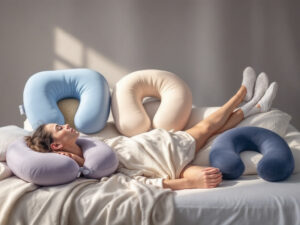
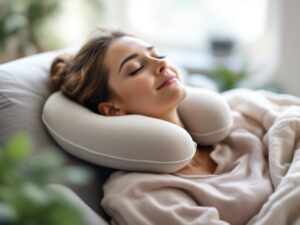
- A supportive neck pillow for your seat, such as inflatable neck pillows for travel or more structured travel neck support pillows
- A soft lightweight travel blanket or compact travel blanket to keep the cabin chill off your legs and feet
- Comfortable travel earplugs or noise canceling sleep earbuds to block engine hum and chatter
- A contoured comfortable travel eye mask or compact travel sleep mask so you can ignore overhead lights
If you often have trouble getting comfortable, building a small kit around your socks, with items like travel footrests for airplanes or travel lumbar support pillows, can transform how you feel about long journeys. You can find more ideas in roundups like travel comfort kit essentials and compact travel sleep kits.
Think of your travel socks as part of a complete comfort system. When your feet, legs, neck, and senses are all supported, sleep comes more easily, even in coach.
Building your personal travel sock lineup
You do not need a drawer full of specialty socks to travel comfortably. A small, curated set is usually enough.
For most frequent travelers, a practical lineup looks like:
- 2 to 3 pairs of high merino content crew or dress socks for flights and general wear
- 1 pair of knee high compression socks for long haul trips if you are prone to swelling
- 1 pair of lightweight or midweight hiking socks, plus optional liners, for active days
From there, you can add niche options like toe socks or no show merino socks if they fit your style and itinerary.
As you try new pairs, pay attention to how your feet and legs feel when you step off the plane and the next morning. You will know you have found the right comfortable travel socks when you are thinking about your destination, not your feet.
If you are putting together a full comfort kit, you can pair your new socks with options like a travel pillow for side sleepers, an ergonomic travel pillow, or even a travel blanket with built-in pillow so your next journey feels less like an endurance test and more like a break in your day.
FAQs
What are the best comfortable travel socks for long flights?
Look for merino-blend crew or knee-high socks with smooth seams, light-to-medium cushioning, and a snug (not tight) fit. If you swell on flights, consider moderate graduated compression (often 15–20 mmHg).
Are compression socks necessary for everyone when flying?
Not always. Risk varies. Some guidance suggests compression is most useful for higher-risk travelers on longer flights, and movement breaks still matter.
Is merino wool too hot for travel?
Usually no. Wool is temperature-regulating and handles moisture well, so it can feel comfortable in both cool cabins and warm terminals.
How many pairs of travel socks should I pack for a week?
A practical setup is 2–3 merino pairs (rotate), plus 1 compression pair (if needed), plus 1 active/hiking pair for heavy walking days.
How do I stop blisters during walking-heavy trips?
Prioritize fit (no bunching), moisture-wicking materials, and consider liners or toe-sock designs to reduce skin-on-skin friction.
Can I wash merino socks in a hotel sink?
Yes—use mild soap, press (don’t wring), roll in a towel to remove water, and air-dry away from direct heat.