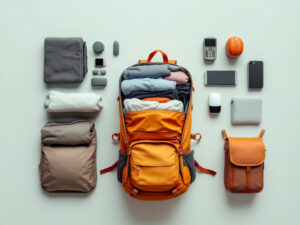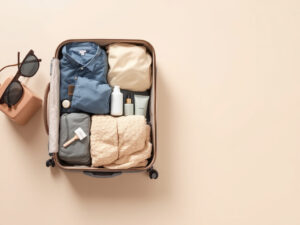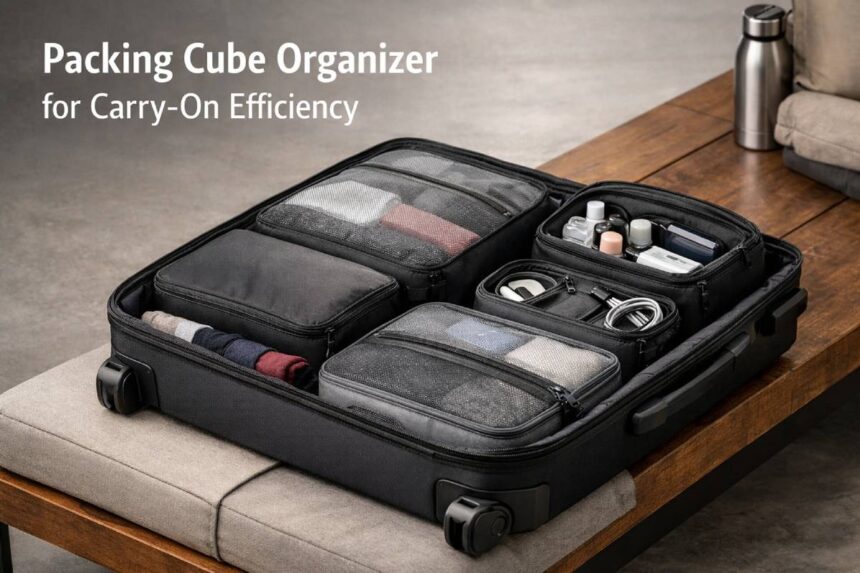
A packing cube organizer can completely change how you use your carry-on. Instead of digging through a jumble of clothes and cords at security or in a cramped hotel room, you open your bag and everything has a place. With the right system, your packing cube organizer helps you fit more, find things faster, and stay calm from check-in to baggage claim.
Below, you will learn step by step how to set up and use a packing cube organizer for maximum carry-on efficiency, whether you are flying internationally for the first time, hopping between business meetings, or traveling as a family with a shared suitcase.
Understand what a packing cube organizer really does
Before you start stuffing cubes, it helps to know what your packing cube organizer is designed to do.
At its core, a packing cube organizer is a set of small, soft-sided bags that sit inside your suitcase or backpack. They keep similar items together, compress clothing to save space, and turn one big hollow bag into a set of neat “drawers.”
You will see them called packing cubes, squares, or pouches. Most are made from lightweight nylon or polyester that holds up well to travel and daily use. Many travelers find that even basic packing cubes for travel are enough to transform how they pack, especially in carry-on size luggage where every inch counts.
Packing experts and frequent travelers highlight several advantages of using cubes:
- They group similar items so you are not rummaging through everything at once
- Compression models help remove extra air from clothing, which frees up space
- Water resistant or padded cubes protect gear from spills and knocks
- They make it easy to grab only what you need, which is especially helpful in small hotel rooms or hostels
Travel writer Shannon notes that well chosen packing cubes can last many years and still look almost new, which makes them a solid investment for regular trips (Shannon, May 2024).
In other words, a packing cube organizer is less about “more stuff” and more about “a smarter way to hold the stuff you already bring.”
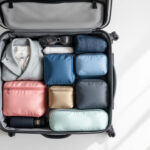
Choose the right types of packing cubes for your trip
Not all cubes are the same. The right mix for a business trip will look different from what you need as a backpacker or as a parent packing for two kids.
Match cube types to how you travel
Most sets fall into a few main categories:
- Standard cubes for everyday clothes
- Compression cubes to squeeze bulkier items
- Ultralight cubes for weight sensitive trips
- Specialty cubes for shoes, toiletries, or electronics
Brands like Eagle Creek, Peak Design, Osprey, REI Co op, Cotopaxi, and others have refined these designs over years of testing with frequent travelers (Eagle Creek Pack It, Peak Design Packing Cubes, Osprey Ultralight Packing Cube Set, REI Co op Expandable Packing Cube Set, Cotopaxi Cubo Packing Travel Bundle Del Día).
If you are just starting out, it helps to read a few packing cube reviews to see how different styles perform for trips like yours.
Decide how many cubes you really need
For a typical carry-on, a simple starter setup usually works best:
- 1 large cube for main clothes
- 1 medium cube for workout clothes or pajamas
- 1 small cube for underwear and socks
- 1 slim or specialty cube for cables and small accessories
Family travelers often add extra small packing cubes so that each person has a clearly labeled section. If you tend to overpack, one of the compression focused sets, such as the REI Co op Expandable Packing Cube Set, can help you fit more clothing into the same suitcase volume by using a compression zipper that reduces bulk by about half (REI Co op Expandable Packing Cube Set).
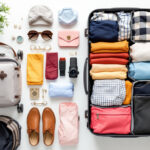
For more ideas on sets that balance capacity and organization, explore the current best packing cubes.
Consider durability and zipper quality
Your packing cube organizer only helps you if it survives more than one trip. Zippers are a common failure point, so they are worth a closer look.
Travel gear testers often prefer YKK zippers, a Japanese brand known for reliability. Size 3 to 5 zippers usually provide a good balance of strength and ease of use for travel cubes, while cheaper zippers can snag or fail when cubes are tightly packed (zipper quality guidance).
If you value gear that lasts, look for durable packing cubes built from ripstop nylon or heavier polyester, with reinforced seams and handles.
Quick check: Before your first big trip, zip each cube several times with items inside. Catching a weak zipper at home is much easier than discovering it in an airport terminal.
Set up your cube system before you pack
You will get the most out of your packing cube organizer when you treat it like a mini closet, not a miscellaneous pouch.
Assign each cube a clear job
Marie Kondo recommends giving each cube a category, such as undergarments, tops, bottoms, shoes, toiletries, and accessories, so you always know where to find what you need (Marie Kondo, 2024).
Start by laying your cubes out empty on the bed, then decide:
- Which cube is for tops
- Which one is for bottoms
- Which is only for underwear and socks
- Where your pajamas or loungewear will live
- How you will store tech accessories or cords
If you share a suitcase with a partner or child, it can help to assign each person a color. Color coding pairs nicely with packing cubes with labels so you can tell at a glance who owns what and what is inside.
Match cube sizes to your carry-on
Your packing cube organizer should work with your bag, not against it. Take a moment to check how the cubes fit your specific suitcase or backpack.
Place your empty cubes in the carry-on and test a few configurations. For example:
- Two medium cubes side by side plus one small cube at the top
- One large cube on the bottom with smaller cubes stacked above
- A line of slim cubes along one side and room for shoes on the other
This five minute test prevents the frustration of discovering that your “perfect” packing layout does not actually match your luggage dimensions.
For carry-on specific layouts and size guidance, you may find it useful to skim options for packing cubes for carry on or packing cubes for carry-on luggage while you plan.
Use simple folding and rolling techniques inside each cube
The way you load each cube affects how much you can carry and how wrinkled your clothes appear on arrival. You do not need complex folding systems. A straightforward approach is more than enough.
When to roll and when to fold
Roughly, rolling works best for soft, thin fabrics, and folding works better for structured items.
- Roll: t-shirts, casual dresses, leggings, sleepwear, athletic wear
- Fold: button-down shirts, blazers, structured pants, stiff skirts
For your main clothing cube, try this mix:
- Fold bulkier items, such as jeans or trousers, and place them on the bottom.
- Roll lighter items and line them along the top or sides.
- Fill small gaps with socks or underwear to prevent shifting.
Compression cubes, such as those from Gonex or REI, are designed to shrink down rolled or folded stacks with an extra zipper, which can dramatically reduce volume for bulkier pieces but might cause more creasing on items like sweaters (compression cube benefits).
Keep outfits or categories together
You can organize your packing cube organizer by outfit or by type of clothing. Choose whichever will help you get dressed faster on your trip.
- By outfit: Pack each day’s clothing together, so you grab one roll that already includes a top, bottom, and undergarments.
- By category: Put all tops in one cube, all bottoms in another, and all undergarments in a third.
Business travelers often prefer category based cubes so they can mix and match quickly. Family travelers might find that one cube per day, labeled with the date or activity, makes busy mornings much smoother.
If you prefer outfit based packing, small packing cubes can act as “daily kits” that slip neatly into your main carry-on.
Layer your cubes in the suitcase for easy access
Once your cubes are packed, it is time to turn your empty carry-on into an organized drawer system. How you layer your packing cube organizer determines how quickly you can grab what you need.
Start with the heaviest items
Place your heaviest cubes first, usually at the side closest to the wheels of a rolling suitcase. This helps your bag stand upright without tipping. Heavier cubes often contain:
- Jeans and pants
- Sweaters or hoodies
- Extra shoes
Packing experts recommend starting with the largest cube on the side opposite your shoe compartment, then fitting smaller cubes around it as needed (packing layout tips). If your suitcase has a dedicated shoe area, fill that first so you know how much room you have left for clothing cubes.
You can use packing cubes for shoes to keep soles away from clothes and to compartmentalize dirty shoes on the trip home.
Stack by priority, not just by size
Think about when you will need certain items, and place those cubes on top or at the opening side of your bag. For example:
- Keep your first night’s outfit near the top in case your arrival is late.
- Place your toiletries cube near the front so you can easily remove it at security if needed.
- Put rarely used items, such as backup outfits or extra layers, at the bottom or toward the hinge.
Packing specialists suggest always keeping cube zippers facing up so you can open them without unpacking everything around them (stacking guidance). This small detail saves time in tight spaces like train aisles and airplane seats.
For toiletries, a dedicated cube or pouch is often easier to manage. If you like a single system, consider packing cubes for toiletries that are built to handle spills and quick checks.
Use vertical stacking when space is tight
If your carry-on is deep rather than wide, you can place cubes on their sides like books. This is especially helpful in backpacks and soft duffel bags.
Stacked vertically, you can:
- See each cube without moving the others
- Pull one cube out while keeping the rest in place
- Create mini sections for tops, bottoms, and extras
Many travelers find that cubes with grab tabs or packing cubes with handles are much easier to pull out when packed this way.
Customize your cube system for different traveler types
A good packing cube organizer should adapt to how you travel. The same set of cubes can look very different in a business carry-on compared with a backpacking bag.
If you are a first-time international traveler
Your first big trip can feel overwhelming. A simple, labeled system takes stress out of the equation.
Try this basic layout:
- One cube for “everyday clothes”
- One cube for “sleep and lounge”
- One cube for “underwear and socks”
- One cube for “cables and chargers”
- One small pouch for “medications and essentials”
You might also want an extra cube for “dirty laundry” so that you do not mix worn items back in with clean clothes. Many travelers carry an extra pouch or waterproof cube, such as the Samsara wet bag, just for damp items like swimsuits or rain soaked shirts (wet bag use case).
If you prefer a more curated selection with a women’s fit in mind, explore sets designed as packing cubes for women for size and layout ideas.
If you are a frequent business traveler
Business travel often means tighter schedules, stricter dress codes, and less margin for error. Your packing cube organizer can help you maintain a professional wardrobe on the road.
Consider:
- One dedicated cube for shirts and blouses, folded to minimize wrinkles
- One cube for dress pants or skirts
- One slim cube for undergarments and hosiery
- One small tech cube for chargers, adapters, and presentation tools
Peak Design’s packing cubes, for instance, include separate sections for clean and dirty clothing, plus compression, which lets you keep work clothes polished and away from workout gear (Peak Design Packing Cube).
Keeping a standing “business trip cube” pre packed with standard items, such as a spare tie, scarf, or travel steamer, can also save time before each trip.
If you are a backpacker or digital nomad
Backpackers and long term travelers usually care more about weight and flexibility. Ultralight cubes and sacks give you organization without bulky hardware.
Options like the Osprey Ultralight Packing Cube Set use recycled 40D ripstop nylon with simple J zip openings that hold a week’s worth of warm weather clothing with minimal weight (Osprey Ultralight Packing Cube Set). For a backpack, this kind of material and design matters more than stiff, structured cubes.
You may also want:
- One cube for “base layer and socks”
- One for “town clothes” and one for “trail clothes”
- One water resistant cube for gear that should stay dry
- A dedicated cube for electronics, especially if you work remotely
For outdoor and off grid trips, you can look into packing cubes for camping and packing cubes for electronics that are built for rougher use.
If you are traveling as a family
Packing cubes help families avoid the chaos of sharing a suitcase. You can prevent the “whose sock is this?” problem before it starts.
A family friendly setup might include:
- One color of cubes per person
- One shared cube for pajamas
- One shared cube for swimsuits and pool gear
- One “everyone’s dirty laundry” cube
Expert organizers like Lydia Mansel point out that cubes help families pare down belongings and avoid last minute stuffing of random items into open spaces (Lydia Mansel, 2024).
If you are managing multiple carry-ons, you can use small packing cubes as grab and go sets for each child, filled with a change of clothes, snacks, and small comfort items.
Use compression strategically instead of everywhere
Compression packing cubes are popular, but they are not always the best choice for every item. Used well, they can add serious efficiency to your packing cube organizer. Used carelessly, they can create a dense brick of wrinkled clothing.
What to compress and what to leave alone
Compression cubes have an extra zipper around the edge. Once you zip the main compartment, you close the compression zipper to squeeze out extra air and tighten the cube.
They are ideal for:
- Bulkier items like jeans, joggers, hoodies, and sweatshirts
- Clothes that do not wrinkle easily, such as knits and technical fabrics
- Extra layers you do not need to access daily
They are less ideal for:
- Delicate fabrics or structured shirts that crease sharply
- Thick sweaters, which may wrinkle and strain zippers
- Items you need to pull out frequently
Travel reviewers note that compressing heavy sweaters can damage zippers over time and create uneven, rounded shapes that do not stack as nicely in your bag (compression cube drawbacks).
A balanced approach is to keep one compression cube for bulk and use regular cubes for outfits you want to keep neater and more accessible.
Combine compression with smart layout
When you use compression, remember that your carry-on has a fixed external size limit. If you overcompress, you may be tempted to pack more than your bag can legally hold.
Place compression cubes:
- Closest to the wheels or bottom of the backpack for better balance
- Along the longest edge of your suitcase for easier stacking
- Away from delicate items that could be crushed
Some compression sets, such as the BAGSMART Blast Compression Travel Packing Cubes, are designed with heavy duty zippers and sturdy stitching specifically to handle repeated compression without fraying (BAGSMART Blast Compression Travel Packing Cubes).
Keep clean and dirty items separate throughout your trip
Your packing cube organizer does not stop working once you arrive. With a simple system, you can use the same cubes to keep your bag tidy during the trip and on the way home.
Assign or flip cubes as laundry fills up
You have two main options:
- Dedicate one cube as your “laundry cube” from the start.
- Flip a regular cube mid-trip so it becomes the dirty clothes cube.
Some systems provide “clean/dirty” cubes with two separate compartments, which let you expand the dirty side as the trip goes on. Peak Design’s packing cube design, for example, includes a built in dirty clothing compartment that can grow as you use more outfits (Peak Design Packing Cube).
Water resistant cubes and wet bags, such as the Samsara Luggage option, can also hold swimsuits or damp items until you reach a washing machine (Samsara wet bag use).
Use extra cubes for souvenirs and special items
If you have room, carry one or two spare cubes. They are useful for:
- Separating worn but not dirty clothes
- Holding souvenirs or gifts on the return trip
- Building a quick “overnight bag” within your main suitcase
Even a simple spare cube gives you flexibility. You can take it out as a day bag for a road trip segment, or fill it with pajamas and toiletries to keep beside the hotel bed while your carry-on stays zipped.
Maintain and upgrade your packing cube organizer over time
Once you have used your packing cube organizer for a few trips, you will start to notice what works well and what could be improved.
Wash and inspect cubes after each trip
Most modern cube sets, such as Eagle Creek’s Pack It Isolate line and the Baggu Packing Cube Set, are made from washable, water resistant fabric that is easy to refresh between trips (Eagle Creek Pack It Isolate, Baggu Packing Cube Set).
When you get home:
- Empty every cube and shake out sand or debris.
- Spot clean or machine wash according to the label.
- Check seams, fabric, and zippers for signs of wear.
High quality cubes can last over a decade. Travel gear testers have used Eagle Creek cubes since as far back as 2008 with minimal wear, which is part of why they are often called a “best value” choice despite a higher upfront cost (Eagle Creek durability).
Add specialty cubes as your needs change
As you travel more, you may realize that one specific category causes clutter. That is usually your cue to add a dedicated cube or pouch.
Common upgrades include:
- A padded or water resistant cube for tech, such as packing cubes for electronics
- A tough gear cube for camping or outdoor trips, like Eagle Creek’s Gear Cubes (Eagle Creek Gear Cubes)
- An ultra lightweight set for trips with strict weight limits
- A colorful or remnant based set, such as the Cotopaxi Cubo bundle, if you want your luggage to stand out on shared shelves (Cotopaxi Cubo Packing Travel Bundle Del Día)
Some travelers prefer a single brand for consistency. Others mix and match, using ultralight cubes for clothing and more rugged, padded options for gear.
Refine your packing list alongside your cubes
A packing cube organizer works best when it holds what you really use, not everything you might possibly need. After each trip, take a moment to note:
- Which cubes you opened daily
- Which ones you barely touched
- Any items that stayed folded the whole time
Use those notes to adjust your next packing list. Over a few trips, you will naturally move toward a leaner, more efficient setup that fits your travel style and your carry-on limits.
If you are unsure where to start, you can look at curated guides for packing cubes for carry on or packing cubes for travel to see sample layouts and suggestions.
Key takeaways: Make your packing cube organizer work harder
Your packing cube organizer is not just a set of bags. It is a flexible system that can simplify every stage of your trip, from packing at home to unpacking in a hotel or hostel.
To recap the most useful steps:
- Choose a mix of standard, compression, and specialty cubes that match how you travel.
- Assign each cube a clear category so you always know where things belong.
- Use simple roll and fold techniques inside cubes to maximize space and minimize wrinkles.
- Layer cubes in your carry-on by weight and priority, not just by size.
- Keep clean and dirty items separate with a dedicated laundry cube or a dual compartment design.
- Maintain and occasionally upgrade your cubes to match new travel patterns or destinations.
Try setting up your cubes before your next trip, even if it is just a weekend away. Once you see how much calmer it feels to open a perfectly organized carry-on, you will not want to go back to a loose pile of clothes again.
FAQs
Do packing cube organizers actually save space in a carry-on?
Yes—mainly by eliminating dead space and keeping stacks tight. Compression cubes can reduce bulk for items like hoodies and joggers, but standard cubes also “save space” by preventing messy re-packing.
How many packing cubes should I use for carry-on travel?
A simple set works best: 1 large + 1 medium + 1 small, plus a slim tech pouch. Add 1 extra small cube per child for family travel.
Are compression packing cubes worth it?
They’re worth it if you pack bulky, low-wrinkle items and want one cube to “do the heavy lifting.” Use them strategically—not for delicate or easily creased clothing.
What should go in each cube?
Use categories: tops, bottoms, underwear/socks, sleepwear/workout, and a separate pouch for cables/chargers or toiletries.
How do I keep clean and dirty clothes separated while traveling?
Bring one “laundry cube” or use a dual-compartment cube. A lightweight wet/dry bag is great for swimsuits or damp items.
Will packing cubes make TSA/security easier?
Often, yes. You can pull out a toiletry pouch quickly, and cubes prevent your bag from exploding when you open it in a hurry.