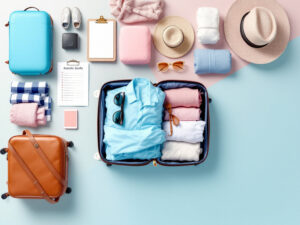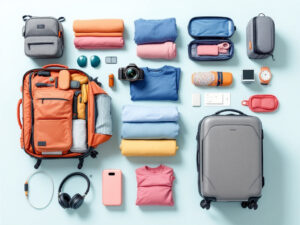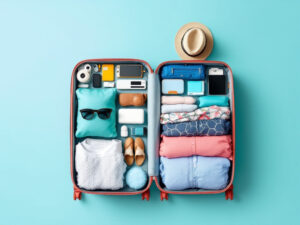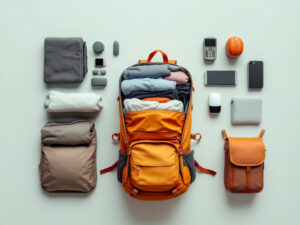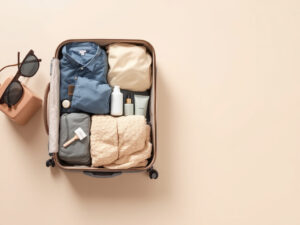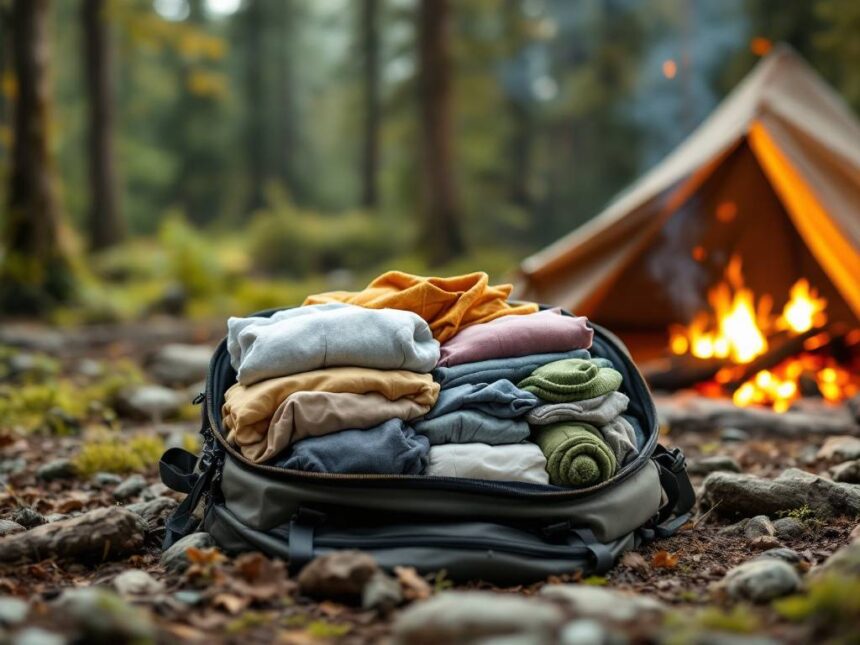
Camping gear tends to explode all over the car, the tent, and every picnic table in sight. The right packing cubes for camping keep everything contained, easy to grab, and protected from dirt and moisture so you spend less time digging for socks and more time enjoying the fire.
This guide walks you through the best packing cubes for camping, how to choose between regular and compression packing cubes, and smart ways to use them whether you are car camping for a weekend or heading out on a multi-week road trip.
Why packing cubes matter for camping
Packing cubes for camping solve three big problems at once: clutter, space, and mess. Instead of loose piles of clothes and gear, you group similar items into clearly designated cubes, for example one for pants, one for tops, one for socks and underwear. That way you can grab what you need without dumping out your whole duffel.
Campers who have used packing cubes for years report that they make it easy to locate specific clothing without rummaging through the entire bag. Organizers like Lydia Mansel also recommend them as a simple way to pare down what you bring and avoid last minute shoving of belongings before the trip home, as she shared in a 2024 Condé Nast Traveler article.
You also get basic protection from dirt, damp ground, and the occasional leak. Many cubes are made from nylon or polyester that is water resistant enough to handle splashes and light moisture, which is a real advantage in dewy campsites and drizzly weather.

Regular cubes vs compression cubes
When you start shopping, you will see two main types of packing cubes for camping: standard cubes and compression cubes. Both help you organize. The difference is how they handle bulk.
Standard cubes are simple zip pouches that hold your clothing in tidy stacks. They shine when you want visibility, fast access, and less wrinkling. Regular cubes are ideal for everyday clothes and for anyone who prefers easy packing over max compression.
Compression packing cubes have an extra zipper, buckle, or strap that cinches the cube flat. This second closure squashes your clothing, which can save a surprising amount of space in your duffel or backpack. For camping, they are especially useful for puffer jackets, fleece, base layers, underwear, and sleepwear.
You do want to be selective though. Travelers note that compression cubes are not ideal for sweaters or garments that crease easily, and the extra zipper can strain if you overpack. Compression does not reduce the weight of your gear either, it just redistributes the volume.
A balanced approach works best for camping. Use regular cubes for items that wrinkle or that you need often, and add a few compression cubes for the bulkier, squishable layers that would otherwise fill half your bag.
Key features to look for
Because you are dealing with dirt, dew, and possibly rain, packing cubes for camping need to be tougher and a bit more technical than basic travel organizers.
Focus on these details when you choose a set:
- Durable fabric. Nylon or polyester ripstop stands up to frequent use and rougher handling. Some campers have used nylon cubes for over 15 years, which gives you a sense of their long term value.
- Water resistance. Fully waterproof cubes are not essential, but water resistant materials, coated zippers, or rolltop designs help protect clothing and electronics from spills and damp ground.
- Mesh ventilation. Many cubes include mesh panels that let air circulate and help prevent mildew and odor build up in your camp clothes.
- Handles and grab loops. Packing cubes with handles are easier to move from your trunk to the tent, and you can hang them from hooks or branches as temporary shelves.
- Size variety. Mixing large cubes for bulk items and smaller ones for socks, underwear, and accessories lets you treat your bag like Tetris and fill every gap.
- Opening style. Clamshell designs that zip around three sides open like a book so you can see everything at a glance, which is handy in a cramped tent.
If you tend to overpack, also think about compression zippers or straps. They take a little effort to zip, but the payoff is extra room in your pack.
Best overall: Patagonia Black Hole Cube
If you want one cube that can handle just about any camping situation, the Patagonia Black Hole Cube is a standout choice. It is often recommended as the best overall packing cube for camping and travel because it is both tough and thoughtfully designed.
This cube has a generous 14 liter capacity, which is plenty for a weekend’s worth of camp clothing or a mix of layers for a longer trip. The fabric is a weather resistant recycled polyester ripstop that shrugs off drizzle, dirt, and rough surfaces. It is the same style of material used in Patagonia’s Black Hole duffels, which are known for their durability in rugged conditions.
Inside, you get two compartments separated by a zippered mesh divider and a taffeta panel. This lets you keep clean and dirty items apart or separate base layers from bulkier jackets. For camping, that separation is especially useful at the end of a trip when half your gear is dusty or smoky and the rest is still relatively clean.
Practical details like grab handles and sturdy zippers make this cube easier to handle when your hands are cold or your campsite is dark. For most campers, it is an ideal all around workhorse cube that can move from road trips to backpacking without fuss.
Best lightweight option: Baggu Packing Cube Set
If you fly to a destination then pick up a rental car or camper, weight matters. The Baggu Packing Cube Set gives you structure and durability without adding much to the scale.
These cubes are made from ripstop polyester fabric, which is light yet tough enough to handle being shoved into duffels and rooftop boxes. Campers and skiers like that they can accommodate bulky winter clothing such as ski gear, so you can dedicate one cube to base layers and another to midlayers and socks.
The set typically includes two sizes, one larger cube and one smaller companion, along with the bright, playful prints Baggu is known for. On a camping trip, that makes it easy to assign patterns to different people or categories, for example kids’ clothes in one print, shared outer layers in another.
Another advantage is maintenance. Baggu cubes are machine washable and dry quickly, so you can rinse out dust and smoke smells between trips without babying them.
Pairing a lightweight set like this with a more rugged cube or two, such as the Patagonia Black Hole Cube, gives you a flexible system that works in both cabins and tents.
Best value set: Eagle Creek Pack-It Isolate cubes
If you want a reliable, long lasting set without paying top dollar, the Eagle Creek Pack-It Isolate packing cubes are a strong value pick for camping and general travel.
These cubes use lightweight, washable, water resistant polyester ripstop, so they can handle light moisture and dirty cabin floors. The material is also 100 percent recycled, which will appeal to you if you try to keep your outdoor gear choices a bit more sustainable.
The Isolate line comes in several sizes, including a rolltop shoe pouch that is very useful if you are also thinking about packing cubes for shoes. You can keep muddy hiking boots or camp sandals away from your clothing without needing a separate bag.
Travel testers note that the Isolate cubes are about half the weight of Eagle Creek’s Reveal cubes, which makes them ideal for weeklong and shorter trips when you are trying to keep backpack weight down. They still include thoughtful details like handles, mesh panels, and sturdy zippers.
Because these are such a versatile all purpose option, they make a good first investment if you are just starting to build out a travel packing cubes set that can work for both hotels and campsites.
Best everyday set: Eagle Creek Pack-It Reveal Cube Set
For most travelers who camp occasionally and travel in other ways too, the Eagle Creek Pack-It Reveal Cube Set hits a sweet spot of durability, organization, and price.
Relaunched in 2024 with 100 percent recycled fabric and improved water repellency, the Reveal cubes are designed to hold about a week’s worth of clothing in a tidy, visible layout. The large mesh window lets you see what is inside each cube, which can save a lot of time when you are changing in a cramped tent or a dimly lit campground restroom.
The fabric has enough structure to keep its shape without feeling rigid, and it resists light moisture. You can toss them on a camp table or a slightly damp tent floor without worrying that your clothes will instantly soak up water.
Since Eagle Creek offers a lifetime guarantee on its products, these cubes are meant to stick with you for years of trips, not just a single season.
Many campers find that investing in one durable, well designed set saves them from buying and replacing cheaper organizers that fail after a few trips.
If you are looking for durable packing cubes that can handle regular use, the Reveal set deserves a close look.
Best for overpackers: REI Co-op Expandable Packing Cube Set
If your instinct is to bring a backup for your backup fleece, the REI Co-op Expandable Packing Cube Set is designed with you in mind.
Testers found that this set offers the most packing capacity and compression among comparable sets. You start with an expanded cube to load your clothing, then zip the compression zipper to squeeze it down. In practice, you can fit about one third more clothing than in non compression cubes of a similar footprint.
This is particularly useful for camping, where bulky sweatshirts, insulated pants, and extra base layers tend to fill bags quickly. Do be prepared to use a bit of effort. Compression zippers require some practice, especially if you pack the cubes to the brim.
As with other REI Co-op gear, the materials are built to handle outdoor conditions, so you do not have to worry about babying these cubes around the campsite.
A compression focused set like this also pairs well with regular packing cubes for suitcase use, which keeps your system consistent whether you are heading out to a campground or a city break.
Best compression cubes for camping: BAGSMART Blast Compression cubes
When you specifically want strong compression at a reasonable price, the BAGSMART Blast Compression Travel Packing Cubes are a standout option for campers.
This 6 piece set comes with mesh panels and heavy duty compression zippers that significantly reduce packing volume. You load each cube, zip it closed, then run the second zipper around the edge to squash everything flat. It is not quite vacuum bag level, but for soft items like base layers, underwear, and T shirts, the difference in bulk is noticeable.
Reviewers rate these cubes around 6 out of 10 for compression, which is solid considering their budget friendly price, roughly 7 dollars per cube. The sizes are practical and will fit socks, underwear, shirts, pants, and even shoes in a pinch.
For car camping and road trips, a set like this lets you bring a bit more comfort clothing without turning your trunk into chaos. Just remember that compression does not magically lighten your load. It only makes the load more compact.
If you are curious about other compression focused options for travel, you can explore more compression packing cubes that work outside of campgrounds too.
Best zipperless option: Osprey StraightJacket Compression Sack
Sometimes a traditional cube shape is not the best fit for your camping kit. The Osprey StraightJacket Compression Sack acts like a zipperless packing cube, and it is particularly good for sleeping bags, blankets, and big puffy items.
Instead of zippers, it uses two YKK buckles and straps to cinch down the sack. You fill it with your bulky gear, clip the buckles, then tighten the straps to compress everything. Testers have rated it around 7 out of 10 for compression, and it has been used successfully for camping in rugged regions like Michigan’s Keweenaw Peninsula and Thumb area.
The materials are lightweight but durable, which means you can strap it to the top of a pack or toss it into a car trunk without worry. For family camping, using one of these as a communal cube for shared blankets or extra pillows can free up a lot of space.
If you do not like wrestling with compression zippers and want something more forgiving for high bulk items, this sack is a smart addition to your camping system.
Best budget option: BAGSMART Compression Travel Packing Cubes
If you are equipping a family or just want to test the waters without investing in premium gear, the standard BAGSMART Compression Travel Packing Cubes are a good budget conscious choice for camping.
Priced at about 7 dollars per cube, they offer solid compression, again around 6 out of 10 by user estimates, and come in a variety of sizes that fit typical clothing categories. You can dedicate one cube to shirts, another to pants, another to sleepwear and base layers.
These are not as refined as higher end cubes, but they perform well for the price and can handle typical camping use. If one does eventually fail, you have not lost a large investment.
Budget cubes like these are also ideal backups. You can keep a spare set ready for friends, kids, or unexpected gear so your main system stays uncluttered.
If cost is your main concern, you might also want to look at broader options for affordable packing cubes that still offer meaningful organization benefits.
Best for families: Gonex Compression Packing Cubes
Family camping trips generate a lot of clothing, from kids’ pajamas to extra hoodies and swimsuits. The Gonex Compression Packing Cubes are designed to wrangle that volume into something manageable.
This set offers four large compression packing bags with top handles that make them easy to carry from car to campsite. The sizes range from extra large to small, and they are specifically built to hold clothing for multiple travelers. You might assign one color cube to each family member or divide them by category such as tops, bottoms, and outerwear.
The water resistant nylon fabric repels light splashes, which is helpful around lakes and muddy picnic tables. The compression feature helps you get more out of your trunk or rooftop box, but still allows quick access when a child inevitably needs a new sweater right before bed.
For longer trips, keeping a dedicated cube for dirty laundry can make repacking much less stressful.
Best for long trips: Shacke Pak 5 Set Packing Cubes
If you are heading out on a camping road trip of up to two weeks, the Shacke Pak 5 Set Packing Cubes offer excellent value and capacity.
This set includes extra large, large, medium, and small cubes, plus a laundry bag. The variety lets you separate bulky items like hoodies and pants from smaller pieces like socks and underwear. The water resistant nylon fabric and breathable mesh top panels strike a good balance between protection and ventilation.
Travelers like that this set can handle trips of up to 14 days without feeling overloaded. For camping, you can dedicate one large cube to cold weather layers, another to everyday outfits, and use the smaller ones for pajamas, hats, and gloves.
The included laundry bag is particularly handy for separating worn clothes, either within your duffel or in the car, so you do not have to stash dirty items in random grocery bags.
Best sustainable set: Cotopaxi Cubo Packing Travel Bundle Del Día
If you care about sustainability and enjoy colorful gear, the Cotopaxi Cubo Packing Travel Bundle Del Día brings both to your campsite.
These packing cubes are made from repurposed remnant materials, which means every bundle’s colors are unique. Cotopaxi is a Certified B Corp, and the repurposed fabric approach reduces waste while still delivering durable organizers.
The cubes use a clamshell opening, so they unzip around three sides and lay flat. That makes it very easy to see and access your clothing in a tent or cabin, especially if you are living out of a duffel for several days.
The material is stiffer than some alternatives, which helps them hold shape but can feel a bit rigid. On the plus side, that structure keeps your clothing stacks neat and makes it easier to pull a cube out from under other gear without it collapsing.
For campers who want gear that looks cheerful and supports responsible manufacturing, this bundle is a compelling choice.
Best odor control compression: Thule Compression Cubes
Camping and odor tend to go together, especially when you have a mix of sweat, smoke, and damp clothes. The Thule Compression Cubes are designed to handle both space saving and smell management.
These cubes use durable ripstop nylon with YKK zippers and have been rated around 7 out of 10 for compression. That level is ideal for thicker camping clothes such as sweaters and jackets. You can noticeably reduce their bulk without feeling like you are over straining the zippers.
Thule’s design also focuses on maintaining odor control, which is particularly helpful if you are packing dirty items next to clean ones over several days. While compression will not eliminate smells, having a better barrier and organized compartments makes a difference in how your bag feels by the end of the trip.
If you often camp in humid or rainy environments, or if you sweat through multiple layers on hikes, these cubes can help keep your pack fresher and more tolerable.
Best ultralight technical option: Dyneema based cubes
For backpackers and ultralight focused campers, every ounce counts. Packing cubes made from technical fabrics like Dyneema are worth a look, even at higher price points.
Dyneema is stronger than Kevlar relative to its weight and offers excellent water resistance and durability. That makes it ideal for rugged outdoor use such as multi day backpacking or canoe trips where your gear is frequently exposed to moisture and abrasion.
The tradeoff is that Dyneema cubes often have a crinkly texture and come in limited color options. They are more about performance than style. For you, the benefit is a long lasting, highly protective cube that barely adds to your base weight.
If you are building an ultralight kit, pairing one or two Dyneema cubes with more traditional packing cubes for carry-on luggage can give you a flexible system across both trail and air travel.
How many cubes you actually need
It is tempting to buy a giant set and assign a cube to every possible category, but for camping you are usually better off with a simple, repeatable system.
A practical starting point for a solo camper looks like this:
- 1 large cube for bottoms and bulky layers
- 1 large or medium cube for tops
- 1 small cube for underwear and socks
- 1 small cube for sleepwear and base layers
For a couple, double the small cubes and add one dedicated shared cube for outerwear. For a family, assign each person one large or medium cube for main clothes, plus a shared cube for extra layers and another for dirty laundry.
If you carry a lot of toiletries, consider a dedicated organizer. You can use a cube, but a waterproof kit designed as packing cubes for toiletries might serve you better, especially around shared campground sinks.
The goal is not to micro organize every item. It is to create consistent categories so you always know where to reach when you need a fresh pair of socks or a warm layer.
How to pack cubes efficiently for camping
Once you have your cubes, how you use them matters just as much as which brand you picked.
Many experienced travelers recommend packing a mixture of items in each cube to maximize space, instead of rigidly separating categories. For example, you might tuck socks and underwear along the edges of a cube that is mostly shirts, so you fill the gaps.
Ranger rolling, a tight rolling method for clothing, helps minimize wrinkles and reduces the overall size of garments. Rolled items also stack neatly in cubes, which makes it easier to see everything at a glance when you open them.
When loading your main bag or backpack, treat the cubes like Tetris pieces. Place larger, flatter cubes against the back panel or the bottom of your duffel, then slide smaller cubes into the remaining spaces. This strategy is especially helpful for camping and backpacking where you want a stable, balanced pack.
You can also:
- Keep one cube packed as a grab and go overnight kit for campsite arrivals after dark.
- Use an extra cube to separate clean from dirty clothes as the trip goes on.
- Dedicate a small cube to electronics and cables so they do not get lost among clothing.
If you find that you are still fighting to close your bag, the solution is usually to reduce what you bring rather than adding more compression. Practice packing before you leave and remove the items you rarely reach for.
When to use compression bags instead of cubes
Compression bags, such as the Air Canada style bags that expel air when you roll them, can have a place in camping kits, but they are best used selectively.
These bags work well to vacuum seal clothing without a pump, which is handy for very bulky items or for containing dirty laundry on the way home. However, they tend to cause wrinkles and, again, do not reduce weight, only volume.
For camping and travel, it is usually smarter to reserve compression bags for:
- Bulky but unimportant items, like spare bedding or old towels
- Dirty or smoky laundry that you want to isolate completely
- Gear you will not need until the very end of the trip
For your main outfits and daily layers, regular and compression cubes give you a better balance of organization, visibility, and ease of access.
Matching cubes to your travel style
Your best packing cubes for camping will also depend on the way you like to travel:
- First time international camper or traveler. Start with a simple, durable set like the Eagle Creek Pack-It Reveal cubes, then add one compression set if you tend to overpack.
- Frequent business traveler who occasionally camps. Choose cubes that transition well from suitcase to tent. Patagonia Black Hole or Cotopaxi cubes work well in both environments, and they complement more formal packing cubes for men and workwear.
- Backpacker or digital nomad. Focus on lightweight, compressible options like the Pack-It Isolate cubes or Dyneema based cubes, and add one or two strong compression cubes for puffer jackets and extra layers.
- Family traveler. Look at family friendly sets like Gonex Compression cubes or Shacke Pak, which offer big capacity, handles, and color variety so each person’s gear is easy to identify.
You can mix and match as well. Many campers use a combination of compression and standard cubes because some items simply do not compress well, and having an extra cube is the easiest way to separate clean and dirty clothing.
If you want an overview of other packing cubes that might fit your broader travel routine, it is worth browsing beyond camping specific options too.
Final tips to stay organized at camp
Once you arrive at the campsite, a little setup goes a long way:
- Keep cubes in a consistent spot, such as the left side of the trunk or the foot of your sleeping bag, so you do not lose track of them.
- Use cubes with handles to carry outfits to the restroom or showers without juggling armfuls of clothes.
- Assign one extra cube for wet items like swimsuits and let it air out away from your clean gear.
- At the end of each day, take a minute to move worn clothes into a dedicated laundry cube or bag.
With a handful of well chosen packing cubes and a simple system, you can turn a jumbled car full of camping gear into a tidy, easy to manage setup. That leaves you with more time and energy for the part of camping you actually came for, slow mornings, long hikes, and quiet nights under the stars.
FAQs
Do packing cubes actually save space for camping?
They can—especially compression cubes—but the biggest win is organization. You’ll waste less space by packing consistently and filling gaps, and you’ll stop “exploding” your duffel to find one item.
Are compression packing cubes better than regular cubes?
Not always. Compression cubes shine for bulky layers, but regular cubes are faster to access and can wrinkle clothes less. A mix is usually best for camping.
How many packing cubes do I need for a weekend camping trip?
A simple solo setup: 1 large (bottoms/layers), 1 medium (tops), 1 small (socks/underwear), 1 small (sleepwear/base layers). Couples add an outerwear cube; families do “one cube per person” plus laundry.
What material is best for camping packing cubes?
Look for ripstop nylon/polyester with water resistance. For ultralight kits, technical fabrics like Dyneema prioritize strength-to-weight.
Should I use compression bags instead of packing cubes?
Use compression bags selectively (dirty laundry, end-of-trip items). Cubes are better for daily access and keeping categories consistent.
How do I prevent packing cubes from getting smelly at camp?
Choose cubes with ventilation mesh, separate dirty laundry early, and air out cubes when you can. (Quick wash/cleaning guidance also helps after trips.)