
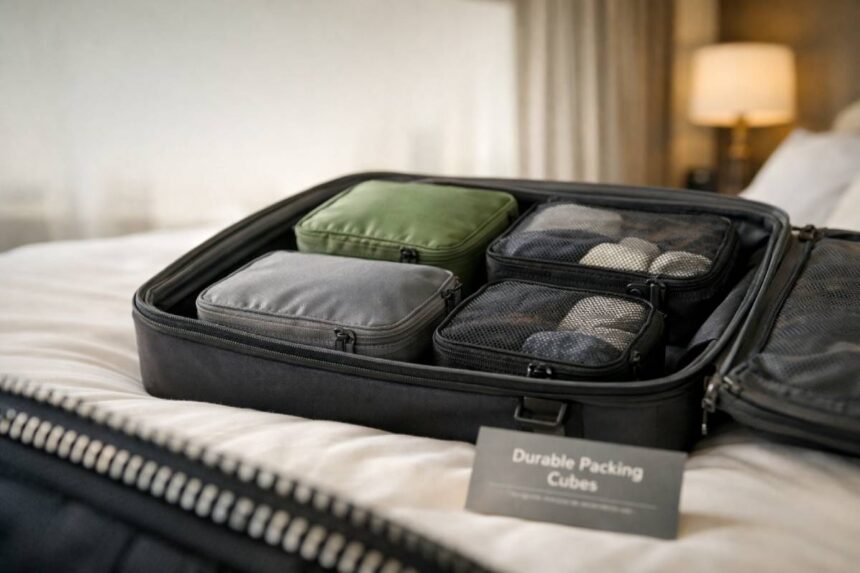
A good set of durable packing cubes can quietly transform how you travel. Instead of rummaging through a messy suitcase at 2 a.m. or dealing with busted zippers mid-trip, you can rely on sturdy cubes that keep everything in place trip after trip. When you choose durable packing cubes, you invest once and benefit for years, whether you are a first-time international traveler, a weekly business flyer, or a backpacker living out of a single bag.
This guide walks you through what makes packing cubes genuinely long lasting, which materials and features to look for, and how to match different options to your travel style. You will also see how durable cubes compare across brands so you can choose the right mix of strength, weight, and price.
Understand what “durable” really means
Durability in packing cubes is about more than just thick fabric. You want cubes that hold their shape, resist tears, and survive being stuffed, compressed, and dragged in and out of luggage for years.
In practice, durable packing cubes share a few traits. They use strong yet lightweight fabrics like ripstop nylon, they have reinforced stitching that does not split under pressure, and they rely on high quality zippers that do not snag or separate. When these elements come together, you get cubes that handle real world travel, not just a carefully packed test load at home.
If you are still deciding whether cubes are worth it at all, you can start by exploring general packing cubes guides, then come back to focus specifically on longevity and build quality.
Know the key materials for long life
The fabric is your first clue about how long packing cubes will last. Different materials balance strength, weight, and cost in different ways.
Nylon vs polyester
Nylon is typically stronger and more abrasion resistant than polyester at the same thickness. That is one reason you see nylon used in many premium and outdoor focused cubes. Tests on 30D and 40D nylon fabrics show they are impressively sturdy while still staying lightweight, which makes them an excellent choice when you care about both durability and pack weight in 2024 discussions of quality cubes.
Polyester can still be very durable, especially when used in heavier weaves. For example, the Eagle Creek Pack It Reveal Cube Set uses 100 percent recycled 300 denier polyester fabric and travelers note that it feels noticeably sturdier and more water resistant than previous versions, while staying light enough for everyday trips. This type of thicker polyester can be ideal if you are not counting every gram but you want cubes that will shrug off scrapes inside overhead bins or trunks.
Denier and fabric thickness
You will often see denier (D) mentioned in product specs. It is a measure of fiber thickness. Higher numbers generally mean thicker and more robust material, but that does not automatically mean better. You want a balance.
- Around 30D to 40D: Ultralight yet surprisingly tough when used in ripstop nylon, a common sweet spot for backpackers.
- Around 70D: Still lightweight, but with extra peace of mind for rough handling.
- 300D and up: Heavier, more structured, and very resistant to scuffs and wear.
Ultralight 30D ripstop polyester can be more fragile than the same weight in nylon, yet tests have shown that well made 30D polyester can still stand up to long term travel and repeated stuffing, according to 2024 discussions by Bagail about thin-but-strong fabrics.
Why ripstop really matters
Ripstop fabric uses a special weave with thicker threads in a grid pattern. It is designed so that if a small hole appears, the tear does not keep spreading across the surface.
Ripstop is one of the most useful features you can look for in durable packing cubes, especially if you are rough on your gear. That is why cubes like Eagle Creek Pack It Isolate, made from lightweight recycled ripstop nylon, manage to stay both light and tough. The ripstop structure gives you a safety net against snags without adding much weight.
Reinforced stitching and tight fabric weave also play a big role. Strong seams help prevent unraveling when you overpack cubes or squeeze them into a tight suitcase. When you see double stitching along high stress seams or binding tape along edges, that is a sign the manufacturer thought about long term use, not just looks.
Make zippers and buckles your top priority
If anything is going to fail on a packing cube, it is usually the zipper. That is why zipper quality deserves as much attention as the fabric, if not more.
What to look for in zippers
High quality zippers slide smoothly even when the cube is full, they resist separating under tension, and they keep working after years of use. YKK zippers are particularly known for their reliability, and you will see them featured on many premium packing cubes and compression sacks. Travelers and gear testers repeatedly recommend YKK as the gold standard for long lasting hardware.
SBS zippers are common in mid range and budget cubes. They generally perform well, especially if you are not pushing them to the limit every trip, but they are considered a bit less robust than YKK. If you travel constantly or tend to overstuff, that difference can matter.
You also want zipper pulls that are easy to grab, ideally with some texture or cord. Slim, hard pulls can be frustrating if you are zipping in a rush or wearing cold weather gloves.
Examples from real world use
The Osprey StraightJacket Compression Sack relies on YKK buckles and durable hardware, and it has been praised for holding up well across urban trips to New York City and Boston plus camping in Michigan. Testers give it a compression rating of 7 for how effectively and reliably it tightens down volume without stressing the components.
Thule Compression Cubes also use YKK zippers and tough ripstop nylon. Travelers who push their capacity have reported that these zippers withstand a surprising amount of pressure, even when kneeling on the cubes to close them. This kind of feedback is a strong signal that you can compress heavily packed gear without worrying about a failure at the worst time.
When budget zippers are enough
You do not always need the most premium hardware, especially if you travel a few times a year rather than every week. Some budget packing cubes made from polyester with unbranded zippers have held up across two years of travel and more than twenty countries. That experience suggests that it is possible to get good longevity for a low price, as long as you are not constantly overpacking and straining the closures.
If you are not sure you will like cubes at all, experimenting with a budget set can be a smart way to test the system before committing to more expensive YKK equipped options.
Compare popular durable packing cube options
To get a feel for your choices, it helps to see how different brands and styles balance durability, weight, and compression. The products below come from recent tests and real traveler feedback.
| Brand / set | Materials and build | Durability highlights | Compression notes |
|---|---|---|---|
| Osprey StraightJacket Compression Sack | bluesign approved recycled 40D high tenacity nylon, YKK buckles | Lightweight yet tough for mixed city and outdoor use, reliable hardware | Strong compression, rated 7 for effectively tightening bulky items |
| Gonex Compression Packing Cubes | Lightweight fabrics, non branded zippers | Affordable set of four around 30 dollars, but some zipper catching and long term concerns | Compression rating of 5, decent but not the most aggressive |
| Peak Design Packing Cubes | Durable nylon, polyester, self healing Hypalon | High quality feel, clever quick access zippers, minor gaps may let water or odor in | Compression rating of 6 plus extra dirty clothes pocket for separation |
| Eagle Creek Pack It Isolate Cubes | 100 percent ocean recycled, PFC and PFA free ripstop nylon | Lightweight, washable, water resistant, praised as best value in 2025 discussions | Compression rating of 6, multiple sizes and shapes for flexible packing |
| Thule Compression Cubes | Ripstop nylon, YKK zippers | Sleek and durable, resists smell and visibility of contents, tested under heavy pressure | Compression rating of 7, gusseted corners form efficient brick shapes |
| Eagle Creek Pack It Reveal Cube Set | 100 percent recycled 300D polyester, tight mesh windows | Relaunched in 2024, noticeably more water resistant and sturdier, smooth zippers even overstuffed | Not true compression cubes, but clamshell design lets you pack tightly |
| REI Co op Expandable Packing Cube Set | Lightweight tear resistant ripstop nylon | Very effective for overpackers, strong seams and fabric | Dual zippers expand or compress, holds more in a smaller volume |
| Cotopaxi Cubo Packing Travel Bundle Del Día | Repurposed remnant materials, mesh and nylon panels | Durable and sustainable, Certified B Corp brand, stiffer and bulkier feel | Limited compression, better for organization than squeezing volume |
If you prefer a thorough buyer overview before choosing, you can also scan broader guides like best packing cubes or deep dive into specialized compression packing cubes if minimizing space is your main priority.
Match durability to your travel style
The best durable packing cubes for you depend not just on how strong they are, but how and where you travel.
For first time international travelers
If you are planning your first big trip abroad, you probably want gear that feels solid without being overly technical. Look for:
- Midweight fabrics like 70D nylon or 300D polyester that feel sturdy in hand
- Simple, clamshell style cubes that open on three sides, such as the Eagle Creek Pack It Reveal set
- Mesh windows so you can see what is inside without unzipping everything
Since you might be living out of a suitcase for weeks, it can also help to choose a set with multiple sizes so you can experiment with a system, for example one cube for tops, one for bottoms, one for underwear and sleepwear.
You can pair these with guides on packing cubes for suitcase to make sure your cubes fit neatly into your checked or carry on luggage and make the most of the available space.
For frequent business travelers
If you are flying often with carry on only, you will feel the difference that well built cubes make. You want:
- Reliable hardware, ideally YKK zippers, so a broken pull never ruins a tight connection or quick change between meetings
- Smooth exterior fabrics that slide easily into rolling bags and do not snag on suit linings
- Structured cubes that retain their shape when partially full so your shirts stay folded
Sets like Peak Design Packing Cubes or Thule Compression Cubes work particularly well here because they combine compression with smooth, durable exteriors and thoughtful features like quick access openings. Matching your cubes to packing cubes for carry-on luggage advice also helps you keep security checks and gate checks as stress free as possible.
For backpackers and digital nomads
When you carry everything on your back, every ounce matters. You need durable packing cubes that are also light and compressible.
Look for:
- Ultralight ripstop nylon around 30D to 70D, as found in many Eagle Creek Isolate cubes
- Slim, brick like shapes that line up inside hiking packs or travel backpacks
- Good water resistance for unpredictable weather and hostel floors
The REI Co op Expandable Packing Cube Set is popular among overpackers because it compresses clothing into a smaller volume without requiring heavy fabrics. For longer trips, cubes purpose built for packing cubes for backpackers and packing cubes for backpacking will give you layouts that work in top loading bags and narrow compartments.
Backpackers who prioritize durability above all often turn to tactical style options like GORUCK Packing Cubes. These use robust materials, dual sided interior compartments for organization, and high quality multi colored zippers, and they are designed to withstand tougher environments well into 2025 and beyond.
For family and kids’ travel
If you travel with kids, you know gear takes a beating. Durable packing cubes can save you time and sanity by keeping outfits and categories separate but accessible.
You may want:
- Tougher fabrics and reinforced seams that can handle being thrown, stepped on, or used as makeshift pillows
- Bright colors or color coded sets so each family member has their own cubes
- Easy pull zippers that kids can open and close themselves
Options like the Cotopaxi Cubo Packing Travel Bundle Del Día can be ideal here. The cubes use repurposed remnant materials that are both durable and colorful, and the clamshell opening plus mesh and nylon panels make it easy to see and access items. For more targeted tips, explore guides dedicated to packing cubes for kids, which can help you decide how many cubes per child and which sizes make the most sense.
Decide how much compression you really need
Not all durable packing cubes compress. Some focus on structure and organization, while others let you squeeze clothes down for maximum space savings.
Compression vs standard cubes
Compression cubes usually have two zipper tracks or an extra collar of fabric. You place clothing inside, zip the main compartment, then zip the outer layer to compress everything tighter. This can significantly reduce volume but can also wrinkle clothes more if you are not careful.
The Osprey StraightJacket Compression Sack earns a 7 out of 10 for compression, making it great for bulky items like jackets or sleeping bags. Thule Compression Cubes also score a 7, and their gusseted corners give them a brick like shape that fits particularly well in small travel bags and carry ons.
Standard cubes, like many in the Eagle Creek Pack It Reveal line, do not actively compress. Instead, they keep your clothing neatly contained so you can stack or slide them around. This is often enough for travelers who are more focused on organization and speed at the hotel than on shaving every last cubic inch.
The REI Co op Expandable Packing Cube Set splits the difference with dual zippers that allow you to expand while packing and then compress as needed. If you are an overpacker, this hybrid design can be especially helpful.
Compression and durability
When you compress clothing, you place extra stress on seams and zippers. That is why durability is even more critical in compression cubes. You want ripstop fabric, strong stitching, and robust zippers, ideally branded like YKK.
Peak Design Packing Cubes use durable nylon and polyester plus self healing Hypalon details. The self healing properties help with small punctures or abrasions, which adds to long term durability. They also include an extra pocket for separating dirty clothes, which can reduce odor issues that sometimes come with tightly compressed gear.
You can explore broader advice on compression packing cubes to see when compression is worth it and when a simpler, non compressing setup might suit you better.
Balance durability with weight and cost
Ultra durable fabrics and premium zippers come at a price, both in dollars and in grams. It is worth thinking through where you want to land on that spectrum.
Ultralight but strong
High quality 30D nylon fabrics can be roughly three times the cost of regular nylon, according to 2024 analyses by Bagail. That cost reflects the engineering needed to keep weight low while maintaining tear resistance. If you count every ounce for thru hikes or long term backpacking, investing in these ultralight yet durable cubes makes sense.
The trade off is price. You will pay more upfront but gain flexibility and comfort on your back. For many digital nomads, this is a worthwhile investment because it directly affects how easy it is to move between cities and countries.
Midrange durability for most travelers
If you travel a few times a year, a combination of 70D ripstop nylon or 300D polyester and decent zippers is usually more than enough. This middle ground gives you strong, reassuring materials without extreme costs.
Eagle Creek Pack It Isolate cubes fall into this category. They are praised in October 2025 discussions as a best value choice, combining lightweight, washable, water resistant polyester ripstop with functional touches like size tags for quick identification. You get durable performance without paying top tier tactical prices.
Budget friendly, still long lasting
If you prefer to spend as little as possible while you figure out your preferences, budget packing cubes can be surprisingly durable. Travelers report using polyester cubes with unbranded zippers across more than twenty countries over two years without major failures.
Amazon Basics medium sized packing cubes are a good example. For around 14 pounds for a set of four, you get simple, practical design with see through mesh and clamshell zippers. These cubes can double as drawer organizers on extended trips, and while they may not match premium sets on fabric strength or compression, they provide a gentle entry point into the packing cube world.
Choose the right cube shapes and sizes
Durable construction is only helpful if your cubes actually fit the bags you use. Taking a little time to match cube shapes to your luggage pays off every time you pack.
For suitcases and rolling bags
Suitcases work best with rectangular cubes that match the footprint of the main compartment. Look for:
- Large cubes that line up side by side for main clothing
- Medium cubes that fill gaps created by handles and corner curves
- Slim cubes that run along the edges for small items
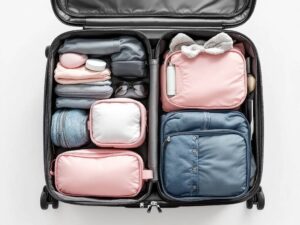
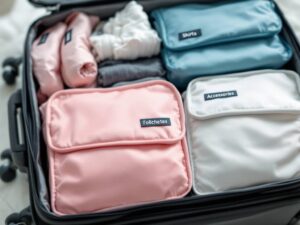
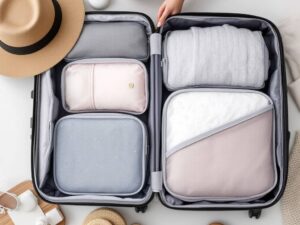
Resources on packing cubes for suitcase can help you visualize different layouts and decide whether you prefer one large cube per side or several smaller ones stacked.
For carry ons and weekender bags
For smaller bags, you often gain more flexibility with a mix of sizes:
- One medium cube for pants and sweaters
- One medium or small cube for shirts
- One small cube for underwear and socks
Because space is tighter, durable compression options like Thule Compression Cubes or REI Co op Expandable cubes can help you maximize every inch. Matching your choices to packing cubes for carry-on luggage tips helps prevent bulging bags or last minute repacking at the gate.
For backpacking and camping
Backpacks favor tall, narrow cubes that stack vertically and do not waste space alongside the curved back panel. You might pair:
- One larger cube for base layers or everyday clothing
- One medium cube for mid layers or camp clothes
- One small cube for socks and underwear
If you camp regularly, specialized packing cubes for camping can point you to water resistant and rugged options that handle dirt and moisture better than typical city travel cubes.
Organize by category to reduce wear
How you use your durable packing cubes will affect how long they last. Thoughtful organization can actually reduce stress on fabrics and zippers.
Separate heavy and light items
Try not to mix dense, heavy objects with delicate clothing. Shoes and electronics should go in their own dedicated cubes or pouches. That way, you avoid sharp edges pressing into soft fabrics and seams.
- Use packing cubes for shoes to keep soles away from clothes and to protect cubes from dirt and abrasion.
- Consider packing cubes for electronics or padded pouches for chargers and small devices so cables do not poke through thin fabric.
Clothes focused cubes, like those covered in packing cubes for clothes, will last longer when they only carry soft textiles.
Use purpose built cubes for toiletries
Toiletries can leak, and even the most durable fabric will not enjoy repeated exposure to shampoo or sunscreen. For that reason, it is worth using packing cubes for toiletries or dedicated toiletry bags with lined interiors.
This simple separation keeps your main cubes cleaner and reduces the number of deep washes they need, which in turn extends the life of both the fabric and the stitching.
Plan systems for different travelers
You may find it helpful to tailor your cube system to who is using it:
- For women who pack a mix of workwear, dresses, and casual outfits, packing cubes for women guides can help break items into logical categories that limit overstuffing.
- For kids, simple systems covered by packing cubes for kids keep outfits grouped for each day, so zippers are opened and closed less often.
When cubes are not packed to bursting every trip, they experience less strain, which improves longevity.
Care for your cubes so they last longer
Durable packing cubes can handle rough treatment, but a little care extends their life noticeably.
Simple maintenance habits
After each trip, empty your cubes fully and let them air out. If they are damp or have been exposed to humidity, leave them unzipped for a few hours in a dry room.
Most nylon and polyester cubes are machine washable on gentle cycles, especially those like Eagle Creek Pack It Isolate cubes that are advertised as washable and easy to clean. Always check the label first. Use mild detergents, avoid fabric softeners, and air dry rather than tumble drying to protect coatings and stitches.
Pack smart to reduce stress
Try to zip cubes while they are on a flat surface rather than in mid air. Support the sides with one hand while you pull the zipper with the other, especially near corners where strain is highest. If you need to kneel on a cube to compress it, as some Thule users report successfully doing, do this with care and only if you trust the seams and zippers.
If a zipper ever catches on interior lining, stop and gently back it up instead of forcing it forward. This is especially important with more budget friendly cubes like Gonex, which have non branded zippers that can sometimes catch on fabric liners. Slowing down by a few seconds can save a cube from permanent damage.
Use reviews and tests to guide your choice
Once you know what to look for, reading detailed feedback becomes much more helpful. Look for comments about:
- Seams splitting when packed tightly
- Zippers failing or separating
- Fabric fraying, pilling, or snagging over time
- How many trips or years people have used the cubes
Long term reports that mention use across a decade, such as those from travelers using Eagle Creek cubes with lifetime warranties, can give you confidence that you are buying gear for the long haul.
If you want a curated view of those experiences in one place, explore packing cube reviews. Comparing different users’ trips and packing styles can help you spot patterns, like which cubes excel for business travel versus overland backpacking.
Key takeaways when choosing durable packing cubes
Durable packing cubes are not just about thick fabric. They are about smart materials, strong stitching, and high quality zippers that work smoothly for years. As you choose your own set, keep these points in mind:
- Favor ripstop nylon or heavier recycled polyester for a balance of strength and weight.
- Look for reinforced seams and trusted zippers, ideally YKK, especially in compression cubes.
- Match cube shape and size to your luggage style, whether that is a suitcase, backpack, or carry on.
- Use purpose driven cubes for shoes, toiletries, and electronics to protect both cube fabric and contents.
- Consider your travel frequency and style to decide how much to invest in ultralight or tactical grade durability.
From ultralight sets like Eagle Creek Isolate to rugged designs like GORUCK Packing Cubes and innovative options from Peak Design, you have plenty of ways to build a system that will last. If you start with a small set and refine from there, you will quickly discover how the right durable packing cubes can simplify every trip you take.
FAQs
What denier is best for durable packing cubes?
A practical range is 70D–100D for most travelers who want durability without bulk, while 300D+ polyester is great if you want structure and scuff resistance in suitcases. Denier matters, but weave and coatings matter too.
Is nylon more durable than polyester for packing cubes?
In general, nylon tends to be stronger and more abrasion resistant, while polyester can shine for stability and often cost. Both can be very durable when well-made.
Are compression packing cubes worth it?
Yes if you travel carry-on only, pack bulky clothing, or overpack. Just know compression puts more stress on seams and zippers—buy better hardware if you compress often.
Why do packing cube zippers fail?
Most failures come from overstuffing, cheap zipper tracks, and forcing a snag around corners. Smooth, precise zippers (often premium-branded) reduce that risk.
How do I make packing cubes last longer?
Air them out after trips, avoid dryer heat, don’t store them wet, and keep liquids in a separate toiletry bag so leaks don’t degrade fabric coatings and seams.
Do mesh panels reduce durability?
Not necessarily, but mesh can snag more easily than solid fabric. If you’re rough on gear, choose cubes with reinforced mesh and strong seam binding.







, zipper tips (YKK), compression vs standard, and picks for every travel style)