Traveling with only a carry-on can feel liberating, but it also asks you to be intentional about every inch of space. With a few organized carry-on packing tips, you can speed through security, find what you need in seconds, and land with a suitcase that practically unpacks itself.
Below, you will learn how to organize your bag for different types of trips and travelers, including families with kids, frequent flyers, and minimalist packers.
Start with the right carry-on and plan
A well organized trip starts before you even pull out the suitcase. A little planning helps you avoid the last minute “just in case” extras that eat up room.
Know your carry-on size and limits
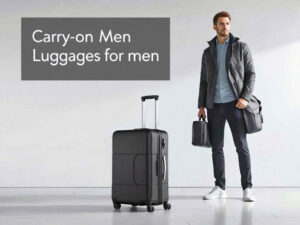
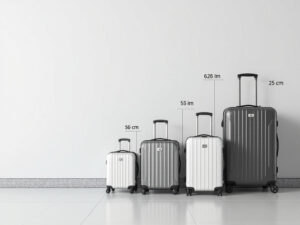
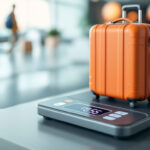
Most U.S. airlines follow similar size guidelines for carry-on luggage. According to Travel + Leisure, a standard American domestic carry-on size is 22″ x 14″ x 9″, which fits in most major airlines’ overhead bins as of 2024. Check your specific airline before you pack, especially for international flights or budget carriers that may be stricter.
Once you know your limit, treat it as a firm container. You are fitting your belongings to the bag, not the other way around.

Create a simple packing plan
Before you start tossing items into your suitcase, map out what you truly need. You can use a written or digital list, or customize a template like a packing checklist for organized travel.
Aim to:
- List your travel days and main activities for each day
- Choose clothing that can mix and match into multiple outfits
- Decide on a maximum number of shoes and outer layers
- Note any must-have items like medications or work devices
If you like structure, building a full packing system for organized trips helps you pack faster every time you travel.
Use a category based packing system
You can think of your carry-on as a drawer system. Each “drawer” holds a specific category so you never dig through piles to find one tiny item.
Break your packing into categories
A basic packing category organization might look like:
- Tops and dresses
- Bottoms and activewear
- Underwear, sleepwear, and swim
- Toiletries and personal care
- Tech and chargers
- Shoes and accessories
- In-flight essentials
Once you have categories, you can decide how to contain each one. This is where packing bags organization ideas and cubes really help.
Choose the right organizers
You do not need a bag for every single item, but a few smart containers can transform your packing. Compression packing cubes, for example, help you separate clothes and remove extra air so they take up less space. Tech organizers keep cords from tangling, and clear pouches make security checks easier.
If you are new to organizers, start with:
- 2 to 4 packing cubes in different sizes
- 1 small zippered pouch for snacks or small items
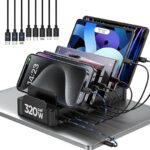
- 1 tech organizer for cords, chargers, and earbuds
- 1 quart-sized clear bag for liquids
From there, you can add more specialized travel packing organization tools if you find them helpful.
Roll, layer, and balance your clothes
How you physically place items in your carry-on matters as much as what you bring. With a few small changes, you can fit more without overstuffing your bag.
Roll instead of fold
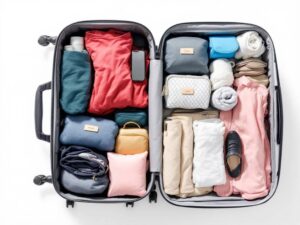
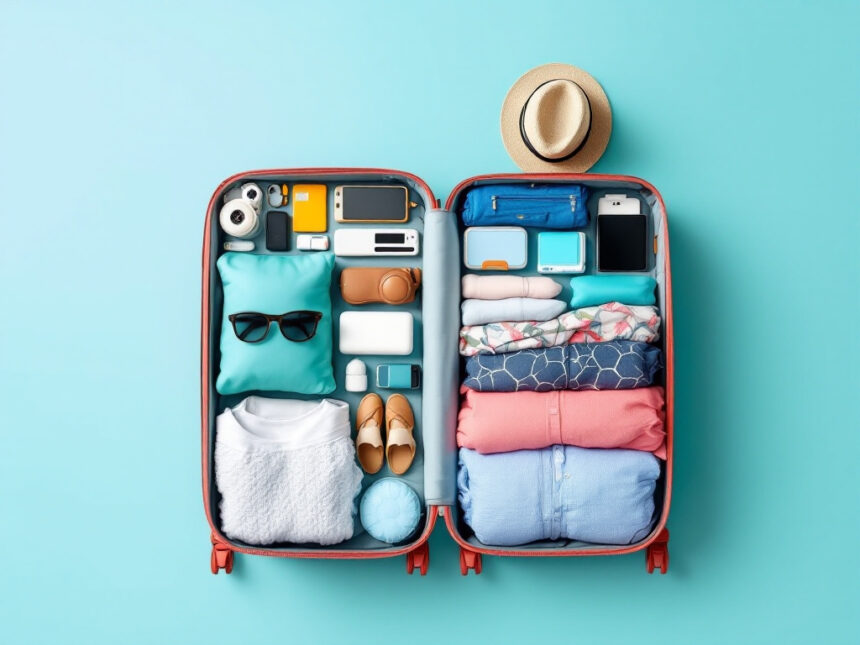
Rolling clothes saves space and reduces wrinkles. Experts recommend rolling because rolls can fill in small gaps and use every corner of your carry-on efficiently. You can roll individual items, or roll outfits together if that is easier for you to grab and go.
Rolling works especially well for:
- T-shirts and knit tops
- Leggings and casual pants
- Sleepwear and workout clothes
- Kids’ outfits and pajamas
If you prefer a structure-based approach, you can combine rolling with packing cubes organization ideas to keep everything visible.
Put heavy items at the bottom near the wheels
To keep your suitcase stable and easy to roll, place heavier items like jeans, sweatshirts, and shoes at the bottom of the carry-on, closest to the wheels. Professional organizer Shantae Duckworth recommends this approach so your bag does not tip when upright.
Lighter items, such as t-shirts and underwear, can sit on top. You can also tuck soft items like scarves or pajamas around the edges to fill gaps and add cushioning.
Balance your layers
If you are traveling with layers for different climates, let your bulkiest items work double duty. Wear your heaviest shoes and outerwear to the airport instead of packing them. Some travelers even wear multiple layers to free up space in the bag, especially for cold weather trips.
You can still remove layers after security so you feel comfortable during the flight. Keep a light sweater or shawl handy though, since airplane cabins can get cold.
Build a smart shoe and accessory strategy
Shoes are space hogs, yet you rarely need more than a few pairs. A simple approach keeps your carry-on light and functional.
Follow the “Rule of 3” for shoes
The “Rule of 3” is a helpful guideline. Bring up to three pairs to cover most needs:
- Everyday walking shoes or sneakers
- A slightly dressier pair for dinners or events
- Flip-flops or sandals for pools and casual wear
Use packing shoes organization tips to decide which shoes earn a spot for each trip. Pick neutral colors and styles that match several outfits instead of just one.
Pack inside your shoes
To maximize space, treat shoes as small containers. Shantae Duckworth suggests packing items like socks, jewelry, or small accessories inside your shoes. This fills dead space and protects delicate items.
Slip each pair into a shoe bag, packing cube, or even a reusable silicone bag to keep dirt away from your clothes.
Keep toiletries compact and TSA ready
Toiletries can easily spread out and take over a suitcase. With a bit of planning, your kit can stay tidy, compact, and TSA compliant.
Follow the liquids rule
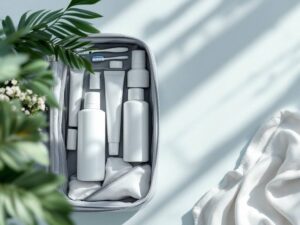
When traveling with carry-on only luggage, TSA allows each passenger a quart-sized bag containing liquids, aerosols, gels, creams, and pastes. Each container must hold 3.4 ounces (100 milliliters) or less. This is often called the 3-1-1 rule and it applies to both adults and kids.
Pack this clear bag near the top of your suitcase or in your personal item so you can remove it quickly at security. Keeping a dedicated organizing toiletries for travel setup that lives in your suitcase makes this even easier.
Simplify your routine and use multipurpose items
Travel is a great time to streamline your beauty and hygiene routine. Multipurpose products save space and reduce decision fatigue each morning. Examples include:
- Tinted moisturizer with SPF instead of separate foundation and sunscreen
- A multi-stick that works as blush, lip color, and eyeshadow
- Shampoo and conditioner bars that double as body wash in a pinch
You can also lean on hotel amenities like body wash, lotion, shaving cream, and hair dryers instead of bringing your own, which significantly lightens your bag.
For more ideas, explore packing organizers for women, especially if you carry makeup or skincare.
Use travel friendly tools and containers
A few small tools make a big difference:
- A hanging toiletry bag with a swivel hook, so everything is visible and off the counter
- Travel-size bottles for decanting your regular products
- A foldable toothbrush or compact electric toothbrush
- A mini hairbrush and a travel-size styling tool if needed
Reusable containers like Cadence Capsules are designed to hold hair and beauty products in TSA-approved amounts and keep them neatly corralled in your bag.
You can find more inspiration in guides on packing containers for organization.
Design in-flight and quick access zones
An organized carry-on is not just about what fits. It is about what you can reach without unpacking half your bag in the aisle.
Separate in-flight essentials
Items you want during the flight belong in a separate zone. Many travelers use a personal item or the front pocket of the suitcase for this. Keep things like:
- Headphones or earbuds
- Lip balm and hand lotion
- Snacks
- A book, tablet, or puzzle book
- Pens, travel documents, and your phone
U.S. News recommends using small zippered pouches or reusable silicone bags, such as Stasher Silicone Reusable Storage Bags, to corral these items and keep them easy to find.
Keep health and comfort items close
Medicines and health items should never go into checked luggage. Travelers are advised to keep prescription medications in their carry-on in case bags are lost or delayed. A small first-aid kit with bandages, pain relievers, and any kid-specific items is also helpful.
You might also want:
- A neck pillow
- A light jacket, cardigan, or shawl
- Tissues and sanitizing wipes
You can explore packing accessories for organization to find clever ways to store and clip these items to your bag.
Make packing cubes work for you
Packing cubes are often the difference between a tidy carry-on and a suitcase that explodes every time you open it. Used strategically, they take the stress out of living from a bag.
Choose the right style and quantity
Compression packing cubes save space by compressing air out of your clothes. U.S. News highlights options like Eagle Creek PACK-IT and Bagsmart compression packing cubes, which help maximize space in carry-ons.
You do not need a huge set. For most carry-on trips, 4 cubes work well:
- 1 large cube for jeans and sweaters
- 1 medium cube for tops
- 1 small cube for underwear and swimwear
- 1 dedicated cube or pouch for dirty laundry
If you are curious about alternatives, compare packing cubes vs packing folders to see which style fits your travel habits.
Try outfit based packing
If you travel with kids or like getting dressed without thinking too hard, organizing packing by outfit can be a game changer. Each cube holds full outfits instead of single items.
For example, you might pack:
- Cube 1: Day outfits (top, bottom, underwear)
- Cube 2: Evening and dressy outfits
- Cube 3: Sleep and lounge wear
- Cube 4: Swim and active outfits
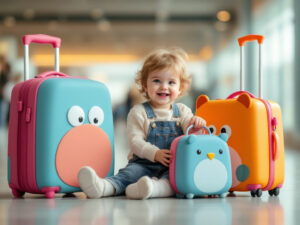
Families often label cubes with each person’s name, or assign a color per family member. This is especially helpful when organizing kids’ travel bags.
Assign a home for dirty clothes
Plan where dirty laundry will go before your trip starts. A lightweight laundry bag or one extra cube can collect worn items so they do not mix with clean clothes.
If space is tight, use one compression cube for clean clothes on the way there. On the return trip, transition it into the dirty laundry cube. This keeps your suitcase fresh and makes post-trip unpacking easier.
Tailor your system for families
Traveling with kids can be smoother when everyone knows where their things live. A few family focused habits go a long way.
Give each person a clear zone
If your family is sharing a carry-on, assign each person:
- A color-coded packing cube for clothes
- A small pouch for personal items or toys
- A shared cube or pouch for snacks
This setup makes it obvious where to put things back, and siblings can help maintain the system. Color coding is also useful when you are juggling multiple suitcases in transit.
Pre-pack kid kits for the flight
Create small “kid kits” that live in your carry-on or their personal item. Each kit might include:
- A small notebook or activity book
- Crayons or markers in a zip pouch
- A favorite small toy
- Kid-friendly headphones
- A few snacks
This keeps entertainment contained and easy to hand off so you are not rummaging for one missing crayon mid-flight. If you want more ideas, explore organizing kids’ travel bags for age specific suggestions.
Pack light with minimalist strategies
If you prefer to travel very light, or need to live out of one bag for a week or more, adopting minimalist packing organization strategies can help.
Choose a flexible travel wardrobe
Aim for pieces that mix and match into several outfits instead of single use items. Neutral colors, simple patterns, and similar color families make this easier.
A few guidelines:
- Tops and bottoms should pair in multiple combinations
- Layers should work for both day and night
- Accessories like scarves or jewelry can change the look of repeat outfits
Multi-purpose items are especially valuable. For example, a one-piece swimsuit that doubles as a tank top paired with shorts or pants reduces how much you need to bring.
Limit “just in case” items
Leaving intentional space in your bag makes it easier to close and gives you room for souvenirs or unexpected purchases. You are less likely to overpack if you:
- Decide on a firm number for tops, bottoms, and shoes
- Choose clothing that can be washed and re-worn
- Rely on local purchases for anything you truly forgot
If you want more structure, try templates in packing light and organized or how to pack efficiently for travel.
Add smart hacks for extra flexibility
Once you have the basics down, a few additional tricks can help you stretch your carry-on even further.
Use hidden spaces and clever containers
Some travelers place a small additional bag underneath clothes inside the main carry-on rucksack so it is technically still one bag but offers a bit more organization. Others use hollow items like coffee mugs or water bottles to store small belongings during travel.
You can also experiment with:
- Packing a thin, soft bag that you can unfold as a day bag
- Using a pillowcase to stuff clothing, which can double as a makeshift travel pillow
- Buying bulky items like toiletries at your destination or duty-free if regulations allow
These ideas work best when combined with a thoughtful base system, such as efficient packing techniques that organize your main items first.
Keep your tech organized and accessible
Tangled cords are frustrating, especially when you need to charge a device quickly. Tech organizers like CALPAK or BAGSMART keep charging cords, adapters, and headphones neatly stored, which U.S. News notes as a key tip for calm travel.
Stash your tech organizer where you can reach it easily, such as in your personal item, so you are not searching under clothes to find a charger mid-flight.
Put it all together into a repeatable system
The best part of organized carry-on packing is that once you develop a system, you can reuse it for every trip with only small tweaks.
A simple approach might look like this:
- Start with your list and decide on outfits
- Lay items out by category
- Fill your packing cubes, then place heavy items near the wheels
- Pack shoes with smaller items inside
- Arrange your toiletry bag and liquids for quick access at security
- Set up your in-flight essentials pouch and tech organizer
- Leave a little extra space for the trip home
Over time you can refine your personal style, whether you prioritize organized packing for business trips, packing organization for couples, or organized packing for vacation.
With a few intentional habits and the right tools, your carry-on can feel less like a jumbled box and more like a tiny, well-organized closet that travels wherever you do.
FAQs
What is the standard carry-on size in the U.S.?
Most major U.S. airlines commonly use 22 x 14 x 9 inches (including wheels/handles), but always verify your specific airline—rules vary by carrier and fare type.
Do packing cubes actually save space or just organize?
Both. Cubes mainly prevent suitcase chaos, and compression cubes can reduce bulk by squeezing out air—especially helpful for soft items like tees and kids’ clothes.
Can kids bring their own liquids through TSA?
Yes, kids follow the same general liquid limits in carry-ons: 3.4 oz (100 ml) per container in one quart bag per passenger. (Special exceptions can apply for medically necessary liquids.)
Where should I pack medications when traveling carry-on only?
Keep them in your carry-on (not checked bags), preferably in original labeled containers, plus a copy of prescriptions for smoother travel.
Is it better to roll or fold clothes in a carry-on?
Rolling is great for soft, casual items and helps fill gaps; folding can reduce wrinkles for structured pieces. The real upgrade is pairing either method with cubes so items stay separated and visible.
How do families avoid carry-on chaos mid-trip?
Give each person a cube + pouch, label/color-code them, and create a kid kit for the flight. When everything has a “home,” kids can help repack.