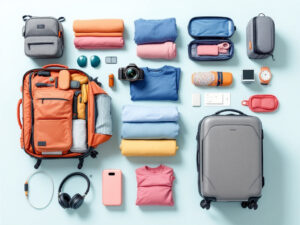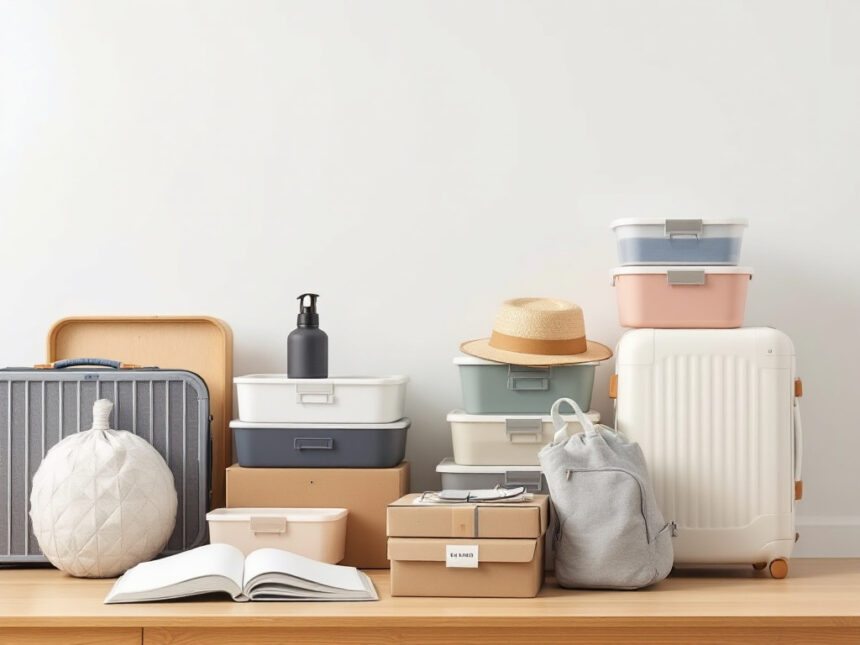
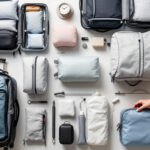
Packing containers for organization are one of those small travel upgrades that quietly transform your entire trip. Instead of digging through a jumble of clothes and cords at the airport or in your hotel room, you know exactly where everything lives and how to get to it in seconds.
When you treat your suitcase like a tiny, mobile storage unit, travel becomes less about hunting for stuff and more about actually enjoying where you are. The right system helps you breeze through security, unpack in minutes, and repack without stress on the way home.
Below, you will learn how to use packing containers for organization in a way that supports the way you actually travel, whether you fly every week, travel with kids, or aim to pack as light as possible.
Understand what “organized packing” really means
Before you buy another cube or pouch, it helps to define what organized packing looks like for you. Your goal is not to own more organizers. Your goal is to make each phase of the trip easier.
In practice, organized packing usually means three things:
- You can find any item in under 30 seconds without unpacking the entire bag.
- You can see whether you forgot something just by glancing at your containers.
- You can repack quickly without playing suitcase Tetris every time.
If you want a deeper framework for this, you can walk through a broader system with packing organization tips and then come back to customize it with containers.
How packing containers change each stage of a trip
Think about your trip in stages. Packing containers for organization should earn their keep at every step:
- Before you leave you can lay out containers by category or outfit so you know exactly what is missing.
- At the airport you can pull your liquids, electronics, or kid essentials out in one motion.
- In the hotel or rental you can slide cubes directly into drawers, or keep them in your bag like mini drawers.
- On the way home you can separate dirty from clean, and gifts or shopping from your original packing list.
If a container does not help in at least two of these stages, you probably do not need it.
Match containers to your travel style
Different travelers need different systems. The same set of cubes that works for a solo business traveler might frustrate a family of five.
If you are a frequent flyer
You probably care most about speed, predictability, and avoiding checked-bag chaos. Your packing containers should help you:
- Keep a permanent, semi-packed “travel kit” for toiletries and cables
- Move through security with minimal unpacking
- Unpack into hotel drawers and closets in seconds
You might use:
- One packing cube for tops, one for bottoms, one for underwear and sleepwear
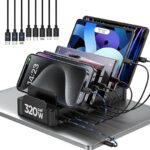
- A slim tech pouch for chargers, mouse, and adapters
- A clear, TSA friendly liquids bag so organizing toiletries for travel becomes automatic instead of a last minute scramble
- A flat, structured folder if you carry button downs or suits and want to compare packing cubes vs packing folders
Once your core setup is dialed in, you can combine it with your go to organized carry-on packing tips.
If you are traveling with kids
Families need fast access and clear categories. You are juggling snacks, wipes, spare outfits, and entertainment, often with one hand.
You might try:
- A separate pouch or cube per child labeled with their name
- Outfit based cubes, one cube per day, with clothes plus socks and underwear
- A “peace cube” for flights that holds crayons, activity books, headphones, and a small toy
- A snack kit pouch that lives in your personal item
You can go even further with organizing kids’ travel bags so your children know exactly where their things go too.
If you are a one bag or minimalist traveler
You care most about volume, weight, and speed. Every container needs to justify the space it takes.
Your setup might look like:
- Two to three lightweight cubes, one for clothes, one for underwear and swim, one for anything bulky
- One small flat pouch for essentials like passport, cards, and backup cash
- A single tech pouch that fits inside your backpack
- Soft, compressible organizers that support minimalist packing organization, instead of heavy, structured ones
Matching container style to your comfort level is what makes it realistic to pack smart and organized trip after trip.
Choose the right types of packing containers
“Packing containers” covers more than just cubes. Each type does a different job, just like storage containers at home.
Packing cubes and folders for clothes
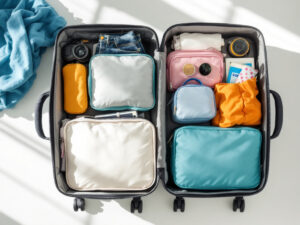
Packing cubes are the backbone of most travel systems. They corral clothes into clear sections so you are not rummaging through loose tops and socks.
You can use one cube per clothing category, or you can try organizing packing by outfit so you grab a single cube for each day. If you like tidy, folded stacks, packing folders can be a better fit, especially for work trips or dress shirts. If you are unsure, explore packing cubes vs packing folders to see which style matches your clothes.
Transparent or mesh top cubes work like clear bins at home. They give you quick visual confirmation at a glance, a trick that professional organizers also rely on when choosing clear bins and acrylic storage for households.
Pouches and small bags for categories
Small pouches are what keep little things from becoming a big mess. You can dedicate one to:
- Tech and chargers
- Health items and medications
- In flight comfort like sleep masks and lip balm
- Snacks for travel days
This is essentially “like with like” organization in miniature, which organizers like Crimsyn Hawk recommend for every storage space, from closets to suitcases. When everything in a container is related, your brain learns quickly where to reach.
Containers for toiletries and liquids
Toiletries deserve their own container strategy because they are both messy and essential. A hanging toiletry bag can function as a travel bathroom cabinet, especially if you are staying somewhere with limited counter space.
Clear, lidded sections mimic the logic of clear storage bins that are popular in home organization, because you can see your categories instantly. To keep this stress free every time, set up a permanent kit following organizing toiletries for travel so you are not rebuilding from scratch for each trip.
Shoe bags and structured shoe organizers
Shoes take up more space than you think and they can quickly dirty clean clothes. A simple shoe bag or dedicated shoe cube protects your wardrobe and makes packing highly repeatable.
If shoes are a recurring headache, you can build a repeatable habit around packing shoes organization tips so every pair has a consistent place.
Specialty containers for longer trips
For extended travel, it sometimes helps to borrow ideas from long term storage and shipping containers:
- Use compression cubes to mimic “smart stacking” by putting heavier, bulkier items on the bottom and lighter fabrics on top.
- Use one cube purely for bulky layers like sweaters and jackets so you can pull them out together when the weather changes.
- Consider a thin, hard sided case for very fragile items that you cannot risk crushing.
In storage and shipping contexts, sturdy plastic bins, clear containers, and bubble wrap or foam padding are used to protect items from bumps and shifting. The same logic applies when your suitcase is being tossed into overhead bins or car trunks. Using soft wrap around fragile souvenirs or electronics gives you extra peace of mind.
Build a simple container based packing system
Once you know what kinds of containers you like, you can turn them into a flexible system you can reuse for every trip.
Step 1: Start with a categorized packing list
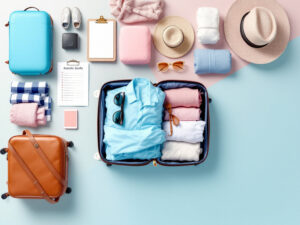
Instead of one long list of everything you own, rewrite your packing list into containers. For example:
- Cube 1: Tops and dresses
- Cube 2: Bottoms
- Cube 3: Underwear and sleepwear
- Pouch 1: Tech
- Pouch 2: Toiletries
- Pouch 3: Health and meds
- Shoe bag: All shoes and sandals
This immediately shows whether your planned setup is realistic, and it pairs naturally with an organize your packing list approach.
If you like checklists, see how this connects with a broader packing checklist for organized travel.
Step 2: Use “zones” inside your suitcase
Think of your suitcase or backpack as a small shipping container with clearly defined zones, similar to how industrial shelving or pegboards are used inside large containers to keep floor space clear.
You might assign:
- One side to clothing cubes only
- The other side to shoes and bulky items
- Outer pockets to documents and quick access items
- The top layer to your toiletry bag and tech pouch
This keeps your bag balanced and makes it easier to follow efficient packing techniques.
Step 3: Follow smart stacking rules
Professional organizers often use strategies like placing heavy items on the bottom, grouping similar sizes together, and avoiding overfilled containers so stacks stay stable. That same thinking works beautifully inside a suitcase.
You can adapt those rules like this:
- Place your heaviest cubes near the wheel side or bottom of the suitcase so the bag stands upright easily
- Put lighter or compressible cubes on top so they do not crush delicate items
- Use similar sized cubes so they stack neatly without wasted gaps
- Avoid overstuffing, just like overfilled bins at home are harder to see into and manage
Think of each cube as a “box” inside a larger storage unit. Smart stacking keeps everything visible and reachable.
Step 4: Label mentally or physically
You probably do not want to tape labels onto travel cubes, but you can still borrow the labeling principles that professionals use for home storage:
- Use simple, consistent names like “Tops,” “Bottoms,” “Sleep,” “Tech,” and “Health” so your brain remembers the system
- Keep the same categories trip after trip, instead of reinventing them
- If you share bags with a partner or kids, use color coding so each person’s containers are instantly recognizable
Organizers note that clear, consistent labeling at home cuts search time, stress, and confusion for everyone who shares a space. The same is true when you share a suitcase.
If you like having a more formal structure, you can connect this with packing category organization for your next big trip.
Use containers to speed up security and transit days
One of the biggest benefits of packing containers for organization is how much calmer airports and train stations feel.
Make liquids and electronics easy to grab
Security lines are far less stressful when you can reach everything in one move. For carry ons, try this layout:
- Put all liquids in a clear, TSA compliant bag and store it at the very top of your personal item
- Keep your laptop or tablet in its own sleeve in an outer pocket
- Place your tech pouch in the same pocket so cords and chargers do not tangle with devices
When you reach the front of the line, you pull out your laptop sleeve and liquids bag, instead of digging past clothes and shoes. If you want a full walkthrough of this approach, you can layer it into organized carry-on packing tips.
Create an “in transit” container
Transit days are smoother when everything you need is in a single place. You can repurpose a small cube or pouch as a transit kit that lives under the seat in front of you.
It might hold:
- Headphones and a phone charger
- Snacks and a refillable water bottle (empty until after security)
- A pen, sleep mask, and lip balm
- Tissues or wipes
If you travel with kids, consider a dedicated in transit cube for them too, with crayons, a notebook, a small toy, and child friendly snacks. It is the same concept that organizers use in garages and pantries: small clear containers within larger bins, so items are easy to pull out when you need them.
Make hotel rooms and rentals feel instantly organized
When you arrive at your destination, packing containers let you “move in” in just a few minutes without turning the room into a mess.
Turn cubes into drawers
Instead of unpacking every item, you can:
- Place your clothing cubes directly into drawers
- Put your underwear and sleepwear cube into the nightstand or on a closet shelf
- Hang your toiletry bag on a hook or towel bar in the bathroom
- Set your tech pouch near the main outlet where you will charge devices
This essentially recreates the idea of shelving and clear bins inside a larger container. In storage units and shipping containers, industrial shelving and hooks keep floors clear and essentials at eye level. In a hotel room, your cubes and pouches do that job.
If you want ideas specific to vacations, you can explore organized packing for vacation and pull the parts that fit your style.
Separate clean, dirty, and “worn once”
A simple way to stay sane mid trip is to dedicate one container to dirty items.
You can:
- Use a lightweight laundry bag or spare cube as a “dirty” container
- Place it in the bottom of your suitcase or a closet corner
- Keep one small cube as “worn once” if you plan to re wear items
This mirrors how professional organizers avoid mixing unrelated things in home storage. Clean and dirty clothes have different “jobs,” so separating them keeps everything clearer in your head too.
Adapt containers to different types of trips
You do not need a brand new system for every kind of travel. You can start with a core lineup of containers, then adjust slightly depending on where you are going.
Business trips
For work travel, you are usually juggling outfits that wrinkle easily, a laptop, and maybe presentation materials.
You might:
- Use a folder for dress shirts and blazers so they stay crisp
- Keep one compact cube for gym clothes or casual wear
- Store all work related items, like chargers, clickers, and adapters, in one tech pouch
- Pack an extra, flat pouch for receipts and travel documents
A repeatable structure makes organized packing for business trips much easier. You can leave your organizer partially packed at home so you only add clothes before each trip.
Family vacations
For family trips, containers serve two purposes. They keep the suitcase orderly, and they make it clear who owns what.
Try:
- One color of cube per family member
- A shared cube for swim gear and beach items
- One pouch for family health items, medicines, and sunscreen
- A car or plane friendly “family essentials” pouch with snacks, wipes, and small games
You can take inspiration from travel packing organization hacks and then tailor them for your specific household.
Festivals and special events
Festivals, weddings, and events have lots of small accessories and weather dependent items. A container based system can prevent last minute panic.
You might:
- Dedicate one cube or pouch as the “event kit,” with tickets, accessories, and weather gear
- Keep one small container for valuables so you can move them easily between outfits or bags
- Use a separate cube for bulky items like jackets or ponchos so you can grab them quickly if the weather turns
If you attend events regularly, you may find it useful to build a small system around packing organization for festivals.
Trips as a couple
When you share luggage, organization becomes even more important. Instead of mixing everything together, you can:
- Give each person their own color cubes and pouches
- Share one toiletry bag if products overlap, or keep a “his and hers” section
- Use one shared tech pouch, but keep individual earphones and personal devices in separate pouches
This kind of clarity helps with packing organization for couples so you are not asking “Have you seen my charger?” every hour.
Balance “packing light” with staying organized
A common worry is that containers will eat precious space. Used well, they actually help you pack lighter.
Containers as built in limits
One of the reasons professional organizers advise against overfilled storage bins is that you can no longer see what you own, and you tend to accumulate more. Suitcases are similar.
If you decide that:
- One medium cube is all you get for tops
- One small cube is for underwear and socks
- One shoe bag is for every pair you are bringing
Then those containers become your boundary. When they are full, you are done, which dovetails nicely with packing light and organized.
Use compression thoughtfully
Compression cubes can be wonderful, especially for bulky items like sweaters or jackets. They let you squeeze air out and gain space, just like smart stacking maximizes the capacity of storage containers in homes and shipping environments.
However, it helps to:
- Avoid compressing everything, or your bag becomes very dense and heavy
- Keep outfits that wrinkle easily in a regular cube or folder instead
- Place compression cubes near the bottom or wheel side for better balance
Combining compression with good layout is part of how to pack efficiently for travel and how to pack a backpack efficiently if you carry your bag on your back.
Use containers inside backpacks, duffels, and personal items
Packing containers for organization are not just for suitcases. They can make backpacks and duffels much easier to live out of, especially on trains, buses, and road trips.
Backpacks
In a backpack, smaller cubes and pouches are your best friend. You can:
- Use a narrow cube at the bottom for clothes
- Place a tech pouch in a front pocket for cables and devices
- Keep your transit kit in the top compartment where you can reach it
- Use side pockets for water and umbrellas
Treat your backpack like a tiny cabinet. A clear system here pairs nicely with a full packing system for organized trips.
Duffel bags
Duffels can easily turn into black holes. Containers give you structure inside a floppy bag.
You might:
- Use two or three medium cubes as “drawers” inside the duffel
- Place a shoe bag on one end and a toiletry bag on the other
- Keep a small pouch for valuables that you can pull out when you step away from your bag
If you want more inspiration, you can look at broader packing bags organization ideas and adjust based on the type of bag you use most often.
Keep improving your system over time
You do not need to get this perfect on your first try. In fact, the most reliable systems are built trip by trip.
Debrief after each trip
When you get home, take five minutes to ask:
- Which containers did you use constantly?
- Which ones stayed mostly empty?
- What felt hard to find?
- What do you wish had its own pouch or cube?
If you discover that one cube always gets messy, you might split that category in two next time. If a pouch stays unused, repurpose it.
Maintain a “ready to go” kit
Frequent flyers and families save the most time when they keep some containers partly packed at home. For example:
- A toiletry bag that always has travel sized products stocked
- A tech pouch that always holds spare chargers, cables, and a universal adapter
- A health pouch with bandages, pain relievers, and any prescriptions you carry when you travel
This way, you are only adding clothing and trip specific items when you pack. It is similar to how home organizers recommend assessing what you store before buying more bins, a strategy that prevents clutter and overspending.
If you like the idea of a permanent structure, you might enjoy exploring travel packing organization tools and packing accessories for organization that match the containers you already own.
Connect containers to your broader packing strategy
Containers work best when they support a thoughtful approach to what you bring.
You can think of it in layers:
- Your overall strategy like pack smart and organized or minimalist packing organization
- Your structure like packing cubes packing strategies and how you lay out your bag
- Your tools like the specific cubes, folders, and pouches, including the best packing cubes for organization
Across the travel world and in the broader storage and containers market, the trend is toward practical, cost efficient solutions that make everyday life easier, from shipping goods to organizing your garage and pantry. Travel is simply your mobile version of that same idea.
When you treat your suitcase like a well organized storage space, every part of your trip gets calmer. You spend less time searching and sorting, and more time enjoying where you are.
FAQs
What are the best packing containers for organization?
Start with 2–3 packing cubes, 1 tech pouch, 1 toiletry kit, and 1 laundry/dirty bag. Add shoe bags if shoes regularly mess up your bag.
Do packing cubes actually save space?
They usually save mental space (less rummaging) and can save physical space when you use compression cubes—especially for bulky layers.
How many packing cubes do I need for a carry-on?
Most carry-ons work well with 3 cubes (tops, bottoms, underwear/sleepwear) plus a tech pouch and liquids/toiletry bag.
How do I pack liquids without stress at the airport?
Keep liquids in a clear quart-sized bag, placed at the top of your personal item so you can remove it in one move. Follow the 3.4 oz / 100 ml rule.
What’s the easiest system for traveling with kids?
Use one cube per child (color-coded or labeled) and an “in-transit pouch” for snacks, wipes, and entertainment so you’re not digging mid-flight.
What’s the best approach for one-bag or minimalist travelers?
Use fewer, lighter containers: 2–3 ultralight cubes and 1 slim essentials pouch. Every container must justify its weight and space.
How do I keep my suitcase organized during the trip?
Use a dedicated dirty bag/cube, keep “worn once” separate if needed, and return items to the same container category each day.