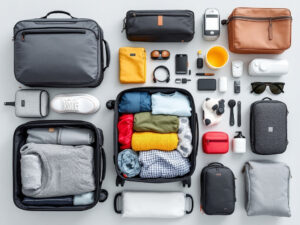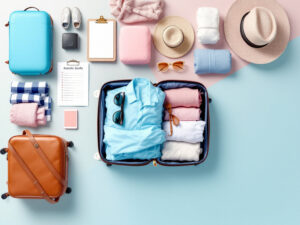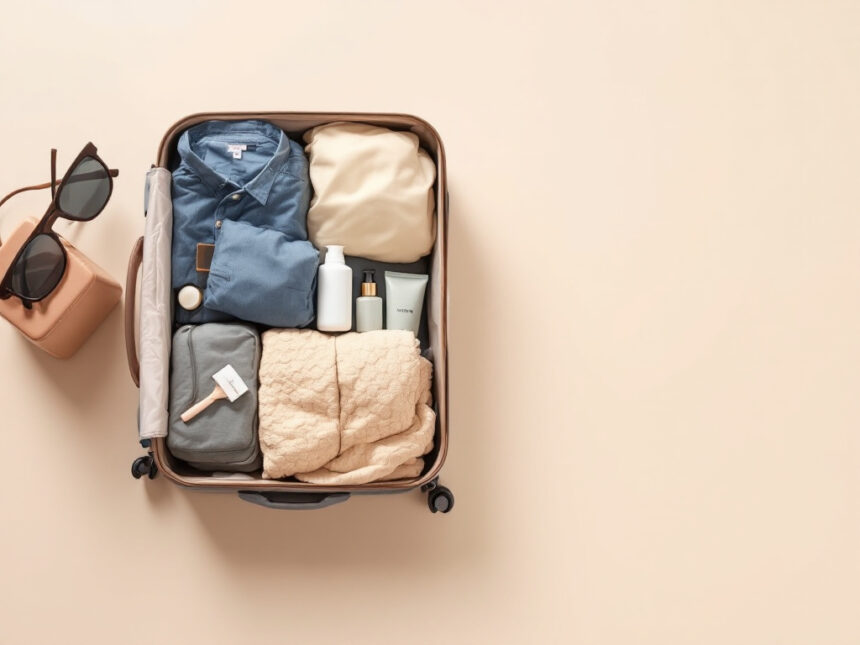
Packing light and organized is not about deprivation. It is about making every item work harder so you move through airports faster, unpack in minutes, and actually enjoy the trip instead of wrestling with your luggage.
This guide walks you through a complete system for packing light and organized, whether you are a frequent flyer, traveling with kids, or committed to one-bag minimalist travel. You will learn how to plan a smart packing list, use cubes and organizers effectively, and set up a suitcase layout you can repeat for every trip.
Understand what “packing light and organized” really means
Packing light and organized is less about fitting into the smallest possible bag and more about reducing friction at every step of your trip.
When you pack this way, you can find what you need without digging, carry your own bag comfortably, and glide through security and hotel check-in. It is a mix of intentional quantity, smart categories, and simple tools like packing cubes and pouches.
You are aiming for three goals at the same time:
- Less weight. Your bag is easy to lift into the overhead bin and comfortable to carry over cobblestones, train platforms, and airport terminals.
- Clear structure. Everything has a “home” so you waste less time searching.
- Fast setup and breakdown. You can unpack into drawers, repack, and move on without creating chaos.
If you want to go deeper on strategy before you start pulling clothes, explore packing organization tips and pack smart and organized for more high-level ideas.
Start with a minimalist packing mindset
Before you reach for your suitcase, decide how you want your luggage to feel. A minimalist approach sets that tone.
Adopt a “must have” filter
Instead of asking “Will I use this?” ask “Will this earn its place in my bag multiple times?” Minimalist travel experts recommend packing must-haves, not nice-to-haves, and limiting clothing to roughly one week’s worth, even for longer trips. Anything you truly need beyond that, you can usually wash or buy on the road.
A simple way to filter:
- Keep items that serve multiple situations, like a neutral sweater, a black dress, or quick-dry pants.
- Skip single-purpose pieces unless they are mission critical, like hiking boots for a trek or formalwear for an event.
- Avoid “just in case” extras if you have never actually used them on past trips.
This is the same philosophy behind minimalist packing organization. You are curating, not cramming.
Aim for the right size bag
Your luggage size quietly dictates your packing behavior. A modest carry-on or 35 to 40 liter backpack naturally helps you pack lighter, while a giant suitcase invites clutter.
Travelers who focus on lightweight, compact bags, such as a 35 to 40 liter backpack that fits standard cabin rules, find it easier to keep total pack weight under airline limits. With a one-bag setup, you are more mobile and you almost always avoid checked baggage fees.
If you prefer backpacks, learn how to pack a backpack efficiently so the structure of your bag supports your minimalist goals.
Build an organized packing list before you pack
An organized bag starts with an organized packing list. This is where you prevent overpacking and make sure you do not forget essentials.
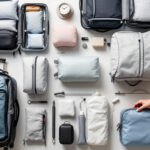
Categorize by function and rank by importance
Break your list into clear categories such as:
- Clothing
- Shoes
- Toiletries
- Tech and chargers
- Travel documents and money
- Health and first aid
- Kids’ essentials, if applicable
Within each category, rank items by importance and add a one-line reason for including them. This simple practice, highlighted in minimalist packing approaches, forces you to justify every object. If you cannot articulate why you need a third pair of jeans, it likely does not belong.
If you want a done-for-you structure, try using an organize your packing list template. You can adjust it based on season and trip length.
Limit quantities with clear rules
Capsule-style rules keep decisions simple. For example, for a week-long trip you might set limits like:
- 3 to 5 t-shirts or tops
- 2 pairs of pants or skirts
- 1 dress or jumpsuit if you like them
- 1 lightweight layer like a cardigan or fleece
- Underwear and socks for 5 to 7 days
Samantha Brown suggests picking a color palette so everything mixes and matches. Three tops and three bottoms in complementary colors can create up to nine outfits, and one little black dress adds flexibility for evenings. This approach lets you pack fewer pieces without feeling outfit-starved.
For longer trips, you can keep quantity about the same, then plan to do laundry rather than multiplying outfits.
Choose the right packing containers and tools
Your containers are what turn a pile of stuff into a system. Investing in a few smart organizers pays off every single trip.
Use packing cubes to structure your bag
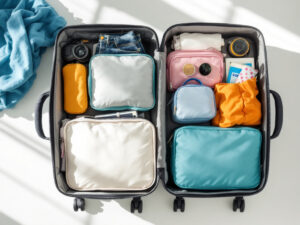
Packing cubes are the backbone of packing light and organized. They keep clothing compressed, separated by category, and easy to move from suitcase to drawer. Brands like Away design their cubes to fit their suitcases exactly, which reduces dead space and helps you stay neat.
Away’s Insider Packing Cubes come in four different sizes so you can pack by outfit, clothing type, or weight and use the built-in compression to minimize wrinkles. Their advice is to roll clothes before placing them in cubes to reduce creases and maximize space.
You can explore different layouts and packing cubes organization ideas to see what fits your travel style best.
Pick specialized organizers where they matter most
You do not need an organizer for everything, but a few well chosen pieces make a big difference.
- Toiletry bags. A hanging toiletry bag, like the MUJI Hanging Travel Case or Away’s Hanging Toiletry Bag, keeps bathroom items visible and off the sink. If cosmetics are important to you, a dedicated cosmetics bag reduces spills and makes morning routines faster. For more detail, see organizing toiletries for travel.
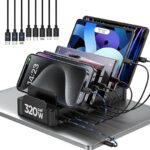
- Tech cases. A compact tech pouch keeps cords, chargers, and adapters in one place. Travelers often use cases similar to the Tom Bihn Q-Kit to avoid tangled cables at the bottom of their bag.
- Outdoor or active organizers. For hikes or camping, weather-resistant cubes like Away’s Active Organizational Cube protect gear from the elements and are sized to fit different backpacks.
You will find more ideas and reviews in travel packing organization tools and packing accessories for organization.
Decide between cubes, folders, and stuff sacks
Cubes are not the only option. Some items behave better in different containers.
- Packing cubes. Best for rolled or folded clothing, kids’ outfits, and everyday wear.
- Packing folders. Helpful if you carry several dress shirts or blouses that need to arrive crisp.
- Stuff sacks or compression sacks. Useful for bulky but squashable items like puffer jackets or spare bedding.
If you are choosing between them, see packing cubes vs packing folders for a detailed comparison.
Create a simple but powerful packing system
Once you have containers, you can design a repeatable system so your luggage is organized in the same way every trip.
Assign every category a “home” in your bag
Think about your suitcase or backpack in zones:
- Bottom or back panel for heavy items
- Middle for clothing
- Top and outer pockets for high-frequency items
Then assign each organizer a specific spot. For example:
- Shoes at the bottom near the wheels
- Main clothing cubes in the center
- Toiletry bag and tech pouch on top for quick removal at security
- A thin cube or pouch in the lid for underwear and sleepwear
This is the foundation of a packing system for organized trips. When everything returns to the same “home,” you stop losing items and repacking becomes mechanical rather than stressful.
Use outfit-based cubes for families and busy itineraries
Packing by outfit instead of by category can be a game changer, especially with kids.
You might:
- Place each child’s complete outfit for a day in its own cube or zip bag
- Create “day one” and “flight home” cubes for everyone
- Build separate cubes for gym outfits or beach days
Away’s Insider Packing Cubes, which come in different sizes, work well for this style. You can dedicate one cube per kid per day or per activity. For more inspiration, explore organizing packing by outfit and organizing kids’ travel bags.
This system makes mornings smoother. You hand your child a cube and they have everything they need to get dressed.
Pack a “go bag” for essentials
In your personal item or under-seat bag, create a small “go bag” that you can grab whenever you leave your seat or your hotel room. It might hold:
- Passport, wallet, and boarding pass
- Phone and charging cable
- Lip balm and hand sanitizer
- Noise-canceling headphones or earplugs
- One pen and a small notepad
Keep it in an easy-to-reach outer pocket so you do not have to open the main compartment of your bag.
Master clothing strategies that keep weight down
Clothes take up most of your luggage space, so smart clothing choices are central to packing light and organized.
Build a mix-and-match capsule wardrobe
Start with a tight color palette, just like Samantha Brown recommends. Neutrals like black, navy, gray, and beige form a base. Then add one or two accent colors that work with everything: maybe a blue shirt that goes with black pants and a tan sweater, or a scarf that ties two outfits together.
Focus on pieces that are:
- Lightweight and quick drying
- Comfortable for long days of walking or travel
- Easy to wash in a sink or hotel basin if needed
For long-term trips, travel bloggers with years of experience suggest packing versatile, layerable pieces and limiting footwear, then washing clothes weekly instead of packing more.
You can browse packing organization for couples and packing organization for festivals to see capsule examples tailored to specific types of trips.
Use rolling and folding where each works best
Combining techniques usually yields the best results.
- Roll t-shirts, jeans, leggings, and casual knits. Rolling reduces wrinkles, especially when clothes are rolled tightly and placed in cubes with compression like Away’s Insider Packing Cubes.
- Fold structured pieces like blazers, button-down shirts, and dress pants using the envelope or Marie Kondo method so they can stand upright. This keeps shirts visible and makes it easier to grab one without disturbing the rest.
You will find step-by-step visual guidance in efficient packing techniques and how to pack efficiently for travel.
Treat shoes as a hard limit
Shoes are heavy, bulky, and among the easiest items to overpack. Samantha Brown suggests no more than three pairs for a week-long trip, including the pair you wear on the plane.
A typical setup:
- 1 pair of comfortable walking shoes or sneakers for daytime
- 1 pair of flats, sandals, or loafers for evenings
- 1 pair of season-specific shoes, such as boots for winter or athletic shoes for hiking
Pack the extras in cloth or shoe bags to protect clothing, and tuck small items like socks or belts inside them to use all available space. For more details, check packing shoes organization tips.
Keep toiletries compact and spill free
Toiletries can quietly take over your bag if you are not careful. A little editing goes a long way.
Shrink your kit with solids and travel sizes
Replace as many liquids as you can with solid alternatives. Shampoo bars and soap bars are lighter, last longer, and eliminate the risk of leaks. They are also convenient for carry-on only travel since they are not subject to liquid limits.
For anything that must be liquid, decant into small bottles and only bring amounts you will actually use. Think in days, not in full containers. If you are gone for four nights, you probably do not need a full-size bottle of anything.
Minimalist travelers often carry a compact hanging kit like the MUJI Hanging Travel Case that fits neatly into a backpack’s top pocket. You can mirror this setup with any slim hanging bag that opens flat.
For specific product categories and layout ideas, read organizing toiletries for travel.
Separate daily essentials from backups
Divide toiletries into two small groups:
- Daily essentials such as toothbrush, toothpaste, contacts, face wash, and one multipurpose moisturizer
- Secondary items like special masks, hair styling products, or backup sunscreen
The first group lives in an easy-access toiletry bag. The second can stay tucked deeper in your suitcase or in a secondary pouch. This way you can still travel ultralight for a quick overnight by pulling only the essentials.
Design an efficient carry-on layout
If you are committed to traveling carry-on only, you need a layout that keeps you fast at security and comfortable during the flight.
Use every pocket with intention
Think of your carry-on and personal item as one integrated system.
- Put less-needed clothing at the bottom of the suitcase.
- Use slim packing cubes along the spine or near the handle tubes to fill awkward gaps, just as Samantha Brown suggests.
- Place items you must take out at security, like laptops and large liquids, on top or in external pockets.
Then use your personal item for valuables, delicate items, and anything you want during the flight. A small backpack or tote that fits under the seat, similar in size to a 19 liter daypack, works very well. Travelers who use this setup often put frequent-use items in outer pockets and less-needed ones in the main compartment.
For layout diagrams and more strategies, see organized carry-on packing tips and packing bags organization ideas.
Keep security checks simple
To move through security quickly:
- Group all liquids in a clear zip bag at the top of your suitcase or personal item.
- Keep laptops and tablets in a sleeve that slides directly out of your bag.
- Avoid excessive metal accessories in your travel outfit, like heavy belts or jewelry.
The more intentional your layout is, the fewer last-minute scrambles you have in the security line.
Tweak your system for one-bag and ultralight travel
If you want to travel with a single backpack or very small suitcase, a few extra adjustments help you stay both light and organized.
Pack for one week, even on long trips
Long-term travel bloggers recommend carrying at most one week of clothing regardless of trip length. Doing laundry once a week is easier than dealing with an overstuffed bag every single day.
To make this work:
- Choose quick drying fabrics like synthetics or merino wool.
- Carry a small packet of laundry soap or plan to use hotel laundry services.
- Stick to fabrics and colors that do not show minor stains easily.
This approach pairs well with minimalist packing organization, where the focus is on repeatable outfits and multi-use pieces.
Simplify everyday carry and tech
Ultralight travelers often streamline their daily carry items to reduce weight and clutter.
Typical essentials include:
- A slim wallet or card holder
- A phone in a minimal protective case
- A compact keychain light
- A simple multi-tool that complies with security rules
- Just the cables and chargers they truly need
Storing these in a small pouch or tech case, similar to the Tom Bihn Q-Kit, prevents cables from getting lost and keeps everything in one grab-and-go spot.
Make family and kid travel less chaotic
Packing with kids does not have to mean hauling an extra suitcase. The same principles of packing light and organized work for families, with a few tweaks.
Give each child a defined space
Whether you use a shared suitcase or separate bags, assign each child:
- One primary packing cube for clothes
- One small cube or pouch for underwear and pajamas
- One zip pouch for entertainment and snacks
Label cubes by name or color so kids can find their things without dumping everything out. For bag setups that work particularly well with children, see organizing kids’ travel bags.
Prepare small “kits” for sanity savers
Create mini kits for:
- Snacks, gum, and reusable water bottles
- Quiet entertainment like coloring supplies, small toys, or card games
- A basic health kit with child-friendly medications you know how to use
Store these in easy-to-clean zipper pouches. Keep them in your personal item or the top of your suitcase so you can reach them quickly when energy dips.
You can borrow ideas from travel packing organization hacks to build kid-friendly versions of these kits.
Adapt your system for business, festivals, and vacations
Different trips call for small adjustments, but the core system stays the same.
Business trips
For work travel, you still want to be light and organized, but your priorities shift to polished outfits and fast transitions.
- Use a packing folder for dress shirts or blouses so they stay crisp.
- Create a small “meeting kit” with business cards, chargers, and presentation accessories in one pouch.
- Keep one neutral blazer or jacket that works with all your outfits.
See organized packing for business trips for sample packing lists and layouts.
Festivals and casual vacations
For festivals, beach trips, or casual sightseeing:
- Lean into quick drying casual wear.
- Use one cube for “daytime adventure” clothes and another for “evening” outfits.
- Pack a dedicated “wet bag” or small compression sack for dirty or damp clothing.
You can find specific suggestions in packing organization for festivals and organized packing for vacation.
Use cubes and organizers to speed up unpacking
One of the best parts of packing light and organized is how quickly you can settle in once you arrive.
Move cubes directly into drawers
Packing cubes act like removable drawers. When you reach your hotel or rental:
- Open your suitcase.
- Place clothing cubes directly into drawers.
- Hang any wrinkle-prone pieces.
Samantha Brown notes that cubes help you keep clothes off potentially dusty drawers and let you see everything at once. You can do the same with shoe bags, tech pouches, and toiletry kits by placing them in closets, desks, or bathroom counters.
Separate clean and dirty as you go
To avoid end-of-trip chaos, carry one lightweight laundry bag or compression sack. As you wear items, place them directly in the laundry bag rather than back into cubes with clean clothes.
You can also:
- Use one cube for “clean” and another for “worn but rewearable” items.
- Compress bulkier items you will not need again, like a sweater used only once, to save space for souvenirs.
This habit keeps your suitcase feeling as organized on day ten as it did on day one.
Put everything together: a quick-start checklist
Before your next trip, walk yourself through a simple process for packing light and organized. This ties together the systems and tools from this guide and the resources like packing checklist for organized travel.
- Pick your luggage. Choose a carry-on sized bag or 35 to 40 liter backpack.
- Set your limits. Decide on clothing counts, shoe limit, and toiletry sizes.
- Draft your list. Categorize and rank items by importance using an organize your packing list template.
- Lay everything out. Put potential items on your bed and remove at least 20 percent before packing.
- Pack by category or outfit. Use cubes and pouches, following packing cubes packing strategies.
- Assign zones in your bag. Heavy items at the bottom, clothing cubes in the middle, quick access items on top.
- Prepare a personal “go bag.” Include travel documents, wallet, phone, chargers, and a few comfort items.
- Leave some empty space. Aim for a bit of room so packing up mid-trip is not a struggle.
If you want to refine your approach over time, explore more detailed guides like packing category organization, travel packing organization hacks, and how to pack efficiently for travel.
Try applying this system on your very next trip, even if it is just an overnight. Once you feel how much smoother packing light and organized can make travel, you will never want to go back to hauling heavy, cluttered luggage again.
FAQs
What does “packing light and organized” actually mean?
It means less weight, clear categories, and a repeatable layout so you can find items instantly and repack in minutes.
How big should a one-bag travel backpack be?
Many carry-on travelers aim around 35–45L, but airline limits vary—check your carrier’s size and weight rules.
Do packing cubes really save space or just “organize”?
They do both: they separate categories and many styles compress clothing, reducing bulk and speeding unpacking.
What’s the simplest packing list rule to stop overpacking?
Pack for one week, even on longer trips—then plan laundry. This keeps your bag stable instead of growing.
How do I get through airport security faster with a carry-on?
Keep liquids in a single top-access pouch and tech in a sleeve you can pull out quickly; follow the TSA liquids rule (where applicable).
How can I pack with kids without bringing extra suitcases?
Use outfit-based cubes and small “kits” (snacks, entertainment, meds). Kids get a defined space, and mornings run smoother.
How do I keep clean and dirty clothes separated mid-trip?
Bring one lightweight laundry bag or dedicate a cube for “worn but rewearable” items and another for “dirty.”
What are the top 3 things travelers overpack?
Shoes, “backup” toiletries, and single-purpose clothing. Set hard limits for each before you pack.