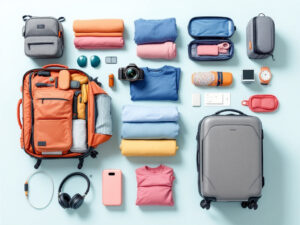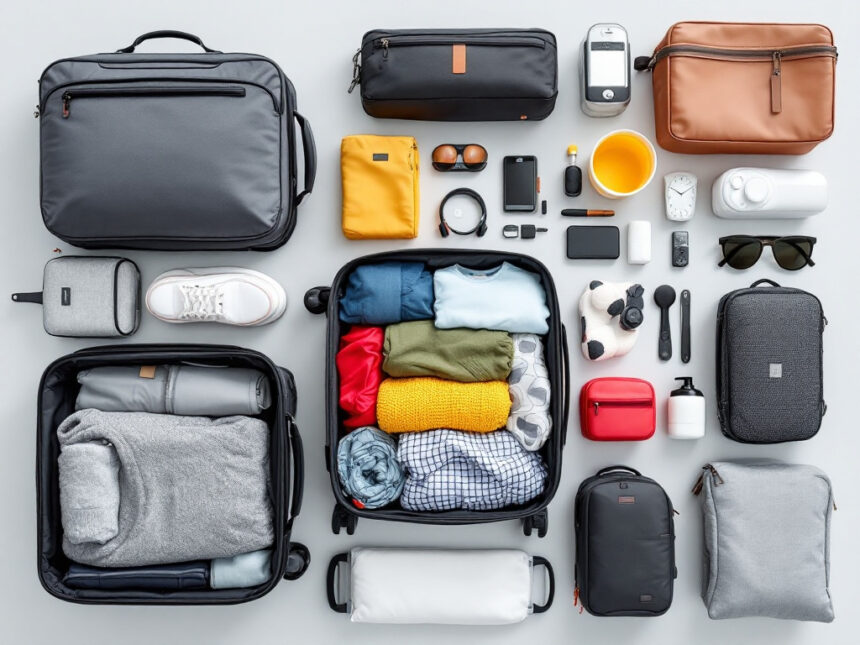
A neatly packed bag saves you time, stress, and even money on trips. With a few simple packing bags organization ideas, you can glide through security, find what you need in seconds, and settle into your hotel room without exploding your suitcase across the bed.
The ideas below work whether you are a frequent flyer, traveling with kids, or trying to live the one‑bag life. You will use tools like packing cubes, tech pouches, and a smart layout so your bag feels more like a tidy dresser than a black hole.
Start with a clear packing system
Before you touch a suitcase, decide on a system. Good packing organization is less about products and more about habits you can repeat for every trip.
Choose your organizing style
There are three main ways to organize your packing bags. You can mix and match, but pick one as your default.
- By category. Tops in one cube, bottoms in another, underwear in a third. This works beautifully with packing category organization strategies and makes getting dressed easy.
- By outfit. Each cube holds a full outfit, from underwear to top and bottom. This works especially well for families and organizing kids’ travel bags so older kids can grab a cube and dress themselves.
- By activity. One cube for sightseeing, one for work clothes, one for gym or swim. This is helpful if you are combining business and vacation or packing for a festival or tour.
Once you choose a style, keep it consistent within the same trip so you always know where things live.
Create a simple packing inventory
Take a page from long trip veterans and keep a small packing inventory. It does not need to be fancy. A note on your phone that says:
“Blue sweater in large cube, adapters in tech pouch, scarf in backpack front pocket”
is enough to save you from digging at the bottom of your bag at midnight.
For complex itineraries, a short list of what is in each cube or bag can be a lifesaver. It mirrors the idea of an organized travel drawer, only portable, and supports any packing system for organized trips you use.
Use packing cubes as mini drawers
Packing cubes are the foundation of most smart packing bags organization ideas. Think of them as portable drawers that keep your clothes compressed and sorted instead of drifting around your suitcase.
Set up categories inside your cubes
Professional organizers and frequent travelers often suggest grouping clothes before they ever touch a cube. Marie Kondo, known for her simple tidying philosophy, recommends laying everything out on your bed and sorting into piles by type such as tops, bottoms, underwear, shoes, and accessories before packing. That way you avoid duplicates and pack more intentionally.
You can apply that to your packing cubes like this:
- One small cube for underwear and socks
- One medium cube for tops
- One medium or large cube for bottoms
- One slim cube for pajamas and loungewear
- One flat cube for swimwear or workout clothes
This setup works for both short and long trips and is easy to tweak with the packing cubes organization ideas that fit your style.
Separate clean and dirty clothes effortlessly
One of the simplest but most effective tricks is to dedicate one cube to dirty laundry. You can:
- Start with an empty cube, then fill it as you go
- Or pack clean underwear in that cube, then shift items into a laundry bag inside the cube as you wear them
If you are traveling with kids, having a “dirty clothes cube” per child keeps grimy items contained and out of the shared suitcase. It also makes laundry day at a rental or hotel far easier.
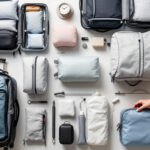
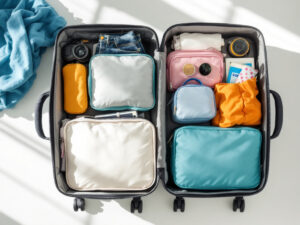
Stack your cubes for maximum space
How you place cubes in your suitcase matters almost as much as what is inside them. Travel experts recommend:
- Starting with the largest cube laid flat at the bottom
- Fitting medium cubes around it, on their sides if needed
- Keeping zippers facing up for quick access
- Tucking slim cubes down the side or across the top as a “lid”
This method uses every corner of your bag and prevents that loose, sagging suitcase feeling. It also pairs nicely with efficient packing techniques like rolling clothes inside the cubes for fewer wrinkles.
Try compression packing cubes for extra space
If you want to pack a week of outfits in a carry‑on, compression packing cubes are your friend. They work just like regular cubes, but with an extra zipper or buckle that squeezes air out so your clothes take up less space.
Know when compression cubes make sense
Compression cubes shine when you are packing:
- Bulky items like jeans, sweaters, or hoodies
- Many similar items, such as t‑shirts or kids’ outfits
- Cold‑weather gear you will not access every day
Travel + Leisure notes that compression cubes use zippers or buckles to cinch clothing and noticeably reduce the volume in your suitcase. For example, the BAGSMART Blast Compression Travel Packing Cubes, tested over three months, condensed contents significantly and helped pack more clothing into both suitcases and duffels.
That said, not everything compresses well. Delicate fabrics, dresses that wrinkle easily, and structured pieces often do better in regular cubes or folders.
Pair compression cubes with standard cubes
You do not have to choose one or the other. Many travelers find that combining both gives the best of compression and organization:
- Use compression cubes for bulky layers and casual wear
- Use regular cubes for nicer outfits, shirts, and dresses
- Reserve one cube just for dirty laundry as the trip goes on
Travel + Leisure specifically recommends this mix because some items simply do not compress effectively or may wrinkle too much if squished. A balanced setup keeps your bag neat without turning it into a brick.
Organize your carry‑on for stress‑free security
If you fly often, your carry‑on bag is where good packing organization really pays off. With the right layout, you can breeze through security and find what you need during the flight without opening your entire suitcase in the aisle.
Place heavier items near the wheels
Professional organizer Shantae Duckworth suggests placing heavy items like shoes and chargers near the wheels of a rolling carry‑on. This keeps the bag balanced and less likely to tip over when upright. It also means you are not lifting as much weight from shoulder height when placing the bag in the overhead bin.
If you prefer backpacks, use similar logic. Put the heaviest cubes and gadgets closest to your back. This lines up with best practices in how to pack a backpack efficiently, where close‑to‑body weight helps you carry the load more comfortably.
Keep essentials easy to reach
To avoid last‑minute digging during boarding or in the middle of a flight, pre‑pack your in‑flight kit. Duckworth recommends putting items like:
- Headphones
- Lip balm or lotion
- Snacks
- Book or e‑reader
- Pens and a small notebook
in your personal item or an easily accessible external pocket. Another option is to place them in a clear zipper bag right on top inside your suitcase so you can pull it out in one move.
This idea fits into broader organized carry‑on packing tips and keeps you from unzipping every compartment just to find a granola bar.
Use pouches for categories inside your carry‑on
Think of your carry‑on as a small dresser. Instead of tossing loose items inside, use:
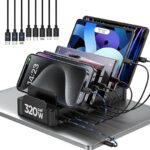
- A tech pouch for cords, chargers, batteries, and adapters
- A small clear bag for toiletries that follows TSA liquid rules
- A flat pouch for travel documents and a pen
Travel + Leisure highlights the value of a dedicated tech organizing pouch with multiple sleeves for first aid items, over‑the‑counter medications, charging cords, and adapters. This setup keeps small essentials secure and easy to find so you are not borrowing cables or pain relievers mid‑trip.
Build a kid‑friendly packing system
Traveling with kids can turn any suitcase into a whirlwind. A few thoughtful packing bags organization ideas will help you stay in control and give children some independence too.
Use outfit‑based cubes for each child
Instead of having one huge shared suitcase, assign each child:
- One packing cube per day of the trip
- Or one cube per type of clothing, clearly labeled
You might have a “Day 1” cube with shirt, pants, underwear, and socks together. Kids can grab their own cubes in the morning without rummaging through everyone else’s clothes.
This method ties in with organizing packing by outfit and makes mornings smoother in hotel rooms or vacation rentals.
Create snack and toy kits
For flights or long drives, prepack one small bag or cube per child with:
- Snacks for the day
- A refillable water bottle (empty before security)
- One or two small toys or activity books
- Headphones if they use a tablet
Keeping each child’s entertainment in a dedicated pouch reduces fighting and “whose snack is this” moments. You can keep these pouches in your personal item for quick access and rotate contents on longer roads trips.
Designate a family “laundry cube”
Instead of multiple loose plastic bags, use a larger cube or lightweight bag for dirty clothes. When you arrive at each new location, everyone adds their worn items to the shared laundry cube.
It is simple, but it keeps smells and mess away from clean clothes and makes repacking a lot easier.
Optimize for one‑bag or minimalist travel
If you are aiming to travel with only a backpack or a single small suitcase, you need an especially disciplined approach. Here is how to stay light without feeling deprived.
Start with a strict packing list
Minimalist travelers swear by a written list. Before you begin, organize your packing list by category, then commit to packing only what is on it.
Ask yourself:
- How many days of outfits can I realistically rewear or wash?
- Which shoes work with most outfits?
- Where might I be tempted to pack duplicates?
Shantae Duckworth suggests avoiding “just in case” items. Limit duplicate skincare or makeup, and skip clothing that only works in one very specific scenario. Leaving intentional empty space in your bag makes closing it easier and gives you room for souvenirs.
You can find more ideas in minimalist packing organization if you want to refine this over several trips.
Use compression wisely
For one‑bag travel, compression cubes can help you shrink bulky layers, but do not overdo it. A fully compressed bag can be heavy and hard to manage.
Travel + Leisure tested several compression options, such as:
- Osprey Straightjacket Compression Sack, which uses two buckles and straps instead of zippers for strong compression, but is less organized because it functions like a sack.
- Gonex Compression Packing Cubes, a budget‑friendly four‑pack that compresses decently but may bulge and strain lighter zippers over time.
- Thule Compression Cubes, made of ripstop nylon with YKK zippers, which earned high marks for durability and a good balance between compression and organization.
Pair a couple of compression cubes for bulk with standard cubes or folders for items that need to hold their shape. The goal is to be packing light and organized, not just packing small.
Choose smart personal items
Your “personal item” bag does a lot of heavy lifting when you are traveling light. Travelers have had success with bags such as:
- A structured backpack with multiple compartments, which becomes familiar over time and speeds up security checks
- A compact crossbody or sling bag that carries your in‑flight essentials and doubles as a day bag
For example, the Peak Design 7L Outdoor Sling has been praised as a versatile flight bag that can hold a scarf, small tablet, e‑reader, headphones, wallet, and medications, and can even convert into a camera bag on arrival. Whatever brand you choose, look for multiple pockets and a layout you can memorize, not just style.
Make room for shoes without losing space
Shoes can dominate your luggage if you are not careful. Smart placement and a few tricks can reclaim that space and keep your clothes clean.
Limit the number and type of shoes
A simple guideline: travel in your bulkiest pair and pack one or two lighter pairs.
Think in terms of roles:
- One walking or everyday pair
- One slightly dressier pair, if needed
- Optional: one sport or beach shoe
Before tossing them into your suitcase, review packing shoes organization tips and make sure every pair earns its space by working with multiple outfits.
Pack inside your shoes
Shantae Duckworth points out that many travelers waste space by leaving their shoes empty. Instead, tuck into each shoe:
- Socks
- Belts
- Small accessories like jewelry pouches or hair ties in a zip bag
This uses every inch and helps shoes hold their shape. Slip each pair into a shoe bag or plastic bag to protect your clothes, then place them near the wheels of a suitcase for stability.
Keep toiletries tidy and leak‑resistant
Even a perfectly organized suitcase can feel chaotic if your toiletries are a mess. A simple, well thought out kit will save you from leaks and frantic bathroom searches.
Use clear pouches and decant wisely
Instead of packing full‑size bottles, decant liquids into travel containers and stick to one small kit of essentials. Clear zip pouches or TSA‑approved quart bags make security checks faster.
It can help to group items as you would for organizing toiletries for travel:
- Everyday face and body care
- Hair essentials
- Makeup, if you use it
- Medications and a few first aid basics
A second small pouch for non‑liquid items like toothbrush, floss, and razor keeps your main liquid bag simple.
Separate “sink items” from everything else
If you know you will be washing quick items in the sink, for example socks or underwear, store a small packet of laundry detergent or soap separately. That way you are not mixing it with your toothbrush or face products.
Keeping this mini laundry kit near your dirty clothes cube makes hand washing on the road less of a chore.
Create a repeatable packing routine
The best packing bags organization ideas are the ones you can repeat without thinking. Turn your favorite tricks into a simple pre‑trip routine.
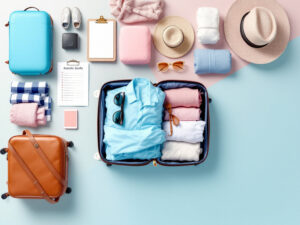
Follow a quick pre‑trip checklist
Before each trip, walk through a short list like:
- Check trip length and weather.
- Choose packing style by category, outfit, or activity.
- Lay everything out by category on the bed.
- Edit once, removing duplicates and “just in case” items.
- Load items into cubes and pouches.
- Place heavy items near the wheels or your back.
- Pack in‑flight essentials in a personal item or easy‑access pocket.
You can adapt this checklist to align with your favorite packing organization tips and save it on your phone so you never start from scratch.
Keep your tools together between trips
After you unpack at home, keep all your travel organizers in one spot:
- Packing cubes nested inside each other
- Tech pouch empty and ready
- Toiletry bottles washed and dried
This small habit makes it easier to pack smart and organized the next time because you are starting with a clean setup instead of hunting for scattered bags.
Sample packing layout for different travelers
To see how all of this fits together, here is a simple example layout for three types of travelers. Treat it as a template you can adjust.
| Traveler type | Main bag layout | Helpful extras |
|---|---|---|
| Frequent flyer with carry‑on | Large cube for bottoms, medium cube for tops, small cube for underwear, shoe bags near wheels, tech pouch in front pocket | Clear toiletry bag, slim cube for work clothes, in‑flight pouch on top |
| Family with kids | One medium cube per child with outfits, shared cube for pajamas, shared laundry cube, snack and toy pouches in parent’s bag | Color‑coded cubes, labeled zip bags for diapers or wipes, small first‑aid pouch |
| One‑bag minimalist | One compression cube for bulky layers, one standard cube for daily outfits, slim cube for underwear and socks, shoes worn on feet plus one packed pair | Compact crossbody day bag, combined tech and first‑aid pouch, small laundry soap kit |
You can also explore organized packing for vacation, travel packing organization hacks, and how to pack efficiently for travel for more layouts and ideas that match your style.
Putting it all together
When you treat your suitcase like a tiny, well‑organized closet rather than a storage bin, everything about travel gets easier. You pack faster, security feels smoother, and unpacking at your destination becomes as simple as sliding cubes into drawers.
On your next trip, try just one or two of these packing bags organization ideas. For example, start with category‑based cubes and a clear in‑flight pouch. Once you see how much calmer it feels to travel with an orderly bag, you can gradually build your own personalized system for every adventure.
FAQs
What are the best packing bags for organization?
Packing cubes (standard + compression), a tech pouch, a clear liquids bag, and a laundry bag cover 90% of travel organization. Mix cubes for clothes and pouches for small items.
How do I organize a suitcase so I can find things fast?
Use a repeatable layout: clothes in cubes stacked like drawers, toiletries in one clear pouch, tech in one pouch, and an “in-flight” kit on top. Consistency beats perfection.
Are compression packing cubes worth it?
Yes—especially for bulky items like sweaters and jeans. Use them for volume reduction, but pair with standard cubes for items that wrinkle easily.
How do I pack a carry-on for airport security?
Keep liquids in a clear, compliant bag and place it near the top. TSA’s liquids limits are 3.4 oz/100 ml per container in one quart-size bag (standard rules vary by program/airport).
What’s the easiest way to manage dirty laundry while traveling?
Bring one dedicated “dirty cube” or a lightweight laundry bag. Start empty and fill it daily, so clean clothes stay clean and your suitcase stays organized.
How do I organize kids’ travel bags without chaos?
Use outfit-based cubes (one per day) or labeled category cubes per child. Add one snack/toy pouch per kid so essentials don’t spill into the main suitcase.
What’s the best one-bag packing setup?
One compression cube for bulky layers, one standard cube for outfits, a slim cube for underwear/socks, and one combined tech+first aid pouch. Keep your personal-item pouch as your flight “command kit.”