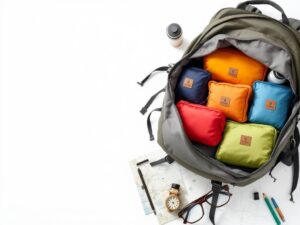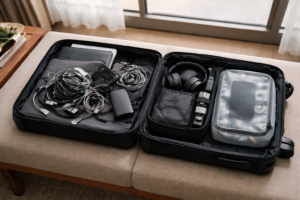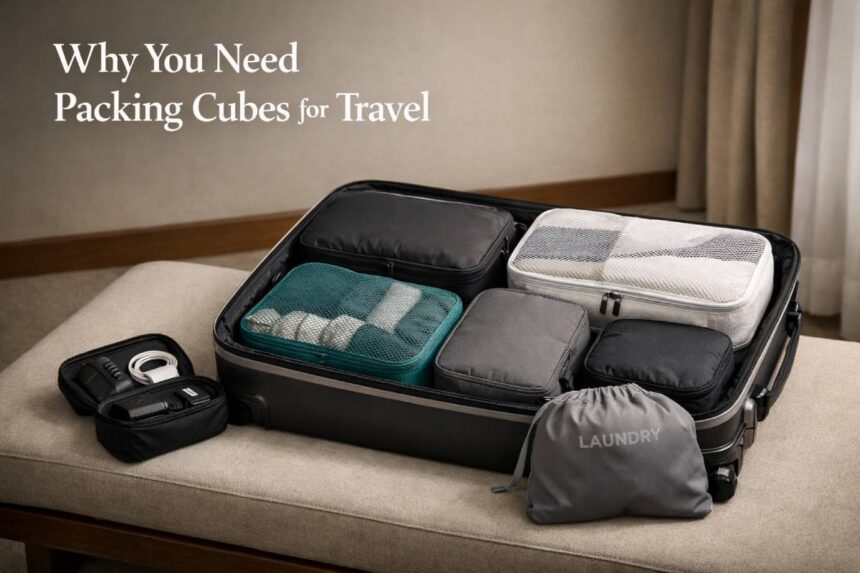
A suitcase that stays organized from home to hotel and back again is not an accident. It is usually the result of using smart tools, and packing cubes for travel are one of the simplest upgrades you can make. Once you try them, it is hard to go back to digging through loose piles of clothes at the bottom of your bag.
Below, you will see how packing cubes work, why they save you time and stress, and which types make sense for your style of travel.
What packing cubes are and how they work
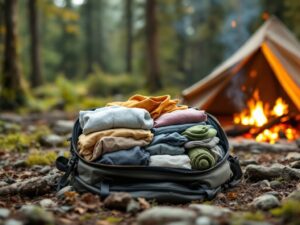
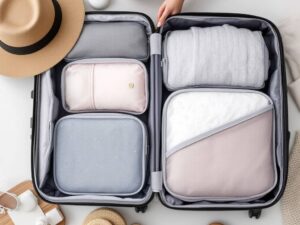
Packing cubes are rectangular fabric pouches that fit inside your suitcase or backpack like Tetris pieces. You fill each cube with a category of items, then zip it closed and place it in your bag. Instead of managing a single chaotic space, you are working with tidy modules.
Travel writer Shannon O’Donnell describes them as durable, lightweight containers that group similar items, improve space efficiency, protect gear, and keep everything easy to access. Most travelers find that four to eight cubes are enough for one person.
In practical terms, this means you can pull out one cube of shirts without disturbing your pants, shoes or toiletries. At your destination, you can either slide the cubes straight into drawers or live out of them. You spend less time unpacking and repacking, and more time doing what you came to do.
If you are starting from scratch, a coordinated travel packing cubes set gives you a variety of sizes that stack neatly and cover most needs.
Why do you need packing cubes for travel
You can travel without packing cubes, but you will give up several advantages that make trips smoother and more efficient. Across business trips, family vacations and long-term backpacking, the same themes come up.
You instantly reduce packing stress
Packing cubes turn a vague pile of “everything you own” into a set number of containers you can fill. That mental shift alone makes decisions easier. Instead of asking what to bring in general, you are asking what fits into two clothing cubes, one underwear cube and one shoe cube.
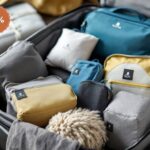
Lydia Mansel, writing for Condé Nast Traveler, notes that packing cubes help travelers pare down what they bring and avoid frantic, last minute shoving of items into a suitcase before a flight. When every category has a defined home, you notice quickly if you are overpacking.
You keep clothes organized and cleaner
You can use packing cubes to separate clothes by type, outfit or day. Marie Kondo recommends organizing cubes by item type, such as undergarments, tops, bottoms, shoes, toiletries and accessories, so you always know where to reach for what you need.
This system keeps clean and dirty items apart as the trip goes on. You might start with one cube for clean socks and underwear and repurpose it as a laundry cube once those items are worn. If you like a more structured approach, look at packing cubes with labels, which make it obvious what each cube contains at a glance.
Because clothes are shielded from the rest of your luggage, they also tend to stay drier and less wrinkled. That is especially helpful on business trips where you want to pull out a presentable outfit without hunting for an iron.
You save space in your suitcase or backpack
Packing cubes do not create extra room inside your bag, but they help you use the space you have more efficiently. They compress soft items into compact bricks that sit flush against one another, unlike uneven stacks of loose clothing.
Many travelers find that they can downgrade from a checked suitcase to a carry-on once they start using cubes. Pack Hacker calls packing cubes “essential” for keeping clothing wrinkle free and simplifying both packing and unpacking for everyone from ultra minimalists to all purpose packers. That combination of order and density is exactly what helps you fit more into less.

If you want to squeeze bulky layers as tightly as possible, compression packing cubes with a secondary zipper can cinch everything down further.
You unpack and repack in minutes
With packing cubes, unpacking is as simple as lifting each cube out of your bag and placing it in a drawer or on a shelf. You do not have to spread clothes across a room, fold them again or worry about putting them back in the same way.
When it is time to move on, you reverse the process. Every shirt, pair of socks and small accessory already has a home. This is especially useful for:
- Tight business itineraries with same day check in and check out
- Multi stop trips where you change hotels often
- Backpacking or long term travel where you live from one bag for weeks
Fast transitions are easier when you can just zip a cube and close your luggage.
The main benefits across different trip styles
Packing cubes for travel are flexible. How you use them will shift slightly if you are a first time international traveler, a frequent flyer, a backpacker or managing a family’s worth of outfits.
First time international travelers
If this is your first major trip abroad, you are probably juggling new logistics, documents and unfamiliar airports. Packing cubes quietly remove one layer of uncertainty.
You can divide clothes into “travel day,” “city outfits” and “relaxing” cubes, then keep documents, chargers and medication in a dedicated organizer. You will know exactly where to find a fresh shirt after a long flight, or your adapter before your phone battery dies.
This is also where packing cubes for electronics can earn their place. Keeping cables, power banks and small gadgets in one zippered pouch means no more fishing through pockets or worrying that something important slid under the bed.
Frequent business travelers
When you are on regular work trips, your suitcase becomes part of your workflow. You want to move through security quickly, arrive with unrumpled outfits and pack up again without much thought.
Packing cubes help by:
- Separating work clothes from casual wear
- Keeping a standing “meeting ready” cube with a blazer, shirt and accessories
- Isolating gym gear or running clothes from formal items
Compression styles like Peak Design’s cubes combine quick access with space saving dual zippers and stretchy self healing material, which helps reduce wrinkles while maximizing carry on capacity. If your goal is to stay carry on only, that kind of efficient setup is worth considering.
Backpackers and digital nomads
If you live out of a backpack, organization is not a luxury, it is survival. You often need to access a specific item without unpacking everything, and weight matters.
Shannon O’Donnell notes that ultralight packing cubes made with 30D or 40D nylon, sometimes reinforced with ripstop, offer minimal weight and pack space, although they may lack structure and crease clothes more easily. For backpackers, the weight savings are usually worth it.
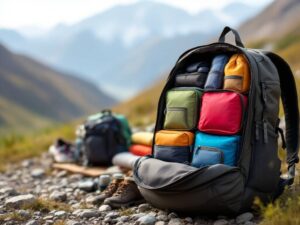
Look for lightweight packing cubes that match the shape of your pack. Rectangular and tube like cubes can run along the spine of a backpack, while shorter ones fit at the base. If you want more guidance tailored to this style of travel, explore packing cubes for backpackers.
Families and group travel
Packing for multiple people multiplies the chaos. Packing cubes tame it by assigning a color or size to each traveler. That way, you do not have to sort through a mountain of mixed clothes every time someone needs socks.
You can:
- Give each child their own set of cubes inside a shared suitcase
- Dedicate one cube to pajamas for easy bed time routines
- Maintain a “swim cube” with suits and cover ups that moves between bags
Family trips are also where having a couple of spare cubes pays off. Extra cubes can hold dirty laundry, wet clothes after a beach day or souvenirs that did not exist on the outbound trip. Products like packing cubes for kids often come in bright colors and playful prints that make it simple for children to find their own things.
Types of packing cubes and when to use them
Not all packing cubes are the same. The right mix depends on your luggage, clothing and destination. Here is how to think through the options.
Standard vs compression cubes
Standard packing cubes are simple zippered pouches that hold and organize your items. They are ideal if you care more about organization and quick access than maximum compression.
Compression packing cubes add a second zipper around the perimeter. Once the cube is filled, you close the main zipper, then zip the compression layer to squeeze out extra air. Brands like Peak Design and Thule combine this with gusseted corners to create a more brick like shape that stacks efficiently, even in small bags.
If you travel with bulky sweaters, jackets or jeans, or you are determined to fit everything into a carry on, compression packing cubes are worth a look. Just know that heavy compression can increase wrinkles, so keep delicate items in a non compression cube.
Size and shape: small, large and in between
Size matters more than you might think. Too many large cubes become unwieldy, while too many tiny cubes create clutter.
You can mix:
- Small packing cubes for underwear, socks, swimwear and small accessories
- Medium cubes for T shirts, shorts and light tops
- Large packing cubes for jeans, sweaters and full outfits
Brands like Shacke Pak offer sets that include extra large down to small cubes, along with a laundry bag, which testers found effective for trips up to 14 days. The key is matching cube dimensions to your suitcase or backpack. A tall, narrow cube that fits perfectly along the edge of a roller bag can make better use of space than a wider one that bunches.
Materials and weight
Most packing cubes are made from nylon or polyester blends. Within that, there are a few categories to consider.
Eagle Creek’s Pack It Isolate cubes use lightweight, washable, water resistant polyester ripstop and come in several sizes, including a roll top shoe pouch. These strike a balance between durability and weight for all purpose travel.
Hyperlite and Osprey make ultralight cubes from thin nylon that pack down to almost nothing yet still hold up to regular use. The trade off is less structure, which can make your bag feel slightly less orderly.
If sustainability is a priority for you, it is worth looking at eco friendly packing cubes. Peak Design’s cubes, for example, are made from 100% recycled nylon polyester and are solution dyed to reduce water usage during production.
For trips where rain or spills are likely, waterproof packing cubes or at least water resistant options create an extra layer of protection between your clothes and the elements.
Special features: handles, labels and compartments
A few small design details make cubes nicer to live with day to day.
- Packing cubes with handles are easier to grab from deep suitcases and carry to the bathroom or laundry room
- Internal dividers or split compartments let you separate clean and dirty clothes inside a single cube
- Mesh or transparent tops give visibility so you can see contents without unzipping everything
- Zippers from reputable brands like YKK, ideally size 3 to 5, tend to last longer and resist snagging
If you value clarity over minimalism, packing cubes with labels or writable patches can save time, especially when multiple people are sharing one suitcase.
Real world examples of cubes that work
You do not have to buy a specific brand to get value from packing cubes, but it helps to see what works well in testing.
Pack Hacker’s 2025 guide recommends Eagle Creek’s Pack It Isolate cubes as a best value choice, noting their light weight, water resistance and useful size labels. They also highlight compression cubes from Peak Design for their durable, stretchy fabric and quick access design, which suits travelers who need both space saving and convenience.
For more rugged trips, the Patagonia Black Hole Cube stands out. Testing in 2026 found that the 14 liter size could comfortably hold bulky items like jeans, sweaters and toiletries while its recycled polyester ripstop and TPU film laminate made it easy to wipe clean after rough travel.
If you prefer pliable, easy to wash options, Baggu’s Packing Cube Set uses ripstop polyester that handled bulky winter items for ski trips and still washed well after extended use. On the budget end, Amazon Basics medium cubes cost around £14 for a set of four, and their see through mesh tops make them a straightforward entry point for longer journeys.
If you like to compare before you buy, browsing recent packing cube reviews can help you narrow down your shortlist based on how you actually travel.
How to pack cubes efficiently
The way you fill and place your cubes influences how well they work. Small adjustments at home can save you frustration later.
Group by category, not by “what fits”
Following Marie Kondo’s suggestion, start by sorting items by category before you touch your suitcase. Make piles for undergarments, tops, bottoms, shoes, toiletries and accessories. Then assign each pile to an appropriately sized cube.
This method helps you:
- See duplicates and cut back before you overpack
- Remember categories you might otherwise forget, such as sleepwear or gym clothes
- Maintain the same system trip after trip, so packing becomes almost automatic
Resist the temptation to stuff leftover spaces with random items. That is what turns a neat system into a jumble.
Roll, fold or bundle with intention
Inside each cube, you can roll or fold clothes. Rolling works well for T-shirts, jeans, and casual wear, and it makes it easier to see each item side by side. Folding is better for structured pieces and anything prone to creasing.
For business shirts or dresses, you might use a light fold and place them in a standard cube on top of heavier items rather than compressing them. Softer items like leggings and sleepwear can handle deeper compression inside compression packing cubes without much downside.
Stack cubes strategically in your bag
Treat your suitcase or backpack like a grid. Start with the largest cube on the bottom, then fill in gaps with smaller ones. Testers have found that stacking small cubes on their sides or laying them flat, depending on the bag, uses space more efficiently than a random arrangement.
Keeping cube zippers facing upward where possible makes it easier to open one partially and grab something without removing it completely. This is particularly useful in tight hotel rooms or when you need quick access at the airport.
Carry a spare or two
Including one or two empty cubes in your bag might feel like overkill, but they add flexibility. You can:
- Turn a spare into a laundry cube midway through the trip
- Store wet swimsuits separately on the way back from the beach
- Isolate souvenirs or fragile items that need a bit of padding
If your baggage edges toward the airline weight limit, you can move a heavy cube into a carry on to balance things out without repacking loose items.
Matching cubes to your luggage and budget
You do not need the most expensive set on the market, but it is worth thinking about how cubes will fit into your existing bags and how often you travel.
If you mainly use a backpack, prioritize slimmer cubes and check out packing cubes for backpackers that are designed with that form factor in mind. For hard shell suitcases, a mix of medium and large cubes that match the flat interior usually makes more sense.
Price wise, packing cubes range from budget options around 20 to 40 dollars to premium sets that can exceed 100 dollars, according to Shannon O’Donnell’s 2024 guide. Durable premium sets like Eagle Creek have been reported to last over 15 years, while lower cost versions still offer a significant improvement over packing without any system at all.
If you travel rarely, you can start with a modest travel packing cubes set and see how much organization it adds. If you are often on the move, investing in high quality, lightweight packing cubes or eco friendly packing cubes that will hold up for years is usually more cost effective.
Simple starting setups you can copy
If you are not sure how many cubes to get or how to assign them, borrow one of these basic setups and adjust from there.
Starter rule of thumb: aim for 1 to 2 clothing cubes per person, plus 1 small cube for underwear and 1 for extras like cables or toiletries.
Weekend city break (carry on)
- 1 medium cube: tops and light layers
- 1 small cube: underwear and socks
- 1 small cube: chargers, cables and small electronics
One week business trip
- 1 large cube: work outfits
- 1 medium cube: casual clothes
- 1 small cube: gym gear
- 1 small cube: undergarments
- 1 slim cube: toiletries
Two week family vacation (per person)
- 1 large cube: main clothing
- 1 medium cube: sleepwear and loungewear
- 1 small cube: underwear and swimwear
- 1 spare cube: dirty laundry or overflow
If you are packing for children, using packing cubes for kids in distinct colors makes it obvious which cubes belong to whom.
Key takeaways
- Packing cubes for travel turn your suitcase into tidy sections, which makes packing, unpacking and living out of a bag much easier
- You save space and reduce wrinkles by compressing soft items, especially with compression packing cubes
- Choosing the right mix of small packing cubes, medium, and large packing cubes helps you match your own luggage and clothing
- Features like packing cubes with handles, labels and water resistance make day to day use smoother
- Whether you travel for work, backpack long-term or manage a family’s belongings, a simple cube system reduces stress and keeps everyone’s gear under control
Try starting with just two or three cubes on your next trip. Once you feel how much easier it is to find what you need, you can fine-tune your setup with specialized options like waterproof packing cubes or packing cubes for electronics to suit the way you actually travel.
FAQs
Do packing cubes actually save space?
They don’t “create” space, but they use space better by turning soft clothing into stable blocks. Compression cubes can reduce bulk further by tightening the cube after you pack.
How many packing cubes do I need for one person?
A practical starting point is 3–5 cubes: 1–2 for clothes, 1 for underwear/socks, 1 for tech/toiletries, plus an optional spare for laundry.
Are compression packing cubes better than standard cubes?
Compression cubes are best for bulky items and carry-on travel. Standard cubes are better if you want less wrinkling and easier access.
What cube sizes should I buy?
Most travelers do well with a mix: small (underwear/tech), medium (tops), large (pants/sweaters). The “best” sizes depend on your suitcase dimensions.
Are packing cubes worth it for backpackers and digital nomads?
Yes—especially ultralight cubes—because you can pull out one cube without dumping your entire pack. Look for lightweight fabric and shapes that match your pack.
How do I separate clean and dirty clothes while traveling?
Use a cube with an internal divider (clean/dirty) or bring one spare cube and designate it as a laundry cube mid-trip.
Do packing cubes help prevent wrinkles?
They can reduce shifting (which helps), but heavy compression can increase creasing. Use standard cubes for dress shirts and compress softer items like tees and activewear.