Traveling as a family means juggling snacks, stuffed animals, spare outfits, and everyone’s chargers on top of your own things. Without a plan, all of it ends up in a crumpled heap at the bottom of a suitcase. With a few smart packing organization tips, you can get through security faster, find exactly what you need in transit, and unpack in minutes at your destination.
This guide walks you through a simple, repeatable system so every trip feels calmer and more organized, whether you are flying with kids, traveling carry on only, or trying to embrace more minimalist packing organization.
Start with a family packing system
Before you touch a suitcase, put a basic structure in place. A clear system keeps you from overpacking and makes it easy to delegate jobs to kids or a partner.
Decide on “who packs what”
First, choose a primary home for each person’s things. You might give each traveler their own suitcase, or put all adults in one large case and kids in another. For shorter trips, one checked bag plus a personal item per person often works well.
Then decide who is responsible for each category. For example, you might handle toiletries and important documents while older kids manage their toys and airplane entertainment. Clear roles up front reduce last minute scrambling.

Use a master checklist you reuse
Instead of starting from scratch every trip, create a reusable digital packing list and update it over time. A simple document in Google Drive works well so you can access it from any device and tweak it after each trip.
Break the list into sections like clothing, toiletries, electronics, documents, kid essentials, and “day of travel” items. This is the foundation of an effective packing checklist for organized travel and it makes it much harder to forget something important.
Plan outfits instead of individual items
One of the biggest packing organization tips that instantly cuts clutter is to think in complete outfits, not separate pieces. This matters even more when you are dressing multiple people.
Use outfit formulas like 333 or 5,4,3,2,1
Capsule style formulas help you pack light without feeling limited. Two popular options from recent packing guides are:
- The “333 method”: three tops, three bottoms, and three pairs of shoes that can all mix and match, suggested in Apartment Therapy’s 2026 advice on streamlined suitcase planning.
- The “5, 4, 3, 2, 1 packing method”: five tops, four bottoms, three pairs of shoes, two bags, and one hat or sunglasses to pull everything together.
Both approaches make planning outfits easier while still giving you options. You can adapt the numbers up or down depending on trip length and laundry access.
Build kid outfits in self contained bundles
For children, think in daily bundles. Lay out a full outfit for each day including underwear and socks. Then either roll each outfit together or place it inside its own packing cube or large zip pouch.
This organizing-by-outfit approach keeps mornings simple. A child or partner can grab “Tuesday’s cube” and get dressed without digging through the whole suitcase. For more ideas on organizing packing by outfit, you can build on this method for longer trips or special occasions.
Use the right bags for the right jobs
Instead of dumping everything in one big toiletry kit or backpack, divide items by how and when you use them. This is where a simple four bag system is helpful.
Set up four small, focused kits
Think in terms of four dedicated bags:
- A small fanny pack or crossbody for daily essentials like phone, wallet, hand sanitizer, and lip balm.
- A compact, TSA friendly essentials toiletry bag with liquids and head to toe basics.
- A full size toiletry kit with larger or backup items that lives in the hotel.
- A lightweight “go bag” with spare clothes and small necessities, especially useful for kids.
This approach keeps your most used items within reach while bulky backups stay out of the way.
Build a TSA ready essentials toiletry bag
Your small essentials bag should meet airport liquid rules and replace flimsy disposable plastic bags. Keep this pouch slim and easy to pull out during screening. It might include:
- Folding or compact toothbrush and toothpaste
- Travel size deodorant
- Face wash and moisturizer
- Contact solution and case if needed
- A small brush or comb
The goal is to have everything you need for a full day from head to toe without overstuffing your carry on. For deeper ideas on organizing toiletries for travel, you can create versions of this kit for each family member.
Keep a full size kit that stays put
Your larger toiletry kit can hold solid shampoo and conditioner, bar soap, full size or refillable bottles, extra razors, and long stay items. Pack enough to last the whole trip, typically one to two months worth of product for two people if you travel often as a couple.
Once you arrive, this kit goes straight into the bathroom and stays there. During the day, you only carry the smaller essentials bag so you are not hauling your entire bathroom around.
Carry a small clothing go bag
A compact go bag is especially useful for travel days with kids, early check outs, or long layovers. Pack:
- A spare set of underwear for each person
- One lightweight change of clothes
- A thin scarf or extra layer
- A small travel towel or washcloth
You keep this bag with you so you can change quickly after a spill, shower at an airport lounge, or deal with a delayed suitcase. It keeps your main luggage neat and closed while still giving you flexibility.
Make packing cubes do the heavy lifting
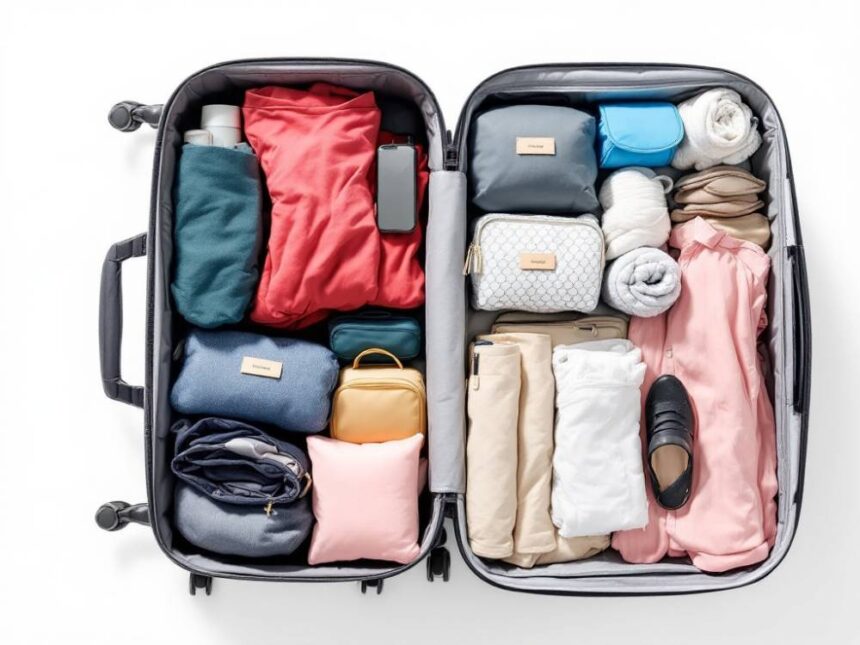
Packing cubes are one of the most reliable tools for packing organization. They group like items, stop clothes from sliding around, and make unpacking as simple as moving cubes into drawers.
According to Pack Hacker’s 2025 guide on packing organizers, cubes work for almost every type of traveler because they divide your suitcase into manageable sections rather than one big pile.
Choose the right cube types and sizes
Packing cubes come in regular and compression styles. Regular cubes keep clothes contained and folded while compression cubes have an extra zipper that squeezes out air and shrinks the cube by about one to two inches. Compression is helpful when you need to maximize limited space, although it can crease clothes more.
Match cube size to what you are packing:
- Small cubes for underwear, socks, and baby clothes
- Medium cubes for t shirts, shorts, and kid outfits
- Large cubes for sweaters, jeans, and bulkier items
For cold weather trips, lean on larger cubes that can handle sweaters and coats. For beach vacations, you might only need smaller or medium cubes for swimsuits and lightweight pieces. For more targeted packing cubes organization ideas, adapt the combination based on your destination.
Pick durable, travel friendly materials
Look for cubes made from nylon or polyester. These fabrics are flexible enough to stretch around bulky items and are usually water resistant, which adds a layer of protection against spills. Ultralight cubes often use 30D or 40D nylon with a ripstop pattern that balances low weight and tear resistance, although they may wrinkle clothes a bit more.
If you choose compression cubes, you will often see lower denier stretch fabrics that allow the cube to slim down. These save space but tend to show wear faster and can increase creasing so they are ideal for casual clothing, not delicate outfits.
Pay attention to zippers, handles, and shape
A cube is only as strong as its zipper. Look for sturdy hardware, often labeled with sizes around 3 to 5, and consider clamshell style openings that zip almost all the way around. This design lets you lay the cube flat and access everything quickly instead of digging through a narrow top opening.
Handles are handy for top loading backpacks because you can pull a cube straight out. For rectangular suitcases, choose cubes with edges that match the bag’s shape so you waste as little space as possible. When items fit like puzzle pieces, you gain extra room without adding another bag.
Organize by category, person, or day
There is no single correct way to use packing cubes. The best method is the one that makes unpacking easiest for you. Start by deciding what you want to be able to grab without thinking.
Category based organization for frequent flyers
If you travel often for work or quick getaways, category organization keeps your routine simple. For example:
- One cube for tops
- One cube for bottoms
- One cube for sleepwear and loungewear
- One cube for underwear and socks
You can move each cube into a drawer at your hotel in seconds. This system pairs especially well with organized carry-on packing tips since you always know where things live.
Person based cubes for families
For families, it often makes sense to dedicate a color or pattern to each person. All of one child’s clothes go in their cubes, another child uses a different color, and adults choose their own set.
This type of packing category organization stops siblings from rummaging through each other’s things and helps kids take responsibility for their space. It also makes it incredibly easy to repack mid trip because you can see at a glance what belongs to whom.
Day based cubes for busy itineraries
If your schedule is packed with tours, events, or outfit changes, consider day based packing. Assign one cube or half cube to each full day of travel and include everything you will wear that day.
When the day is done, you can move worn pieces back into the same cube or a “laundry” cube so they stayed separated from clean clothes. This kind of system fits nicely with organized packing for vacation when you want to spend as little time as possible thinking about clothes.
Pack shoes, electronics, and extras with a plan
Clothes and toiletries are usually the focus of packing organization tips, but shoes and gadgets can easily turn into a tangle if you do not plan ahead.
Limit and organize shoes
Shoes take up space and they are often dirty on the outside and hollow on the inside. The “Rule of 3” is a helpful constraint. Pack no more than three pairs per person, for instance a casual pair, a dressier option, and something athletic or activity specific.
Place shoes along the bottom and sides of your suitcase with soles facing out and toes alternating heel to toe. This forms a stable frame and helps keep the bag balanced so it is less likely to tip over. Use the inside of each shoe to protect smaller items. Roll belts, socks, and scarves and tuck them inside to save space and help shoes maintain their shape. For more targeted packing shoes organization tips, stick to this structure on every trip so it becomes automatic.
Tame cables and tech
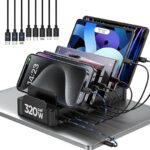
Gather all chargers, adapters, headphones, and small electronics into a single tech pouch. Use elastic loops or small inner pockets if possible so cords do not knot together.
For families, consider one main tech bag that lives in a parent’s carry on plus mini kits for older kids with their own headphones or devices. Label each cord or use different colored cable ties to avoid confusion.
Protect delicate items inside shoes or cubes
Fragile accessories like sunglasses in a soft case, small souvenirs, or delicate toiletries can travel safely if you cushion them. Place them inside shoes with a layer of socks for padding or nestle them in the center of a cube surrounded by soft clothing. This strategy not only protects the items but also stops wasted air pockets in your suitcase.
Layer your suitcase for balance and easy access
How you load the suitcase matters as much as what you put inside. A thoughtful order prevents tipping and makes it simple to find what you need on arrival.
Build a stable base
Put your heaviest items at the bottom near the wheels. Think jackets, coats, jeans, and shoes. This creates a low center of gravity so the bag is less likely to topple over when you stand it upright. It also protects more delicate pieces that will rest above.
Next, add medium weight cubes with pants and sweaters, then lighter cubes with t shirts, pajamas, and kid outfits on top. This layering gives you structure and makes it obvious which cubes you should pull out first.
Use rolling techniques to fill gaps
Rolling clothes instead of folding them can open up a surprising amount of space. A 2024 guide from Rollink notes that rolling helps fill small pockets around cube edges and reduces the stacked height inside the bag. Combine rolling with cubes by rolling each item before placing it in the cube. You get the best of both methods: fewer wrinkles and more efficient use of space.
As you pack, tuck rolled items into any empty corners between cubes or around the shoe frame so there are as few air pockets as possible. A snug fit means less shifting during travel and fewer wrinkles when you unpack.
Create kid friendly bags and routines
Travel with kids goes smoother when their bags are just as organized as yours and when they understand how to use them.
Give each child their own travel zone
If space allows, give each child their own backpack or small rolling bag. Inside, divide items into clear categories using pouches or small cubes:
- One pouch for snacks
- One for toys or activities
- One for spare clothes and a light sweater
- One for comfort items like a favorite stuffed animal or blanket
This kind of setup aligns with organizing kids’ travel bags and encourages kids to put things back in the correct spot. It also narrows the search zone when someone cannot find their crayons or headphones.
Pack activities and snacks with intention
Think about the flow of the travel day. Put quick access snacks and one or two activities in outer pockets. Keep backup activities deeper in the bag. Rotate items during the journey instead of giving kids everything at once so you have something new to offer if delays happen.
Teach kids a simple rule, for example, “when you finish using something, it goes back in its pouch.” It may not be perfect, but even partial success keeps the family’s packing system from unraveling mid trip.
Make security and boarding smoother
Good packing organization is not only about what happens at the destination. It can also significantly speed up your time in security lines and at the gate, especially if you often travel with just a carry on.
Design a security friendly bag layout
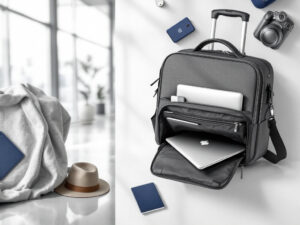
Use your personal item, often a backpack or tote, for things you will need in flight and at security:
- Top or front pocket: passports, boarding passes, wallet, and one pen
- Easy access section: liquids bag and electronics like laptops and tablets
- Interior section: snacks, books, light layers, and tech pouch
Keep your TSA approved liquids bag at the very top so you can pull it out without digging. If you use a small crossbody or fanny pack for daily items, you can wear it through the airport and place it directly into the bin without unpacking your main bag.
For more ideas on how to pack efficiently for travel, especially in carry on only scenarios, consider practicing your bag layout before the actual travel day so you know exactly where everything lives.
Pre pack “in flight” kits
In addition to your main personal item, prepare a tiny in flight kit for each person. This could be a pencil case or small pouch with:
- Headphones
- Lip balm
- Tissues
- A small snack
- One quiet activity or book
Once seated, you can put the main bag in the overhead bin and keep only the essentials at your feet. This gives everyone more legroom and reduces the odds of losing items during the flight.
Keep toiletry and clothing kits ready between trips
One of the best long term packing organization tips is to keep certain bags permanently packed. This is especially useful if you travel frequently for work or see family often.
Maintain “always ready” toiletry bags
Instead of raiding your bathroom every time, assemble a dedicated set of travel toiletries and leave them in your essentials and full size kits. After each trip, restock anything that is getting low. This habit saves time and makes last minute trips far less stressful.
You can apply the same principle to a small universal travel kit stocked with spare phone chargers, an international adapter, a basic first aid kit, and a packable tote bag. With these ready to go, you only need to add weather specific clothes and shoes.
Store cubes by category at home
When you unpack, keep your packing cubes with related items rather than in a random drawer. For example, store kid clothes cubes in their room, a set of adult cubes in your closet near luggage, and a separate set for seasonal gear.
That way, the next time you travel, you can pre fill cubes as you do laundry in the weeks before you leave. By the time your departure date arrives, many of your categories will already be organized.
A simple rule of thumb: if an item has a dedicated home in a pouch, cube, or kit, you are far less likely to misplace it or overpack.
Put your packing organization tips into action
You do not need to overhaul everything at once to see a difference. Choose one or two changes for your next trip and build from there. For example, you might:
- Start using a four bag system for toiletries and a small clothing go bag
- Introduce packing cubes and assign a color to each family member
- Switch to outfit based packing for kids so mornings run smoother
- Create a reusable digital checklist for your whole household
As these habits become routine, you will find that you can pack smart and organized in much less time. Your bags will be easier to carry, security lines will feel less hectic, and unpacking in a hotel or rental will take minutes rather than an entire evening.
Over time, you can layer in more detailed strategies from related guides like efficient packing techniques, travel packing organization hacks, or packing bags organization ideas. The goal is not perfection. It is a travel system that fits your family’s real life and makes every journey a little calmer from door to door.
FAQs
What is the best packing method for families who share suitcases?
Use packing cubes by person (color-coded), plus one shared cube for backup essentials (meds, wipes, laundry bag). This prevents mix-ups and speeds up repacking.
How do I pack toiletries for airport security without delays?
Keep a dedicated TSA liquids pouch at the top of your personal item. Follow the 3.4 oz/100 ml containers + 1 quart bag rule.
Are packing cubes worth it for family travel?
Yes—cubes create instant structure (by person, category, or day) and make unpacking as easy as moving cubes into drawers.
Which is better: rolling or folding clothes for travel?
Both can work. Rolling can improve space efficiency and access; folding can reduce creases for structured items. Pick the method that makes your family fastest and most consistent.
What should be in a kid “in-flight kit”?
Headphones, tissues, lip balm, a snack, and one quiet activity (sticker book, mini cards, small coloring). Keep it in a small pouch so the main bag stays closed.
How can I prevent charger and cable chaos?
Use one family tech pouch (parent carry-on) plus mini pouches for older kids. Add labels or colored ties so cords don’t get swapped.