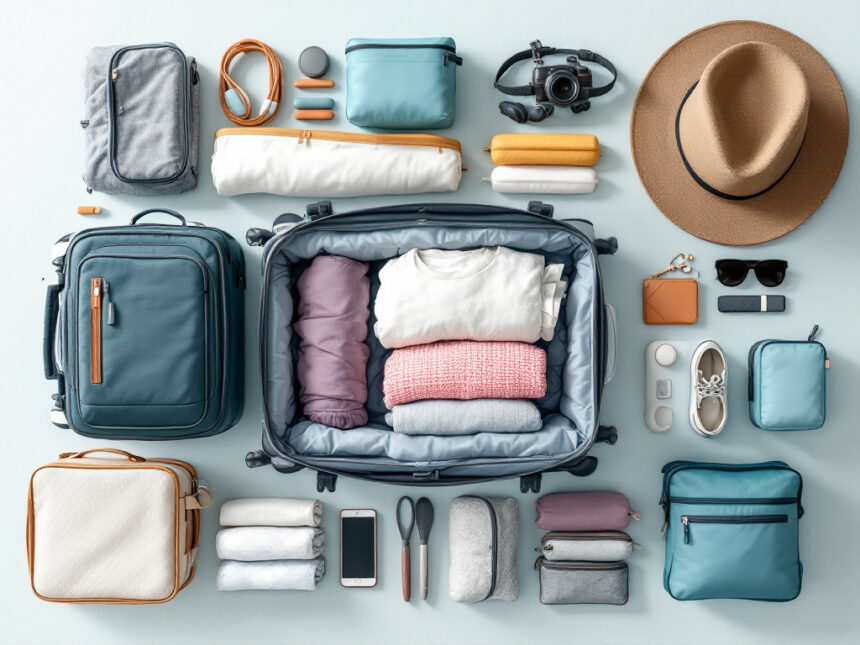
Packing for a family trip shouldn’t feel like a full-time job. If you’re juggling school drop-offs, work deadlines, and last-minute “Mom, where’s my hoodie?” chaos, the right travel packing organization hacks turn stress into a simple routine. In this guide, you’ll build a repeatable system: a reusable checklist, category-based containers, outfit-by-outfit packing, and kid-friendly grab-and-go kits.
You’ll learn space-saving tricks frequent flyers use, plus carry-on “security layer” setups that speed up screening and prevent bin panic. Expect toiletry, shoe, laundry, and one-bag strategies too—so you pack lighter, find everything faster, and start the vacation feeling ahead, not behind for once.
Why travel packing organization hacks matter
If you always feel like packing takes longer than the trip itself, a few smart travel packing organization hacks can change everything. With a simple system, you move from frantic “toss it all in and hope” to calm, fast, repeatable packing that works for busy families, frequent flyers, and minimalist travelers.
Organized packing does more than make your suitcase look nice. It speeds up airport security, keeps kids’ outfits and snacks easy to grab, and makes unpacking at your destination almost effortless. You are building a packing system that works every time, not starting from scratch for every trip.
Start with a simple master packing system
Before you touch your suitcase, you want a repeatable structure. That way every trip follows the same steps instead of feeling like a new puzzle.
Create a reusable packing checklist
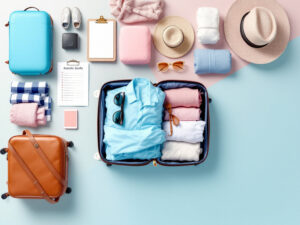
A detailed packing list is one of the most effective travel packing organization hacks you can use. Travel bloggers consistently recommend it because it removes guesswork and last minute stress by putting everything in front of you before a single item hits your bag.
You can keep your list in your phone’s Notes app, a spreadsheet, or a printable template. Divide it into sections like clothes, toiletries, tech, documents, and kids’ items, and then copy it for each specific trip. For help building a list that fits your style of travel, you can also use an organized packing checklist for travel as a starting point.
Once your base list is set, you simply remove what you do not need for a particular trip instead of inventing a new list each time.
Plan earlier than you think you need
Packing always feels chaotic when it happens the night before. Travel experts suggest starting the process about a week before departure by planning outfits and reviewing your list, which significantly reduces last minute stress and forgotten essentials.
You do not have to actually put things in the suitcase that early. Instead, you can:
- Set up a small “packing zone” on a chair, bench, or rolling rack
- Drop items there as you do laundry or remember something
- Do one final review the day before you leave
If you travel often, consider creating a full packing system for organized trips that lives in your closet, with travel-only items ready to go.
Use categories as your foundation
Packing is easier when every item belongs to a category, and every category has a “home” in your bag. This is the idea behind packing category organization.
Instead of tossing a random mix of clothes, chargers, and toiletries together, you group things like this:
- Clothes by type or outfit
- Toiletries in one dedicated kit
- Tech and chargers together
- Travel documents and wallets
- Snacks and kids’ activities
Once you decide on your categories, you can match them with the right packing containers for organization, such as cubes, pouches, or folders.

Organize by outfits, not single items
One of the biggest sources of overpacking is thinking in individual pieces instead of complete looks. Outfit based packing solves that.
Why outfit based packing works
Packing by complete outfits, including clothing, shoes, and accessories for each occasion, helps prevent overpacking and makes getting ready on the trip almost effortless. Travel packing guides consistently note that outfit planning leads to fewer “just in case” items and easier decisions once you arrive.
Instead of bringing seven random tops, you decide on “3 daytime outfits, 2 dinner outfits, 1 travel outfit” and then pull only what fits those slots.
You can learn more about systematically organizing packing by outfit if you prefer to think in head to toe looks.
Build a simple capsule color palette
A small color palette lets you mix and match without needing as many pieces. Travel experts suggest building a capsule wardrobe around a few neutrals, then adding one or two accent colors. For example, grey, white, and green with a small accent color like blush or navy can create many outfits from very few items.
When most items work together, you can pack less but still feel like you have options.
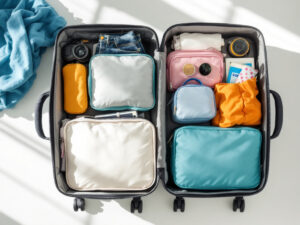
Use packing cubes as “outfit drawers”
Packing cubes are one of the most popular travel packing organization hacks for a reason. They make it easy to divide clothes into outfits or categories and keep everything neat.
Travel bloggers recommend:
- Storing full outfits together in one cube, especially for kids
- Using cubes by clothing type, such as tops in one, bottoms in another, pajamas in a third
- Treating cubes like portable drawers so you do not have to fully unpack in each hotel
If you are new to cubes, check out some packing cubes organization ideas or compare packing cubes vs packing folders to see which style fits your travel habits.
Space saving hacks frequent flyers swear by
If you travel regularly, small space savings add up. These techniques help you fit more into smaller bags without creating a jumbled mess.
Roll, do not fold, for most clothes
Rolling clothes tightly instead of folding them can save space and minimize wrinkles. Travel experts suggest stacking rolled clothes side by side along the bottom of the suitcase so you can see everything at a glance.
You can then tuck socks and undergarments into the gaps between rolls, which uses every bit of space and avoids bulky side pockets that strain zippers.
This approach also works very well with efficient packing techniques such as layering heavier items near the wheels and lighter items on top.
Choose fabrics that travel well
Packing clothes that do not wrinkle easily is another quiet time saver. Pieces made from knits, performance fabrics, and blended materials tend to pack more smoothly than stiff cottons and linens.
When you pair easy care fabrics with a limited color palette, you make it simpler to focus on packing light and organized rather than fighting wrinkles in your hotel room.
Wear your heaviest items on the plane
A classic weight saving tactic is to wear your heaviest shoes and outerwear onto the plane. Travel bloggers recommend layering clothing and keeping heaviest pieces out of the suitcase to avoid overage fees or frantic repacking at the check in desk.
A compact, inexpensive luggage scale is a smart addition here. For around ten dollars, a portable scale helps you avoid overweight baggage fees and last minute repacking on the airport floor. This small tool fits perfectly into a kit of travel packing organization tools.
Smart organization for kids and family travel
Busy families need systems that are simple enough for everyone to follow. The best travel packing organization hacks for parents keep outfits, snacks, and activities easy to grab without unpacking the entire suitcase.
Give each child their own “grab and go” bag
When you are organizing kids’ travel bags, think in self contained kits rather than loose items. Each child can have:
- A small backpack for the plane or car with snacks, water bottle, and activities
- A cube or pouch with pajamas and a bedtime routine kit
- A separate pouch for extra clothes in case of spills
Some parents love packing children’s outfits in labeled gallon size storage bags by day. This hack makes mornings simple, since each bag holds the full outfit for that day. Travel writers also suggest this method for keeping siblings’ clothes from getting mixed up during busy trips.
Pack kids’ outfits in daily cubes
Instead of packing all shirts together and all pants together, you can use one cube per child per day or per two days. Each cube holds:
- Top and bottom
- Underwear and socks
- Any small accessories like a headband or hat
When you arrive, you simply pull out one cube per day. Cubes act like portable dresser drawers, which is especially helpful if you are changing hotels frequently or managing multiple kids at once.
Create simple quiet time kits
For travel days, having a “quiet kit” ready can save your sanity. Use a small pouch or cube for:
- A slim coloring book or notepad
- A few crayons or markers in a zip bag
- Small toys or fidgets
- Headphones and a charging cable
These kits avoid the clutter of toys scattered across your bag and make it easy to reset between flights or car segments. They pair well with broader packing bags organization ideas for both kids and adults.
Carry on and security friendly organization
If you like to keep essentials with you, the way you organize your carry on can make airport security and in flight life much easier.
Design a clear “security layer” in your bag
When your liquids, laptop, and electronics are buried, the security line feels stressful. Instead, you can design a dedicated “security layer” that lives near the top of your personal item or carry on.
For instance:
- Keep your laptop and tablet in an easy access sleeve
- Store liquids in a TSA sized clear pouch in an outer pocket
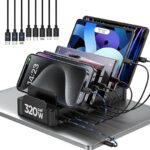
- Group chargers and small electronics in a separate tech pouch
This is the same thinking behind many organized carry-on packing tips. By grouping security sensitive items together, you speed up screening and reduce the chance of leaving something in a bin.
Build a structured personal item
A tote or backpack with multiple compartments can act as a mini command center. The key is deciding what lives where and sticking with that system every trip.
A simple layout might look like this:
- Front pocket: passport, boarding passes, pen
- Main compartment: tablet, book, light sweater
- Side pockets: water bottle, snacks
- Inner zip pocket: wallet and keys
If you prefer backpacks, you can follow similar principles from guides on how to pack a backpack efficiently, using vertical space and weight distribution to your advantage.
Keep documents and valuables contained
Instead of spreading travel documents across multiple pockets, you can use a slim organizer for:
- Passports
- Itineraries and printed confirmations
- Travel insurance details
- Credit cards not kept in your everyday wallet
Knowing exactly where these items live removes a surprising amount of travel stress and helps you stay focused on the bigger picture of organized packing for vacation.
Toiletries, makeup, and laundry hacks
Toiletries and laundry can easily explode across your suitcase if you do not give them boundaries. A few small systems keep everything controlled and spill free.
Keep a ready to go toiletry kit
One of the simplest travel packing organization hacks is maintaining a toiletry bag that lives pre packed in your bathroom closet. You refill it after each trip so it is ready for the next.
Travel pros recommend:
- Stocking it with daily essentials in travel sizes
- Packing spill prone items inside plastic bags inside the toiletry kit
- Hanging the bag at your destination to save counter space
You can explore more detailed strategies in this guide on organizing toiletries for travel, including how to separate skincare, haircare, and medicine so you can find what you need fast.
Pre pack makeup and personal care
You can treat makeup similarly to toiletries. A small, structured makeup bag pre stocked with your go to travel products cuts your packing time the night before a trip and reduces the chance that you leave something behind.
Some travelers like to prepare these bags the night before travel, which avoids last minute scrambling and makes morning routines easier. Bags with hanging hooks, like popular fold out toiletry bags, are especially useful on small hotel counters.
Have a dirty laundry strategy
Without a plan for used clothes, your suitcase will quickly turn into a mixed up pile. Travel bloggers suggest:
- Using a large zippered laundry pouch or lightweight packing cube for dirty clothes
- Keeping a dryer sheet in the laundry pouch for warm weather trips to control odor
- Unpacking fully at your destination if possible and designating one bag or cube just for laundry
This approach keeps clean and dirty items separate and makes doing laundry after the trip much faster. It also pairs nicely with minimal wardrobes, since you always know which items are still available to wear.
Shoe and accessory organization that saves space
Shoes and accessories are some of the easiest items to overpack. A few rules help you limit quantity and keep your suitcase cleaner and more compact.
Limit shoes and choose versatile pairs
Travel packing pros often recommend limiting yourself to three or at most four pairs of shoes, even for longer trips. A typical setup might be:
- One comfortable walking or travel sneaker
- One versatile flat or sandal for day to night
- One weather specific pair like boots or beach sandals
Some writers highlight brands that can handle multiple roles, such as flatform sandals that work for day, evening, and the beach, to help you avoid packing “single use” shoes.
You can dive deeper into best practices in guides about packing shoes organization tips.
Pack shoes smartly to protect clothes
Shoes go near the bottom of your suitcase by the wheels for stability. You can tuck small items like socks inside them to save space, then place them in shoe bags or simple plastic bags to keep dirt off your clothes.
The gaps around shoes are perfect spots for rolled underwear, swimwear, or accessories. When you use a consistent layout, it becomes part of your broader approach to how to pack efficiently for travel.
Contain accessories in small pouches
Belts, jewelry, and small accessories disappear easily if they are not grouped. Instead of letting them float free:
- Use a slim jewelry case or pill organizer for earrings and rings
- Roll belts and tuck them along the edges of the suitcase
- Store hair accessories in a small zip pouch
These tiny containers fall under the broader category of packing accessories for organization. They do not add much weight, but they keep small items from getting lost or tangled.
Minimalist and one bag travel strategies
If you prefer to travel with one bag, the right travel packing organization hacks let you stay light without feeling deprived.
Use a minimalist packing framework
Minimalist travelers often rely on a simple formula like:
- 3 tops
- 2 bottoms
- 1 dress or one piece outfit
- 1 layering piece
- 3 pairs of shoes at most
Because everything coordinates, you still end up with many outfit combinations. For deeper guidance, you can explore minimalist packing organization to tailor the formula to your style and destination.
Remove 10 to 20 percent before you zip
A smart trick for chronic overpackers is to remove 10 to 20 percent of items after you lay everything out. Travel writers note that this last step makes space for potential purchases and keeps you from carrying items you will not actually use.
To do this:
- Lay out all planned outfits and extras
- Pull any duplicate items in similar colors or styles
- Remove one “just in case” item from each category
You still have plenty to wear, but your bag will feel lighter and easier to manage.
Let your organizers do the work
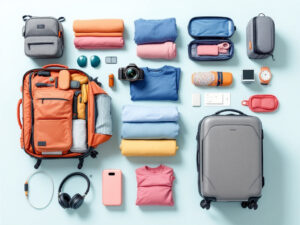
Packing cubes, folders, and pouches are especially powerful for one bag travel. They help you compress clothes, keep everything upright, and access what you need without exploding your whole bag.
If you are ready to fine tune your system, you can:
- Experiment with different packing cubes packing strategies
- Compare the best packing cubes for organization for your style of travel
- Read more general packing organization tips to see how other travelers structure their bags
Minimalist travel is less about owning special gear and more about choosing a layout and sticking with it.
Putting it all together for smoother trips
All of these travel packing organization hacks share the same goal. They help you spend less time digging through bags and more time enjoying your trip.
To recap the core ideas in one place:
Give every item a category, every category a container, and every container a consistent place in your bag.
When you combine a reusable checklist, outfit based packing, smart containers, and a few family friendly systems, packing becomes a quick routine instead of a major project. Over time, you can refine your approach with resources on how to pack smart and organized, whether you are heading on a solo work trip, a family vacation, or a festival weekend.
FAQs
What are the best travel packing organization hacks for families?
Use a reusable checklist, pack outfits into cubes (one per day or per child), and build grab-and-go kits for snacks, spills, and quiet time.
Are packing cubes worth it for busy parents?
Yes—cubes work like portable drawers. They keep kids’ outfits together, reduce suitcase mess, and make unpacking faster.
How do I pack a carry-on so airport security is easier?
Keep liquids in one clear pouch near the top and group electronics/chargers in a tech pouch so you can pull them out quickly.
What’s the easiest way to prevent overpacking?
Plan outfits first, stick to a capsule color palette, then remove 10–20% of “just in case” items before zipping.
How should I organize toiletries to avoid leaks?
Use travel-size containers, double-bag spill-prone items, and keep a ready-to-go toiletry kit stocked between trips.
Where should power banks and spare batteries go?
Pack power banks/spare lithium batteries in your carry-on, not checked luggage.