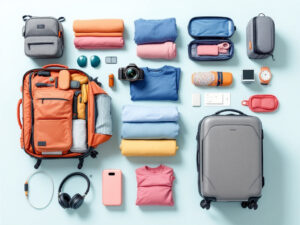
Packing cubes sound like a travel hack—until you try them and wonder how you ever packed without them. The right packing cubes and packing strategies turn a suitcase into a calm, grab-and-go system: outfits stay together, dirty laundry stops mingling with clean tees, and you can find socks in seconds instead of excavating your bag.
In this guide, you’ll learn exactly how to choose standard vs compression cubes, build a category or outfit-based layout, fold or roll for fewer wrinkles, and stack cubes for balance and quick access. Copy-ready sample layouts included. It’s a simple way to pack light and organized.
Understand what packing cubes actually do
Before you dive into specific packing cubes packing strategies, it helps to know what these organizers are designed to do for you.
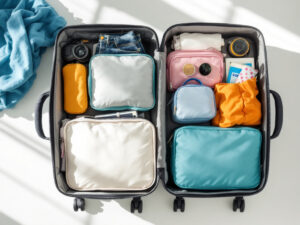
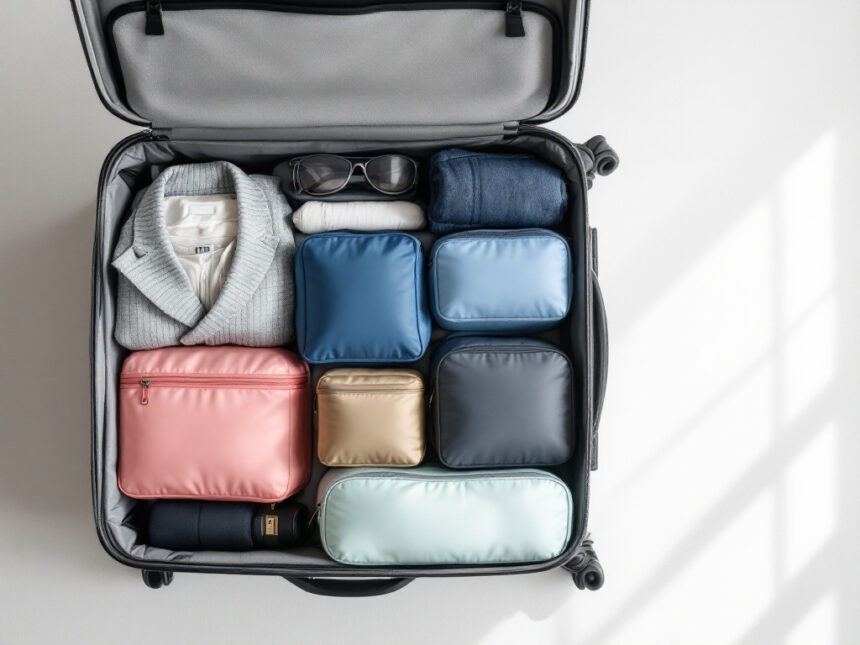
Packing cubes are lightweight fabric containers, usually nylon or polyester, that come in different sizes and shapes. You zip your clothes and accessories into them, then fit the cubes into your suitcase or backpack like Tetris pieces. Instead of one chaotic pile of clothes, you have labeled, easy to grab sections.
Used well, packing cubes help you:
- Divide your belongings into clear categories
- Pack more efficiently inside any suitcase or backpack
- Keep items cleaner and less wrinkled
- Unpack in minutes at your destination
They are especially useful if you want packing light and organized to be your default, not a once a year achievement.
Not every traveler will love them. If you live out of a top loading backpack and need constant on the go access, pulling cubes in and out can feel fussy. If you already use a hardshell suitcase with built in dividers and compression straps, cubes may add bulk without much benefit. For most flyers and families though, they are an easy upgrade to your travel system.
Choose the right types of packing cubes
Packing cubes are not all the same. The mix you choose should match how you travel, how you pack, and what you actually bring.
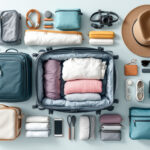
Standard vs compression cubes
Standard cubes are simple zip top pouches that maintain a soft, flexible shape. They are ideal if you value visibility and easy access over maximum compression. You can roll or fold clothes, zip them inside, and see what is what through mesh panels.
Compression packing cubes have a second zipper that cinches the cube down after you have filled it. This can noticeably shrink bulkier items like jeans or light sweaters. According to a May 2024 guide by Shannon O’Donnell, compression cubes work best when you use them on moderately bulky clothes and avoid overstuffing, which can wrinkle fabrics and stress zippers.
In practice, you might:
- Use compression cubes for bulk, like jeans, hoodies, sweatshirts, or puffer vests
- Use standard cubes for everyday outfits, underwear, and items you grab often
If you tend to overpack, compression cubes are tempting. Just remember they do not reduce your suitcase weight, only volume. It is still up to you to edit your packing list or use a stricter packing checklist for organized travel.
Materials, mesh, and water resistance
Look for cubes made from lightweight nylon or polyester. Travel experts note that mesh panels promote ventilation, which helps prevent musty smells or mildew if clothes are slightly damp. Water resistant options can protect electronics or dry clothes from minor leaks, but fully waterproof bags are better reserved for truly wet conditions.
You generally do not need heavy fabric. A lighter cube means more of your weight allowance goes to your actual clothes, not your organizers.

Sizes and shapes that actually help
Most sets include a mix of large, medium, and small cubes, along with flatter pouches or packing sacks. Having a mix lets you build a flexible system that changes by trip:
- Large cubes for pants, sweaters, or family outfit bundles
- Medium cubes for shirts, dresses, and pajamas
- Small cubes for underwear, socks, swimwear, or kids’ outfits
- Slim cubes or flat pouches for scarves, belts, or tech accessories
Experts like Marie Kondo suggest matching cube size to item type rather than cramming random leftovers together. That way your brain knows automatically where each category lives, which is the heart of effective packing cubes organization ideas.
Decide how many cubes you really need
The right number of cubes depends on your trip length, luggage size, and whether you are packing for just yourself or for others as well.
For a single traveler:
- Weekend carry on: 3 to 4 cubes
- Week or longer, checked bag: 4 to 8 cubes plus a few flat sacks
For a family sharing one large suitcase:
- 6 to 10 cubes, with separate colors or sizes for each person
Travel writers often describe a sweet spot around four to eight cubes and a few packing sacks per person, which fits well in most carry ons and checked suitcases.
If you are a one bag minimalist, err on the lower side. Combine minimalist packing organization with your cubes, so each one is carefully edited instead of stuffed because you have the space.
It is better to have one or two spare cubes than to be forced into overfilling. Extra cubes can hold dirty laundry, wet swimsuits, souvenirs, or even help you redistribute weight if your checked bag is over the airline limit.
Build a category based packing system
Your cubes work best when they follow a clear and consistent logic. Category based packing is the simplest, most repeatable system.
Core categories that keep you sane
Organizing by item type is popular with professional organizers and frequent travelers because you always know where to look. You might assign:
- Large cube: bottoms, such as pants, skirts, or shorts
- Medium cube: tops and dresses
- Small cube: underwear, bras, socks, and sleepwear
- Separate cube: workout clothes or swimwear
- Slim cube: accessories, scarves, belts
You can tune this layout to support your own packing category organization, but the key is consistency. Use the same pattern every trip and your future self will never rummage for a single sock again.
Outfit based cubes, especially for kids
For families or short city breaks, outfit based cubes can be even easier. Instead of grouping everything by category, each cube or half cube holds complete outfits.
For example, for kids:
- Cube 1: three full day outfits, including underwear and socks
- Cube 2: pajamas and backups for spills
- Cube 3: swim kit, sandals, cover up
Labeling or color coding cubes by child simplifies organizing kids’ travel bags. Each morning you just pull one bundle and hand it over, no negotiations at the suitcase.
The same strategy works for adult business trips. You might dedicate one cube to two or three complete work outfits, another cube to casual evening clothes, and one to gym gear. Pair that with organized packing for business trips and your suitcase becomes a weekly routine instead of a fresh chore.
Use smart folding and rolling methods inside cubes
What you do inside each cube matters as much as the cube itself. The goal is to reduce wrinkles, save space, and make it easy to see what you packed.
Two reliable methods work well:
- Tight rolling
- File folding, which stacks pieces vertically like files in a drawer
Rolling is especially effective for knit fabrics, t shirts, leggings, and underwear. Roll each piece tightly, then line them up in your cube. This minimizes creasing and lets you tuck smaller items into gaps.
File folding, which organizers like Marie Kondo popularized, is ideal when you want fast visibility. You fold items into compact rectangles, then stand them upright inside the cube. When you open it, you can see every shirt at once, instead of digging through a stack.
You can even mix methods. Roll items in a compression cube to squeeze out air, then file fold looser garments in your standard cubes for easier access. That balance supports many of the efficient packing techniques that make travel smoother.
Stack and place cubes strategically in your suitcase
Once your cubes are packed, you still need to arrange them wisely inside your bag. A thoughtful layout adds stability and makes airport security or hotel unpacking quicker.
Anchor with your largest cube first
A helpful method described by travel experts is to:
- Place the largest cube at the bottom of your suitcase, often opposite the shoe compartment.
- Add medium cubes beside it, either flat or on their sides.
- Use smaller cubes and packing sacks to fill remaining gaps and corners.
Think of it like stacking bricks. A solid base makes the whole structure less likely to tip or slouch. This matters especially for hard sided luggage, since a stable interior prevents the suitcase from feeling lopsided when you roll it.
Whenever possible, keep zippers facing up. That way you can open the suitcase and unzip just one cube without disturbing the rest, a small but real boost to organized carry-on packing tips.
Balance weight for easy carrying
Put heavier cubes, such as jeans or shoes, near the wheels of rolling luggage. This prevents the bag from being top heavy and tipping. For backpacks, such as when you follow how to pack a backpack efficiently, heavier cubes should sit close to your back and centered so the load feels stable.
You do not need to use every inch of space in each cube. Some stiff or delicate items, such as dress shoes or rigid electronics, actually travel better outside cubes, wedged between them for padding. That choice protects the item and keeps your cube shapes more consistent.
Create specialized cubes for tricky categories
Certain items are always awkward to pack. Giving them their own cube or kit keeps them from taking over your suitcase.
Shoes and accessories
Shoes are bulky, often dirty, and can flatten delicate clothes if they float freely. Use a separate shoe bag or dedicated cube, then place it heel to toe to save space. If you need a refresher, packing shoes organization tips can help you pick the right containers and placement.
Belts, jewelry, and small accessories can live together in a slim cube or pouch. Wrap fragile pieces in soft items, such as scarves or socks, and place this cube in the center of your suitcase where it is cushioned.
Toiletries and liquids
Toiletries need special attention both for leak protection and airport security. It often works best to use a water resistant cube or pouch specifically for your liquids, toothbrush, and skincare.
Inside that, put actual bottles into clear plastic bags or TSA compliant pouches. You can then place the entire cube near the top of your luggage, so it is easy to pull out at security. For a deeper dive, see organizing toiletries for travel, which walks through product choices and layout.
Laundry, wet items, and overflow
Bring at least one extra cube or sack for laundry. Separating worn clothes keeps your clean items fresher and simplifies repacking at the end of the trip. Waterproof or lined cubes work well for wet swimsuits or gym clothes.
These extra cubes can also save you at the airport. If your checked bag is overweight, you can move a full cube into your personal item in seconds, instead of repacking in front of the counter.
Tailor your cube strategy to your travel style
Your ideal packing cubes packing strategies will look different if you mainly fly for work, road trip with kids, or travel carry on only. You can refine the same basic system in a few different directions.
For frequent flyers and business trips
If you fly regularly, you want speed at security, easy access in the overhead bin, and almost no unpacking once you land.
Try this:
- One medium cube for work outfits, each folded neatly inside
- One small cube for underwear, socks, and sleepwear
- One slim cube for chargers and tech accessories
- A water resistant cube for toiletries, placed near the top
When you arrive, you can slide the work cube directly into a hotel drawer, drop the toiletry cube in the bathroom, and hang any jackets. Combine this with organized packing for business trips to make packing part of your weekly routine rather than a mental drain.
For families traveling with kids
Families benefit from color coding and outfit bundling more than almost any other group.
A simple setup:
- Assign one color of cubes per child
- Pack complete outfits per cube or per half cube
- Use one shared cube for pajamas and another for swimsuits
- Keep snacks and small toys in a dedicated cube in your day bag
This approach works beautifully with organizing kids’ travel bags. You will spend less time digging through shared suitcases and more time getting everyone out the door for that early tour or beach day.
For one bag and minimalist travelers
If you travel with a single carry on or under seat backpack, your cubes must earn their place. Prioritize versatility and weight.
Consider:
- Two medium cubes, one for tops and one for bottoms
- One small cube for underwear, socks, and sleepwear
- One slim cube for cables and tech, optional
- A flat pouch for documents or travel wallet
Use compression cubes only if your clothes are thick. Otherwise, standard ultralight cubes keep your bag flexible, which matters when you are squeezing it under a seat. Pair this with minimalist packing organization and how to pack efficiently for travel so every single item justifies its spot.
Combine cubes with other packing organizers
Packing cubes are powerful, but they work even better as part of a bigger, simple system.
You can add:
- Flat packing sacks for scarves, laundry, or extra shoes
- Small pouches or envelopes for passports, cards, and tickets
- Cable organizers for chargers and adapters
- A clear liquids bag that fits neatly inside your toiletry cube
If you are curious about how these fit together, browse broader travel packing organization tools and packing accessories for organization. The goal is not more products, it is fewer loose items that fall to the bottom of your bag.
For some trips, you might even compare packing cubes vs packing folders. Folders can keep dress shirts sharper, while cubes keep everything else contained. There is no single correct answer, only the setup that makes your travel day easier.
Sample packing cube layouts you can copy
Sometimes the simplest way to start is to borrow a proven layout and adjust it. Here are three sample configurations to adapt.
Use these as templates, not rules. You can swap categories, sizes, or the number of pieces to match your own gear.
Weekend city break, one carry on
- Large cube: 2 pants or skirts, 1 lightweight sweater
- Medium cube: 3 tops, 1 dress or button down
- Small cube: underwear, socks, sleepwear
- Slim cube: chargers, small accessories
- Toiletry cube: travel bottles, toothbrush, skincare
This layout pairs well with organized carry-on packing tips, since every essential has a clear home.
One week family beach vacation, shared suitcase
- Parent 1 cubes: 1 large for clothes, 1 small for underwear
- Parent 2 cubes: same setup, different color
- Kids: 2 medium cubes each, color coded, with complete outfits
- Shared cube: swimsuits, cover ups, beach accessories
- Shoe cube: sandals and water shoes, all in one place
- Laundry cube: for sandy or wet items as the week goes on
You can combine this with organized packing for vacation to plan ahead for laundry days and mid trip outfit rinses.
Minimalist backpack trip, mixed climates
- Compression cube: jeans, hiking pants, fleece
- Medium cube: 4 to 5 tops suited to layering
- Small cube: underwear, socks, packable base layers
- Slim cube: electronics and cables
- Toiletry cube: pared down essentials only
This version fits nicely into a single backpack if you follow how to pack a backpack efficiently. You get enough variety for shifting weather without overstuffing your bag.
Keep your system consistent and adjustable
The real magic of packing cubes packing strategies is not the cubes themselves. It is the repeatable system you build around them.
Each time you travel:
- Start from the same basic layout.
- Adjust one or two details based on what did or did not work last time.
- Note any changes that helped, such as swapping one large cube for two mediums.
Over a few trips, you will have a personal packing system for organized trips that you can reuse without overthinking. Combine that with broader packing organization tips, travel packing organization hacks, and packing bags organization ideas, and you will notice the entire travel process feels calmer.
You can still be spontaneous with where you go. Your suitcase just does not need to be.
FAQs
Do packing cubes actually save space?
They save space mainly by improving shape and structure; compression cubes can reduce volume by cinching down bulk. They won’t reduce weight.
Are compression packing cubes worth it?
Yes if you pack jeans, hoodies, sweaters, or layered travel clothing. If you mostly pack thin fabrics, standard cubes are often enough.
How many packing cubes do I need for a carry-on?
Most travelers do well with 3–4 cubes (tops, bottoms, underwear, toiletries/tech). The real win is keeping the layout consistent.
Should I fold or roll clothes in packing cubes?
Both work. Rolling is great for tees and knits; “file folding” boosts visibility and reduces digging.
What’s the best way to handle dirty laundry with cubes?
Use a spare cube or a clean/dirty divider cube so worn clothes don’t contaminate fresh ones.
How do I pack toiletries to avoid leaks and security hassles?
Use a dedicated pouch, keep it near the top, and follow the TSA liquids rule for carry-ons (3.4 oz / 100 ml).
Do mesh cubes cause clothes to smell?
Mesh generally helps with airflow and visibility; it can reduce that “sealed-in” musty vibe, especially if items weren’t perfectly dry.