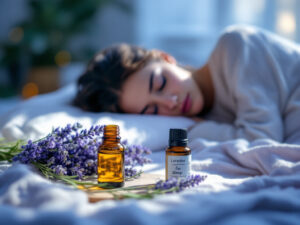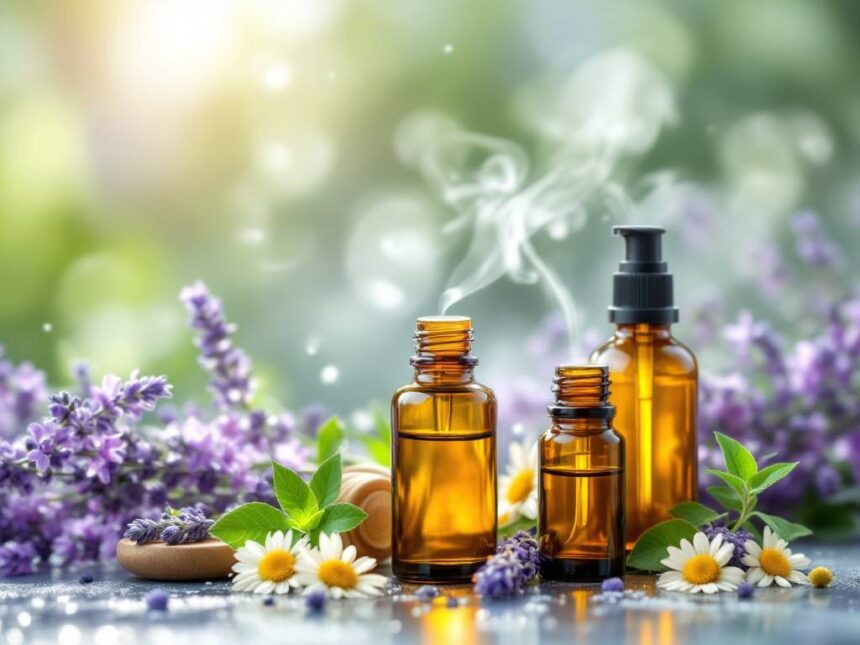
Aromatherapy with essential oils for stress relief can be a gentle way to wind down at the end of a long day. If you are new to oils or you have kids, pets, or sensitivities at home, it can be hard to know where to start and what is actually safe.
This guide walks you through the best essential oils for stress relief, what the research says, and simple, low-risk ways to use them. You will also find clear safety tips so you can enjoy the benefits without worrying about overdoing it.
Before you begin, remember that essential oils are a supportive tool. They should not replace medical care, especially if you are dealing with ongoing anxiety, depression, or a health condition. If that sounds like you, talk with your doctor first.
Why essential oils can help with stress
Aromatherapy, or the use of essential oils to support well-being, has been practiced for centuries and is now more accepted in mainstream medicine as a complementary approach for managing anxiety and stress.
When you inhale an essential oil, tiny aromatic molecules travel through your nose to the part of your brain that regulates emotion. This can trigger hormone release, nervous system changes, and shifts in how you feel. Research reviews suggest aromatherapy can:
- Reduce anxiety before medical procedures
- Improve mood and sleep quality
- Support a general sense of calm, especially when used with other therapies
At the same time, evidence is mixed and often based on small studies. One carefully designed trial, for example, found no specific stress-reducing effect from lavender itself compared with control scents. Instead, people who were told aromatherapy was powerful did better on a stress test, no matter which scent they inhaled.
So, essential oils for stress relief likely work through a mix of:
- Real sensory effects
- Your personal scent preferences
- Your expectations and relaxation rituals around using them
That is not a bad thing. It just means you get the best results when you combine oils with healthy habits like breathing exercises, good sleep, and movement.
Quick-start guide if you are new to essential oils
If this is your first time buying essential oils for stress relief, keep your starter kit simple and safety-focused.
Choose 1 to 3 beginner-friendly oils
For most people, a small stress relief set might include:
- Lavender for all-purpose calm and sleep
- Sweet orange or bergamot for an uplifting mood boost
- Roman chamomile if you struggle with winding down in the evening
You can always explore more specific options later or branch into topics like essential oils for relaxation and essential oils for aromatherapy.
Decide how you want to use them
If you are new and have a “safety first” household, start with low-exposure methods:
- Short diffuser sessions, 15 to 30 minutes at a time
- Personal inhaler sticks
- A diluted roll on for your wrists and chest
Leave baths, massage blends, and room sprays for later, once you understand your own reactions. When you are ready, you can explore more ideas in this guide to how to use essential oils.
Follow a simple dilution rule
For most adults, a 1 to 2 percent dilution is plenty for topical use:
- 1 percent: 1 drop essential oil per teaspoon (5 ml) of carrier oil
- 2 percent: 2 drops per teaspoon
Sensitive skin, children, and older adults usually need weaker formulas. You can review more detailed ratios in how to dilute essential oils.
Best calming essential oils and what research says
Below you will find the top essential oils for stress relief, what they are best for, and how to use them safely. The goal is to give you realistic expectations, not miracle claims.
1. Lavender: The classic for calm and sleep
Lavender is the first oil many people reach for when they feel tense or overwhelmed. It shows up again and again in research on aromatherapy and anxiety.
- A 2013 study found that a 3 percent lavender spray on clothing helped reduce workplace stress.
- Reviews of aromatherapy studies report that lavender is one of the most commonly used oils to reduce anxiety before medical procedures and to improve sleep quality in hospital settings, including intensive care units.
Other research has found that lavender aromatherapy performed similarly to placebo scents when tested with rigorous brain measurements, which suggests that your beliefs and relaxation routine also matter a lot.
Best for:
- Everyday stress and “wired but tired” evenings
- Bedtime rituals
- Pairing with deep breathing or meditation
How to use it
- Add 3 to 6 drops to a diffuser in a well ventilated room and run for 15 to 30 minutes.
- Make a 1 percent roll on blend for wrists or the back of your neck before bed.
- Add a drop to a personal inhaler and keep it in your bag for rushed days.
If sleep is your main concern, you may want to explore more options in the best essential oils for sleep.
Safety notes
Lavender is generally gentle, but:
- Always dilute before applying to skin.
- Patch test if you have sensitive or reactive skin.
- Avoid using heavily around infants unless advised by a practitioner.
2. Chamomile: Soothing and slightly sedating
Roman or German chamomile essential oil has a soft, apple like aroma that many people associate with bedtime tea. It is known for its mild sedative and calming properties.
In a 2017 study, 58.1 percent of people with moderate to severe generalized anxiety disorder experienced reduced symptoms after eight weeks of chamomile treatment. That study looked at oral extracts, not essential oil, but it supports chamomile’s reputation as a calming herb.
Best for:
- Evening stress and mental overactivity
- Pairing with lavender in a sleepy-time blend
- Those who prefer a gentle, herbal scent over florals
How to use it
- Diffuse 2 drops chamomile with 3 drops lavender in the bedroom before bed.
- Add 1 drop to a teaspoon of carrier oil for a relaxing hand or foot massage.
- Use a very weak dilution, around 0.5 to 1 percent, in a bath oil blend if your skin tolerates it. You can learn more about safe soaking routines in essential oils for bathing.
Safety notes
- Chamomile is related to ragweed. If you have ragweed allergies, go slowly or avoid it.
- Always dilute, especially for children or older adults.
- Skip it and talk to your provider if you are pregnant unless your doctor or midwife approves it.
3. Bergamot: Bright, citrusy mood lift
Bergamot essential oil has a sunny, citrus scent that feels uplifting and fresh. It is often used in stress blends to bring a sense of lightness and optimism.
A 2017 study found that diffusing bergamot in a waiting room for 15 minutes improved positive feelings in people waiting for mental health treatment. This is a small study, but it matches what many people notice in daily life.
Best for:
- Afternoon slumps and low moods
- Stress at work or while studying
- Those who dislike heavy floral scents
How to use it
- Diffuse 3 drops bergamot with 2 drops lavender for a balanced bright calm.
- Add 1 drop to a personal inhaler for a quick reset between tasks.
- Blend 2 drops into a tablespoon of unscented lotion for an after work “transition” routine.
Safety notes
Bergamot is photosensitive. It can make your skin more likely to burn in the sun if used topically. To stay safe:
- Always dilute well.
- Avoid direct sun exposure on that area for at least 12 to 24 hours after use.
- If you want a citrus note but spend time outdoors, consider diffusing instead of applying to skin.
4. Clary sage: Grounding support for hormone related stress
Clary sage has a warm, herbal, slightly nutty aroma. It is often used for stress related to hormonal shifts, such as PMS or menopause.
In a 2014 study of menopausal women, inhaling clary sage essential oil decreased cortisol, which is a primary stress hormone, and had an antidepressant like effect.
Best for:
- Mood swings and irritability tied to your cycle
- Menopause related tension
- Those who enjoy deeper, more earthy scents
How to use it
- Diffuse 2 drops clary sage with 3 drops orange during the day for emotional balance.
- Dilute 2 drops in a tablespoon of carrier oil for a lower back or abdominal massage around your period.
- Combine with lavender for a more floral, relaxing profile.
Safety notes
- Avoid using clary sage in very high amounts if you drink alcohol at the same time.
- Talk with your doctor or midwife before use if you are pregnant.
- As always, dilute before touching your skin.
5. Geranium: Balancing and emotionally comforting
Geranium essential oil has a strong, sweet, rose like scent. It is often used in mood balancing blends, especially for people who feel emotionally up and down.
Some aromatherapy research highlights geranium as one of the oils that can ease stress and provide a calming effect through its action on the brain’s emotional centers.
Best for:
- Emotional roller coaster days
- Those who like floral, perfume style scents
- Adding a comforting note to otherwise sharp blends
How to use it
- Diffuse 2 drops geranium with 2 drops bergamot and 1 drop lavender.
- Make a 1 percent dilution in a face or neck oil if your skin tolerates florals.
- Add a drop to a cotton pad and tuck it into your shirt pocket for a subtle surround scent.
Safety notes
- Some people find geranium irritating on sensitive skin, so patch test before broader use.
- The scent is strong, so start with very small amounts.
6. Sweet orange: Gentle uplift for the whole family
Sweet orange essential oil smells like freshly peeled oranges. It is simple, cheerful, and tends to be well liked by adults and kids.
Orange is one of the most commonly used citrus oils in aromatherapy trials that look at stress before procedures and mood support. It often appears in blends that help lower anxiety and improve emotional well-being.
Best for:
- Family friendly stress relief
- Midday mood boost without sedation
- Pairing with spices for a cozy, comforting blend
How to use it
- Diffuse 3 drops orange with 2 drops lavender for a soft, happy calm.
- Add 1 drop to a tablespoon of carrier oil for a quick hand massage during breaks.
- Use very small amounts in laundry projects once you know no one is sensitive. You can explore more ideas in essential oils for laundry.
Safety notes
- Some citrus oils can be mildly photosensitive, although sweet orange is less so than bergamot. When in doubt, keep it to indoor diffuser use or dilute well and avoid strong sun.
- Orange oils can oxidize and irritate skin as they age, so replace old bottles, usually after about three years, and keep them away from kids.
7. “Worry free” style blends: Ready made calm
If you prefer not to mix your own, you can look for pre made “stress relief” or “worry free” blends that combine several calming oils. Companies like Plant Therapy offer blends with lavender, bergamot, chamomile, and more, in both undiluted and pre diluted roll on formats.
These blends are designed to be easy for beginners. A roll on, for example, lets you apply a safe dilution directly to pulse points during a stressful moment, without any measuring.
Best for:
- Beginners who want a grab and go option
- People who like more complex, layered scents
- Keeping one item in a bag, desk, or nightstand
Safety notes
- Always check the ingredient list to make sure it does not contain oils you are sensitive to.
- Follow the label instructions for age restrictions, pregnancy considerations, and dilution.
- If someone in your home has asthma or chronic lung issues, talk to their healthcare provider before diffusing and keep the room very well ventilated.
How to use essential oils for stress without overdoing it
Essential oils are very concentrated plant extracts. Even when you are using them for stress relief, more is not better. Thoughtful routines can be both safer and more effective.
Keep diffuser sessions short and gentle
Research on essential oils and respiratory health suggests that inhaling essential oils for more than one hour every day may be associated with increased heart rate, blood pressure, and reduced lung function in some people. Essential oils also release volatile organic compounds (VOCs), which can irritate the nose, throat, and lungs, especially if you have asthma or COPD.
To stay on the safe side:
- Run diffusers for 15 to 30 minutes, then turn them off and let the room air out.
- Use fewer drops than you think you need, often 3 to 6 drops total is enough.
- Do not diffuse all day long or overnight.
If you live with respiratory conditions, the American Lung Association does not recommend essential oils as a treatment for asthma or COPD because evidence of anti-inflammatory benefits is limited and there are potential risks of irritation. Clean indoor air and your prescribed treatments are more important.
Practice smart topical use
When you apply essential oils to your skin, always:
- Dilute in a carrier oil, cream, or gel.
- Use 1 to 2 percent dilution for most adults and lower for sensitive groups.
- Avoid applying oils directly under your nose where the skin is delicate.
If you enjoy massage, essential oils for massage can help you design relaxing blends that are still gentle. For stress relief plus physical ease, you might also explore essential oils for pain relief or essential oils for muscle pain.
Remember that some oils, like peppermint or eucalyptus, can interfere with medication absorption, especially in children, so ask your doctor before using them if you or a family member takes prescription drugs.
Store and handle your oils safely
Because essential oils are potent:
- Keep bottles tightly capped and stored away from children and pets.
- Discard oils that are more than three years old since they can oxidize and irritate skin.
- Never ingest essential oils unless you are working directly with a qualified healthcare professional.
If your household is very health conscious, you may want to learn more about quality and purity in therapeutic grade essential oils and broader essential oils benefits.
Sample daily routines for calm
To help you see how all of this fits together, here are two simple, low risk routines that use essential oils for stress relief.
Use these as templates, not strict rules. Always adjust the number of drops or frequency to match your own comfort level.
| Time of day | What you do | Example oil(s) | Notes |
|---|---|---|---|
| Morning | 10 minute “centering” diffuser session while you get ready | 3 drops orange, 2 drops lavender | Turn diffuser off before leaving the room |
| Midday | 5 slow breaths with a personal inhaler | Lavender or bergamot | Use during work breaks or school pick up time |
| Evening | 1 percent roll on blend to wrists and chest, plus gentle stretch | Lavender and chamomile | Helps your body and mind switch into “rest” mode |
| Bedtime | 10 minute bedroom diffusion while you read, then off | 2 drops lavender, 1 drop geranium | Keep the room ventilated, do not run all night |
If you find that you enjoy building routines like this, you can explore more mix and match ideas in essential oils diffuser blends and essential oils recipes.
When to be extra cautious or skip essential oils
Essential oils for stress relief are not right for everyone. You should speak with a doctor or skip them entirely if:
- You or your child have asthma, COPD, or another lung disease
- You are pregnant, trying to conceive, or breastfeeding
- You use multiple prescription medications, especially for heart, lung, or mental health conditions
- You have a history of severe allergies or skin reactions
Medical professionals generally suggest using aromatherapy as a complementary tool, not a replacement for therapy, medication, or other treatments when needed. Persistent anxiety, panic attacks, and depression deserve a proper medical evaluation.
For mental health support, consider pairing a small aromatherapy ritual with other care, such as counseling, light exercise, and good sleep habits. For more targeted emotional support, you can also read about essential oils for anxiety.
Putting it all together
Here is a quick way to decide your next step:
- If you want one oil to try tonight, start with lavender.
- If you want a small trio, choose lavender, sweet orange, and chamomile.
- If you prefer ready made blends, look for a reputable “stress relief” or “worry free” roll on with clear safety directions.
Use them in short, intentional moments, like:
- A 10 minute diffuser break after work
- One minute of deep breathing with a personal inhaler
- A lightly scented roll on as part of your bedtime routine
Essential oils for stress relief can be a simple, pleasant way to create tiny pockets of calm in your day. Start small, listen to your body, and build only the routines that genuinely help you feel more at ease.
FAQs
Are essential oils proven to treat anxiety or depression?
They’re best viewed as supportive self-care, not a replacement for medical treatment. Evidence suggests benefits for anxiety in some contexts, but results vary and studies can be small.
What’s the safest way to use essential oils for stress relief at home?
Start with short diffuser sessions (15–30 minutes) in a ventilated room or use a personal inhaler. Avoid “all day” diffusion.
What dilution is best for a stress-relief roll-on?
Most adults do well with 1–2% for daily use; sensitive skin often needs less. Use established dilution guidance (and patch test).
Is bergamot safe on the skin?
It can be phototoxic depending on chemistry and processing. If used topically, keep concentration within safe limits and avoid sun exposure on that area. Diffusion is a safer option.
Can I diffuse oils if someone has asthma or COPD?
Use caution and consult a healthcare professional. Respiratory irritation can happen, especially in sensitive people or poorly ventilated rooms.
How long should essential oils last before they go “off”?
Many citrus oils oxidize faster; old oils can irritate skin more easily. Store tightly capped, cool, and away from light; replace questionable bottles.