
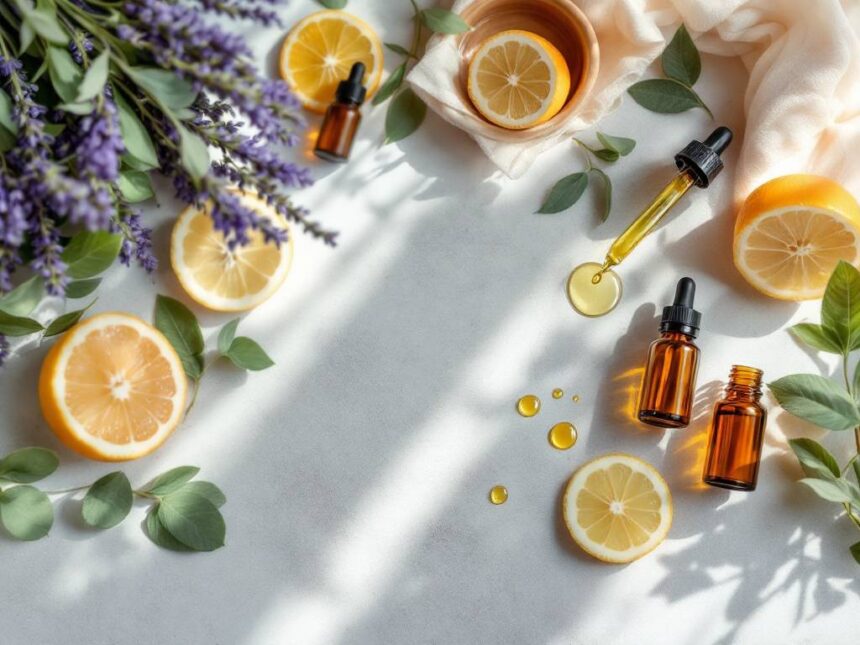
A little essential oil can go a long way. When you are learning how to use essential oils, the key is to start small, keep things simple, and focus on safety. This guide walks you through practical, beginner friendly ways to enjoy aromatherapy at home without guessing about drops, ratios, or routines.
Understand what essential oils are
Essential oils are highly concentrated plant extracts. They are usually obtained by steam distilling or pressing parts of plants such as flowers, bark, stems, leaves, seeds, roots, or rinds. Each oil has its own aroma and potential benefits for mood, skin, or general well being as of October 2023.
Because they are so concentrated, a single bottle often contains the equivalent of pounds of plant material. That is why a few drops are usually enough, and why safety matters.
People have used essential oils for thousands of years for things like stress relief, sleep support, skin care, and even digestion support as of October 2023. Today you will often see them used in:
- Diffusers for essential oils for aromatherapy
- Roll ons or massage blends for targeted comfort
- DIY cleaners and linen sprays
- Simple skin care or hair care recipes
If you are new, think of essential oils as powerful ingredients, not everyday fragrances. You will get better results and fewer reactions if you treat them with respect.
Choose safe starter oils
Before you decide how to use essential oils, it helps to choose a few versatile options. You do not need a big collection to get started. One to three high quality oils are enough.
Beginner friendly oils
Using the research above, here are gentle, multipurpose choices many beginners enjoy:
- Lavender (Lavandula angustifolia)
Helpful for promoting restful sleep, soothing skin, and even acting as a light insect repellent. It often appears in essential oils for relaxation and best essential oils for sleep. - Orange sweet (Citrus sinensis)
A bright, citrusy scent that can encourage feelings of positivity and confidence. It may also support digestion, reduce minor aches, and discourage germs, which makes it useful in room sprays or cleaning blends. - Peppermint (Mentha x piperita)
Invigorating and cooling. It can promote alertness and energy, support digestion, soothe minor aches, and offer respiratory benefits. Many people use it in essential oils for headaches and essential oils for nausea. - Tea tree (Melaleuca alternifolia)
Known for its germ fighting properties. It is often used to disinfect surfaces and to support minor skin issues, including some essential oils for acne and essential oils for insect bites recipes. - Eucalyptus globulus
Rich in 1,8 cineole, this oil is often used to clear the mind, increase energy, purify air during illness, and reduce germs in the air. It frequently appears in respiratory blends and steam inhalations.
If you have children, pets, asthma, or sensitive skin, check every oil for age guidelines and pet safety before use. Extra caution is especially important with peppermint, eucalyptus, and tea tree around young children and animals because some essential oils can be toxic or trigger breathing issues when overused.
Look for quality and transparency
Not all essential oils are equal. To use essential oils safely, choose brands that are clear about:
- The botanical name of the plant
- Where and how it was grown
- How the oil was extracted
- Third party testing for purity, such as GC/MS reports
For example, some brands provide independent GC/MS reports so you can confirm the species and purity of the oil as of October 2023. Transparency like this supports what many people call therapeutic grade essential oils, even though that specific term is not a regulated standard.
Learn the three main ways to use essential oils
There are many creative recipes, but almost every method falls into three basic categories. If you understand these, you will have a solid foundation in how to use essential oils day to day.
1. Inhalation and diffusion
Inhalation is often the simplest and safest way to enjoy essential oils, especially if you are new. You can do this by:
- Using a cool mist diffuser
- Inhaling from a tissue or cotton ball
- Taking a brief steam inhalation over a bowl of warm water (eyes closed)
Diffusing is one of the most popular options. A diffuser disperses tiny oil particles into the air, which you then breathe in. This can quickly stimulate your central nervous system and may help reduce anxiety and stress, especially with calming oils like lavender, orange, or gentle blends for essential oils for stress relief.
Follow the directions on your diffuser for the oil to water ratio, and avoid touching undiluted oils when you add them.
The Tisserand Institute recommends intermittent diffusion, typically 30 to 60 minutes on, then 30 to 60 minutes off, rather than running a diffuser all day. This allows fresh air exchange, helps reduce the chance of respiratory irritation, and prevents your nose from tuning out the scent.
2. Topical use on skin
You can apply essential oils to your skin, but you almost always need to dilute them first. Undiluted essential oils are too strong and are a leading cause of skin reactions in hundreds or thousands of people per year according to safety guidelines from the Tisserand Institute (2015 to 2026).
To use essential oils topically:
- Combine a small amount of essential oil with a carrier, such as vegetable oils, creams, or bath gels.
- Aim for a 1 to 5 percent dilution. That means 1 to 5 drops of essential oil per teaspoon of carrier oil. The higher the percentage, the greater the risk of reaction. For everyday use, many people stay at or under 1 percent.
- Apply a small amount to intact skin only, never to damaged, inflamed, or broken skin.
Carriers can include massage and skin care oils, body lotions, face creams, or foot scrubs. Anything with a fatty component helps protect your skin and slows absorption.
You can use topical blends for:
- Simple essential oils for massage
- DIY roll ons for tension, such as essential oils for muscle pain
- Targeted blends that may support essential oils for inflammation, essential oils for arthritis, or essential oils for pain relief
Always research specific oils before using them on sensitive areas, and check the maximum safe dilution for each oil.
3. Baths and bathing products
Adding oils to baths can be very relaxing, but there is an important catch. Essential oils do not dissolve in water. If you drip them directly into the tub, they float on the surface and can stick to your skin in concentrated patches, especially with warm water. This can lead to stinging, redness, or even burns.
Safety guidelines recommend fully dispersing essential oils in an appropriate base before adding them to the bath. Suitable options include:
- A fragrance free bath gel or shower gel
- A carrier oil or bath oil that you carefully swirl into the water
- A dispersing base specifically made for bath use
Simple additives like Epsom salts or regular milk do not effectively disperse oils. So do not rely on those alone.
If you love the idea of essential oils for bathing, start with a very low dilution, such as 3 to 6 drops of essential oil mixed into a tablespoon of bath base for a full tub. Always get out of the tub carefully, because carrier oils can make surfaces slippery.
Follow essential oil safety basics
When you are learning how to use essential oils, safety is your most important skill. Responsible use helps you enjoy benefits without unwanted side effects.
Dilution: your number one rule
Dilution is the process of making an essential oil less concentrated by adding it to a carrier or base. This:
- Reduces the risk of irritation and allergies
- Slows absorption into your skin
- Helps each drop go further so you waste less oil
A generally safe dilution for everyday body use is about 1 percent. For reference, 6 drops of essential oil in 1 ounce of carrier oil is roughly a 1 percent dilution.
Some companies even provide an essential oil dilution calculator along with topical application guidelines as of 2024, plus downloadable PDFs that explain how to dilute essential oils for safe skin use. Resources like this can help you double check your math and compare suggested dilutions for different body areas.
If you want to go deeper into ratios and specific skin concerns, you can learn more in guides like how to dilute essential oils and essential oils for skin care.
Patch test before regular use
Before you commit to a new oil or blend on a larger area:
- Dilute the essential oil as you plan to use it.
- Apply a small amount to an area like your inner forearm.
- Wait at least 24 hours and watch for redness, bumps, itching, or heat.
If you notice any reaction, wash the area with mild soap and discontinue that oil. Patch testing is especially important if you have eczema, psoriasis, or generally reactive skin. For specific conditions, you can also look at guides to essential oils for eczema or essential oils for psoriasis and discuss options with a dermatologist.
Avoid damaged or sensitive areas
Injured or inflamed skin absorbs more essential oil, which increases the risk of harmful reactions. Never apply essential oils, even diluted, to:
- Broken or peeling skin
- Open wounds
- Mucous membranes such as eyes, inside the nose, or the private areas
Safety guidance is clear that you should never drip undiluted essential oils into your eyes or ears because this can cause chemical burns or damage. Diluted oils may sometimes be used near, but not in, these areas, for example on a cotton wad partially inserted in the outer ear, but if you are not working with a professional, it is better to stay on the cautious side.
Use small amounts, not constant exposure
Integrative medicine specialists note that essential oils should be used sparingly, typically just a few drops at a time, and not all day every day. Overuse can lead your body to adapt so they feel less effective. It may also increase your chance of irritation or sensitization over time.
A simple guideline is to:
- Rotate blends, especially if you use them on your skin
- Take breaks from daily use
- Keep diffusion sessions short and intermittent
Safe storage and kids or pets
Because essential oils are so concentrated, they should be stored:
- In tightly closed bottles
- In a cool, dark place
- Out of reach of children and pets
Accidental ingestion can cause serious health problems, including poisoning. Extra caution is crucial in households with children, pregnant people, older adults, people with weakened immune systems, and animals. Some oils, such as tea tree and eucalyptus, can be toxic if ingested and may affect the liver, nervous system, or cause seizures when overused.
If a child or pet swallows essential oil, contact poison control or a veterinarian immediately rather than waiting for symptoms.
Know when not to ingest essential oils
You may see advice online about putting essential oils in water or under your tongue. Based on current guidance, this is usually not recommended unless you are under the care of a trained professional.
Why ingestion is risky
Research shows that essential oils are not soluble in water, so they do not properly dilute just because you add them to a glass or bottle. The same number of drops still carries the same strength. For example, one drop of peppermint essential oil is roughly equal to about 26 cups of peppermint tea in terms of plant material concentration as of 2020.
Because they are so strong, ingesting essential oils can:
- Burn or irritate the lining of your mouth and digestive tract
- Lead to poisoning or neurological symptoms
- Stress your liver or other organs
Even when the Food and Drug Administration recognizes certain essential oils as “generally recognized as safe” for use in food, that applies to very specific, controlled uses. It does not mean you should consume essential oils neat or add them casually to drinks. Some oils like tea tree and eucalyptus are unsafe to ingest under any circumstances, even in small amounts.
Experts generally advise against oral ingestion of essential oils unless guided by a qualified practitioner who understands correct dilutions, interactions, and your medical history. If you are looking for digestive support, it is usually safer to work with teas, culinary herbs, or formulated products that have safety data.
Try simple ways to use essential oils daily
With the basics in place, you can start to bring oils into your day in low effort, low risk ways. Here are a few ideas to explore.
Create a calm corner at home
Set up a small diffuser with a gentle blend for relaxation. For evening wind down, you might try:
- 2 drops lavender
- 2 drops orange sweet
- 1 drop cedarwood or another soft grounding oil
Run your diffuser for 30 minutes while you read or stretch. To explore more blend ideas, look at essential oils diffuser blends and essential oils for relaxation.
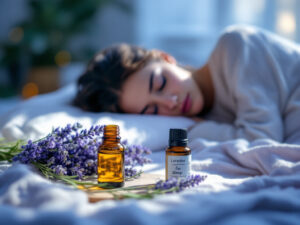
Support sleep at night
Many people reach for best essential oils for sleep, such as lavender or certain citrus oils. You can use these by:
- Diffusing 30 minutes before bed, then turning it off
- Dabbing a very small amount of a 1 percent diluted blend on your wrists or shoulders
- Spritzing a light linen spray on your pillow, using a water and alcohol base mixed with a few drops of essential oil
Keep your routine simple and consistent so your body starts to associate the scent with winding down.
Make targeted roll ons
Roll on bottles are handy for on the go use. You can customize them for:
- Head tension or essential oils for headaches
- Nausea support, such as essential oils for nausea
- Focus and alertness at work
To make a basic 1 percent roll on in a 10 milliliter bottle:
- Add 2 drops of essential oil in total.
- Fill the rest of the bottle with a carrier oil like jojoba or fractionated coconut.
- Snap on the roller top and shake gently.
Use on pulse points, avoiding the face. If you are working with stronger oils like peppermint, keep the dilution on the lower side.
Freshen your laundry and home
If you are curious about essential oils for laundry or essential oils for cleaning, start small.
- For laundry, add a few drops of oil to a wool dryer ball instead of directly to fabrics. This keeps the oil more dilute and avoids staining.
- For cleaning sprays, always combine essential oils with a proper base like vinegar and water, plus a small amount of mild detergent or alcohol to help disperse the oils.
Stick with oils that are generally recognized as safer around most households, like lemon or orange, and keep all cleaning blends away from kids and pets.
Pay attention to specific concerns
Once you are comfortable with the basics of how to use essential oils, you can explore more targeted topics. Here are a few areas where essential oils often come up, along with safety notes.
Skin and hair support
Essential oils can play a role in skin and hair routines when they are diluted and used thoughtfully. Popular topics include:
- Essential oils for hair growth
- Essential oils for acne
- Essential oils for skin care
- Essential oils for cold sores
Because skin on your face and scalp can be sensitive, stick with low dilutions and patch test carefully. Some oils are phototoxic, which means they can increase your risk of sunburn when applied to skin that will see sunlight. Always check safety profiles for each oil.
Pain, inflammation, and joints
Many people reach for essential oils to support minor aches and tension. You will find blends aimed at:
- Essential oils for muscle pain
- Essential oils for pain relief
- Essential oils for arthritis
- Essential oils for inflammation
These are usually diluted into massage oils or creams. To stay on the safe side, limit use to localized areas, take breaks, and talk with your health care provider if you have chronic pain, are pregnant, or take medication.
Mood, anxiety, and stress
Aromatherapy may help some people feel calmer or more focused. To explore this area, look at:
- Essential oils for anxiety
- Essential oils benefits in general
- Essential oils for stress relief
Inhalation methods are usually preferred for mood support because they act quickly and do not require skin contact. Again, short diffusion intervals and small amounts are usually enough.
Allergies, bites, and bugs
You might also see essential oils mentioned for seasonal sniffles or outdoor annoyances:
- Essential oils for allergies
- Essential oils for insect bites
- Essential oils for mosquito repellent
With these topics, it is especially important not to apply essential oils directly to broken skin and to keep them away from eyes. Use plenty of carrier oil and be alert for any signs of irritation or worsening symptoms.
Use recipes and tools wisely
Once you are familiar with safe methods, you can start exploring more detailed essential oils recipes. When you do, keep these guidelines in mind:
- Check that the total dilution is appropriate for the body area and age group.
- Avoid recipes that call for undiluted application to skin or for adding essential oils directly to water for drinking.
- Adjust recipes downward in strength if you have sensitive skin or a history of allergies.
Some companies, such as NOW Foods, emphasize that their essential oils should never be ingested and that users should consult professional references or licensed practitioners for dilution ratios before use, according to their 2024 topical application guide. They also highlight that you can combine essential oils with your own skin care or carrier oils to create personalized products at a lower cost, as long as you follow safe dilution practices.
If math is not your favorite subject, use a dilution calculator or downloadable reference chart when you are measuring drops. This turns guesswork into a clear, repeatable process.
A practical baseline for many adults is about 6 drops of essential oil per ounce of carrier for a 1 percent dilution. You can go lower for daily use or sensitive areas and reserve higher dilutions for short term, localized applications.
Put it all together
Here is a quick overview to help you remember how to use essential oils safely and effectively:
| Goal | Best method for beginners | Key safety point |
|---|---|---|
| Relaxation and sleep | Intermittent diffusion or light pillow mist | Turn diffuser off after 30 to 60 minutes and avoid soaking linens in undiluted oil |
| Everyday mood boost | Inhalation from tissue or low strength roll on | Use small amounts and rotate blends to avoid overuse |
| Minor aches and tension | Diluted massage oil or roll on | Stay at or around 1 percent dilution, do not use on broken skin |
| Bath time relaxation | Oils dispersed in bath base at low dilution | Never add essential oils directly to bath water |
| Cleaning and freshening | Diluted sprays or dryer balls | Keep all blends away from kids and pets, and avoid direct skin contact |
Next steps
You do not need to master everything at once. Pick one area that fits your life right now, such as creating a simple evening diffuser blend or mixing a basic 1 percent roll on. Use it for a week and notice how you feel.
When you are ready to explore more, you can dive into focused guides like essential oils for aromatherapy, essential oils for massage, or essential oils for bathing. With clear safety habits and a few trusted oils, you can build a home routine that feels supportive, simple, and sustainable.
FAQs
Are essential oils safe to use every day?
They can be, but “more” isn’t better. Use small amounts, rotate blends, and diffuse intermittently to reduce irritation risk.
What’s the safest way to use essential oils for beginners?
Inhalation/diffusion is usually the easiest starting point, followed by properly diluted topical use.
How do I dilute essential oils for skin?
A beginner-friendly rule is 1 drop per teaspoon (5 mL) carrier oil = ~1%. Patch test first.
Can I put essential oils directly in bath water?
No—essential oils don’t dissolve in water and can sit on the surface in concentrated patches. Use a dispersing base.
Is it safe to ingest essential oils in water or tea?
Generally, no. Trusted medical sources warn against drinking essential oils or adding drops to beverages.
Are essential oils safe around pets?
Use extra caution—some oils and diffusion exposure can harm pets. Avoid applying oils to pets and consult a vet if unsure.
Which essential oils can cause sun sensitivity?
Some expressed citrus oils can be phototoxic on skin (sun sensitivity risk). Check the safety profile before daytime use.
How can I check essential oil quality?
Look for botanical names, sourcing, and batch testing (often GC/MS) when available. Also beware marketing terms like “therapeutic grade.”






)