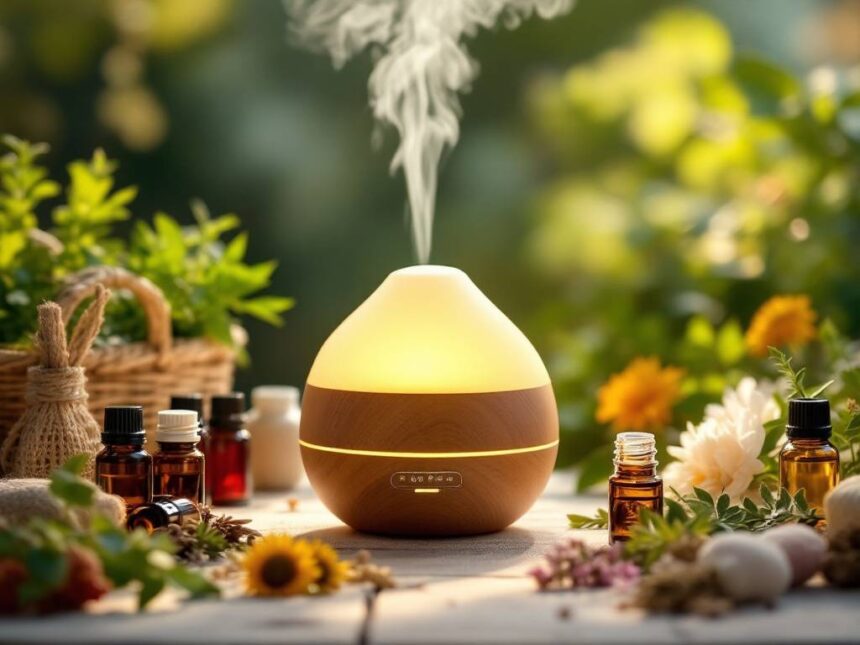
Essential oils diffuser blends can be wonderfully simple, even if you are just getting started. With a few gentle, multi purpose oils and clear safety rules, you can enjoy relaxing scents without worrying about kids, pets, or sensitive airways.
This guide walks you through beginner friendly essential oils diffuser blends, what to buy first, and how to use your diffuser safely.
Start with just a few beginner oils
You do not need a huge collection to create effective essential oils diffuser blends. Three to six carefully chosen oils can cover most everyday needs.
Core starter oils
These are versatile, widely used, and generally well tolerated when diffused:
- Lavender
- Sweet orange or wild orange
- Lemon
- Peppermint
- Eucalyptus
- Frankincense or cedarwood
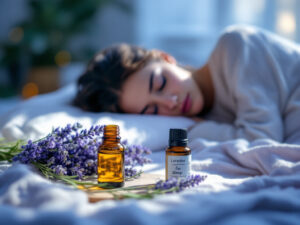
Lavender is especially useful for stress, tension, and sleep support, and it is one of the most popular diffuser oils for relaxation and rest. Citrus oils like orange and lemon brighten the mood, while peppermint and eucalyptus can support clear breathing during cold season when used correctly and in small amounts.
If you prefer to buy a ready made blend, many brands offer sleep or calm formulas. For example, a sleep blend called Dream by Maple Holistics combines lavender, clary sage, Roman chamomile, and ylang ylang to support bedtime when used in a diffuser or for aromatherapy.
As you get more comfortable, you can explore specific applications like essential oils for headaches, essential oils for anxiety, or essential oils for hair growth.
Learn the basics of safe diffusing
Before you use any essential oils diffuser blends, it helps to understand a few ground rules so you can keep your routines safe and gentle.
Choose the right type of diffuser
Cold air or ultrasonic diffusers are usually recommended for everyday home use. They mix a few drops of oil with water and turn it into a cool mist. This method helps preserve the beneficial properties of oils, compared with candle warmers or heat based diffusers that can damage the oils or change their scent.
Keep your diffusion light and on a timer
Most experts suggest:
- Start with 3 to 6 drops total in a typical 150 to 300 ml diffuser
- Run your diffuser for 20 to 30 minutes, then turn it off for at least 10 minutes
- Increase or decrease drops based on room size and your sensitivity
If you are using a pre made blend like the Dream Sleep Essential Oil Blend, directions often recommend 9 to 12 drops in a 300 ml diffuser for a focused aromatherapy session.
Short intervals and small amounts help prevent your body from becoming desensitized and reduce the chance of headaches or irritation.
Safety tips for kids, pets, and sensitivities
If you have children, pets, asthma, or allergies in the household, be especially cautious:
- Diffuse in an open, well ventilated room, not a closed small space
- Never point the diffuser mist directly at faces or pet beds
- Avoid using strong oils like peppermint or eucalyptus around very young children unless your healthcare provider clears it
- Turn the diffuser off if anyone in the room develops coughing, headache, or irritation
Some oils, including sage or oud, can be problematic for certain pets, so avoid diffusing them around animals unless you have professional guidance. Always keep essential oils where kids and pets cannot reach them.
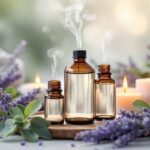
If you are new to oils in general, you can learn more about safe usage in this guide on how to use essential oils and how to dilute essential oils.
Understand simple blending basics
You do not need to be a perfumer to create pleasant essential oils diffuser blends. A few simple ideas can help you build balanced scents.
Blend by purpose
The easiest way to start is to choose oils based on what you want your blend to do:
- Energizing: rosemary, clary sage, bergamot, lemongrass, eucalyptus, peppermint
- Calming: lavender, geranium, mandarin, bergamot, ylang ylang
- Detoxifying: juniper, grapefruit
- Grounding: sandalwood, frankincense, cedarwood, patchouli
Blending by purpose is a straightforward strategy recommended by several aromatherapy guides, including New Directions Aromatics and Nikura, for intuitive results that match your goals.
Blend by scent family
You can also group oils by how they smell:
- Floral: lavender, jasmine, tuberose, orange blossom, gardenia
- Citrus: lemon, orange, bergamot, grapefruit
- Spice: cinnamon, clove, cardamom
- Woody: sandalwood, cedarwood, frankincense, oud
- Herbaceous: rosemary, eucalyptus, sage
Floral notes tend to be relaxing and uplifting, citrus is fresh and reviving, woody oils feel grounding, and herbaceous oils are often clarifying and balancing.
Keeping blends within one or two families at a time usually gives you a smoother scent.
Use a simple note structure
If you want a bit more structure, you can think in terms of:
- Top notes: light and bright, evaporate quickly, for example bergamot or lemon
- Middle notes: the heart of the blend, such as lavender or eucalyptus
- Base notes: heavier scents that last longest, like sandalwood or frankincense
A basic beginner formula suggested by New Directions Aromatics is:
1 drop base note + 3 drops middle note + 1 drop top note
You can test combinations first by placing one drop of each oil on a cotton ball or scent strip, smelling them together, and adjusting as needed before you commit to diffusing.
Beginner blends for everyday moods
Now for the fun part. Here are beginner friendly essential oils diffuser blends that use widely available oils and stick to gentle, low risk combinations.
For each blend, start with a total of 4 to 6 drops in a medium diffuser. You can add one extra drop if the scent feels too light for your space.
1. Calm evening wind-down
A soft, cozy blend to help you shift from busy days to a slower evening.
- 3 drops lavender
- 2 drops sweet orange
- 1 drop cedarwood or frankincense
Lavender can ease tension and support relaxation, while orange lifts your mood and cedarwood or frankincense adds a grounded base. Many sleep focused blends rely on this type of combination because lavender and grounding woods pair well for nighttime routines.
If you want more targeted bedtime support, you can also explore the best single oils and recipes in this guide to the best essential oils for sleep.
2. Simple stress relief
Use this blend on tough days when you want to soften anxious thoughts without a heavy, perfumey scent.
- 3 drops lavender
- 2 drops bergamot
- 1 drop frankincense
Bergamot is often described as adaptogenic, which means it can feel uplifting or calming depending on what your body needs. Paired with lavender and frankincense, it creates a relaxing space that still feels bright. AromaWeb highlights similar combinations for relaxing the mind and easing stress before bed.
For more ideas in this area, you can browse options in essential oils for stress relief or essential oils for relaxation.
3. Morning focus and clarity
If you want a gentle pick me up without another cup of coffee, try this fresh blend.
- 2 drops lemon
- 2 drops peppermint
- 1 to 2 drops rosemary
Lemon and peppermint can help you feel more alert, and rosemary is traditionally used for mental clarity. Lemon has also been studied for possible benefits to cognitive function in specific groups when used in aromatherapy. Keep the total number of drops modest to avoid overwhelming the room.
If you are sensitive to mint, leave out the peppermint and add 1 extra drop of lemon plus 1 drop of orange for a softer profile.
4. Clean air and odor control
This is a simple, fresh blend for kitchen or bathroom odors and stuffy rooms.
- 3 drops lemon
- 2 drops lavender
- 1 drop eucalyptus
Lemon and eucalyptus contribute a clean scent and lavender softens the edge. Some essential oils also have natural antifungal activity, which can help keep the inside of your diffuser fresher between cleanings, although you still need to wash it regularly.
For a stronger odor buster in short bursts, you can add 1 extra drop of eucalyptus, but keep diffusion time limited to protect sensitive lungs.
If you enjoy natural home care, you might also like experimenting with essential oils for cleaning or essential oils for laundry.
5. Gentle respiratory support
Always speak with your healthcare provider if you have asthma or chronic breathing issues, and do not use this around infants. For older kids and adults with no respiratory conditions, this blend can feel pleasant when seasonal congestion hits.
- 2 drops eucalyptus
- 2 drops peppermint
- 1 drop lemon
Peppermint is known for its soothing effect on the respiratory system, and eucalyptus can help open nasal passages when diffused in small amounts, especially in colder months. Lemon adds a fresher, cleaner scent.
Be sure to diffuse in a well ventilated space and keep the total running time short. If anyone in the room feels irritated or uncomfortable, turn the diffuser off right away.
For other non diffusing ideas during cold season, you can explore targeted options like essential oils for allergies or essential oils for inflammation.
6. Happy home all day
Use this blend when you want your home to smell welcoming without leaning too floral or too sharp.
- 3 drops sweet orange
- 2 drops lemon
- 1 drop lavender or geranium
Citrus pairs well with soft florals and can make your space feel upbeat and sunny. Because orange and lemon are both top notes, the scent will feel bright at first then fade gradually. You can always run an extra 20 minute cycle later in the day.
If you are curious about wider benefits beyond scent alone, this overview of essential oils benefits explains how aromatherapy fits into a broader wellness picture.
7. Grounded and cozy
This is a warm, centering blend that works well in the evening, with a book, or while you are journaling.
- 3 drops frankincense
- 2 drops orange
- 1 drop cedarwood or sandalwood
Woody oils like sandalwood and frankincense are often used for meditation and emotional balance. Citrus keeps them from feeling too heavy, so the overall scent is calm yet approachable. Several relaxation blends on AromaWeb and other sites lean on this woody plus citrus pairing because it is both soothing and widely liked.
Grounding blends like this can be a nice companion to practices such as gentle stretching or a short self massage with properly diluted oils, as described in guides to essential oils for massage.
Sleep focused diffuser blends for beginners
If sleep is your main concern, you have two options. You can buy a ready made sleep blend or create your own with simple recipes.
Using pre made sleep blends
Pre made blends are convenient because you do not have to guess which oils go together. As noted earlier, the Dream Sleep Essential Oil Blend from Maple Holistics contains lavender, clary sage, Roman chamomile, and ylang ylang. The company suggests using 9 to 12 drops in a 300 ml diffuser or diluting with a carrier oil for topical use on wrists, feet, behind ears, or temples to promote sleep and relaxation.
You can also add diluted sleep blends to a linen spray. Always mix with water in a spray bottle, test on a small patch of fabric first, and avoid direct contact with eyes or skin.
Make your own gentle sleep blends
If you already own a few single oils, try these easy night blends.
Lavender and cedarwood sleep blend
- 3 drops lavender
- 3 drops cedarwood
Lavender is well known for its calming properties and ability to help promote restful sleep, and cedarwood adds a soft, grounding base. Some users report consistently sleeping more soundly when they diffuse lavender at bedtime.
Soft floral sleep blend
- 3 drops Roman chamomile
- 2 drops bergamot
- 2 drops frankincense
Chamomile and bergamot are gentle relaxers, and frankincense helps quiet the mind. Several sleep focused blogs recommend similar combinations to calm anxious feelings before bed and support a deeper rest.
If you find that scent helps you unwind, you may also want to explore essential oils for bathing or a dedicated guide to essential oils for aromatherapy.
How to switch between blends and store your favorites
Once you find diffuser blends you love, you will probably want to rotate them through the week without making your diffuser muddy or overwhelming.
Switching blends easily
A practical tip from The Prairie Homestead is to let one blend run out, then simply add the next one to the water in your diffuser once it is empty. You can then:
- Rinse the reservoir with clean water
- Wipe it with a soft cloth
- Run the new blend
A full deep clean with vinegar or mild soap every few uses will help keep your diffuser running smoothly and may prevent buildup or mold.
Pre mixing and storing your own blends
If you want grab and go options, you can mix a small batch of your favorite blend in a dark glass bottle, then add the appropriate number of drops to your diffuser later.
Nikura recommends:
- Storing blends in dark bottles away from sunlight and heat
- Keeping the lids tightly closed
- Labeling bottles with the recipe and date
Most home blends are best used within a year when stored well, although citrus oils may oxidize more quickly.
When to be extra cautious or skip oils
Diffusing can feel gentle, but essential oils are still highly concentrated. There are times when you should reduce or avoid use entirely.
You should:
- Talk with your doctor before using essential oils if you are pregnant, nursing, taking medication, or have chronic health conditions, just as companies like Rocky Mountain Oils recommend for their products.
- Avoid diffusing irritant or phototoxic oils if you plan to spend time in direct sun after topical use, for example lemon on skin may increase sensitivity to sunlight.
- Keep oils away from direct contact with your pet’s fur, paws, and bedding, and provide a way for animals to leave the room if they do not like the scent.
If you notice skin issues like eczema or psoriasis, avoid applying oils directly without proper dilution, and read up on targeted topics such as essential oils for eczema or essential oils for psoriasis before experimenting.
Quick reference: beginner diffuser routine
Use this simple checklist when you set up essential oils diffuser blends.
- Fill your diffuser with clean, room temperature water up to the fill line.
- Add 3 to 6 total drops of essential oil or blend for a medium sized room.
- Choose a 20 to 30 minute cycle, then turn it off for at least 10 minutes.
- Keep the diffuser on a level surface, away from children, pets, and direct sunlight.
- Air out the room regularly and turn the diffuser off if anyone feels uncomfortable.
- Rinse and wipe the diffuser after use, and deep clean it every few days.
If you ever feel unsure, try using fewer drops, a larger room, or shorter run times. It is always easier to add one extra drop later than to deal with a scent that feels too strong.
As you grow more comfortable, you can branch out into specific recipes, like essential oils recipes for cleaning, skin care, or even essential oils for mosquito repellent. For now, a small set of gentle oils and a few simple blends are all you need to enjoy calmer, fresher air at home.
FAQs
Can essential oils cure psoriasis?
No. Psoriasis is an immune-driven condition, so essential oils can only be supportive, not curative.
Which essential oils have the best evidence for psoriasis symptoms?
Evidence is limited, but clinical work is strongest for formulations (e.g., kunzea/kānuka-containing products) and herbal oil gels like chamomile-pumpkin oleogel—not single oils used DIY.
What dilution should I use for psoriasis-prone or sensitive skin?
A conservative range for impaired/reactive skin is 0.2–1%. Start low and only increase if you tolerate it.
Is tea tree oil good for scalp psoriasis?
Some people find it helpful, but psoriasis organizations note there isn’t strong psoriasis-specific proof; treat it as an optional add-on and dilute carefully.
When should I avoid essential oils completely?
Skip them during cracked/bleeding plaques, suspected infection, or sudden widespread worsening—and get medical guidance.