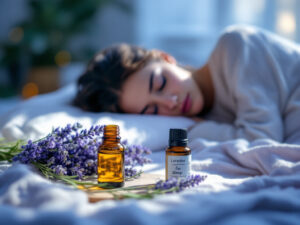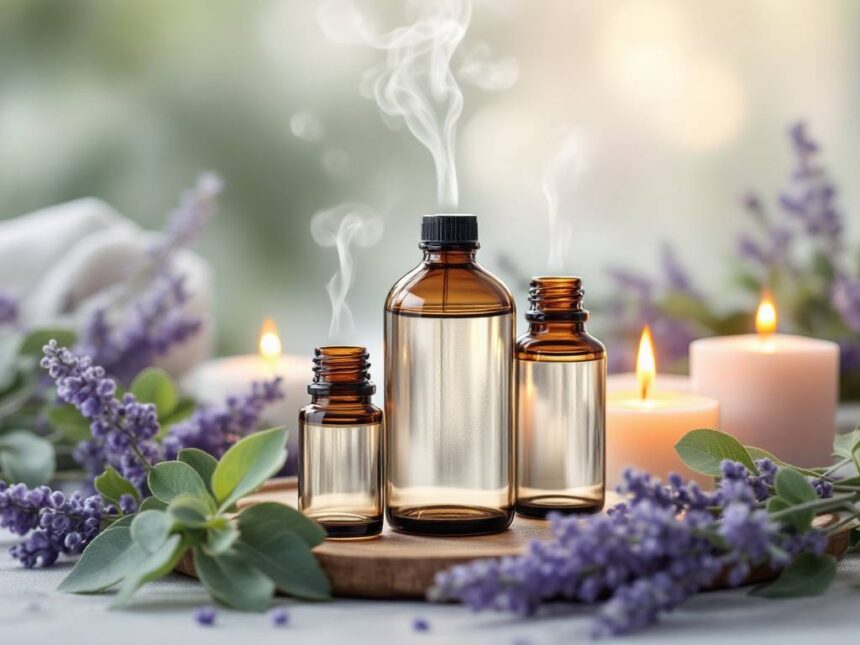
Essential oils for relaxation can turn an ordinary evening into a small ritual that helps your body and mind unwind. Used correctly, they may ease stress, support better sleep, and create a calm atmosphere without relying on heavy fragrances or harsh chemicals.
This guide walks you step by step through how to use essential oils for relaxation the safe way, especially if you are new to oils or live with kids, pets, or anyone with asthma or sensitivities.
Understand how essential oils support relaxation
Before you reach for a bottle, it helps to know what is actually happening when you use essential oils for relaxation.
When you inhale essential oils, tiny aroma molecules travel through your nose to your olfactory receptors. These receptors send signals to parts of your brain that control emotions, memory, and the stress response, including the limbic system and amygdala. A 2025 review on aromatherapy and essential oils reports that this process can modulate the autonomic nervous system and even activate calming GABA pathways, which is one reason certain oils feel soothing.
Clinics and hospitals use this in practice. According to the Cleveland Clinic, aromatherapy has been shown to reduce anxiety, stress, and even improve sleep quality in adults and older adults, including people in intensive care settings. A meta analysis of 30 studies published between 2011 and 2019 found that aromatherapy significantly improves sleep quality in adults and elderly people, especially when sessions last more than 20 minutes.
You will get the most from essential oils when you:
- Choose oils with evidence for relaxation.
- Use low, safe amounts.
- Match the method to your needs, such as diffusion, massage, or baths.
- Protect vulnerable people in your home, like babies, pregnant people, and pets.
The rest of this tutorial walks through exactly how to do that.
Pick your safest starter relaxation oils
If you are just starting with essential oils for relaxation, it is better to begin with a small, well chosen group instead of a large collection. Each oil below has research or long traditional use behind it for stress relief or improved sleep.
Lavender: The most versatile relaxer
Lavender is often the first recommendation when you want essential oils for relaxation. The US Food and Drug Administration recognizes lavender essential oil as “Generally Recognized as Safe” when used appropriately, and it has one of the strongest evidence bases among essential oils.
Studies show that lavender can:
- Reduce anxiety and stress
- Support better sleep quality
- Offer light pain relief that can make it easier to rest
Lavender contains calming compounds like linalool and linalyl acetate that appear to modulate neurotransmitters such as serotonin and melatonin. Clinical settings use lavender aromatherapy to reduce anxiety in patients awaiting medical procedures and to improve sleep in intensive care units.
For most people, lavender is a safe, gentle first choice and a good “base note” to combine with other relaxation oils.
Chamomile: Soft, calming, and sleep friendly
Chamomile, especially Roman chamomile, has a long history as a bedtime herb, and its essential oil carries many of the same properties.
Research suggests chamomile essential oil can:
- Reduce anxiety
- Improve sleep quality
- Gently support mood in stressful settings
In intensive care patients, a blend of lavender, chamomile, and neroli reduced anxiety and improved sleep, which shows how well chamomile works in combination with other calming oils.
If you are sensitive to smell, chamomile’s soft, apple like aroma can feel less overwhelming than some stronger floral oils.
Bergamot: Bright citrus that still calms
Bergamot is a citrus oil, but unlike energizing lemon or orange, it has a more complex, slightly floral scent that many people find relaxing. Aromatherapy with bergamot mixtures has been associated with improved sleep quality and lower blood pressure in some studies.
Because bergamot can make your skin more sensitive to sunlight, treat it as an “inhalation first” oil for relaxation. If you do use it on skin, keep the dilution low and avoid sun or tanning beds on that area for at least 12 hours.
Cedarwood: Grounding support for sleep
Cedarwood has a warm, woody aroma that can make a room feel cozy at night. The active compound cedrol has sedative properties and can activate the parasympathetic nervous system, which is your body’s “rest and digest” mode.
Consistent cedarwood use for at least 20 nights has been linked with:
- Increased total sleep time
- Fewer early awakenings
- Better subjective sleep quality
Cedarwood blends well with lavender for bedtime diffuser blends or diluted massage oils.
Other oils with relaxing potential
You will also see other essential oils mentioned for stress relief and mood support, often in blends:
- Frankincense, for mood enhancement and improved sleep quality
- Ylang ylang, for its potential to reduce stress response
- Lemongrass, for easing stress and mild anxiety with a fresh citrus scent
- Damask rose and sandalwood, both studied for anti stress effects
If you are brand new, you might start with lavender, chamomile, and either bergamot or cedarwood. You can always explore more targeted uses like essential oils for anxiety, essential oils for headaches, or the best essential oils for sleep once you feel confident with the basics.
Learn safe dilution basics before you begin
Every relaxation routine with essential oils starts with one rule: do not use undiluted oils on your skin.
Essential oils are highly concentrated plant extracts. For safe topical use, most experts recommend that you dilute them to a concentration of 1 percent to 5 percent in a carrier like jojoba, coconut, or grapeseed oil. Lower is safer, especially for daily use or sensitive people.
As a quick reference:
For everyday relaxation on healthy adult skin, 1 percent to 2 percent dilution is usually plenty.
If you want more detail on dilution math and carrier options, you can also read how to dilute essential oils and how to use essential oils.
Simple dilution guide
Use this as a starting point if you are blending your own relaxation oils:
- 1 percent dilution, gentle and daily use
- 1 drop essential oil per 1 teaspoon (5 ml) carrier
- 6 drops per 1 tablespoon (15 ml) carrier
- 2 percent dilution, general adult use
- 2 drops per teaspoon
- 12 drops per tablespoon
- 3 percent dilution, short term or spot use
- 3 drops per teaspoon
- 18 drops per tablespoon
Stay at 1 percent or below if you are:
- Pregnant or breastfeeding, and have been cleared by your care provider
- Over 65
- Supporting teens
- Working with sensitive or reactive skin
Children, especially under 6 years old, need much lower concentrations or different approaches entirely. Some oils like birch and wintergreen can be dangerous for young kids and should be avoided. Always check with a pediatrician before using essential oils with children.
Choose the right relaxation method for your goal
You can use essential oils for relaxation in several ways. Each one has a slightly different feel and level of intensity. Think about your goal first, then choose the method that matches it.
1. Diffusion for whole room calm
Diffusing is often the easiest way to enjoy essential oils for relaxation, especially in the evening.
How to diffuse safely:
- Add water to your ultrasonic diffuser according to its fill line.
- Start with 3 to 5 drops of essential oil total for a standard bedroom sized space.
- Run the diffuser for 15 to 30 minutes, then turn it off and see how the room feels.
- Increase to a maximum of 8 to 10 drops per session if needed, as long as no one develops irritation, headaches, or breathing issues.
Tips for safety and comfort:
- Place the diffuser in a well ventilated area, not directly next to your face or bed.
- For bedrooms, run it before bed instead of all night, especially around kids, pets, or anyone with asthma.
- Keep the door slightly open so the scent can disperse instead of building up.
If you enjoy experimenting with blends, you might like to explore essential oils diffuser blends for more ready made ideas.
2. Personal inhalation for quick stress relief
Personal inhalation gives you a fast, targeted way to use essential oils for relaxation without filling the entire room with scent.
Two simple options:
- Aromatherapy inhaler
- Add 10 to 15 drops of a single oil or blend to a cotton wick inside a refillable inhaler.
- Cap tightly.
- To use, uncap, hold near one nostril, close the other, and take one to two gentle breaths. Do not inhale deeply or repeatedly.
- Scented tissue or cotton pad
- Add 1 to 2 drops of essential oil to a tissue or cotton pad.
- Place it near you on a desk or nightstand, not directly on skin.
- Replace with a fresh tissue as needed.
This method works well if someone in your household is sensitive to scent and you are trying to keep the aroma low and contained.
3. Relaxing massage for body and mind
Gentle massage combines the benefits of human touch with the soothing effects of essential oils. A meta analysis of studies found that aroma massage therapy had the strongest positive effect on sleep quality compared with other aromatherapy methods.
To create a relaxing massage blend:
- Choose a carrier oil such as jojoba, sweet almond, or fractionated coconut.
- Dilute your essential oils to 1 percent to 2 percent for general relaxation.
- Apply a small amount to your forearm first as a patch test and wait 24 hours for any reaction.
- Use slow, light strokes over muscles, shoulders, or the feet and lower legs before bed.
If you want more guidance on techniques and blends, see essential oils for massage.
Massage can be especially helpful for tension that shows up as tight shoulders, clenched jaw, or muscle discomfort, where relaxing the body also calms the mind.
4. Baths and foot soaks for evening wind down
Warm water on its own relaxes tense muscles. Adding essential oils correctly can turn your bath or foot soak into a simple at home spa.
Never add undiluted essential oils directly to bath water. Oil and water do not mix, so the drops will sit on the surface and can stick to your skin at full strength, which increases the risk of irritation.
Instead, try this approach:
- Mix 3 to 6 drops of essential oil into 1 tablespoon of carrier oil or unscented liquid soap.
- Add this mixture to a full bathtub right before you get in, then swirl the water to disperse.
- Soak for 10 to 20 minutes.
For a foot soak, use 1 to 2 drops of essential oil in 1 teaspoon of carrier oil, then add to a basin of warm water.
You can find more water friendly ideas in essential oils for bathing.
5. Simple roller blends for on the go calm
Pre diluted roll ons are one of the safest and most convenient ways to use essential oils for relaxation during the day. Many brands sell ready made roll ons at 3 percent or lower concentrations. You can also make your own at 1 percent to 2 percent.
How to use them:
- Apply to non sensitive areas like the outer forearms, back of the neck, or upper chest.
- Use one or two small swipes, then wait a few minutes to see how you feel.
- Reapply as needed, up to a few times a day, as long as your skin is comfortable.
Avoid applying roll ons to your face, broken skin, or mucous membranes. Remember to wash your hands after use so you do not accidentally get oil into your eyes.
Follow special safety rules for kids, pets, and sensitivities
If you live with children, pets, or anyone with asthma, allergies, or fragrance sensitivities, you will want extra boundaries around your essential oil use.
Children and older adults
Essential oils are strong, and children have thinner skin and immature nervous systems. Older adults can also be more sensitive.
General guidelines:
- Avoid essential oils around babies under 3 months old unless directed by a pediatrician.
- For children under 6, focus on diffusion in well ventilated rooms with very small amounts of oil and short sessions.
- Avoid risky oils like birch and wintergreen in children under 6, which can cause serious problems.
- For topical use in older children and adults over 65, stick to 0.5 percent to 1 percent dilutions unless a professional suggests otherwise.
Always keep essential oils locked away or out of reach, just like medicine.
People with asthma, allergies, or sensitive skin
If anyone in your home has asthma, fragrance sensitivity, eczema, or allergies, proceed gradually. Some people feel more relaxed with gentle aromatherapy, while others may get headaches or breathing discomfort.
You can protect everyone by:
- Diffusing in short 10 to 15 minute sessions first, with doors open.
- Limiting use to one room at a time so people can choose to leave if needed.
- Patch testing any new topical blend on a small area of skin.
- Avoiding use on damaged, inflamed, or broken skin, which absorbs oils more quickly and is more likely to react.
If someone experiences wheezing, a tight chest, dizziness, or a severe headache, stop the aromatherapy, move to fresh air, and seek medical advice if symptoms do not resolve.
If you are working around skin conditions such as eczema or psoriasis, learn more about targeted options in essential oils for eczema and essential oils for psoriasis, and always talk with a dermatologist first.
Pets in the home
Pets, especially cats and small dogs, can be highly sensitive to essential oils. They cannot metabolize certain compounds in the same way humans do.
Safer habits include:
- Diffusing in a space where pets can leave freely.
- Avoiding direct application of essential oils to pet fur or skin unless your veterinarian specifically recommends it.
- Keeping all bottles tightly closed and stored where pets cannot knock them over or lick them.
If your pet seems lethargic, drools, vomits, or has trouble walking after exposure to essential oils, contact a veterinarian right away.
Create simple, low risk relaxation routines
Once you understand your oils, dilutions, and who is in your household, you can put everything together into small, realistic routines that support your day.
Here are three ideas to get you started.
Evening wind down for better sleep
If sleep is your main goal from essential oils for relaxation, pair oils with basic sleep hygiene instead of using them alone.
For example:
- One hour before bed, dim the lights and turn off bright screens.
- Diffuse 3 drops lavender and 2 drops cedarwood in your bedroom for 20 minutes, then switch off the diffuser.
- After you brush your teeth, apply a 1 percent lavender and chamomile roll on to your forearms and take a few slow breaths.
- Get into bed at the same time each night so your body learns the routine.
Aromatherapy research shows that sessions longer than 20 minutes can support better sleep, but you do not need to run a diffuser all night to see benefits. If you want more ideas specifically for rest, look at best essential oils for sleep.
Midday stress reset at your desk
When stress builds quietly through the day, a small break can reset your nervous system.
Try this 5 minute routine:
- Keep a personal inhaler with lavender or bergamot in your bag or desk drawer.
- Step away from your screen and ground your feet on the floor.
- Take one to two gentle inhalations from the inhaler and set it aside.
- Close your eyes and breathe slowly for a count of four in and six out, for about a minute.
If your stress shows up as physical tension, you might also explore essential oils for muscle pain and essential oils for pain relief for more targeted blends.
Simple self care on tough days
Some days you may feel more frazzled, anxious, or low. Essential oils are not a replacement for professional care if you are dealing with chronic anxiety, depression, or trauma, but they can be one small supportive piece.
For a gentle comfort ritual:
- Fill a basin with warm water for a 10 minute foot soak.
- Add 1 teaspoon carrier oil mixed with 1 drop lavender and 1 drop frankincense.
- While you soak, use a drop of the same blend in your palms, cup your hands over your nose, and take two or three soft breaths.
- After drying your feet, apply an unscented moisturizer.
If emotional stress is a recurring challenge, browse essential oils for stress relief and essential oils for anxiety for more structured routines.
Know when to pause and when to seek help
Essential oils for relaxation are most helpful when you treat them as supportive, not as cures. It is important to step back and reassess if:
- You notice any burning, itching, redness, or rash on skin after using oils.
- You develop new headaches, nausea, or dizziness during aromatherapy.
- You or someone in your home has asthma flares or breathing changes with scented products.
Stop using the oil and talk with a healthcare professional if symptoms are concerning or do not go away. If you are pregnant, breastfeeding, or have chronic conditions like epilepsy, high blood pressure, or heart disease, ask your doctor or a qualified aromatherapist which oils are appropriate before you begin.
More than one third of American adults do not get enough sleep, and many also live with ongoing stress. It is understandable to look for natural options, but remember that no essential oil can replace medical evaluation for significant anxiety, depression, or insomnia.
Build out your essential oil toolkit thoughtfully
Once you are comfortable using essential oils for relaxation and you know which scents your body responds to, you might want to round out your collection.
You can create a small, versatile kit that covers relaxation plus a few everyday needs:
- Lavender for relaxation, minor discomfort, and gentle sleep support
- Chamomile for calm and sensitive skin
- Cedarwood or frankincense for grounding and nighttime
- A bright oil like lemongrass or bergamot for daytime stress relief
- A couple of targeted options like peppermint or ginger for essential oils for nausea or tea tree and lavender for essential oils for insect bites
From there, you can explore more specific topics, such as essential oils for cleaning, essential oils for laundry, essential oils for skin care, or even essential oils for hair growth, using the same safety principles you learned here.
For a deeper look at overall benefits and quality considerations, it is also helpful to read about essential oils benefits, therapeutic grade essential oils, and creative essential oils recipes.
Start with one simple change today, such as diffusing 3 drops of lavender in the evening while you dim the lights. Pay attention to how your body and mind respond. Over time, those small, intentional habits can add up to a calmer daily rhythm that feels sustainable, safe, and genuinely relaxing.